
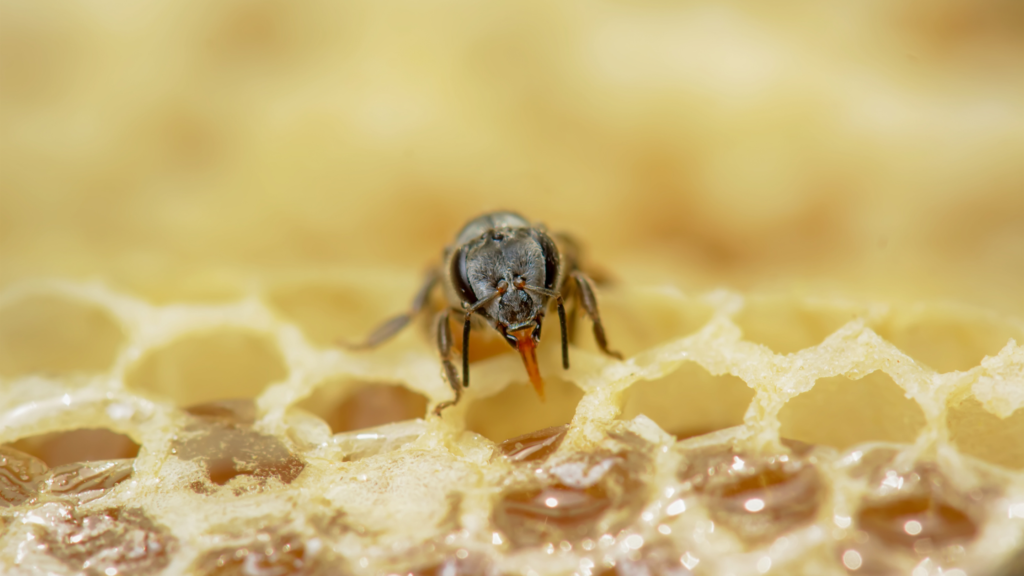
The Small Honey Bee (Apis florea): A Comprehensive Guide to One of Nature’s Tiny Pollinators
The Small Honey Bee, scientifically known as Apis florea, is one of the lesser-known species of honey bees, yet it plays a vital role in the ecosystems of Asia and parts of the Middle East. Despite its size, the Apis florea bee is a remarkable pollinator, and its unique biology
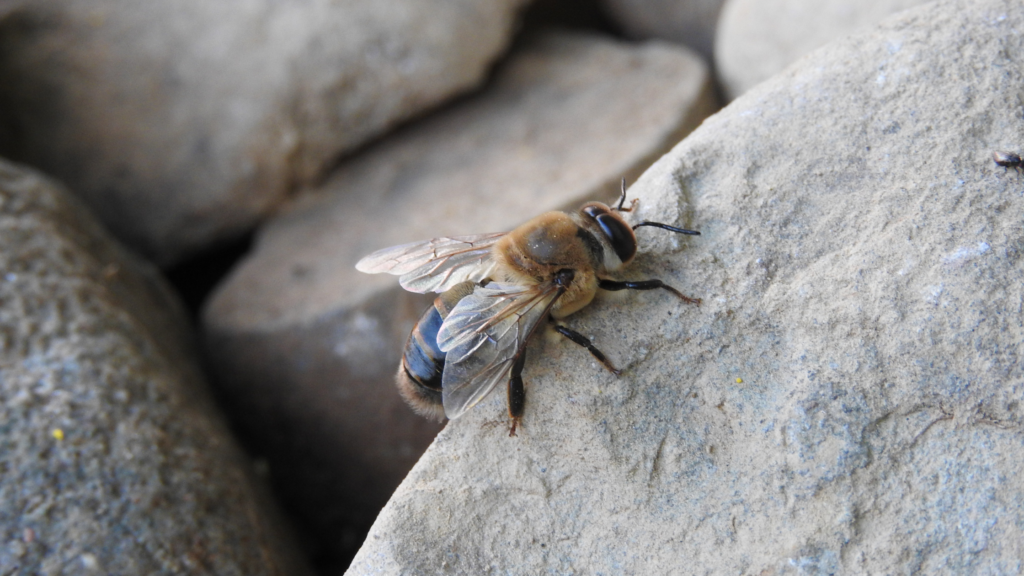
The Rock Honey Bee (Apis laboriosa): Guardians of the Himalayan Honey
The Rock Honey Bee (Apis laboriosa) is an awe-inspiring species that thrives in the rugged landscapes of the Himalayas, where it builds massive nests on vertical cliffs. Known for producing highly prized wild honey and for its ability to endure extreme mountain conditions, this bee species has captivated researchers, beekeepers,
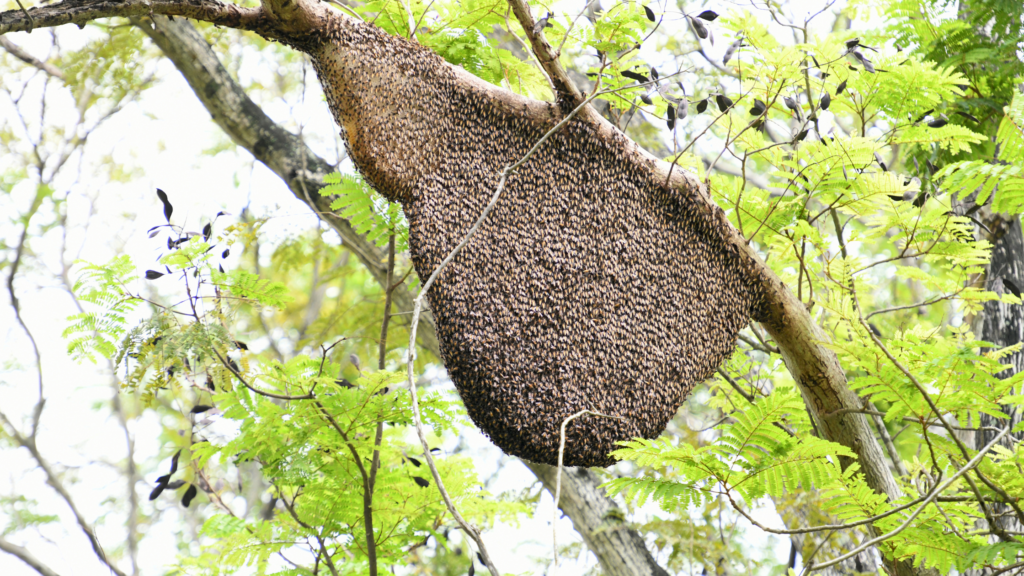
The Giant Honey Bee (Apis dorsata): Nature’s Fearless Honey Maker
The Giant Honey Bee, scientifically known as Apis dorsata, is a remarkable species native to South and Southeast Asia. Known for its impressive size, bold temperament, and incredible honey-producing capabilities, this bee plays a crucial role in the ecosystem and supports human livelihoods. Despite its importance, the Giant Honey Bee
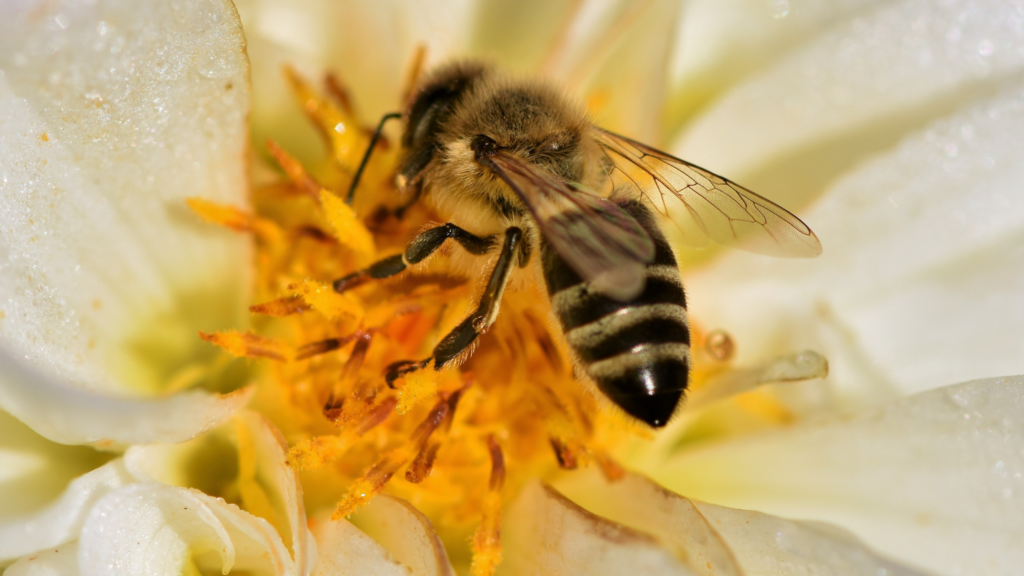
The Eastern Honey Bee (Apis cerana): A Vital Pollinator of Asia
The Eastern honey bee, scientifically known as Apis cerana, is a remarkable species of honey bee native to Asia. This bee plays an essential role in pollination and honey production, making it a vital contributor to both ecosystems and agriculture. In this blog post, we will explore the unique characteristics,
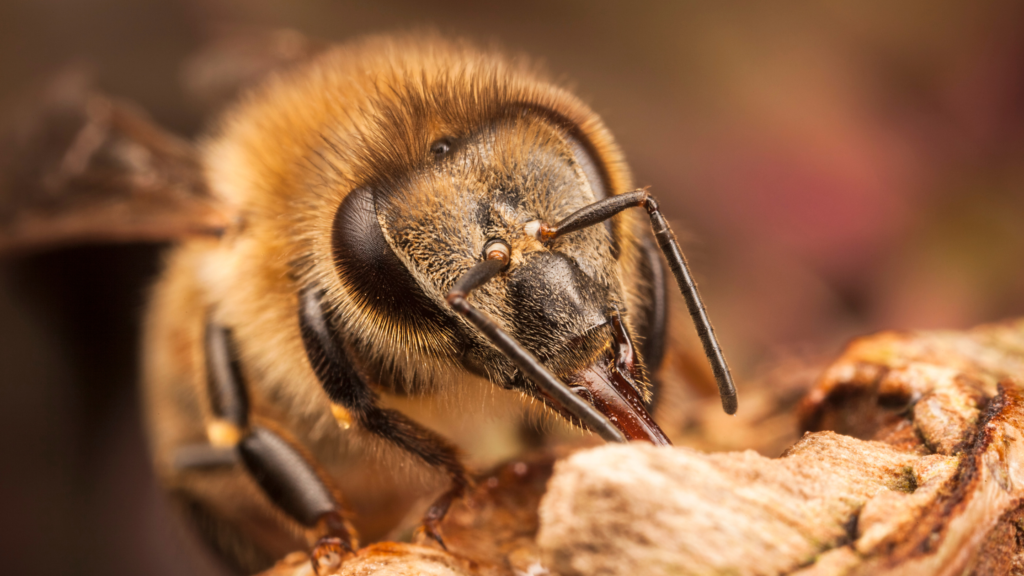
The Western Honey Bee (Apis mellifera): Nature’s Essential Pollinator
The Western honey bee, scientifically known as Apis mellifera, is one of the most well-known and vital species of bees globally. This remarkable insect not only plays a crucial role in the ecosystem through pollination but also significantly contributes to agriculture and honey production. In this blog post, we will
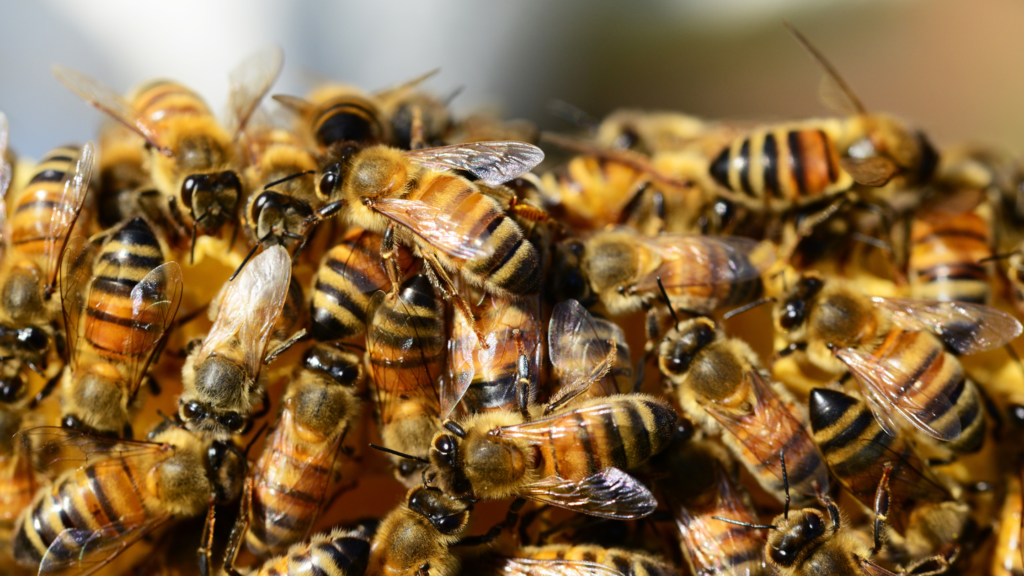
Exploring the Main Types of Honey Bees: Nature’s Essential Pollinators
Honey bees are extraordinary insects that play a crucial role in our ecosystem. Known for their contributions to pollination and honey production, honey bees are vital for agriculture and the environment. However, many people are unaware that there are various types of honey bees, each with unique roles and characteristics.
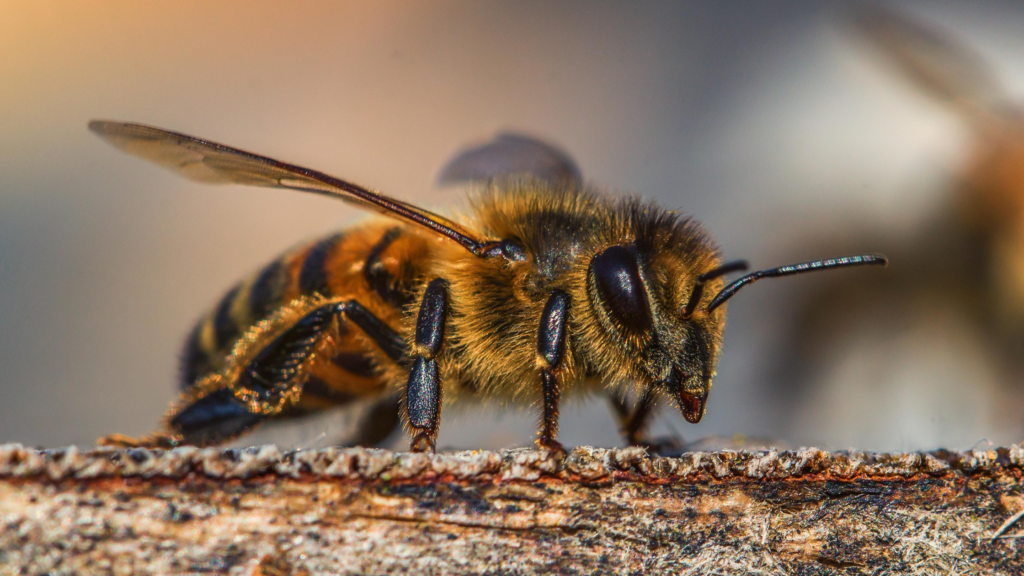
An Introduction to Honey Bees: Nature’s Incredible Pollinators
Honey bees are one of the most fascinating creatures on our planet. Known for their role in pollination and honey production, these industrious insects are essential to the ecosystem and agricultural economy. In this blog post, we’ll explore the biology of honey bees, their social structure, the importance of their
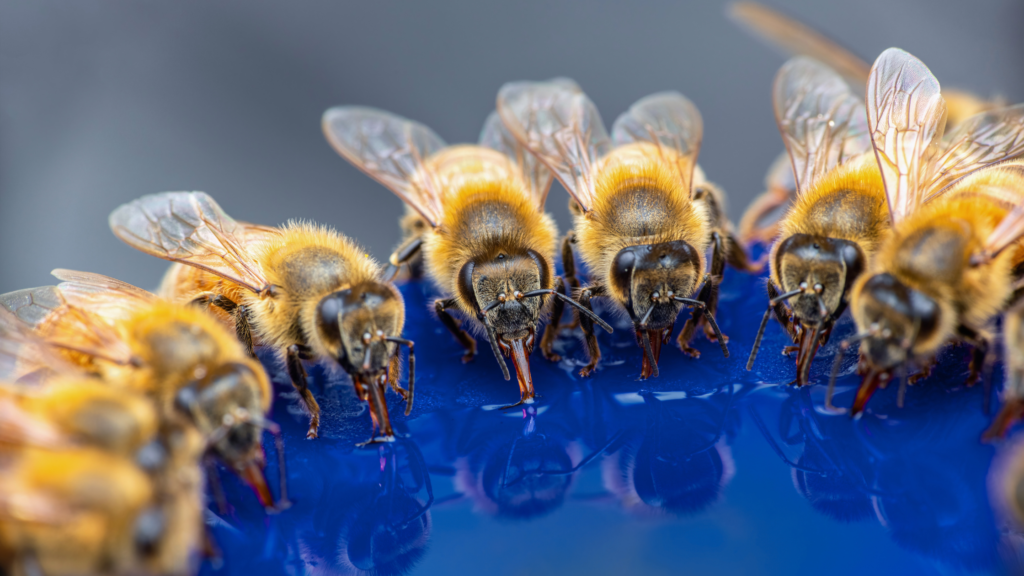
Exploring the Fascinating World of Bee Species
Bees are not just honey-makers; they are essential contributors to our ecosystems, agriculture, and overall biodiversity. With over 20,000 species of bees worldwide, these industrious insects exhibit a fascinating variety of traits, behaviors, and ecological roles. In this article, we will explore the most notable bee species, their unique characteristics,
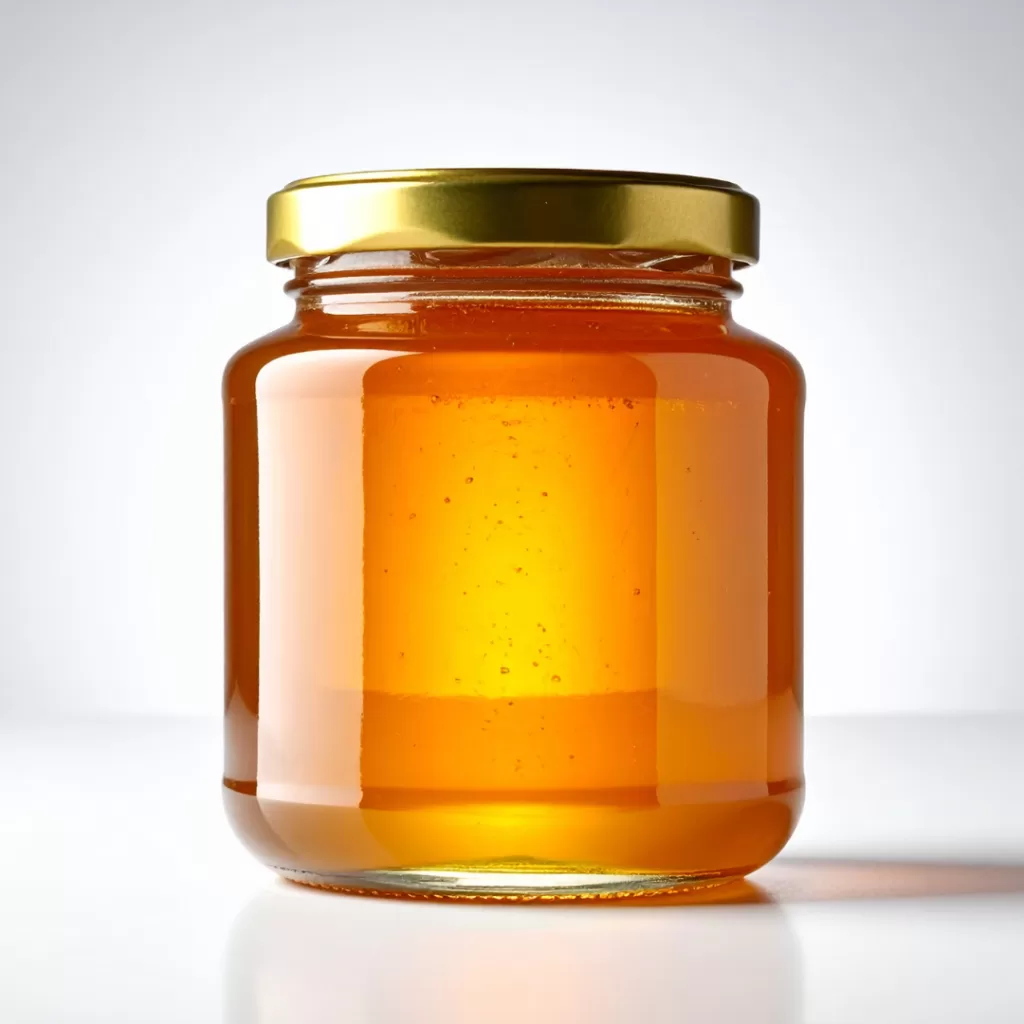
Fir Honey: Flavor, Benefits & Why Greek Fir Honey Is So Unique
Fir honey is one of the most distinctive honey varieties produced in Greece and other mountainous Mediterranean regions. Unlike common floral honeys such as clover or wildflower, fir honey belongs to the honeydew category — meaning it is produced from tree secretions rather than flower nectar. This difference gives fir

Pine Honey: Benefits, Flavor Profile & Why Greek Pine Honey Is Unique
Pine honey is one of the most distinctive honey varieties in the Mediterranean region. Unlike nectar-based honeys such as clover or thyme honey, pine honey belongs to a special category known as honeydew honey. This difference gives it a darker color, thicker texture, and more complex flavor profile. Greek pine

Thyme Honey: Benefits, Flavor Profile & Why Greek Thyme Honey Is So Special
Thyme honey is one of the most aromatic and distinctive honey varieties in the world. Produced primarily in Mediterranean regions — especially Greece — this honey develops an intense herbal fragrance and complex flavor profile that sets it apart from milder varieties like clover or wildflower honey. Because wild thyme
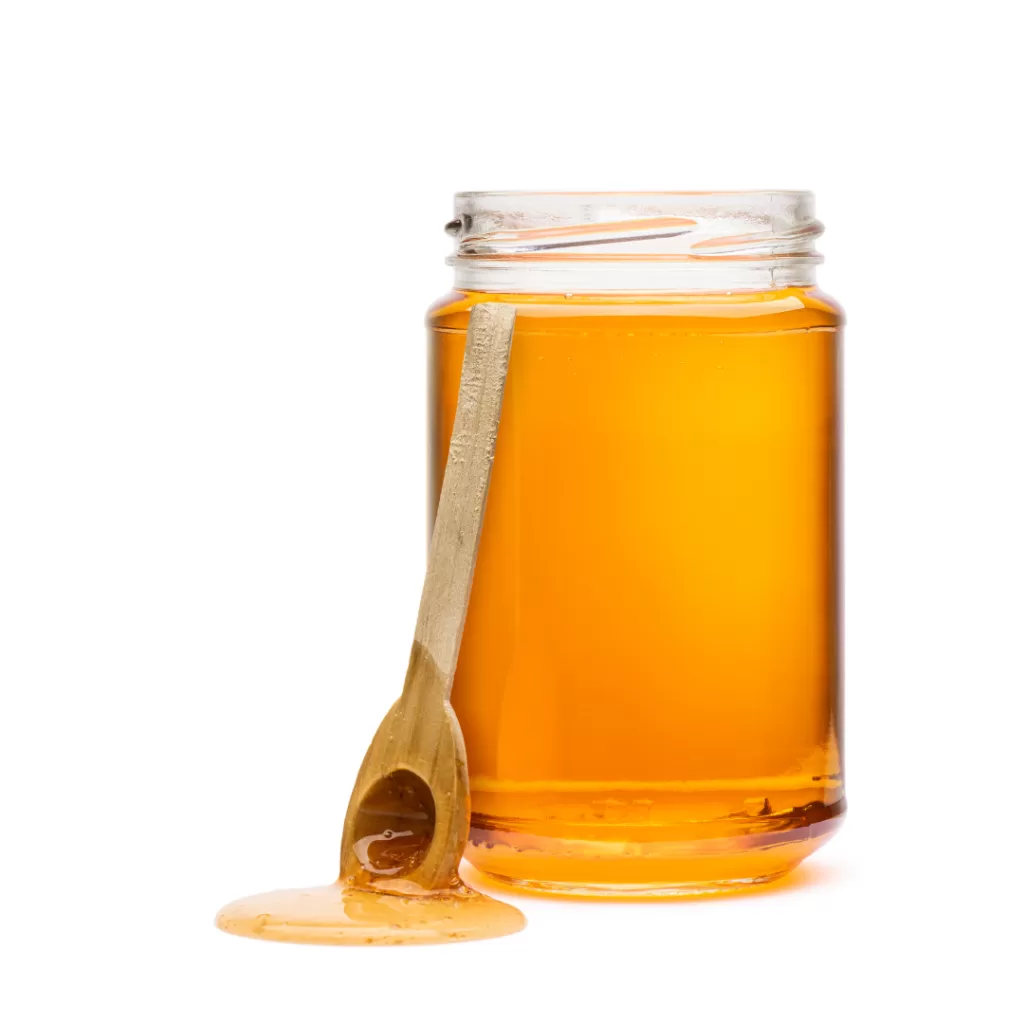
Kanuka Honey: Benefits, Uses & How It Compares to Manuka
Introduction Kanuka honey is a native New Zealand honey that is often compared to the more famous Manuka honey. While both originate from closely related plants, Kanuka honey has its own unique properties, flavor profile, and uses. Because Manuka honey dominates global attention, Kanuka honey is sometimes overlooked. However, this
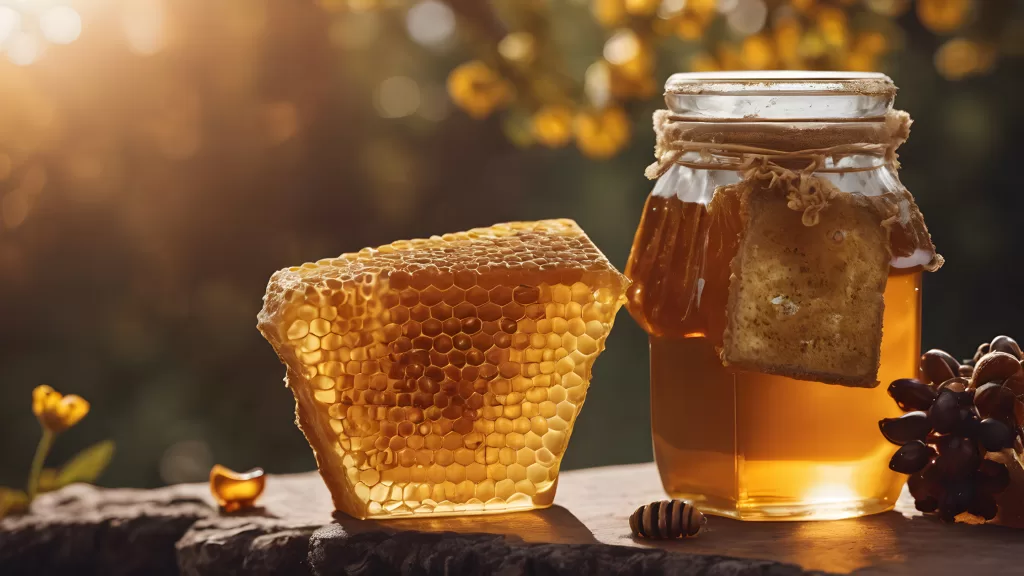
Is Canadian Honey Different from Imported Honey? What You Should Know
Honey is sold all over the world, and jars often look similar on the shelf. But where honey comes from can make a meaningful difference in how it tastes, how it behaves, and how much information you have about its origin. Canadian honey is frequently compared to imported honey, especially
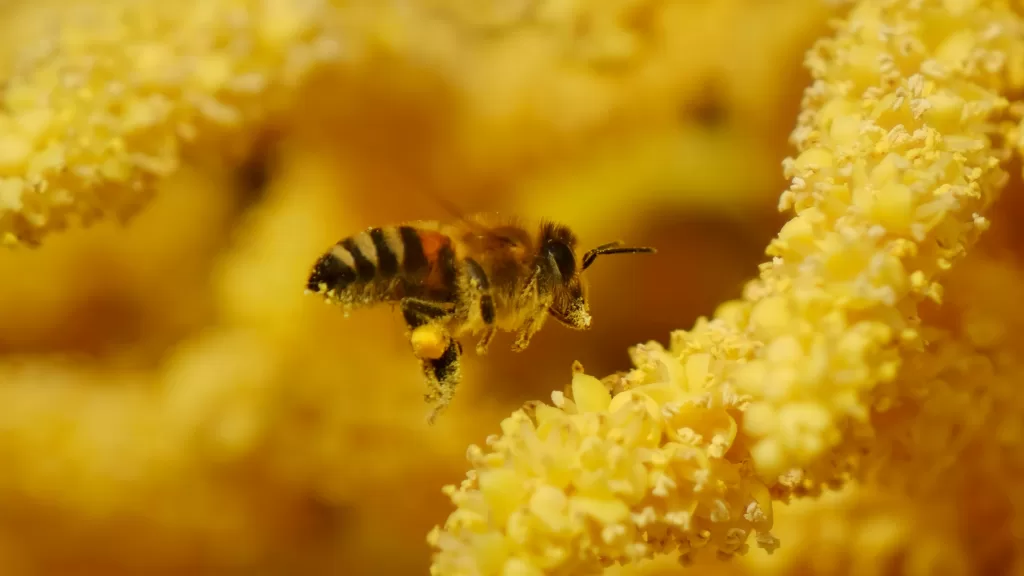
How Climate Affects Honey Production in Canada
Climate plays a major role in how honey is produced, and in a country as large and varied as Canada, climate differences shape everything from honey flavor to texture and harvest timing. Canadian honey is deeply influenced by short growing seasons, cooler temperatures, and regional weather patterns. In this article,