Comb Honey: What It Is, How to Eat It, Benefits and Storage
Comb honey is mature honey presented inside the beeswax cells where bees stored it. This definitive guide explains how it is made, the difference between section, cut-comb and chunk honey, how to eat the wax, what quality looks like, and how to buy and store it safely.
The least separated form of harvested honey
- True comb honey is sold in sealed whole combs or sections of freshly built, broodless comb.
- The honey and beeswax are both edible for most people; wax may be chewed or swallowed in modest amounts.
- Flavor depends mainly on floral source, place and harvest—not on the comb format alone.
- Comb honey can crystallize inside its cells; crystallization is natural and does not by itself mean spoilage.
- Fresh, pale comb and sound cappings are common quality cues, but appearance cannot prove purity or origin.
- Like all honey, comb honey must never be given to an infant younger than 12 months.
Everything you need to know about comb honey
What should you expect?
Honey and wax together
A form, not a floral variety
Delicate by design
What is comb honey?
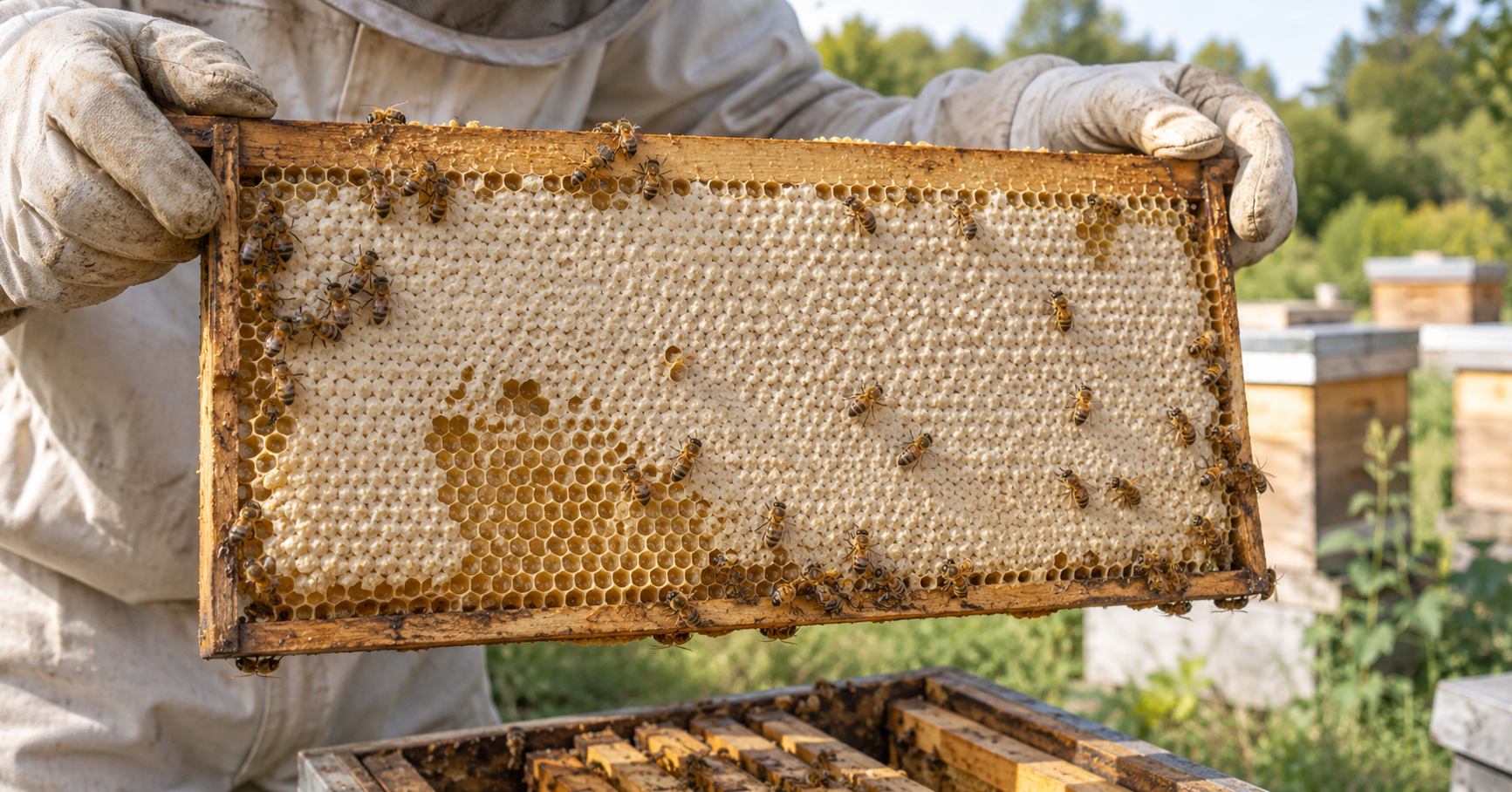
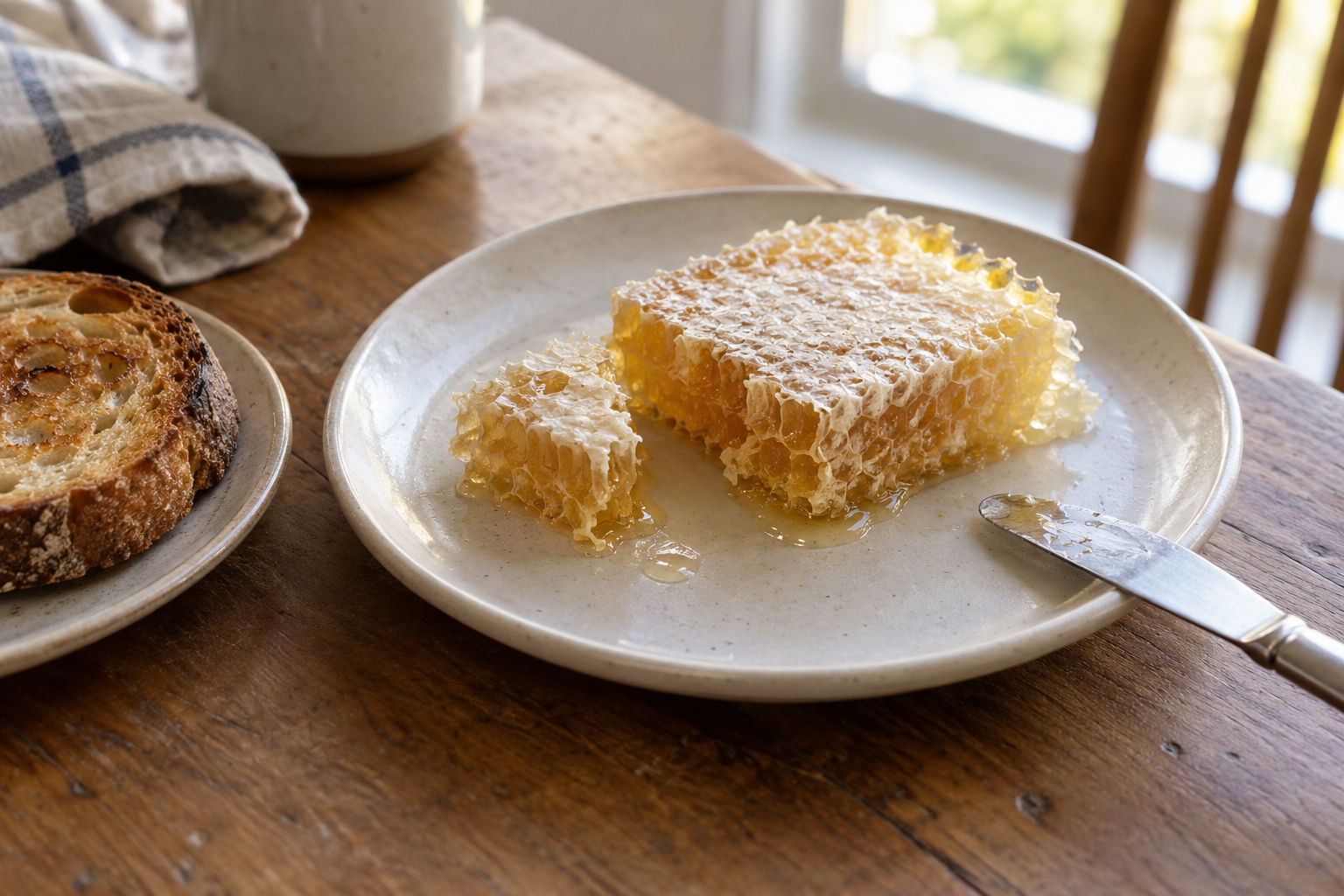
Comb honey is ripe honey still enclosed by the wax cappings bees place over filled cells. A producer removes broodless honeycomb from the hive and sells it whole or cuts it into portions. Because extraction is skipped, the structure remains intact and the eater experiences liquid honey, wax and aroma together.
“Honeycomb” can also mean the wax structure itself or an aerated sugar candy. On a honey label, look for clear wording such as comb honey, cut-comb honey or chunk honey.
How bees make comb honey
Worker honey bees secrete wax and shape it into adjoining cells. Foragers bring nectar or honeydew to the colony; house bees transform it, move it among cells and reduce its water content. When the honey is sufficiently mature, bees cap the cells with a thin layer of wax.
1. Build
2. Fill
3. Ripen
4. Cap
5. Harvest
6. Pack
Section, cut-comb and chunk honey compared
Terms and grade names vary by country. Read the product description and net weight rather than assuming every container holds the same ratio of honey to wax.
How to eat comb honey—and is the wax edible?
Eat it directly
Spread it
Pair it
Use it as a garnish
Beeswax is edible for most people in ordinary food amounts, but it is not the nutritional equivalent of dietary fiber and is not proven to make the honey clinically superior. People with known reactions to bee products should be cautious.
Comb honey taste, aroma and texture
What it tastes like
Comb honey has no single universal flavor. Clover comb honey may be mild and grassy, orange blossom can be fragrant and citrus-like, and darker forest honey may taste malty or resinous. Fresh wax can contribute a faint clean, warm aroma.
Because each bite breaks sealed cells, aroma is released differently than from spooned liquid honey.
What the texture should feel like
Good eating comb is tender enough to cut and chew, with liquid or naturally crystallized honey inside. Very old, heavily reused or brood comb can be tougher and is not the intended material for premium comb honey.
A few irregular cells or uneven cappings are natural; machine-perfect geometry is not a requirement.
Production, harvesting and quality cues
Broodless new comb
Mature honey
Clean handling
Sound appearance
USDA voluntary grade standards evaluate factors such as uniform appearance, comb and capping color, freedom from damage, honey quality, wrapping and net weight. A grade describes quality under that system; it does not establish floral origin or prove a health benefit.
Does comb honey crystallize?
Nutrition, benefits and evidence
Comb honey is still principally honey: a concentrated source of naturally occurring glucose and fructose. The small amount of wax changes texture and delivery but does not turn it into a balanced source of protein, fiber, vitamins or minerals.
Minor compounds vary
“Raw” is not automatic
No universal superiority
Sugar still counts
Cough evidence has limits
Allergies remain possible
How to choose and store comb honey
Check the form and label
Confirm whether the package contains section comb, cut comb or chunk honey. Look for country of origin, producer or packer, net weight, lot information and any genuine floral claim.
Inspect the package
Choose intact, clean packaging without leakage, broken seals, webbing, larvae, mold, sour odor or pressure. A few broken cells at a cut edge are not unusual.
Expect natural variation
Wax and honey can range from very pale to darker gold. Color, crystallization and a rustic label cannot authenticate purity; laboratory testing and traceability are the reliable tools.
Store it sealed, cool and dry
Keep comb honey in an airtight food-safe container at a stable, cool room temperature away from sun, heat, moisture and strong odors. Protect it from ants and wax moths. Refrigeration is usually unnecessary and may hasten crystallization.
Freeze only when useful
Freezing can preserve comb for longer storage and is sometimes used by producers to control wax-moth risk. Wrap it very well, thaw it while still sealed to reduce condensation, and expect possible texture changes.
Know when to discard it
Discard comb honey with mold, obvious pest damage, a damaged contaminated package, persistent fermentation foam, pressure, or a sour or alcoholic odor. Normal crystals are not spoilage.
Relevant comb honey and storage guides
Continue with current articles about comb versus liquid honey, floral varieties, crystallization, storage, authenticity and practical uses.
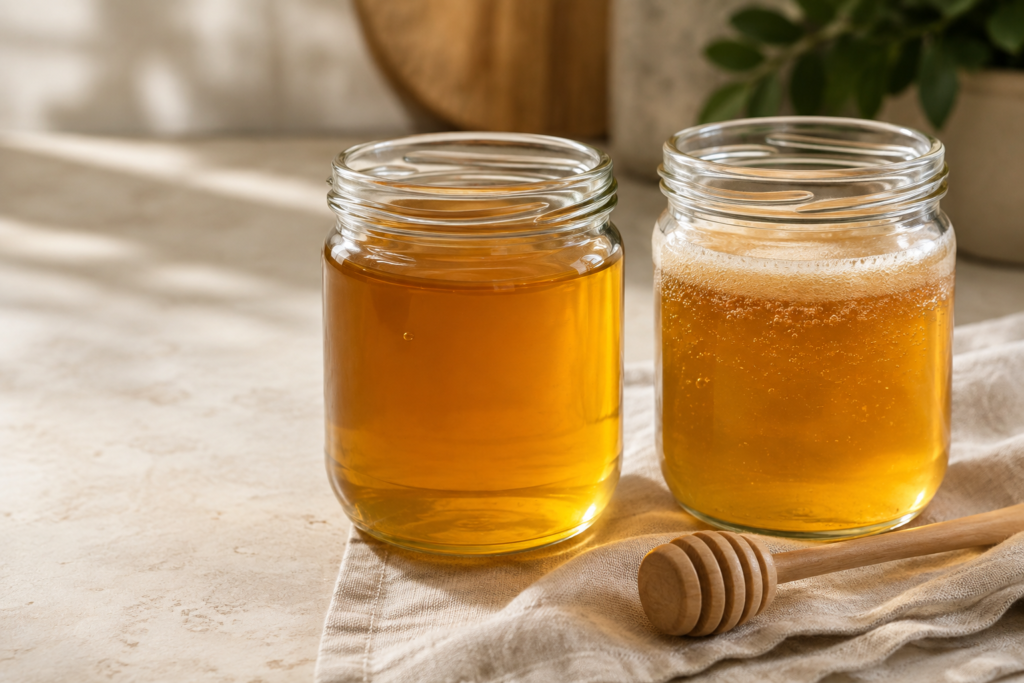
Why Is My Honey Foamy? Bubbles, Wax or Fermentation Explained
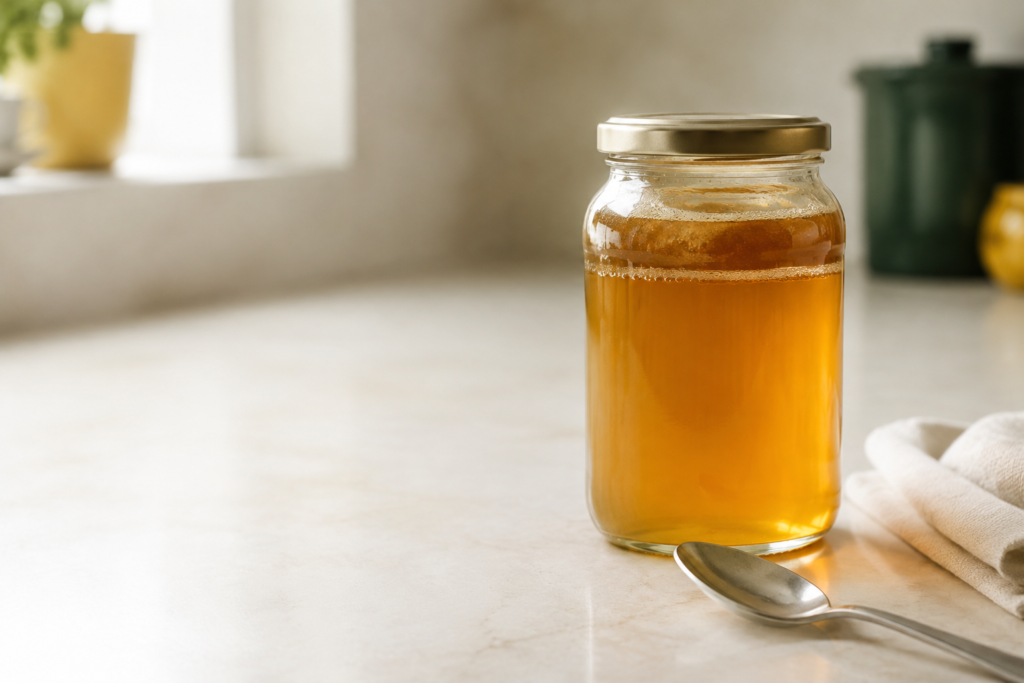
THE COMPLETE HONEY FOAM GUIDE Why Is My Honey Foamy? Bubbles, Wax or Fermentation Explained Foam on honey is not automatically spoilage.
Why Does Honey Ferment? Signs, Causes and Prevention
THE COMPLETE HONEY FERMENTATION GUIDE Why Does Honey Ferment? Signs, Causes and Prevention Unintended honey fermentation usually begins when yeasts can use
Does Honey Need to Be Refrigerated? What Happens in the Fridge
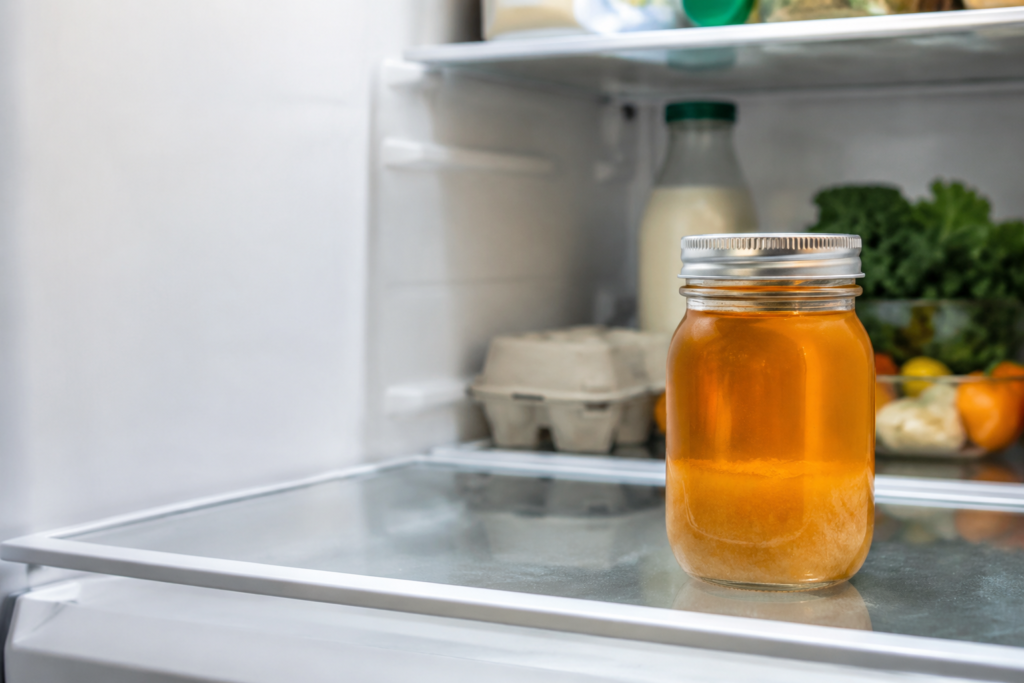
THE COMPLETE COLD-STORAGE GUIDE Does Honey Need to Be Refrigerated? What Happens in the Fridge Plain honey usually belongs in a dry
Frequently asked questions
Can you eat the wax in comb honey?
Yes. Beeswax in genuine comb honey is edible for most people in ordinary amounts. You may swallow it or discard the softened wax after chewing.
Is comb honey the same as raw honey?
No. Comb describes presentation; raw is an inconsistently defined processing claim. Ask the producer about handling and temperature rather than assuming from appearance.
Is comb honey healthier than liquid honey?
No universal evidence shows that every comb honey is clinically superior. Floral source, authenticity, handling, serving size and the specific outcome matter.
Why is my comb honey cloudy or grainy?
The honey has probably crystallized inside its cells. That is a normal physical change unless spoilage signs such as fermentation odor, persistent foam or pressure are also present.
Does comb honey contain bee larvae?
Premium food comb should be freshly built and broodless. Do not confuse capped honey cells with brood comb; credible producers harvest comb intended specifically for food.
How long does comb honey last?
Properly sealed, dry comb honey is highly stable, but wax texture, aroma and color change with heat, oxygen and time. Use package guidance and inspect its condition.
Should comb honey be refrigerated?
Usually no. Airtight storage at a cool, stable room temperature is generally preferable; refrigeration can speed crystallization in susceptible honey.
What is chunk honey?
Chunk honey contains one or more pieces of comb honey surrounded by liquid extracted honey in the same container.
How this comb honey guide was researched
This guide prioritizes international definitions, official quality standards and public-health guidance. It separates comb format from floral origin, processing claims and unproven health marketing.
- Codex Alimentarius: Standard for Honey (CXS 12-1981)
- USDA Agricultural Marketing Service: Comb Honey Grades and Standards
- USDA: Comb Honey Inspection Instructions
- FAO: Value-added Products from Beekeeping—Honey
- CDC: Foods and Drinks to Avoid or Limit—Honey Before 12 Months
Explore comb honey in context
Compare comb honey with extracted honey, learn how bees ripen nectar, and follow botanical varieties through the global honey library.