
Creamed Honey: What It Is, How It Is Made, Uses and Storage
Creamed honey is genuine honey crystallized under controlled conditions to create a smooth, stable and spreadable texture. It contains no cream or dairy unless clearly sold as a flavored mixture. This evidence-led guide explains fine crystals, production methods, flavor, nutrition, buying, storage and common problems.
A physical transformation—not a different floral source
- Also called cream honey, whipped honey, spun honey, set honey or soft-set honey in different markets.
- Made by encouraging many very small glucose crystals instead of allowing fewer large, gritty crystals to form.
- Usually contains no dairy and is not aerated like whipped cream.
- Floral source still determines much of its color, aroma and flavor.
- Its opaque appearance and firmness are normal results of crystallization—not spoilage.
- Like every honey, it must never be given to an infant younger than 12 months.
Everything you need to know about creamed honey
What should you expect from the jar?
Fine, even crystals
Spreadable stability
Botanically flexible
What is creamed honey?
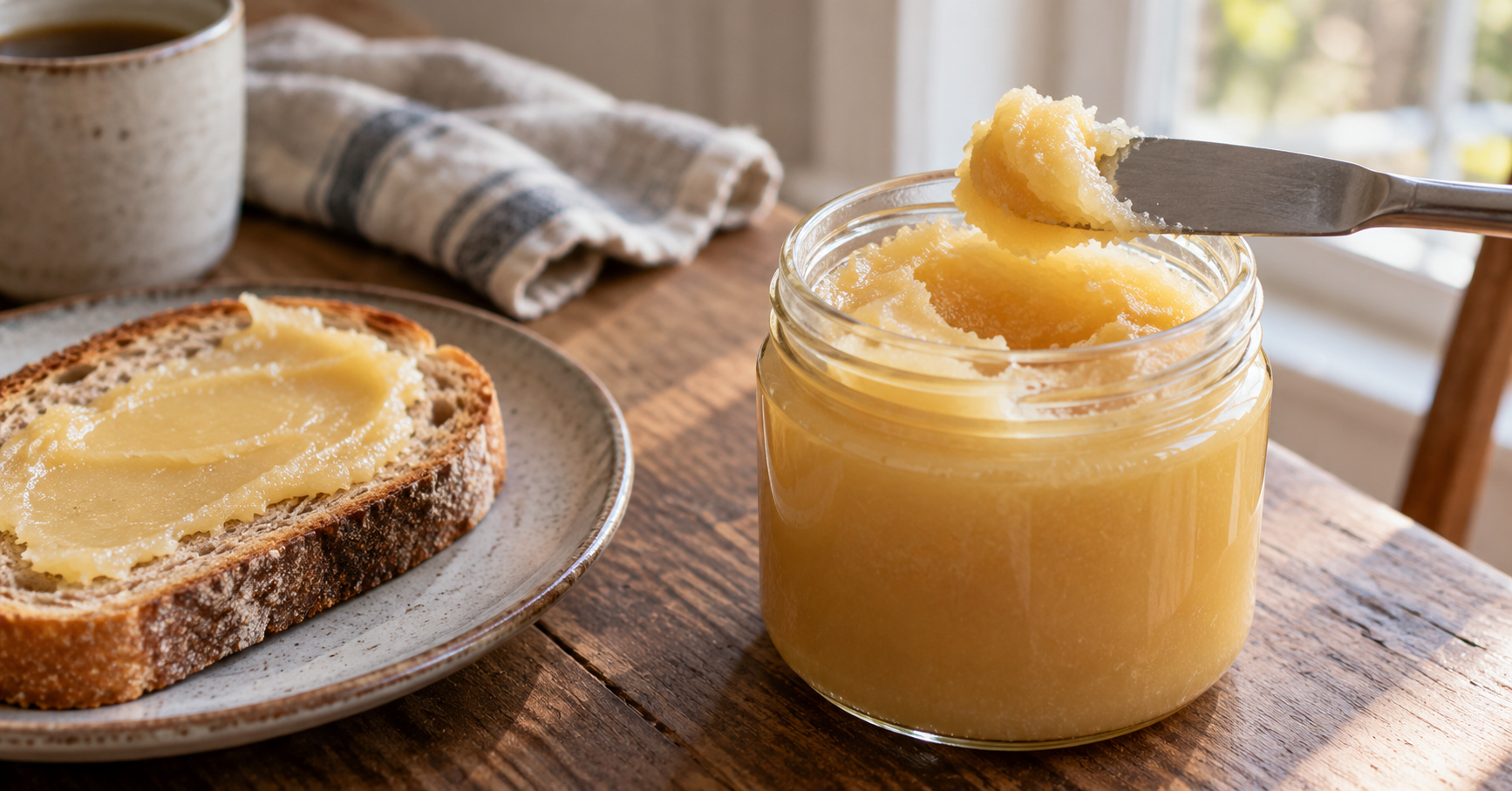
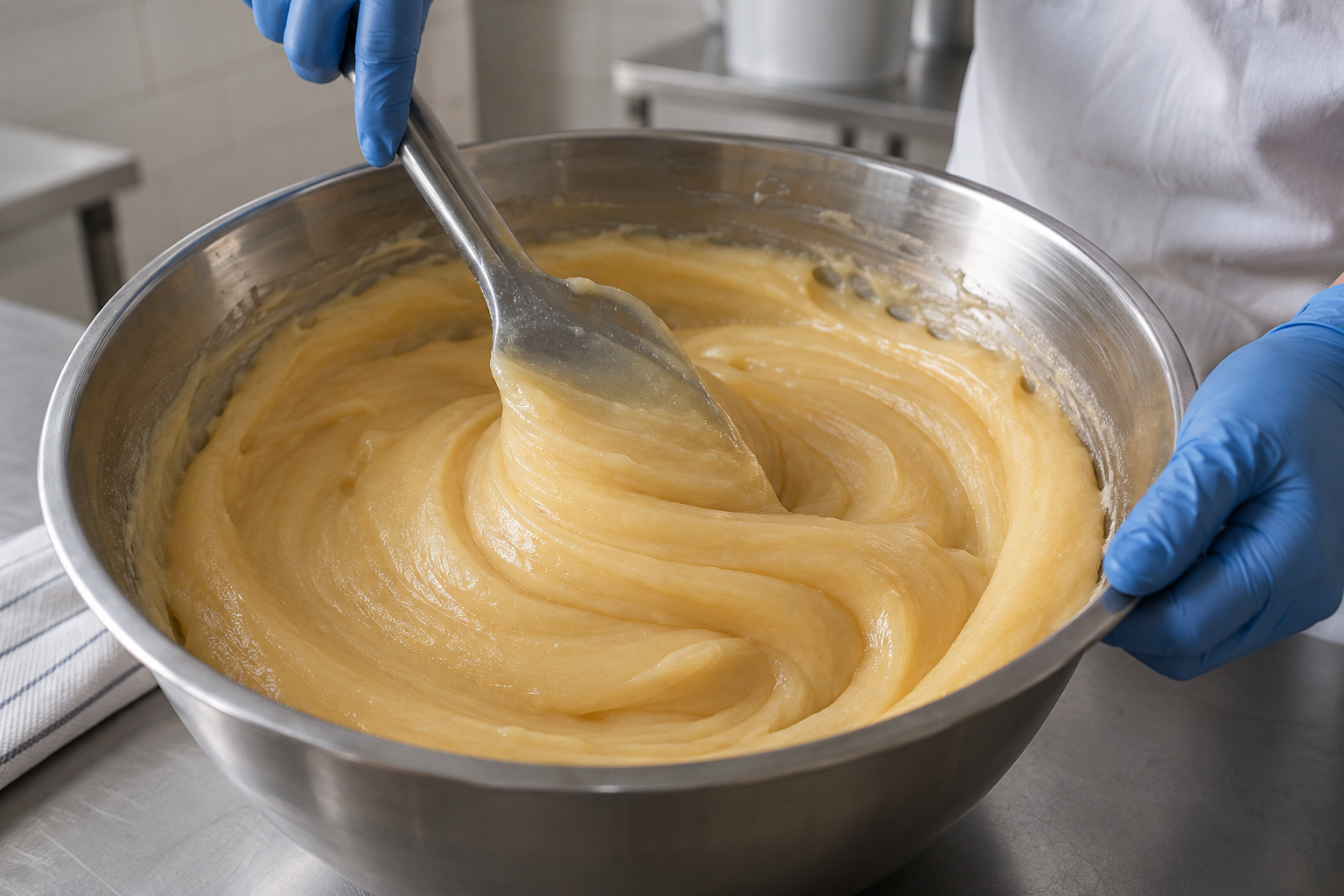
Creamed honey is honey whose natural glucose crystallization has been directed toward a fine, uniform structure. Producers commonly introduce a small amount of finely crystallized “seed” honey into compatible liquid honey, mix it thoroughly without incorporating excess air, and hold it under controlled conditions while crystals develop.
Nothing needs to be added for plain creamed honey. A product containing fruit, spices, dairy or another ingredient is a flavored honey preparation and should disclose those ingredients on its label.
The science behind smooth creamed honey
Honey is a supersaturated sugar solution. Glucose is less soluble than fructose and can leave solution to form crystals. Floral source, glucose-to-water balance, temperature, pollen and existing crystals influence when and how this happens.
Nucleation begins
Seed controls size
Mixing distributes seed
Temperature guides growth
Structure develops
Storage preserves texture
How creamed honey is made
FAO technical guidance describes seed-to-liquid blending and controlled crystallization as established approaches, but exact temperatures and schedules vary with equipment, batch size and honey composition.
Creamed, spun, whipped and set honey
Creamed honey
Spun honey
Whipped honey
Set or soft-set honey
Names are not perfectly standardized everywhere. Texture, ingredients, origin and processing information tell you more than the marketing term alone.
Taste, color and texture
What it tastes like
Creaming does not create one universal flavor. Clover-based creamed honey may be mild and clean; canola may set pale and gently flavored; darker wildflower honey may retain richer malt, spice or caramel notes.
Fine crystals melt gradually on the tongue, which can make sweetness feel rounder and less immediate than the same honey in liquid form.
What good texture looks like
Well-made creamed honey is opaque, uniform and easy to spread, with crystals too small to feel sharply gritty. Firmness changes with temperature, floral source and water content.
Coarse grains, a liquid layer, persistent foam or fermentation odor indicate a texture or storage problem—not the normal goal of creaming.
Nutrition, benefits and evidence
Primarily carbohydrate
No automatic dairy
Minor compounds vary
Texture is the main advantage
Controlled crystallization does not remove sugar or inherently increase nutrients. Claims about antioxidants or antimicrobial activity must match the honey actually tested; laboratory findings should not be presented as guaranteed health outcomes for every jar.
Best uses and food pairings
How to choose good creamed honey
Start with the complete ingredient and origin label. Color alone cannot establish floral source, purity, raw status or quality.
Ingredients
Texture
Origin
Floral source
Processing claims
Traceability
Storage, separation and troubleshooting
Where should creamed honey be stored?
Keep it tightly closed in a clean, dry container at a stable, cool room temperature away from direct sunlight, moisture and strong odors. Follow the producer’s label when it gives specific storage instructions.
Does it need refrigeration?
Usually no. Refrigeration can make it very firm and may alter crystal growth. A cool pantry is generally more convenient unless the label says otherwise.
Why is there liquid on top?
Separation can occur when the crystal network is incomplete or disrupted by temperature swings. A small clean layer may be a quality defect rather than a safety problem, but inspect aroma, seal and other spoilage signs.
Can I soften hard creamed honey?
Let the closed jar warm gradually to a comfortable room temperature. Strong heat may melt the fine crystal structure and the honey can later recrystallize coarsely.
Why is it gritty?
Large glucose crystals developed instead of the intended fine structure, often because of seeding, mixing or temperature conditions. Grittiness alone does not mean spoilage.
When should it be discarded?
Discard honey with mold, contamination, a damaged seal, persistent expanding foam, pressure, or a distinctly sour or alcoholic odor. Always use a clean, dry utensil.
Relevant creamed honey and crystallization guides
Continue with current articles about natural crystallization, decrystallizing honey, storage, processing, authenticity and different honey forms.
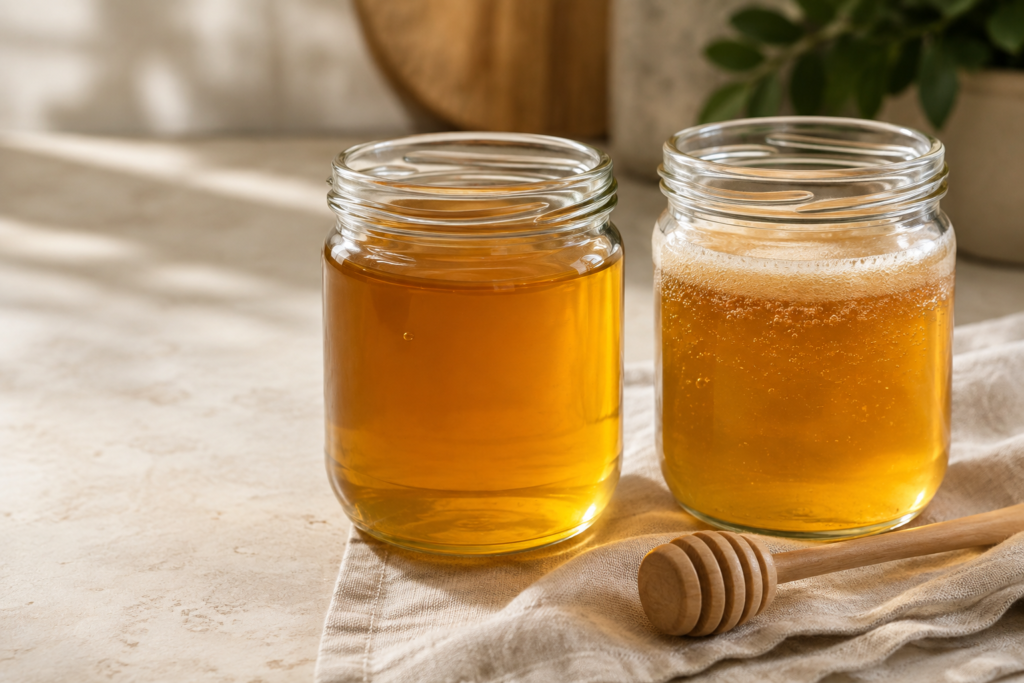
Why Is My Honey Foamy? Bubbles, Wax or Fermentation Explained
THE COMPLETE HONEY FOAM GUIDE Why Is My Honey Foamy? Bubbles, Wax or Fermentation Explained Foam on honey is not automatically spoilage.
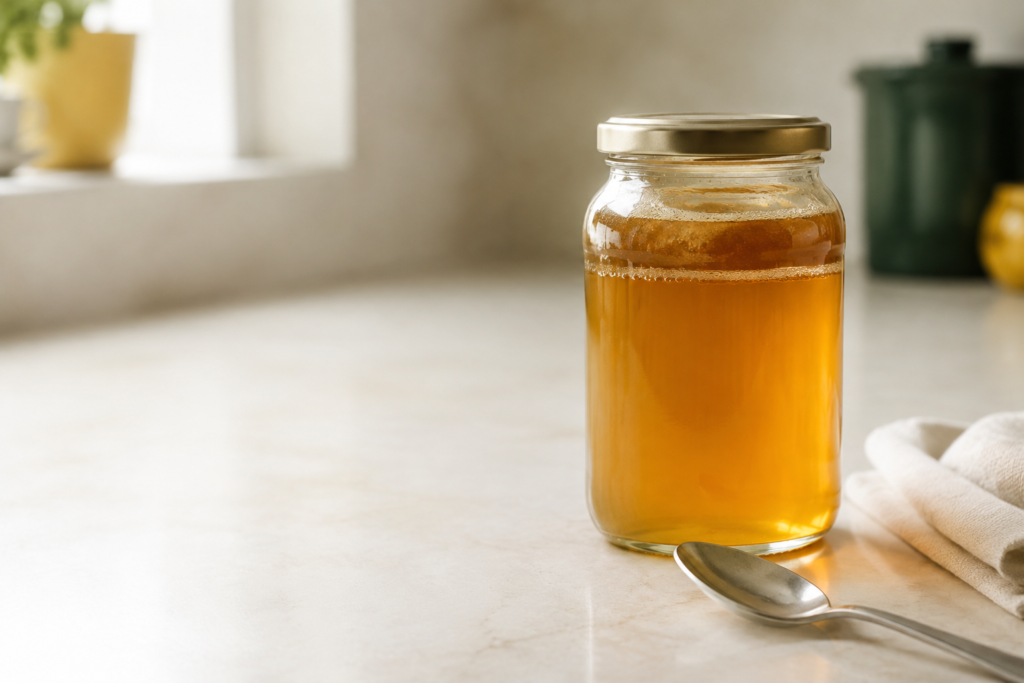
Why Does Honey Ferment? Signs, Causes and Prevention
THE COMPLETE HONEY FERMENTATION GUIDE Why Does Honey Ferment? Signs, Causes and Prevention Unintended honey fermentation usually begins when yeasts can use
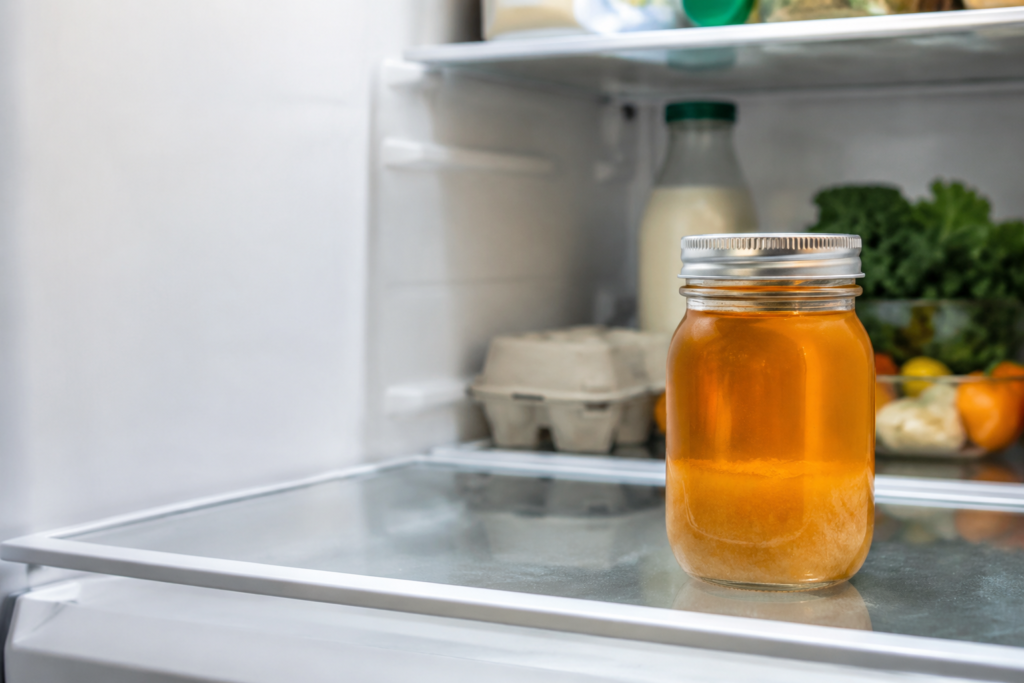
Does Honey Need to Be Refrigerated? What Happens in the Fridge
THE COMPLETE COLD-STORAGE GUIDE Does Honey Need to Be Refrigerated? What Happens in the Fridge Plain honey usually belongs in a dry
Frequently asked questions
Does creamed honey contain cream?
Plain creamed honey normally contains only honey. The name describes its smooth consistency. Always check ingredients because flavored mixtures can contain other foods.
Is creamed honey whipped with air?
Usually no. Traditional creamed honey relies on controlled fine crystallization; careful mixing distributes seed crystals while avoiding excess air.
Is creamed honey the same as crystallized honey?
All creamed honey is crystallized, but not all crystallized honey is creamed. Creaming deliberately manages crystal size and distribution for a smooth result.
Is creamed honey raw?
Not necessarily. Creamed describes texture, while raw describes handling and is not uniformly defined. Ask about filtration and temperature separately.
Why is creamed honey lighter?
Numerous small crystals scatter light, making the honey look opaque and often paler than its liquid starting form.
Can creamed honey go bad?
Honey is highly stable when clean, mature and sealed, but added moisture or contamination can permit fermentation or mold. Texture changes alone are not proof of spoilage.
Can creamed honey become liquid again?
Yes. Heat can melt its crystals. When it cools, it may remain liquid temporarily or crystallize again with a different, sometimes coarser texture.
Is creamed honey healthier than liquid honey?
No universal evidence shows a health advantage from texture alone. Their overall nutrition is broadly similar when they are the same starting honey.
How this creamed honey guide was researched
This guide uses international definitions, technical apiculture guidance and public-health sources. It distinguishes a physical crystal structure from botanical origin, ingredient additions and unsupported health claims.
- Codex Standard for Honey: creamed, creamy or set honey
- FAO: controlled crystallization and seed-honey methods
- FAO: Honey processing and product forms
- FAO AGRIS: crystal size and honey texture
- CDC: Honey before 12 months
Explore honey texture with confidence
Compare creamed honey with ordinary crystallized and liquid honey, learn how storage changes texture, and continue through the global honey library.