
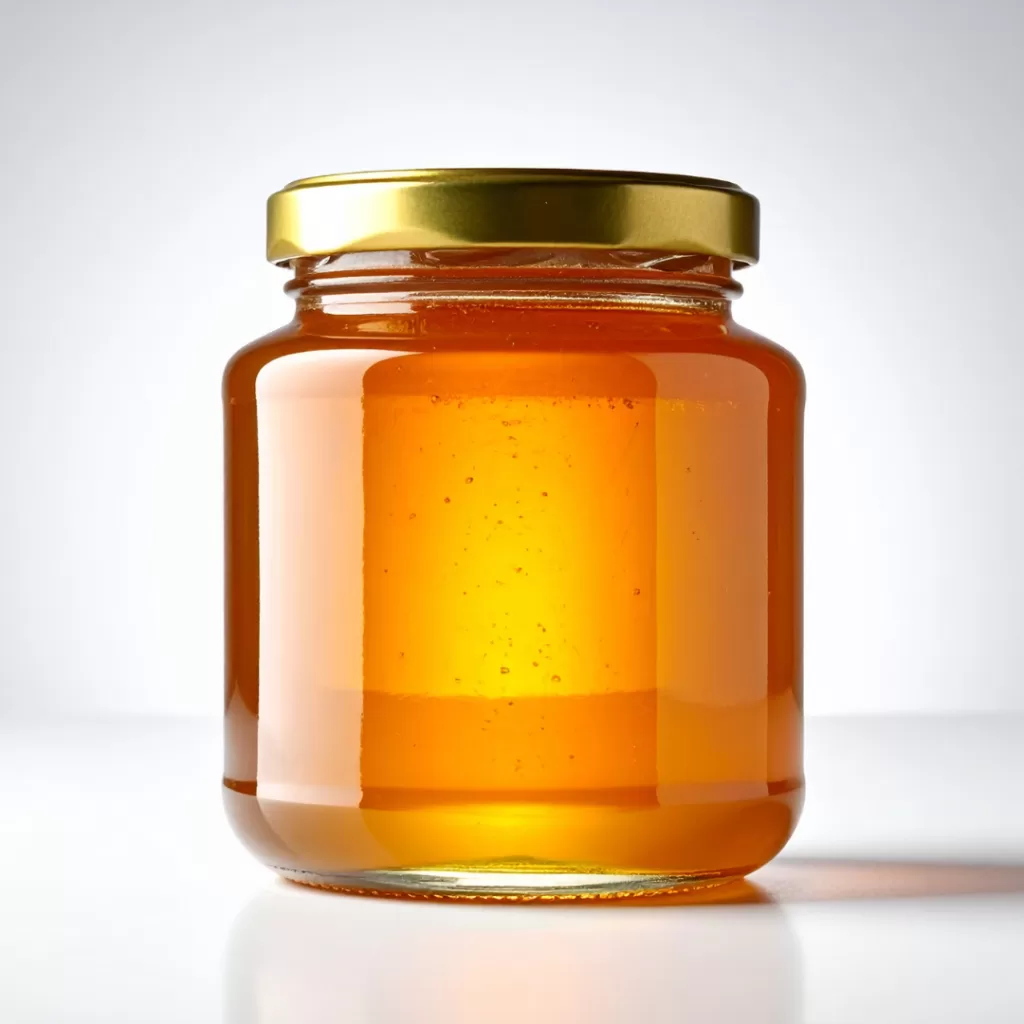
Types of Honey
Types of Honey: A Sweet Journey ๐ฏ
Welcome to our comprehensive guide to the delightful world of honey! ๐ผ From the lush meadows to the enchanting forests, honeybees diligently collect nectar from a variety of blossoms, resulting in an array of unique honey types. Let’s embark on a flavorful journey and explore the diverse varieties of this golden elixir. ๐
Types of Honey:
Description: Wildflower honey, also known as polyfloral honey, is a delightful blend sourced from various wildflowers and blooms. It embodies the essence of nature’s bounty with its nuanced flavors and aromas.
Taste Profile: Light and floral to bold and tangy, depending on the region and floral sources.
Origin: Harvested from the diverse landscapes across the globe.
Description: Clover honey, with its light golden hue, is a beloved favorite among honey enthusiasts. It boasts a mild, sweet taste and is versatile in culinary applications.
Taste Profile: Mild and sweet with subtle floral undertones.
Origin: Derived primarily from clover flower nectar, prevalent in many regions.
Description: Acacia honey is renowned for its pale color and delicate flavor. Sourced from the blossoms of the acacia tree, it offers a gentle sweetness and a hint of floral notes.
Taste Profile: Delicate and mild with a clean, fruity taste.
Origin: Found in regions where acacia trees flourish, such as Europe, North America, and parts of Asia.
Description: Manuka honey, native to New Zealand, is celebrated for its unique antibacterial properties and potential health benefits. It carries a distinct earthy flavor and is prized for its medicinal qualities.
Taste Profile: Rich and earthy with a thick, viscous texture.
Origin: Produced by bees that pollinate the native Manuka bush.
Description: Buckwheat honey stands out with its robust flavor and dark amber color. It offers a complex taste profile reminiscent of molasses and caramel, making it a favorite among honey connoisseurs.
Taste Profile: Bold and intense, with deep, caramel-like undertones.
Origin: Derived from the nectar of buckwheat flowers, often found in late-season blooms.
Description: Orange blossom honey captures the essence of citrus-infused sweetness. It emanates a light, citrusy aroma and delicate flavor, evoking images of sun-kissed groves.
Taste Profile: Light and citrusy with gentle floral notes.
Origin: Pollinated from the fragrant blossoms of orange trees.
Dive into the enchanting world of honey and savor the unique flavors and aromas that each variety has to offer. Whether you prefer the delicate notes of acacia honey or the bold richness of buckwheat honey, there’s a type of honey to suit every taste and occasion.
Indulge in nature’s sweet treasure and explore the diverse spectrum of honey varieties. ๐ Enhance your culinary adventures and embrace the richness of this golden gift from the bees! ๐
Explore More Types of Honey:
๐ฏ Explore the sweet world of honey! ๐ผ Dive into a buzzing adventure as you discover a myriad of honey varieties ๐ from around the globe. ๐ From the robust flavors of wildflower honey ๐ธ to the delicate notes of lavender-infused nectar ๐ฟ, embark on a journey of taste and discovery. ๐ Let your palate savor the richness of nature’s golden treasure! ๐
More From The Hive:

Fir Honey: Flavor, Benefits & Why Greek Fir Honey Is So Unique
Fir honey is one of the most distinctive honey varieties produced in Greece and other mountainous Mediterranean regions. Unlike common floral honeys such as clover or wildflower, fir honey belongs to the honeydew category โ meaning it is produced from tree secretions rather than flower nectar. This difference gives fir
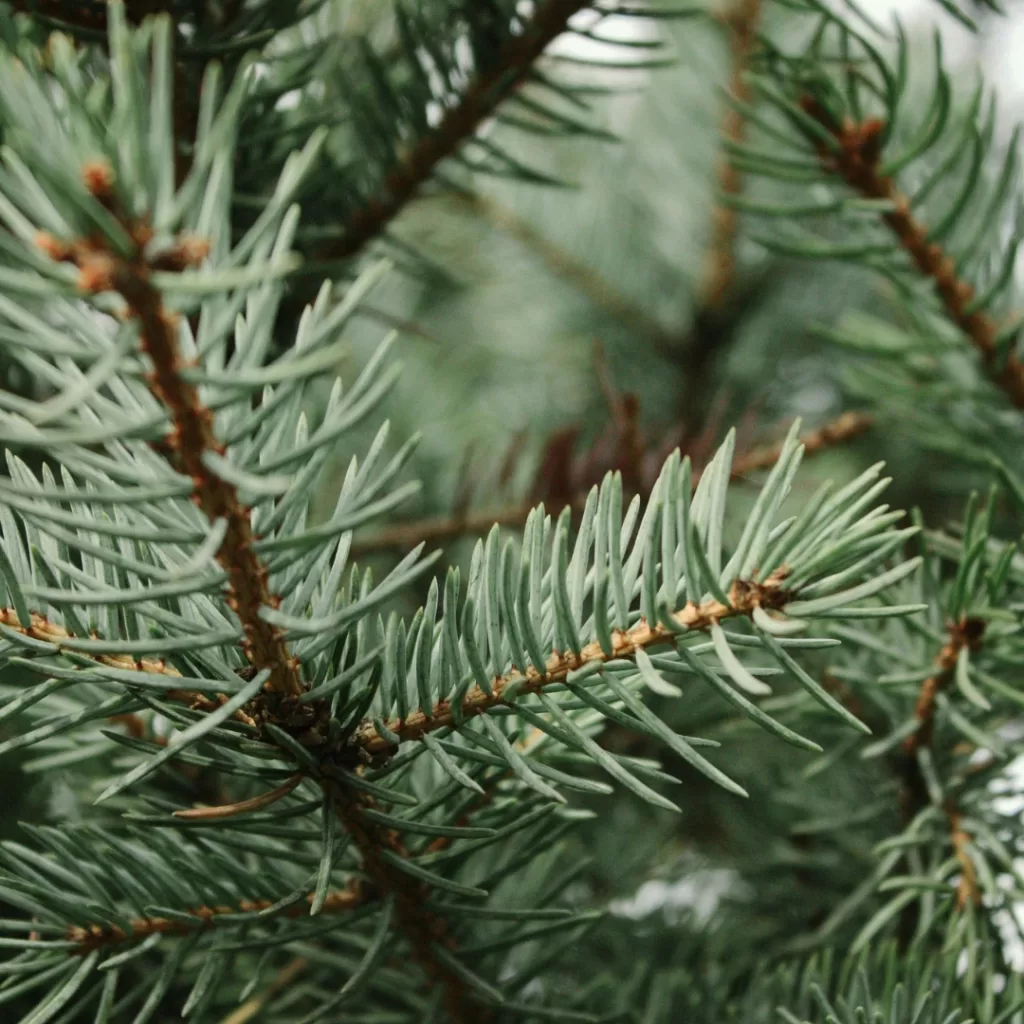
Pine Honey: Benefits, Flavor Profile & Why Greek Pine Honey Is Unique
Pine honey is one of the most distinctive honey varieties in the Mediterranean region. Unlike nectar-based honeys such as clover or thyme honey, pine honey belongs to a special category known as honeydew honey. This difference gives it a darker color, thicker texture, and more complex flavor profile. Greek pine
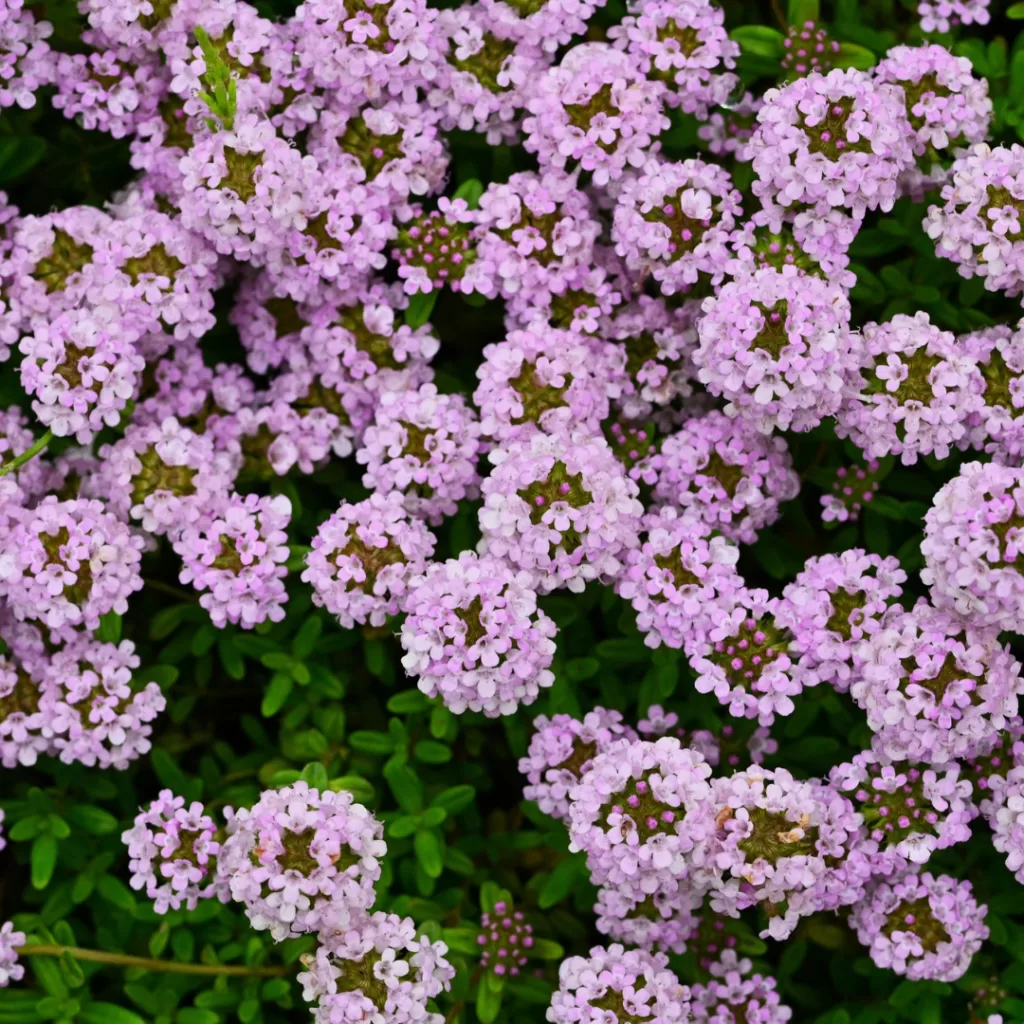
Thyme Honey: Benefits, Flavor Profile & Why Greek Thyme Honey Is So Special
Thyme honey is one of the most aromatic and distinctive honey varieties in the world. Produced primarily in Mediterranean regions โ especially Greece โ this honey develops an intense herbal fragrance and complex flavor profile that sets it apart from milder varieties like clover or wildflower honey. Because wild thyme
Kanuka Honey: Benefits, Uses & How It Compares to Manuka
Introduction Kanuka honey is a native New Zealand honey that is often compared to the more famous Manuka honey. While both originate from closely related plants, Kanuka honey has its own unique properties, flavor profile, and uses. Because Manuka honey dominates global attention, Kanuka honey is sometimes overlooked. However, this
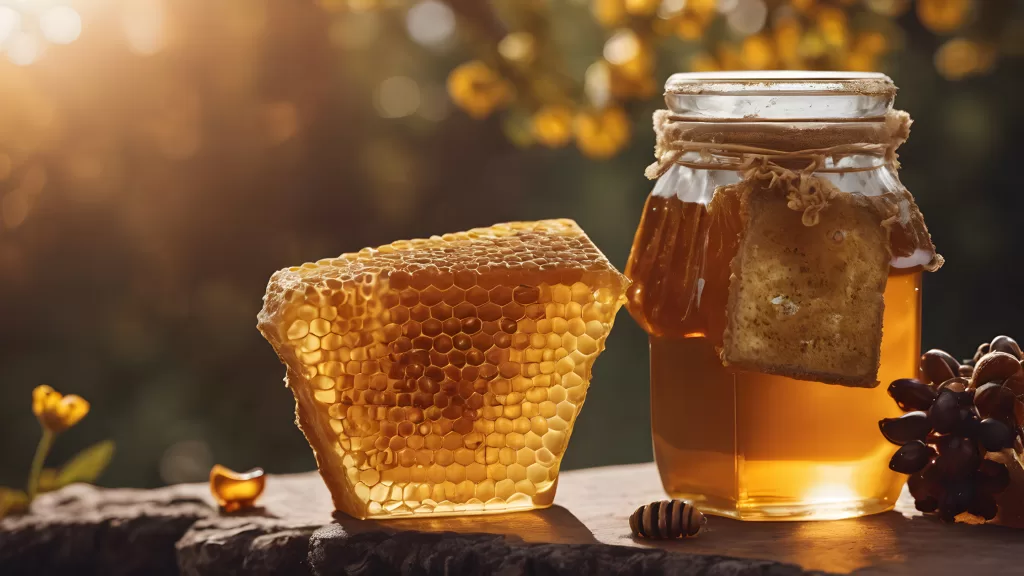
Is Canadian Honey Different from Imported Honey? What You Should Know
Honey is sold all over the world, and jars often look similar on the shelf. But where honey comes from can make a meaningful difference in how it tastes, how it behaves, and how much information you have about its origin. Canadian honey is frequently compared to imported honey, especially
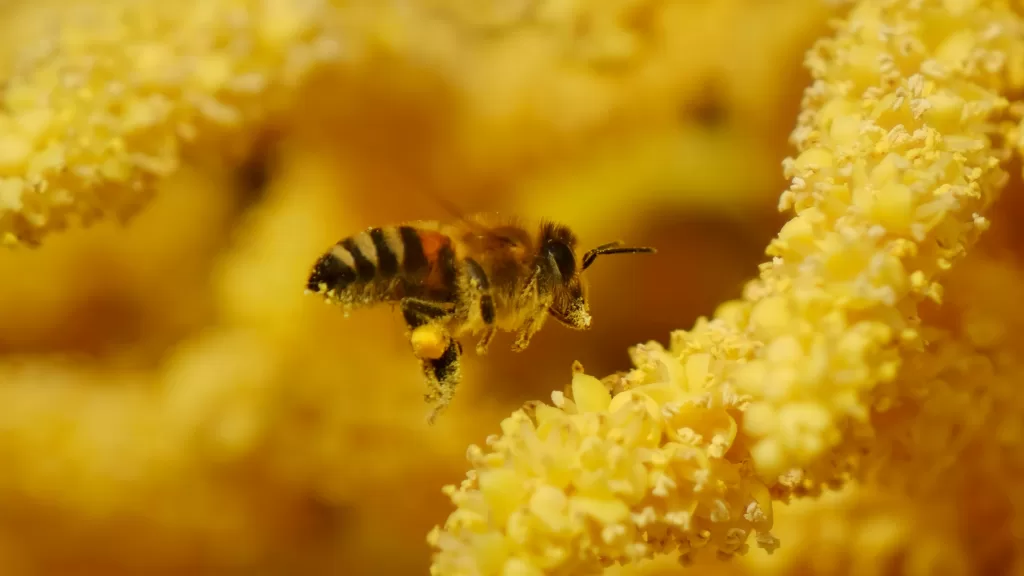
How Climate Affects Honey Production in Canada
Climate plays a major role in how honey is produced, and in a country as large and varied as Canada, climate differences shape everything from honey flavor to texture and harvest timing. Canadian honey is deeply influenced by short growing seasons, cooler temperatures, and regional weather patterns. In this article,