
Honey Before Bed: Sleep Evidence, Cough Relief, Benefits and Risks
Honey before bed is a familiar home ritual, but claims that it “switches on” sleep hormones or guarantees uninterrupted rest go beyond the evidence. Honey may soothe an acute cough for some people over age one, which can indirectly make a difficult night more comfortable.
This guide separates plausible uses from viral claims and explains sugar, dental health, reflux, diabetes, serving context and when persistent sleep problems deserve professional attention.
Honey is food—not a sleep medicine
Honey before bed—claims, evidence and practical context
Contents
Should you take honey before bed?
It may soothe a cough
For most people older than one who can safely eat honey, a small amount is a food choice—not a treatment. The evidence is strongest for short-term relief of cough symptoms, particularly in children with an acute respiratory infection.
It is not a proven sleep aid
Honey can coat and soothe an irritated throat. When coughing is what interrupts sleep, reducing that symptom may improve the night indirectly.
Context matters
There is not enough high-quality research to conclude that ordinary bedtime honey reliably shortens sleep onset, increases deep sleep or prevents waking in otherwise healthy people.
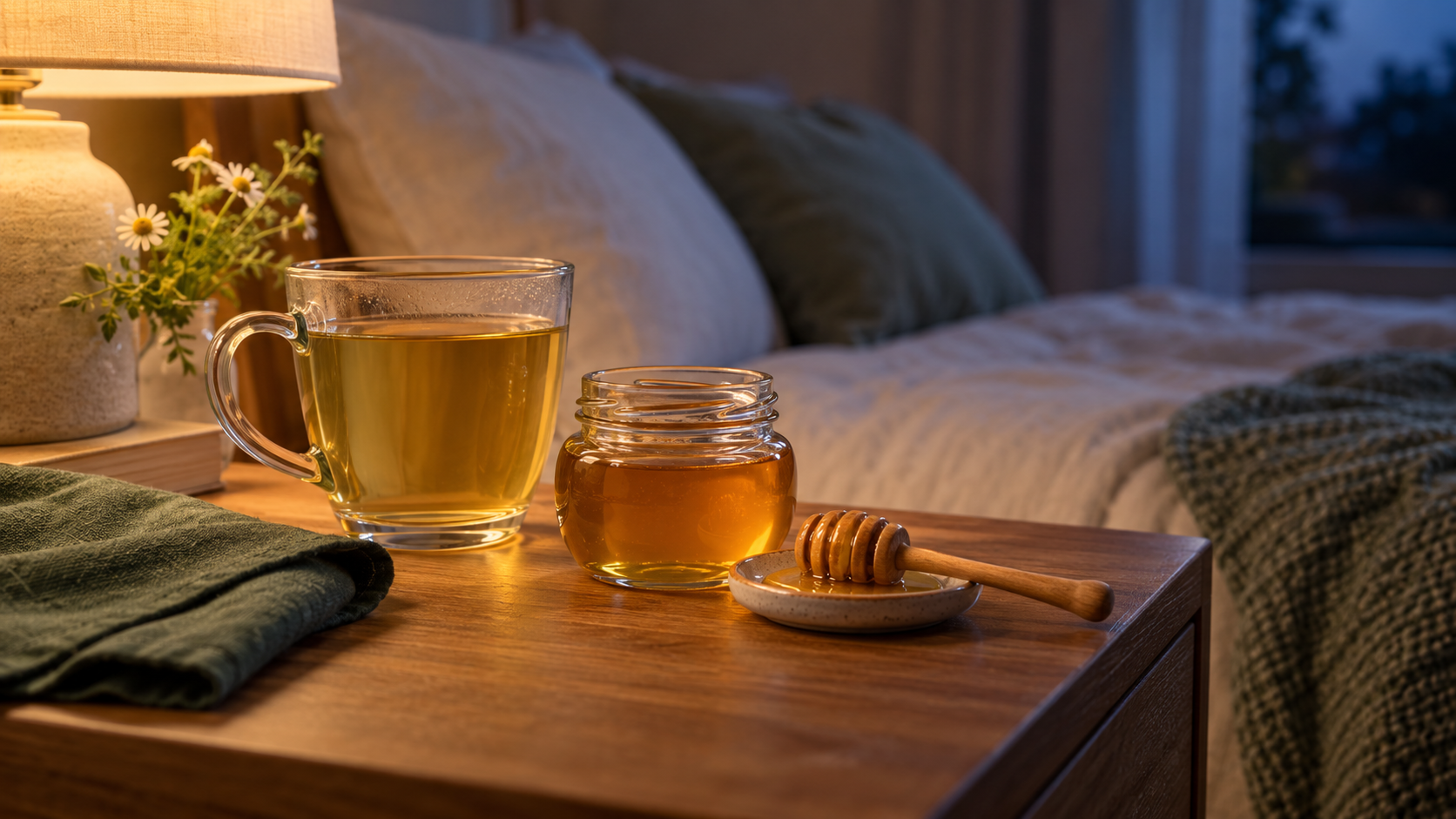
Does honey help you sleep?
Internet explanations often connect honey, liver glycogen, insulin, tryptophan, serotonin or melatonin in a tidy chain. These mechanisms are biologically interesting, but a plausible pathway is not proof that eating honey before bed improves clinically meaningful sleep outcomes.
Honey for nighttime cough and throat comfort
Systematic reviews suggest honey may reduce the frequency or severity of acute cough more than no treatment or placebo in children, although studies are small and do not establish honey as a cure.
What reviews find
If coughing becomes less disruptive, a child or adult may wake less often. That is different from honey acting directly on the brain as a sleep medication.
Why sleep may improve indirectly
Much of the clinical research concerns children older than one with short-lived respiratory infections. Results should not automatically be extended to chronic cough, asthma or unexplained breathing symptoms.
Who the evidence covers
Seek medical guidance for breathing difficulty, chest pain, dehydration, a very unwell person, or a cough that is severe, worsening or persistent.
When a cough needs attention
Honey does not treat the underlying cause of every cough and should not replace prescribed care.
Honey is supportive care
Honey must not be given to infants younger than 12 months because of the risk of infant botulism.
Never for babies
Recruits integrate dance information with memory, weather, resource odor and personal exploration. A dance is influential information, not remote control.
Five common honey-before-bed claims
“Honey releases melatonin.” A meal can affect metabolism, but direct evidence that a bedtime spoonful produces a useful melatonin response and better sleep is lacking.
“It refuels the liver all night.” Honey supplies glucose and fructose. Healthy bodies normally regulate overnight fuel without a special honey ritual.
“It prevents waking at 3 a.m.” Night waking has many causes. Honey has not been shown to reliably prevent it.
“Raw honey works better.” Raw and processed honey can differ, but sleep-specific superiority has not been demonstrated.
“Honey and salt fix insomnia.” This social-media claim lacks convincing clinical support and may add unnecessary sugar or sodium.
Practical ways people use honey at night
A small taste
There is no clinically established bedtime “dose” of honey for sleep. Treat it as a sweetener, not medicine, and use the smallest amount that suits the food or drink.
In a warm drink
A small amount can be taken from a spoon when soothing the throat is the goal. Children must be older than one and supervised appropriately.
With an evening snack
Stir honey into a caffeine-free warm drink. Check that it is comfortably warm—especially for children—and avoid a large drink if nighttime urination disrupts sleep.
Avoid constant sipping
If hunger is disrupting bedtime, honey may be one ingredient in an ordinary balanced snack rather than the entire snack.
Repeatedly sipping a sweet drink prolongs sugar exposure on the teeth. Finish it, rinse with water if desired, and follow normal brushing guidance.
Risks, cautions and who should ask first
Infants under 12 months
Honey can fit many diets, but “natural” does not make it consequence-free. Its sugars contribute energy, affect blood glucose and are considered free sugars for dental-health purposes.
People managing diabetes, reactive hypoglycemia, allergies, swallowing problems, reflux or a medically prescribed diet should use advice tailored to their situation.
Diabetes and glucose management
Do not give honey in any form to a child younger than one—including in food, water, formula or on a pacifier. Cooking or pasteurization does not make ordinary honey appropriate for infants.
Honey, free sugars and dental health
Honey counts as free sugar
The American Dental Association includes sugars naturally present in honey within the definition of free sugars. Oral bacteria can metabolize these sugars and contribute to tooth decay.
Frequency matters
How often teeth encounter sugar matters. Slowly sipping honey tea or returning to it during the night can extend exposure.
Brush after the final food or drink
Make honey the final food or drink before your normal bedtime dental routine rather than consuming it after brushing. Follow guidance from your dental professional.
Keep the image honest
The supporting photograph pairs a measured serving with water and a toothbrush. It communicates portion and oral-care context—not a medical prescription.
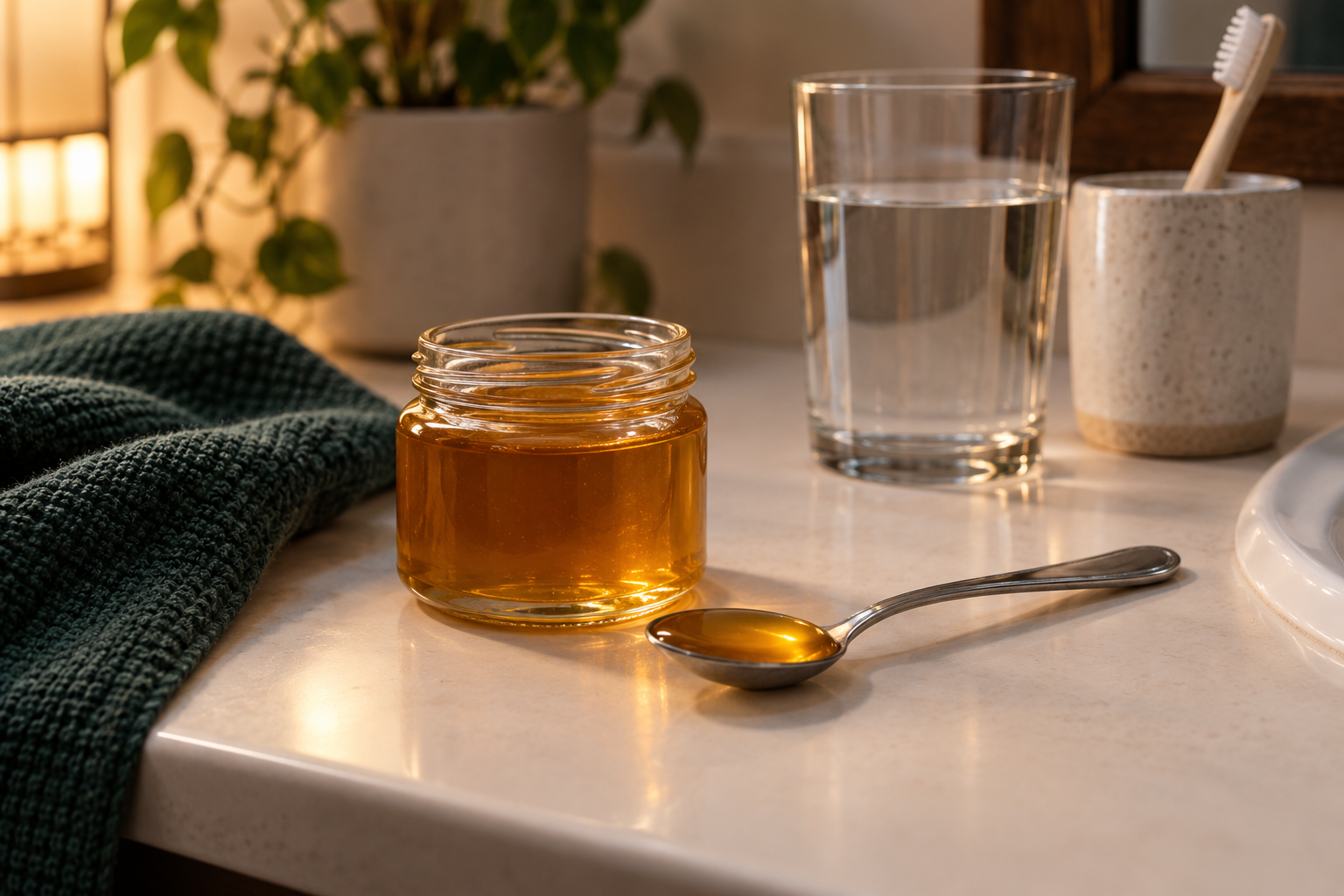
What supports better sleep more reliably
Who might—and might not—find it useful
The same spoonful can have different effects depending on why someone takes it and what health considerations apply.
Acute cough
Possibly useful: an adult or child over one seeking temporary throat comfort during a short-lived cough.
Enjoyable routine
Neutral ritual: someone who enjoys a little honey in caffeine-free tea and accounts for the sugar.
Chronic insomnia
Not a treatment: someone with recurring insomnia or frequent unexplained waking.
Reflux symptoms
Potentially uncomfortable: someone whose symptoms worsen after sweet foods, large drinks or eating close to lying down.
Blood sugar concerns
Needs individualized advice: someone using medication or a plan to manage diabetes or nighttime hypoglycemia.
Children
Age rule: never give honey to a baby under one; for older children, use an age-appropriate amount and avoid hot drinks.
Before making honey a bedtime habit
You want relief from a short-term cough
Honey may offer temporary soothing for adults and children older than one. Monitor symptoms and seek care when warning signs or persistence warrant it.
You want to cure insomnia
Do not expect honey to treat insomnia. Focus on sleep habits and discuss persistent symptoms with a qualified healthcare professional.
You manage diabetes or nighttime lows
Follow your established care plan. Do not add bedtime honey as a preventive treatment without guidance from your healthcare team.
You have reflux or wake to urinate
A late sweet drink or larger volume of fluid may be unhelpful. Timing and individual triggers matter.
You want a comforting evening ritual
A modest amount in a caffeine-free drink can be enjoyed as food, followed by normal dental care.
Relevant honey, nutrition and nighttime-reading guides
Continue with current articles about honey nutrition, cough and throat use, raw honey, storage and evidence-based benefits.
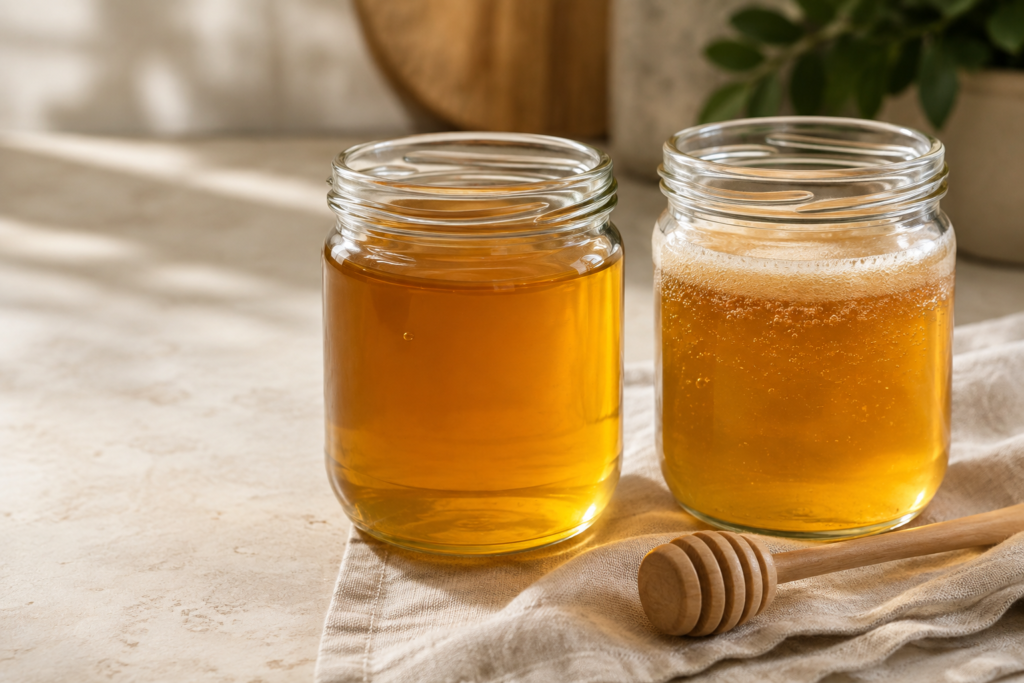
Why Is My Honey Foamy? Bubbles, Wax or Fermentation Explained
THE COMPLETE HONEY FOAM GUIDE Why Is My Honey Foamy? Bubbles, Wax or Fermentation Explained Foam on honey is not automatically spoilage.
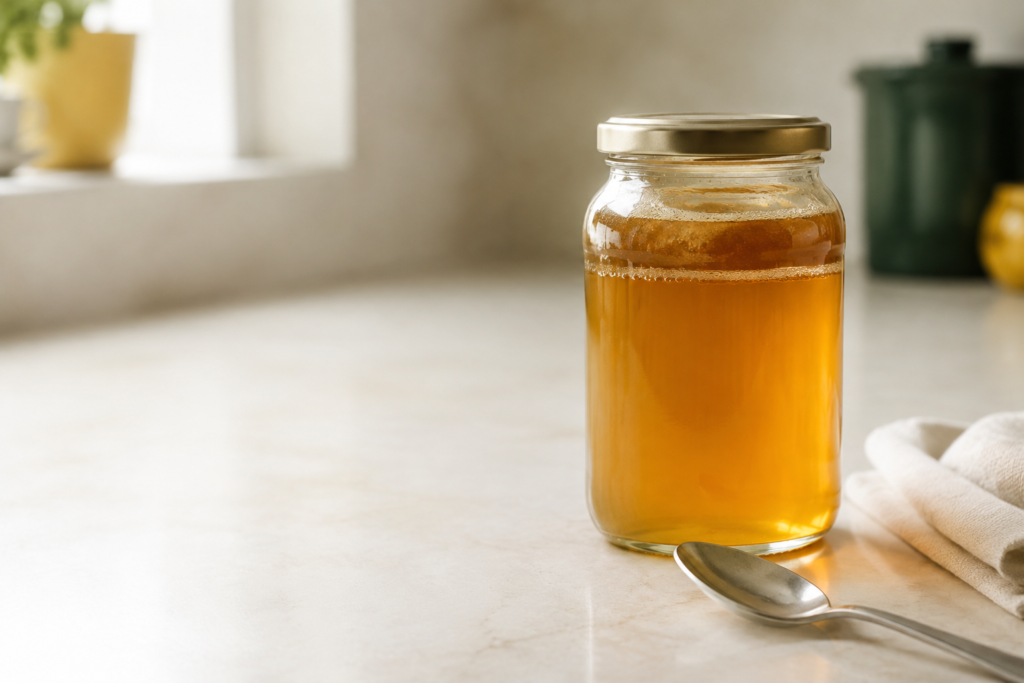
Why Does Honey Ferment? Signs, Causes and Prevention
THE COMPLETE HONEY FERMENTATION GUIDE Why Does Honey Ferment? Signs, Causes and Prevention Unintended honey fermentation usually begins when yeasts can use
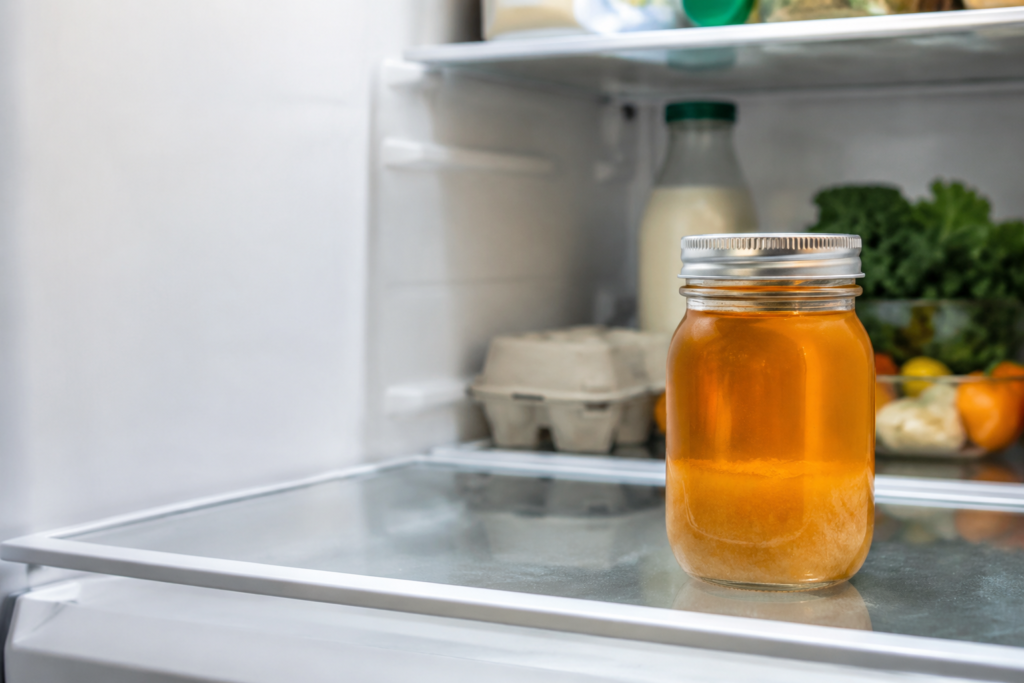
Does Honey Need to Be Refrigerated? What Happens in the Fridge
THE COMPLETE COLD-STORAGE GUIDE Does Honey Need to Be Refrigerated? What Happens in the Fridge Plain honey usually belongs in a dry
Frequently asked questions about honey before bed
Does honey before bed make you sleepy?
Honey is not an established sedative, and evidence that it directly improves sleep is insufficient.
Can honey help a nighttime cough?
It may temporarily reduce acute cough symptoms for some adults and children older than one, which can indirectly reduce sleep disruption.
How much honey should you take before bed?
There is no clinically established sleep dose. If you choose it as food, keep the serving modest and account for its sugar.
Is raw honey better before bed?
No strong sleep-specific evidence shows raw honey works better than other honey.
Can children have honey before bed?
Never give honey to a child younger than 12 months. For older children, use age-appropriate servings and avoid drinks hot enough to burn.
Should you brush your teeth after honey?
Honey contains free sugars. Make it part of the final food or drink before the normal bedtime dental routine rather than taking it after brushing.
Can people with diabetes eat honey at night?
Honey affects blood glucose. Anyone using a diabetes or nighttime-hypoglycemia plan should follow individualized professional advice.
When should sleep problems be evaluated?
Seek professional guidance when sleep difficulty is persistent, affects daytime functioning, or occurs with loud snoring, breathing pauses or other concerning symptoms.
How this honey-before-bed guide was researched
This guide prioritizes systematic reviews and public-health guidance. It distinguishes evidence about acute cough from claims about insomnia and direct sleep enhancement.
- Cochrane: Honey for acute cough in children
- NHS: Respiratory tract infections and honey for cough
- CDC: Honey and infant botulism prevention
- American Dental Association: Nutrition and oral health
- Hive To Honey editorial standards and corrections
Explore honey with evidence in view
Learn what honey contains, how different processing methods change it and where its documented benefits end.