
Types of Honey: The Complete Guide to Honey Varieties Around the World
Honey changes with flowers, forests, climate, season, bee species and handling. A pale acacia honey, citrus-scented orange blossom honey, buttery tupelo honey and bold buckwheat honey can look and taste remarkably different while all meeting the basic identity of honey.
This global guide organizes honey by botanical source, honeydew source, geography, bee species, physical form and processing. Use it to compare flavors, understand labels, choose the right jar and explore detailed Hive To Honey variety guides.
How many types of honey are there?
There is no single worldwide count. Hundreds of named honeys are sold, and local varieties continue to emerge from different nectar plants, honeydew sources and regions. The most useful classification begins with source, then adds place, sensory profile, form and handling.
Quick answer: how many types of honey are there?
There is no single fixed count. Honey changes with the plants bees visit, the region and season, and whether the honey comes mainly from one floral source, many flowers, or honeydew. That creates hundreds of named varieties worldwide—and even jars with the same name can vary from harvest to harvest.
Use this guide as your map: start with flavour and use, then explore source, region, form, and processing.
Build your foundation
Learn more about honey
Processing, quality & authenticity
Your honey shortcut
Mild & versatile: clover or acacia
Floral & fragrant: orange blossom or lavender
Dark & bold: buckwheat or honeydew
Distinctive regional pick: mānuka, tupelo, thyme, or fireweed
On this page
The basics
What makes one honey different from another?
Honey is agricultural: its flavor and texture reflect flowers, landscape, weather, bee forage, handling, and time. Four variables explain most differences.
1. Floral source
2. Place & season
3. Handling
4. Storage
Choose with confidence
The Honey Finder
By flavor
Balanced: clover
Floral: orange blossom
Bold: buckwheat or honeydew
By use
Tea: acacia
Baking: buckwheat
Cheese boards: thyme or chestnut
By texture
Spreadable: creamed honey
Whole-hive experience: comb honey
By curiosity
Forest style: honeydew
Delicate rarity: fireweed
Citrus aroma: orange blossom
Start tasting
10 honey varieties worth knowing
These varieties give you a useful range of light, floral, fruity, herbal, malty, and robust flavors.
Clover Honey
Wildflower Honey
Acacia Honey
Pale, delicate, and slow to crystallize. Useful when you want sweetness without overpowering other flavors.
Orange Blossom Honey
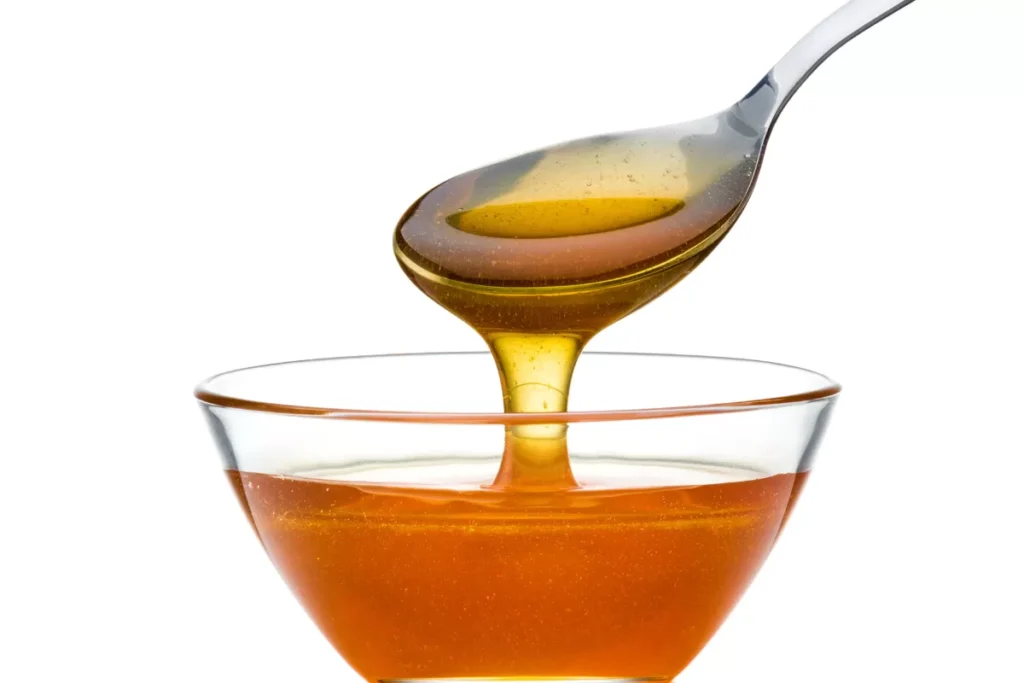
Mānuka Honey
Buckwheat Honey
Thyme Honey
A Mediterranean favorite with a fragrant herbal character and a long, distinctive finish.
Honeydew Honey
Fireweed Honey
Tupelo Honey
At a glance
Honey variety comparison table
| Honey | Typical flavor | Color | Crystallization | Great starting use |
|---|---|---|---|---|
| Clover | Mild, clean | Light amber | Medium | Everyday sweetening |
| Wildflower | Varies by harvest | Light to dark | Varies | Tasting local terroir |
| Acacia | Delicate, vanilla-like | Very pale | Slow | Tea and yogurt |
| Orange blossom | Floral, citrusy | Light | Medium | Desserts and dressings |
| Mānuka | Earthy, herbal | Medium to dark | Medium | Distinctive tasting |
| Buckwheat | Malty, robust | Very dark | Medium | Baking and marinades |
| Thyme | Herbal, aromatic | Amber | Medium | Cheese and breads |
| Honeydew | Malty, resinous | Dark | Often slow | Savoury pairings |
| Fireweed | Delicate, floral | Very pale | Medium | Toast and tea |
| Tupelo | Floral, buttery | Golden | Slow | Finishing and tasting |
Profiles are typical, not guarantees. Weather, region, harvest, and handling can change any jar.
Learn the language
Monofloral, polyfloral & honeydew honey
Monofloral honey
Polyfloral honey
Honeydew honey
Beyond the flower
Honey forms & processing explained
Raw honey
Filtered vs. unfiltered
Pasteurized honey
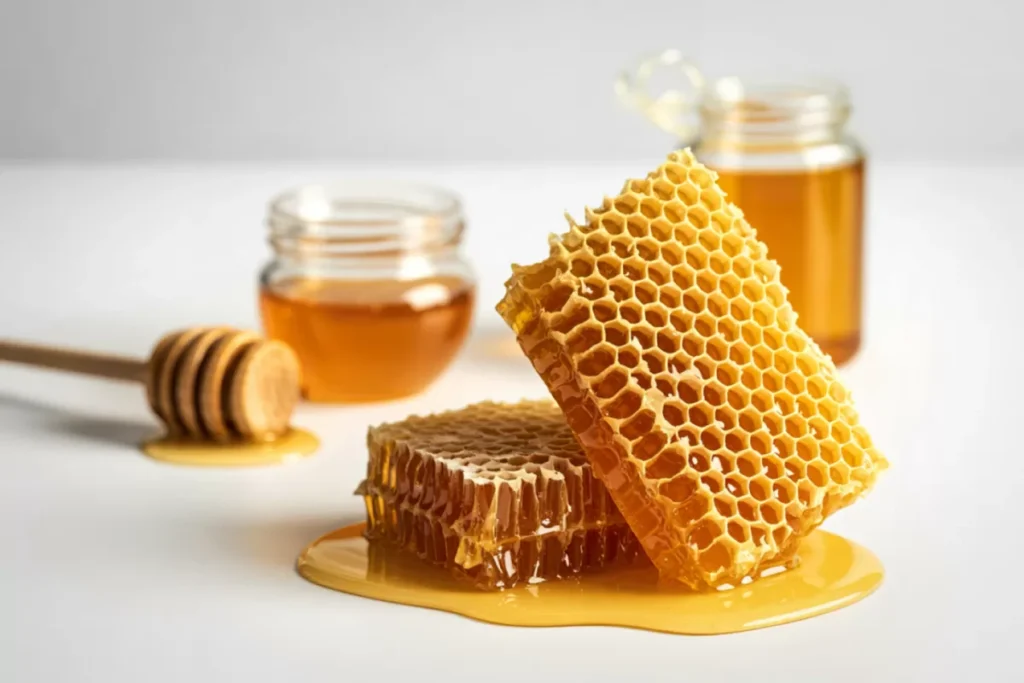
Comb honey
Creamed honey
Crystallized honey
Taste the map
Explore honey by country & region
Canada
United States
Australia
New Zealand
Greece
Around the world
Go deeper
More honey variety guides
Forest & Canadian specialties
The reference shelf
Complete honey variety index
Wildflower Honey
Wildflower honey is derived from the nectar of various wildflowers, making it a diverse and richly flavored honey. Its taste can range from mild and floral to robust and earthy, depending on the wildflowers present in the region.
Clover Honey
Clover honey is one of the most common and widely available honey varieties. It is light in color, has a mild, sweet taste, and a subtle floral aroma. Clover honey is often used as a versatile sweetener and is popular in baking and cooking.
Orange Blossom Honey
Orange blossom honey is produced from the fragrant blossoms of orange trees. It has a distinct citrus aroma and a delicate, fruity flavor. This honey variety is cherished for its light golden color and pairs well with teas and desserts.
Acacia Honey
Acacia honey comes from the nectar of the blossoms of acacia trees. It is prized for its light color, clear appearance, and mild, floral taste. Acacia honey is known for its slow crystallization and remains liquid for extended periods.
Lavender Honey
Lavender honey is derived from bees that collect nectar from lavender flowers. It exhibits a unique floral aroma with a delicate, sweet taste. Lavender honey is often enjoyed drizzled over desserts or used in tea.
Eucalyptus Honey
An aromatic honey with herbal or menthol-like notes that vary by eucalyptus species and region. Popular in tea and savoury glazes.
Manuka Honey
A bold New Zealand honey with earthy, herbal notes. Look for clearly stated origin and recognized grading marks; grades describe composition and are not medical promises.
Buckwheat Honey
Buckwheat honey is a dark-colored honey with a robust, molasses-like flavor. It is produced from the nectar of buckwheat flowers and has a strong, distinctive taste that is often described as bold and malty.
Tupelo Honey
Tupelo honey is sourced from the blossoms of the tupelo tree, primarily found in the southeastern United States. It has a light golden color, a mild, buttery flavor, and a hint of floral sweetness. Tupelo honey is highly sought after for its unique taste and slow crystallization.
Chestnut Honey
Chestnut honey is a dark amber honey with a robust, slightly bitter flavor. It is harvested from the nectar of chestnut tree blossoms and often has a tannic undertone. Chestnut honey pairs well with strong cheeses and is commonly used in savory dishes.
Heather Honey
Heather honey originates from the nectar of heather plants found in moorlands and high-altitude regions. It is dark in color, with a distinctive, strong, and slightly tangy flavor. Heather honey has a thick, syrupy consistency and is highly regarded for its unique taste.
Leatherwood Honey
Leatherwood honey is produced in Tasmania, Australia, from the blossoms of the endemic leatherwood tree. It has a rich, complex flavor with hints of spice and a floral aroma. Leatherwood honey is prized for its rarity and unique taste.
Blueberry Honey
Blueberry honey is made by bees that collect nectar from blueberry blossoms. It has a light amber color, a delicate sweetness, and subtle fruity notes. Blueberry honey is often used as a topping for pancakes, yogurt, or desserts.
Sourwood Honey
Sourwood honey is primarily found in the Appalachian Mountains of the United States. It has a light amber color, a tangy and mildly sweet taste, and a pleasant caramel-like aftertaste. Sourwood honey is highly regarded for its distinct flavor profile.
Sunflower Honey
Sunflower honey is derived from the nectar of sunflower blooms. It has a light to medium amber color, a mild, delicate taste, and a subtle floral aroma. Sunflower honey is commonly used as a table honey and in baking recipes.
Rhododendron Honey
A floral honey that requires care: honey from some rhododendron species can contain grayanotoxins. Choose regulated, traceable products from reputable sellers.
Linden Honey
Linden honey, also known as basswood honey, comes from the fragrant blossoms of linden trees. It has a light amber color, a delicate floral aroma, and a fresh, slightly minty taste. Linden honey is cherished for its pleasant flavor and soothing qualities.
Raspberry Honey
Raspberry honey is derived from the nectar of raspberry blossoms. It has a light to medium amber color and a delicate, fruity flavor with hints of raspberry essence. Raspberry honey is often enjoyed as a spread or drizzled over desserts.
Alfalfa Honey
Alfalfa honey is made from the nectar of alfalfa plants. It has a light color, a mild, clean taste, and a hint of grassy undertones. Alfalfa honey is commonly used as a table honey and is prized for its versatility.
Sage Honey
Sage honey is produced by bees that collect nectar from sage plants. It has a light to medium amber color, a robust herbal flavor, and a hint of spiciness. Sage honey is popular for its distinct taste and is often used in savory recipes and herbal remedies.
Avocado Honey
Avocado honey is derived from the blossoms of avocado trees. It has a dark amber color, a rich, buttery flavor, and a hint of molasses. Avocado honey pairs well with cheeses and is prized for its unique taste.
Macadamia Honey
Macadamia honey is sourced from the blossoms of macadamia nut trees. It has a light color, a smooth, nutty flavor, and a creamy texture. Macadamia honey is often enjoyed as a gourmet delicacy and is used in baking and confections.
Cotton Honey
Cotton honey is produced when bees collect nectar from the flowers of cotton plants. It has a light color, a mild, delicate taste, and a hint of floral sweetness. Cotton honey is primarily found in regions where cotton cultivation is prevalent.
Multifloral Honey
Multifloral honey, also known as wild honey or mixed flower honey, is produced from the nectar of various flowers without a predominant source. It exhibits a diverse range of flavors, aromas, and colors, representing the local flora and foraging habits of the bees.
Coriander Honey
Coriander honey is made from the nectar of coriander flowers. It has a light to medium amber color, a delicate floral aroma, and a mild, sweet taste with subtle hints of spice. Coriander honey is prized for its unique flavor and pairs well with herbal teas.
Citrus Honey
Citrus honey encompasses a variety of honey types derived from the nectar of citrus blossoms such as lemon, lime, and grapefruit. Each citrus honey has its own distinctive flavor profile, ranging from tangy and citrusy to floral and sweet.
Coffee Blossom Honey
Coffee blossom honey is produced from the flowers of coffee plants. It has a light to medium amber color, a mild, floral aroma, and a nuanced flavor that can carry subtle notes of coffee and caramel. Coffee blossom honey is a specialty honey appreciated for its connection to the coffee industry.
Kanuka Honey
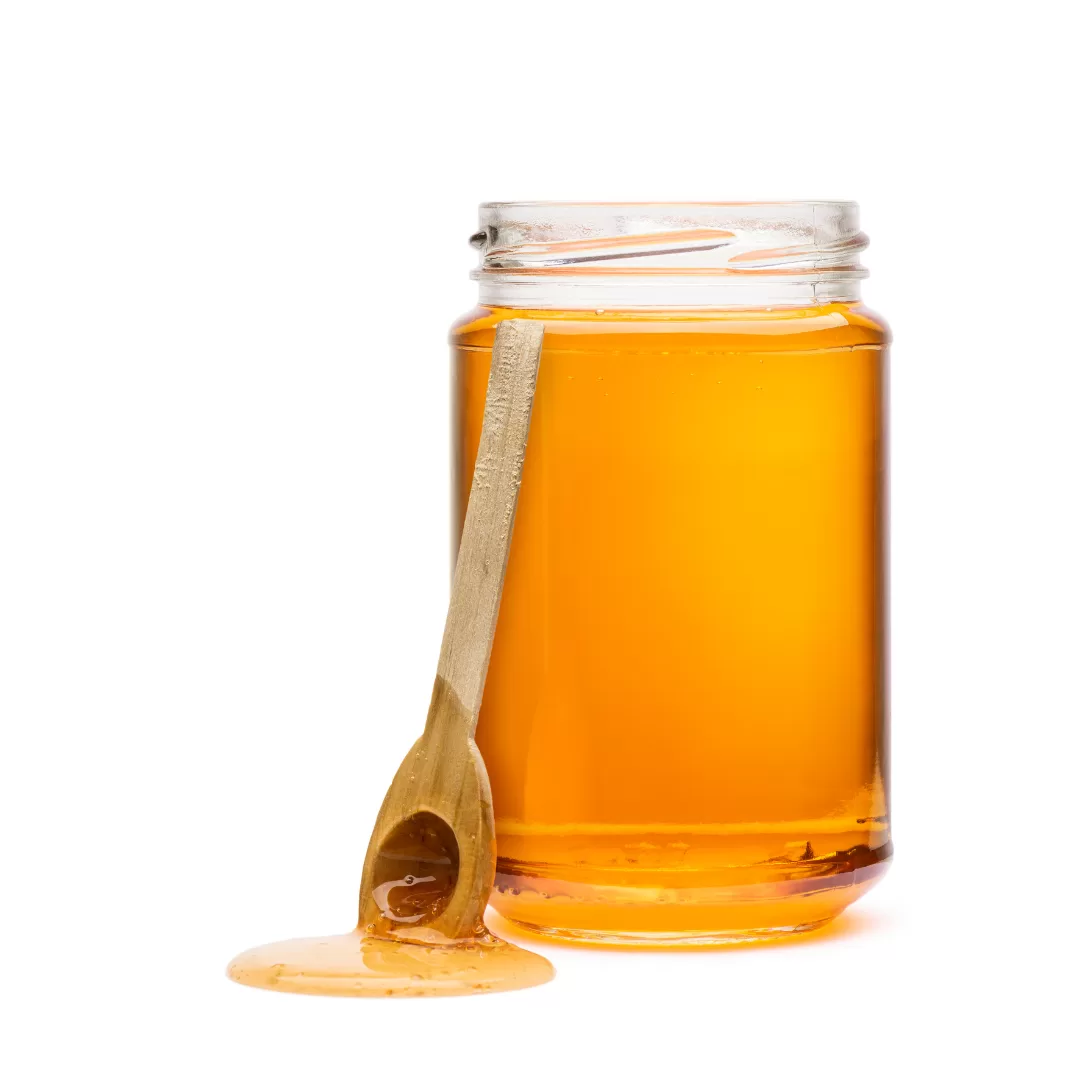
A New Zealand honey with a warm herbal flavour, often compared with mānuka but produced from kānuka blossoms.
Rosemary Honey
Rosemary honey is made from the nectar of rosemary flowers. It has a light amber color, a distinct herbal aroma, and a sweet, mildly floral taste with hints of rosemary flavor. Rosemary honey is often used in savory dishes, marinades, and herbal remedies.
Fir Honey
Usually a dark honeydew honey rather than blossom honey. Bees collect sweet secretions associated with fir forests, producing a malty, resinous profile.
Buckthorn Honey
Buckthorn honey is derived from the nectar of buckthorn flowers. It has a light to medium amber color, a mild, fruity taste, and a hint of tartness. Buckthorn honey is known for its pleasant flavor and is often used in culinary applications and natural remedies.
Pumpkin Blossom Honey
Pumpkin blossom honey is produced from the flowers of pumpkin plants. It has a light color, a mild, floral taste, and a subtle hint of pumpkin essence. Pumpkin blossom honey is enjoyed for its delicate flavor and versatility in various culinary creations.
Tualang Honey
A Malaysian forest honey collected from giant honey bee colonies. It is typically dark, complex, and strongly flavoured; buy from traceable sellers.
Cactus Honey
Cactus honey, also known as prickly pear honey, is derived from the nectar of cactus flowers. It has a light to medium amber color, a unique, delicate flavor, and a subtle hint of fruitiness. Cactus honey is often found in arid regions and is valued for its rarity.
Kiawe Honey
Kiawe honey comes from the nectar of kiawe trees (Prosopis pallida) found in Hawaii. It has a light color, a smooth, buttery taste, and a mild, floral aroma. Kiawe honey is treasured for its exquisite flavor and is often enjoyed as a gourmet honey.
Mesquite Honey
Mesquite honey is produced from the nectar of mesquite tree blossoms. It has a rich, amber color, a bold, smoky flavor, and a distinctive caramelized taste. Mesquite honey is commonly found in arid regions and is prized for its unique profile.
Ulmo Honey
Ulmo honey is sourced from the blossoms of the ulmo tree (Eucryphia cordifolia) native to Chile. It has a light amber color, a floral aroma with hints of vanilla, and a sweet, slightly spicy taste. Ulmo honey is highly regarded for its distinct flavor and is a sought-after specialty honey.
Cherry Blossom Honey
Cherry blossom honey is made from the nectar of cherry tree blossoms. It has a light color, a delicate, floral flavor, and a subtle hint of cherry essence. Cherry blossom honey is often associated with springtime and is prized for its ephemeral availability.
Lychee Honey
Lychee honey is derived from the nectar of lychee tree blossoms. It has a light to medium amber color, a tropical, fruity flavor, and a pleasant floral aroma. Lychee honey is enjoyed for its unique taste and is often used as a sweetener in desserts and beverages.
Dandelion Honey
Dandelion honey is produced from the nectar of dandelion flowers. It has a light golden color, a sweet, floral taste, and a mild, earthy undertone. Dandelion honey is appreciated for its delicate flavor and is sometimes used as a natural remedy.
Honeydew Honey
Made when bees collect sweet plant or insect secretions rather than floral nectar. Often dark, less sweet, and malty or resinous.
Sour Cherry Honey
Sour cherry honey is produced from the nectar of sour cherry tree blossoms. It has a light to medium amber color, a tart, fruity flavor, and a slightly acidic taste. Sour cherry honey is sought after for its unique tanginess and is often used in desserts and culinary creations.
Carob Honey
Carob honey is sourced from the blossoms of carob trees. It has a dark amber color, a distinct, rich flavor reminiscent of caramel or molasses, and a slightly bitter taste. Carob honey is appreciated for its robust character and is used in both sweet and savory dishes.
Black Locust Honey
Black locust honey is produced from the nectar of black locust tree blossoms. It has a light color, a delicate, mildly sweet taste, and a subtle floral aroma. Black locust honey is prized for its clarity and is often used as a table honey or in baking recipes.
Strawberry Tree Honey
Strawberry tree honey, also known as arbutus honey, is derived from the blossoms of the strawberry tree. It has a dark amber color, a strong, slightly bitter taste, and a rich, woody aroma. Strawberry tree honey is highly regarded for its unique flavor and is found in certain regions of the world.
Rose Honey
Rose honey is made from the nectar of rose flowers. It has a light color, a delicate floral taste, and a pleasant aroma reminiscent of roses. Rose honey is often used as a gourmet delicacy, added to desserts, or enjoyed as a natural sweetener.
Cranberry Honey
Cranberry honey is derived from the nectar of cranberry blossoms. It has a light to medium amber color, a tangy, slightly tart flavor, and a hint of cranberry essence. Cranberry honey is often used as a sweetener in cranberry-based recipes or enjoyed as a unique table honey.
Meadowfoam Honey
Meadowfoam honey is produced from the nectar of meadowfoam flowers. It has a light golden color, a delicate, vanilla-like flavor, and a creamy, buttery texture. Meadowfoam honey is highly regarded for its sweet, unique taste and is often used in gourmet desserts and confections.
Fireweed Honey
Fireweed honey is made from the nectar of fireweed flowers. It has a light color, a delicate, floral taste, and a hint of spiciness. Fireweed honey is often sought after for its purity and is typically found in regions with fireweed blooms.
Apple Blossom Honey
Apple blossom honey is produced from the nectar of apple tree blossoms. It has a light color, a sweet, fruity flavor, and a delicate floral aroma. Apple blossom honey is commonly used as a natural sweetener and pairs well with various culinary creations.
Pear Honey
Pear honey is derived from the nectar of pear tree blossoms. It has a light golden color, a subtle, sweet flavor, and a hint of pear essence. Pear honey is appreciated for its delicate taste and can be enjoyed on its own or used in recipes.
Mangrove Honey
Mangrove honey is sourced from the nectar of flowers found in mangrove forests. It has a dark amber color, a robust, earthy flavor, and a unique, caramel-like sweetness. Mangrove honey is cherished for its distinct taste and is often used in traditional remedies.
Hawthorn Honey
A comparatively uncommon blossom honey with a strong floral aroma and a lingering, sometimes slightly bitter finish.
Palm Honey
Important distinction: products sold as palm honey may be concentrated palm sap rather than honey made by bees. Check the ingredient list and local labelling rules.
Tamarind Honey
Tamarind honey is produced from the nectar of tamarind tree blossoms. It has a deep amber color, a tangy, slightly sour flavor, and a unique fruity taste. Tamarind honey is used in various culinary applications, particularly in Asian cuisines.
Beechwood Honey
A New Zealand honeydew honey with dark colour and malty, mineral notes; it is not made from beech blossoms.
Lime Blossom Honey
Lime blossom honey is produced from the nectar of lime tree blossoms. It has a light color, a delicate, citrusy flavor, and a subtle floral aroma. Lime blossom honey is valued for its refreshing taste and is often used as a natural sweetener.
Oak Honey
Oak honey is derived from the nectar of oak tree blossoms. It has a dark amber color, a robust, intense flavor, and a distinctively strong aroma. Oak honey is appreciated for its bold taste and is often sought after by honey enthusiasts.
Lemon Blossom Honey
Lemon blossom honey is made from the nectar of lemon tree blossoms. It has a light color, a tangy, citrusy flavor, and a refreshing aroma. Lemon blossom honey is often used as a natural sweetener and is popular for its bright, zesty taste.
Pomegranate Honey
Pomegranate honey is made from the nectar of pomegranate flowers. It has a dark amber color, a sweet, tangy flavor, and a rich, fruity aroma. Pomegranate honey is enjoyed for its distinct taste and is used in both sweet and savory recipes.
Walnut Honey
Walnut honey is sourced from the nectar of walnut tree blossoms. It has a medium to dark amber color, a robust, nutty flavor, and a slightly bitter aftertaste. Walnut honey is appreciated for its intense taste and is often used as a gourmet honey.
Mustard Honey
Mustard honey is made from the nectar of mustard plant blossoms. It has a light color, a bold, tangy flavor, and a hint of spiciness. Mustard honey is prized for its unique taste and is often used in marinades, dressings, and sauces.
Sainfoin Honey
Sainfoin honey is sourced from the nectar of sainfoin, a legume plant. It has a light amber color, a delicate, floral flavor, and a smooth, creamy texture. Sainfoin honey is appreciated for its mild taste and is often enjoyed as a table honey.
Quince Honey
Quince honey is produced from the nectar of quince tree blossoms. It has a light to medium amber color, a sweet, fruity flavor, and a pleasant, floral aroma. Quince honey is commonly used in desserts, jams, and preserves.
Basil Honey
Basil honey is derived from the nectar of basil flowers. It has a light golden color, a distinctive, herbal flavor, and a fresh, aromatic scent. Basil honey is cherished for its unique taste and is often used in culinary dishes, teas, and cocktails.
Marjoram Honey
Marjoram honey is made from the nectar of marjoram flowers. It has a light to medium amber color, a sweet, floral taste, and a pleasant, fragrant aroma. Marjoram honey is enjoyed for its delicate flavor and is used in various culinary applications.
Saffron Honey
Saffron honey is sourced from the nectar of flowers in saffron crocus plants. It has a light color, a subtle, floral flavor with hints of saffron, and a delicate sweetness. Saffron honey is highly prized for its exquisite taste and is often used in gourmet recipes and desserts.
Bluegum Honey
Bluegum honey is made from the nectar of bluegum, or eucalyptus, tree blossoms. It has a medium amber color, a bold, robust flavor with a hint of menthol, and a slightly woody aroma. Bluegum honey is sought after for its strong taste and is often used in baked goods and herbal remedies.
Blackberry Honey
Blackberry honey is derived from the nectar of blackberry blossoms. It has a medium amber color, a sweet, fruity flavor with hints of berry, and a pleasant floral aroma. Blackberry honey is enjoyed for its delightful taste and can be used as a natural sweetener or drizzled over desserts.
Lucerne Honey
Lucerne honey, also known as alfalfa honey, is made from the nectar of lucerne, or alfalfa, plant blossoms. It has a light color, a mild, delicate flavor, and a hint of herbal notes. Lucerne honey is often used as a table honey and is prized for its smooth taste.
Melilot Honey
Melilot honey is produced from the nectar of melilot, or sweet clover, plant blossoms. It has a light to medium amber color, a sweet, floral flavor, and a mild herbal aroma. Melilot honey is appreciated for its delicate taste and is often used in teas and baked goods.
Elderflower Honey
Elderflower honey is made from the nectar of elderflower blossoms. It has a light color, a delicate, floral flavor with hints of citrus, and a fragrant aroma. Elderflower honey is prized for its unique taste and is often used in desserts, herbal teas, and cocktails.
Persimmon Honey
Persimmon honey is produced from the nectar of persimmon tree blossoms. It has a light to medium amber color, a sweet, fruity flavor with hints of caramel, and a pleasant aroma. Persimmon honey is highly regarded for its unique taste and can be enjoyed on its own or used as a natural sweetener.
Rapeseed Honey
Rapeseed honey is sourced from the nectar of rapeseed, or canola, plant blossoms. It has a light golden color, a mild, buttery flavor, and a smooth texture. Rapeseed honey is enjoyed for its pleasant taste and is commonly used as a table honey and in baking.
Clary Sage Honey
Clary sage honey is produced from the nectar of clary sage plant blossoms. It has a light to medium amber color, a delicate, herbal flavor with hints of mint and earthiness, and a pleasant aroma. Clary sage honey is treasured for its unique taste and can be used in herbal teas or as a natural sweetener.
Palmira Honey
Palmira honey is made from the nectar of palmira, or toddy palm, blossoms. It has a light golden color, a rich, caramel-like flavor with hints of molasses, and a thick, viscous consistency. Palmira honey is enjoyed for its unique taste and is often used as a sweetener or in traditional desserts and sweets.
Hibiscus Honey
Hibiscus honey is produced from the nectar of hibiscus flowers. It has a light to medium amber color, a delicate, floral flavor with hints of citrus, and a pleasant aroma. Hibiscus honey is cherished for its delightful taste and can be used in teas, cocktails, or drizzled over fruit salads.
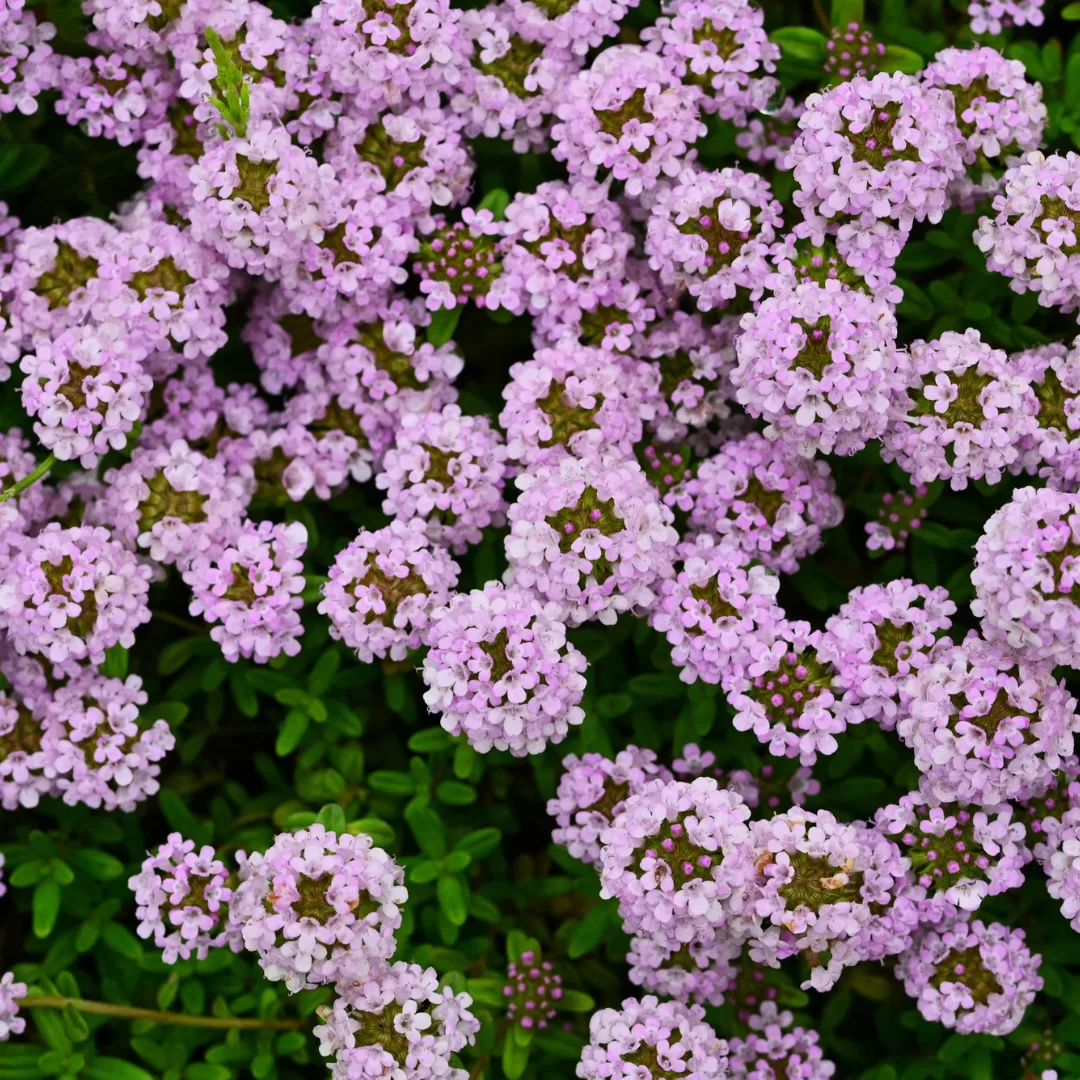
Thyme Honey
Thyme honey is sourced from the nectar of thyme flowers. It has a light to medium amber color, a robust, herbal flavor with hints of mint and a slightly earthy undertone, and a pleasant aroma. Thyme honey is highly regarded for its savory taste and can be used in marinades, dressings, or paired with cheese and charcuterie.
Mahogany Honey
Mahogany honey is sourced from the nectar of mahogany tree blossoms. It has a dark amber color, a rich, woody flavor with hints of molasses and spices, and a robust aroma. Mahogany honey is highly regarded for its intense taste and pairs well with strong cheeses and dark chocolate.
Mint Honey
Mint honey is made from the nectar of mint plant blossoms. It has a light golden color, a refreshing, minty flavor with hints of sweetness, and a pleasant, cooling aroma. Mint honey is highly regarded for its unique taste and is often used in teas, desserts, and cocktails.
Cilantro Honey
Cilantro honey is produced from the nectar of cilantro plant blossoms. It has a light to medium amber color, a delicate, herbaceous flavor with citrus undertones, and a pleasant aroma. Cilantro honey is treasured for its distinct taste and can be used in dressings, sauces, or paired with fresh herbs and vegetables.
Lotus Honey
Lotus honey is made from the nectar of lotus flowers. It has a light golden color, a sweet, floral flavor with hints of citrus, and a pleasant aroma. Lotus honey is appreciated for its unique taste and can be used in teas, desserts, or enjoyed on its own as a gourmet treat.
Jasmine Honey
Jasmine honey is produced from the nectar of jasmine flowers. It has a light golden color, a delicate, floral flavor with sweet undertones, and a pleasant, aromatic aroma. Jasmine honey is enjoyed for its fragrant taste and can be used in teas, desserts, or paired with fresh fruits.
Grapefruit Honey
Grapefruit honey is produced from the nectar of grapefruit blossoms. It has a light golden color, a tangy, citrusy flavor with a hint of bitterness, and a refreshing aroma. Grapefruit honey is enjoyed for its unique taste and can be used in beverages, dressings, or as a glaze for seafood and poultry.
Shop smarter
How to choose a good jar of honey
Read the legal name
Look for origin
Understand variety claims
Use grades correctly
Treat colour as a clue
Be cautious with promises
Important honey safety note
Do not give honey to children under 12 months. Honey can contain spores that may cause infant botulism. For medical questions, allergies, or wound care, consult a qualified healthcare professional rather than relying on a food guide.
Questions answered
Honey FAQ
What is the most common type of honey?
Clover honey is among the most familiar and widely available varieties in North America, but the most common honey depends on local agriculture and flora.
Which honey tastes the mildest?
Acacia is often very mild and delicate. Clover is another approachable, versatile choice.
Which honey has the strongest flavor?
Buckwheat, chestnut, thyme, and many honeydew honeys can be notably robust, though intensity varies by harvest.
Does darker honey mean better honey?
No. Color often tracks flavor and floral source, but it does not by itself prove quality, purity, or nutritional superiority.
Why does honey crystallize?
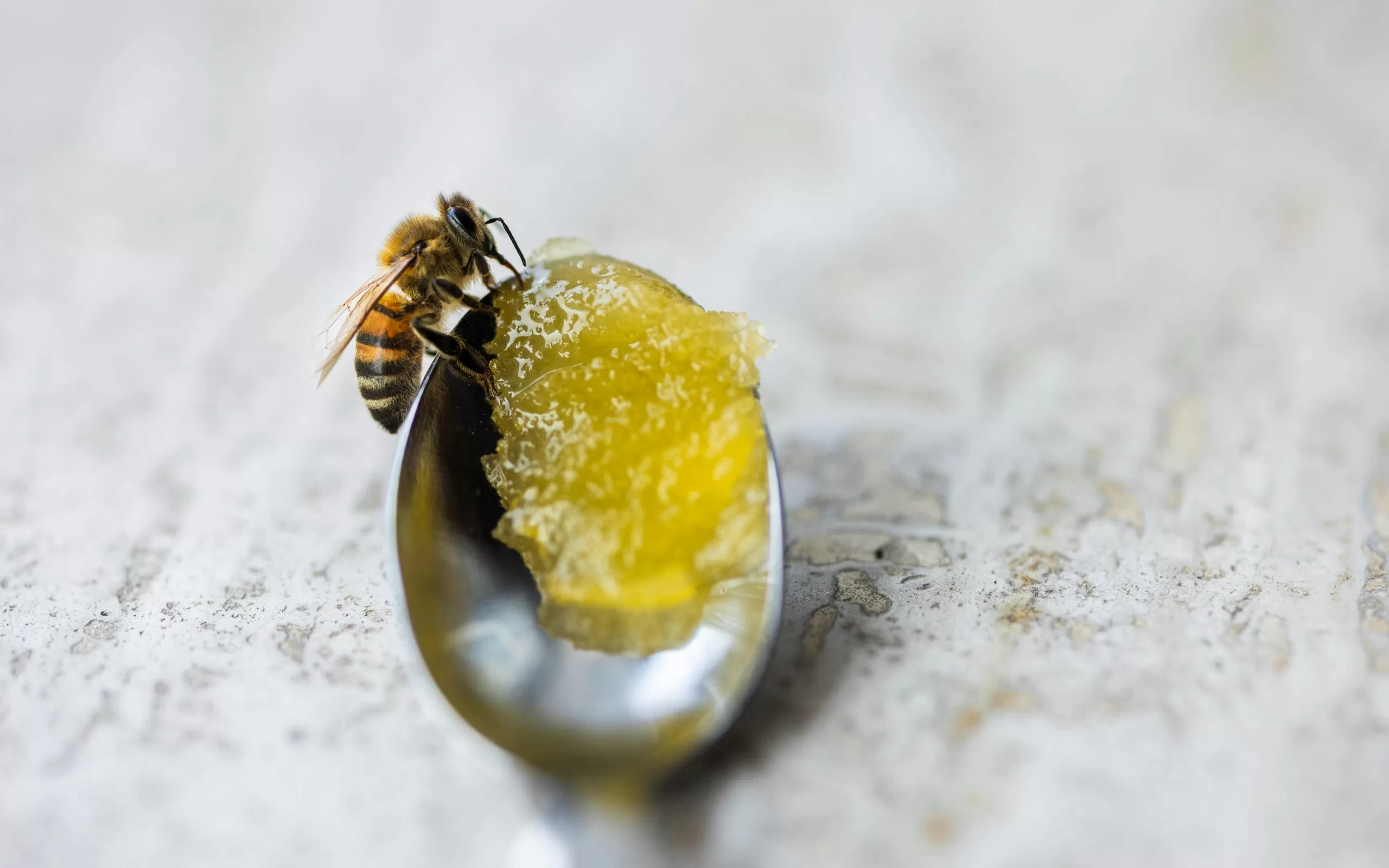
Honey is a concentrated sugar solution. Its glucose-to-water balance, natural particles, and storage temperature influence crystal formation. Crystallization is usually normal.
Is raw honey the same as unfiltered honey?
Not necessarily. Raw describes handling or heating claims, while unfiltered describes particle removal. Because definitions and practices vary, check what the producer specifically means.
Is honeydew honey really honey?
Yes, when bees collect qualifying sweet plant or insect secretions and transform and store them as honey. It differs from blossom honey because its source is not floral nectar.
Can babies eat honey?
No. Health authorities advise against giving honey to children under 12 months because of the risk of infant botulism.
Keep exploring the world of honey
Turn this guide into a journey: learn how honey is made, compare processing styles, understand grades, and discover the newest variety and country guides.
How to Store Honey: Best Temperature, Containers and Common Mistakes
THE COMPLETE HONEY STORAGE GUIDE How to Store Honey: Best Temperature, Containers and Common Mistakes Keep honey tasting and performing its best with a practical
Fir Honey: Flavor, Benefits & Why Greek Fir Honey Is So Unique
Fir honey is one of the most distinctive honey varieties produced in Greece and other mountainous Mediterranean regions. Unlike common floral honeys such as clover
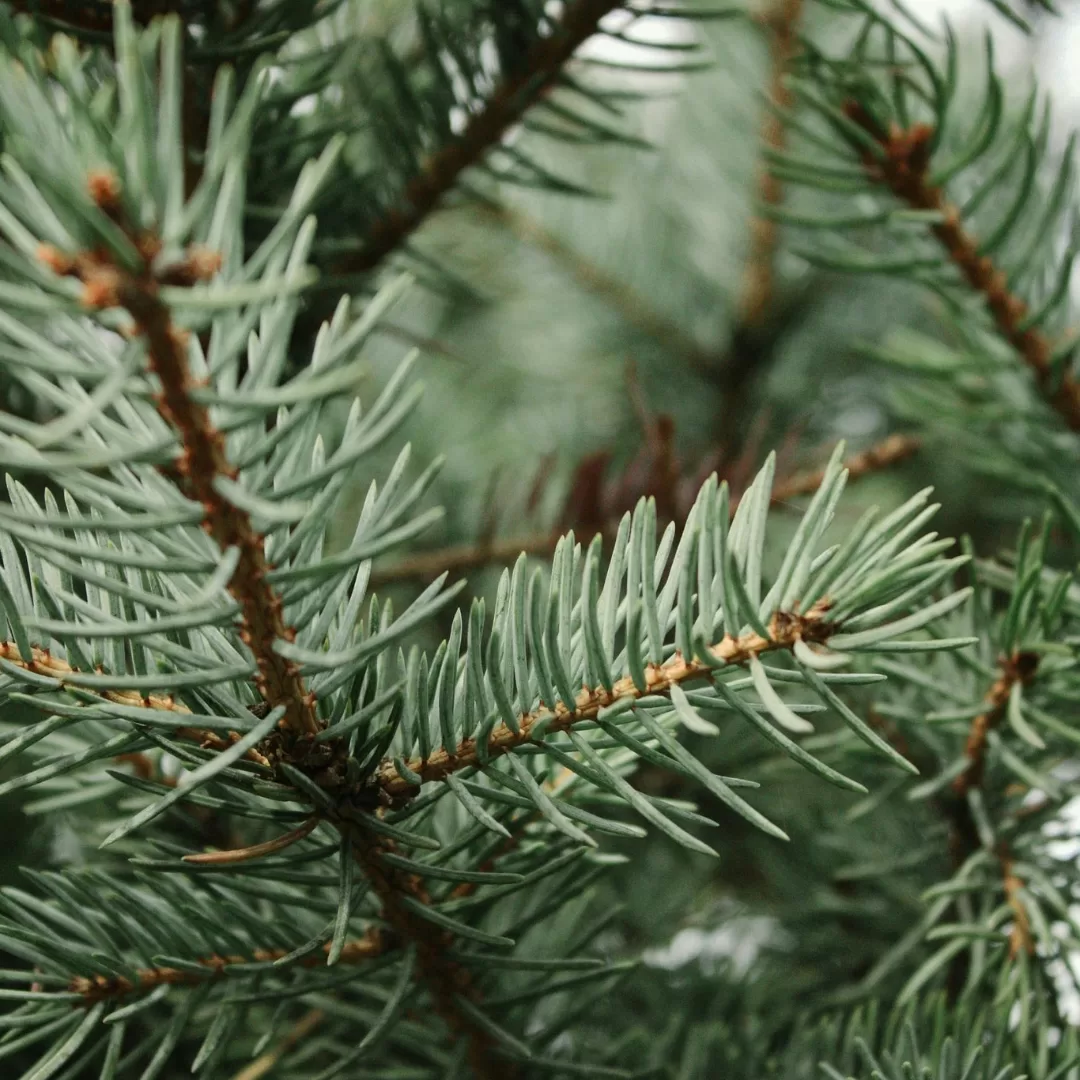
Pine Honey: Benefits, Flavor Profile & Why Greek Pine Honey Is Unique
Pine honey is one of the most distinctive honey varieties in the Mediterranean region. Unlike nectar-based honeys such as clover or thyme honey, pine honey
Thyme Honey: Benefits, Flavor Profile & Why Greek Thyme Honey Is So Special
Thyme honey is one of the most aromatic and distinctive honey varieties in the world. Produced primarily in Mediterranean regions — especially Greece — this
Kanuka Honey: Benefits, Uses & How It Compares to Manuka
Introduction Kanuka honey is a native New Zealand honey that is often compared to the more famous Manuka honey. While both originate from closely related
Does Honey Ever Go Bad? Shelf Life, Storage, and Spoilage Explained
THE DEFINITIVE HONEY STORAGE GUIDE Does Honey Expire? Shelf Life, Storage and Spoilage Explained Learn why honey is remarkably stable, what best-before dates mean, how