

The Surprising Health Benefits of Honey: A Comprehensive Guide
Honey has been revered for its natural sweetness and therapeutic properties for centuries. This golden, viscous liquid, created by bees from the nectar of flowers, is not only a delectable sweetener but also a treasure trove of health benefits. From its antioxidant properties to its soothing effects on the common
Exploring the Nutritional Value of Honey and Its Impact on Health
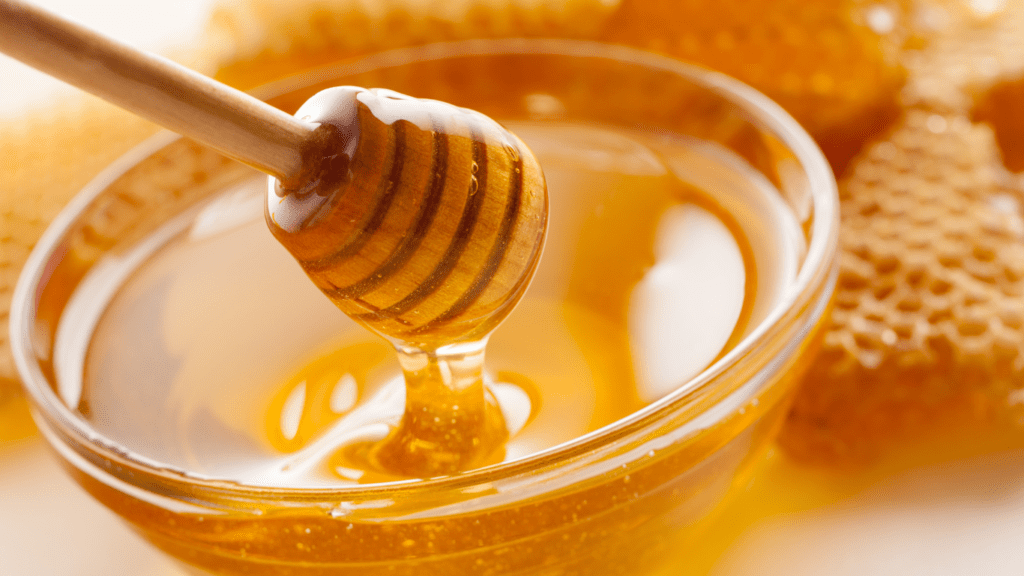
Honey, a natural sweetener produced by bees, has been enjoyed for centuries due to its delectable taste. Beyond its sweetness, honey also offers various nutritional benefits that can positively impact our health. Packed with essential nutrients, enzymes, and antioxidants, honey serves as more than just a delicious alternative to refined

Honey as a Natural Remedy: Unveiling Its Medicinal Properties
For centuries, honey has been celebrated not only for its sweet taste but also for its remarkable medicinal properties. This natural golden elixir, produced by bees from the nectar of flowers, has a long history of use in traditional medicine. From soothing coughs and wounds to supporting digestive health, honey
Fir Honey: Flavor, Benefits & Why Greek Fir Honey Is So Unique
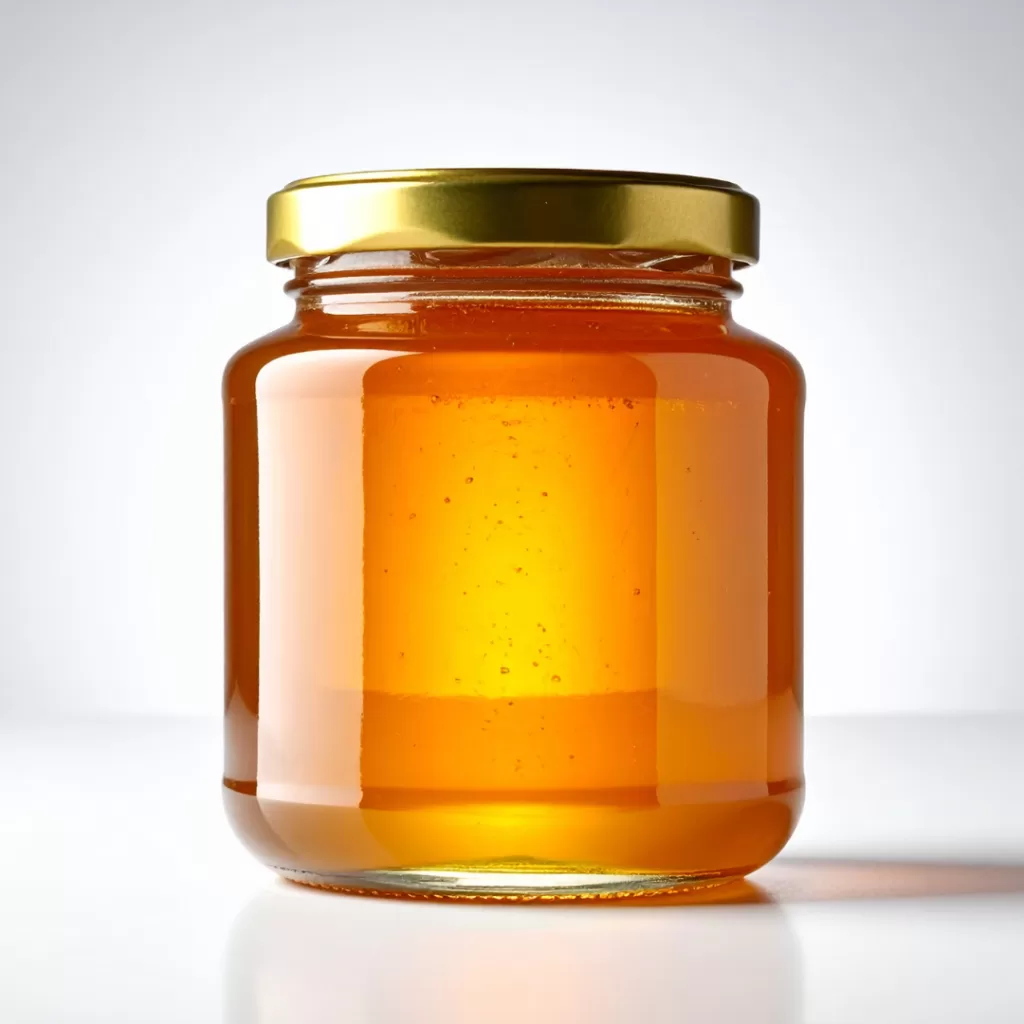
Fir honey is one of the most distinctive honey varieties produced in Greece and other mountainous Mediterranean regions. Unlike common floral honeys such as clover or wildflower, fir honey belongs to the honeydew category — meaning it is produced from tree secretions rather than flower nectar. This difference gives fir

Pine Honey: Benefits, Flavor Profile & Why Greek Pine Honey Is Unique
Pine honey is one of the most distinctive honey varieties in the Mediterranean region. Unlike nectar-based honeys such as clover or thyme honey, pine honey belongs to a special category known as honeydew honey. This difference gives it a darker color, thicker texture, and more complex flavor profile. Greek pine

Thyme Honey: Benefits, Flavor Profile & Why Greek Thyme Honey Is So Special
Thyme honey is one of the most aromatic and distinctive honey varieties in the world. Produced primarily in Mediterranean regions — especially Greece — this honey develops an intense herbal fragrance and complex flavor profile that sets it apart from milder varieties like clover or wildflower honey. Because wild thyme
Kanuka Honey: Benefits, Uses & How It Compares to Manuka
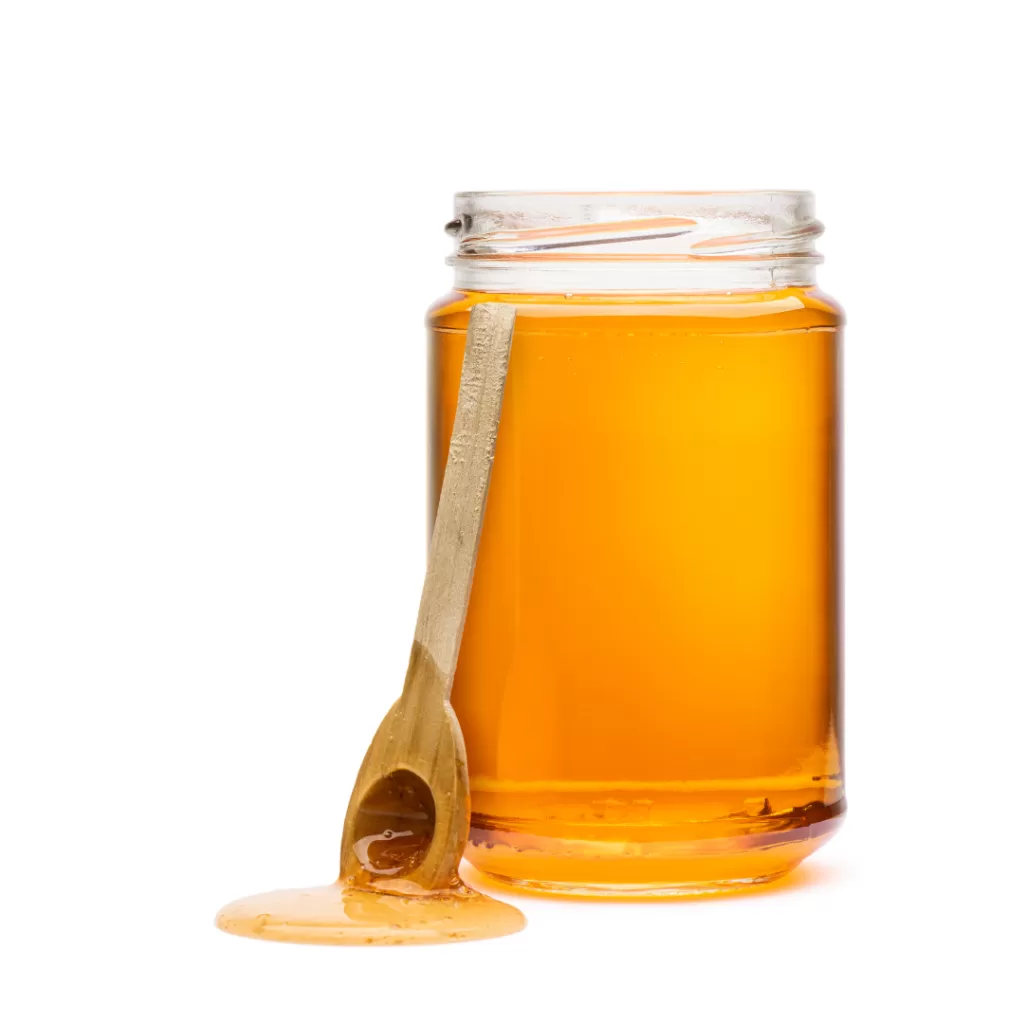
Introduction Kanuka honey is a native New Zealand honey that is often compared to the more famous Manuka honey. While both originate from closely related plants, Kanuka honey has its own unique properties, flavor profile, and uses. Because Manuka honey dominates global attention, Kanuka honey is sometimes overlooked. However, this
Is Canadian Honey Different from Imported Honey? What You Should Know
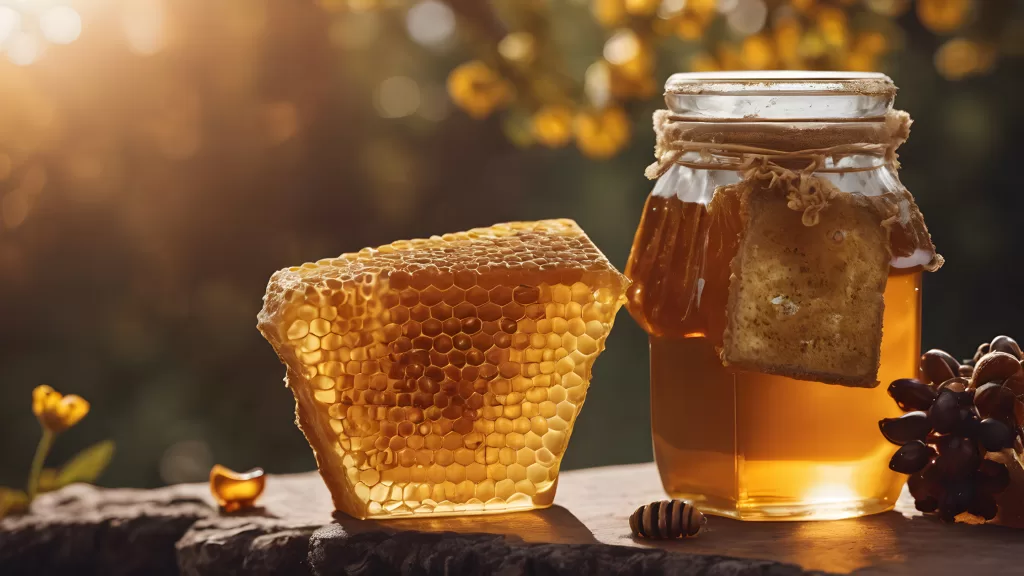
Honey is sold all over the world, and jars often look similar on the shelf. But where honey comes from can make a meaningful difference in how it tastes, how it behaves, and how much information you have about its origin. Canadian honey is frequently compared to imported honey, especially

How Climate Affects Honey Production in Canada
Climate plays a major role in how honey is produced, and in a country as large and varied as Canada, climate differences shape everything from honey flavor to texture and harvest timing. Canadian honey is deeply influenced by short growing seasons, cooler temperatures, and regional weather patterns. In this article,