Introduction
Wildflower honey is one of the most diverse and fascinating types of honey in the world. Unlike monofloral varieties such as clover or buckwheat honey, wildflower honey is produced from the nectar of multiple flowering plants. This creates a honey that changes in flavor, color, and aroma depending on the region and season.
Because of its diversity, wildflower honey is often called “polyfloral honey.” No two jars are exactly alike. The taste of wildflower honey harvested in spring may be completely different from one collected in late summer — even from the same region. Explore more in our complete guide to honey varieties.
In this complete guide, you’ll learn:
- What wildflower honey is
- What it tastes like
- Its nutritional profile
- Its health benefits
- How it compares to clover and buckwheat honey
- Whether it crystallizes
- How to choose high-quality wildflower honey
If you’re looking for a versatile, natural sweetener packed with character, wildflower honey deserves your attention.
What Is Wildflower Honey?
Wildflower honey is a type of honey made from the nectar of various wildflowers rather than a single floral source. Bees collect nectar from whatever flowers are blooming in a particular region, resulting in a blended, multi-floral honey.
Because it is not tied to one plant species, wildflower honey varies based on:
- Geographic location
- Climate
- Soil composition
- Bloom season
- Local plant diversity
This natural variation is what makes wildflower honey so unique. In some regions it may be light and mild. In others, it may be darker and more robust.
Wildflower honey is considered a polyfloral honey, meaning it comes from multiple nectar sources rather than a single dominant plant.
Why Wildflower Honey Varies So Much
Unlike clover honey or buckwheat honey, which come primarily from one plant species, wildflower honey reflects the biodiversity of its environment.
Seasonal Differences
Spring wildflower honey tends to be:
- Lighter in color
- Milder in flavor
- More floral
Summer wildflower honey is often:
- Darker
- Richer
- More complex
Late-season harvests may have stronger herbal or earthy notes depending on the dominant blooms.
Regional Differences
Wildflower honey from:
- North America may contain clover, goldenrod, or alfalfa nectar
- Europe may include thyme, lavender, or chestnut blossoms
- South America may reflect tropical flowering plants
This diversity makes wildflower honey one of the most dynamic honey varieties available.
What Does Wildflower Honey Taste Like?
The taste of wildflower honey depends heavily on the region and season, but it generally falls somewhere between mild clover honey and bold buckwheat honey.
Most wildflower honey is:
- Smooth
- Floral
- Slightly fruity
- Naturally sweet
- Mild to moderately robust
Some varieties may have:
- Herbal undertones
- Caramel notes
- Light citrus hints
Because it contains nectar from multiple flowers, the flavor often feels layered and balanced.
If you prefer a honey that isn’t too overpowering but still has character, wildflower honey is an excellent choice.
Wildflower Honey Color & Appearance
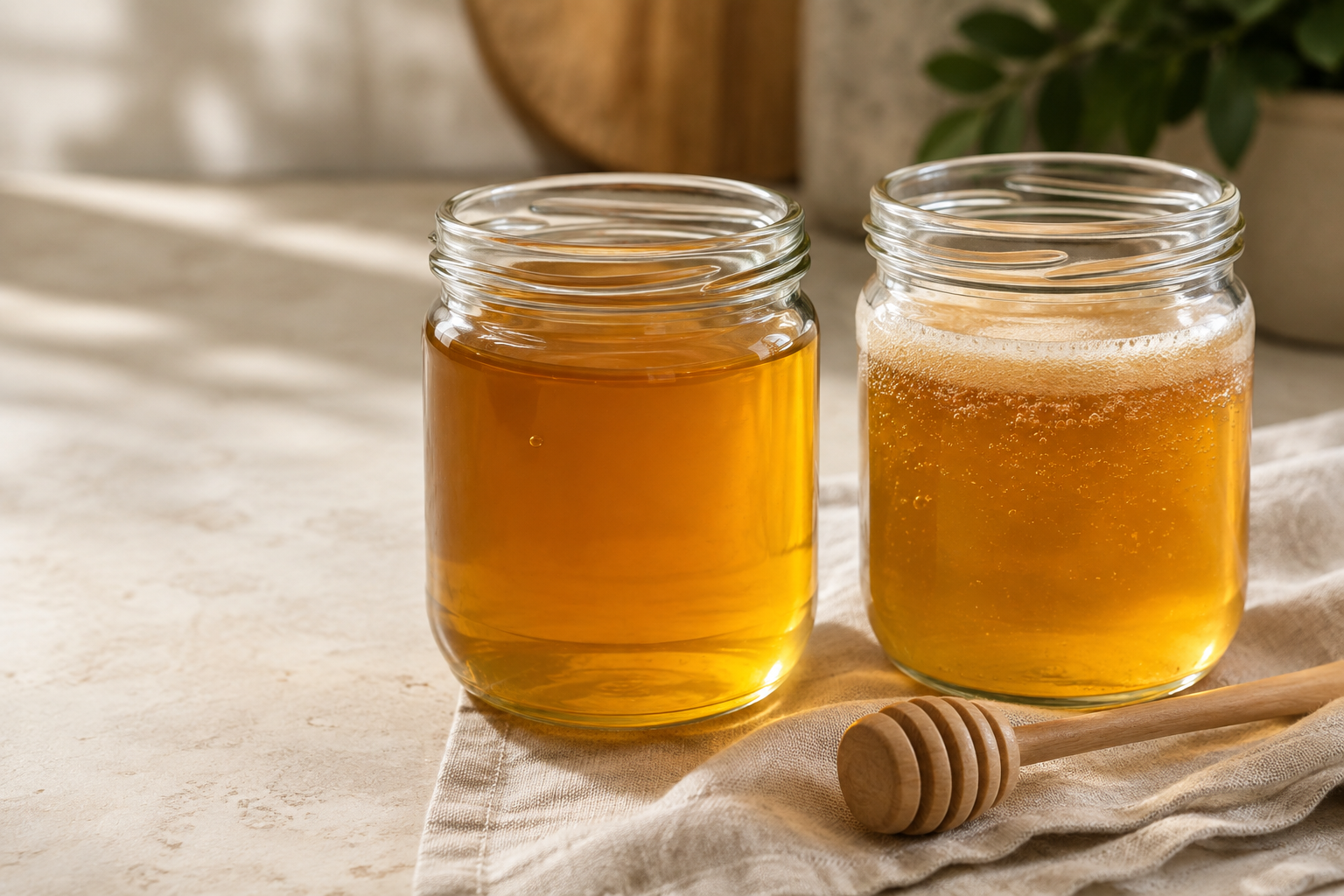
Wildflower honey can range in color from:
- Light amber
- Golden
- Deep amber
- Occasionally darker shades
Generally:
- Lighter wildflower honey tends to have a milder taste
- Darker wildflower honey often has a stronger, richer flavor
The color depends on the mineral and antioxidant content of the nectar sources.
Nutritional Profile of Wildflower Honey
Like all natural honey, wildflower honey is primarily composed of natural sugars:
- Fructose
- Glucose
On average, one tablespoon contains:
- About 64 calories
- 17 grams of carbohydrates
- Trace amounts of vitamins and minerals
It may also contain:
- Small amounts of vitamin C
- Calcium
- Iron
- Potassium
- Magnesium
The exact antioxidant levels vary depending on floral diversity. Darker wildflower honey generally contains more antioxidants than lighter varieties.
Health Benefits of Wildflower Honey
While honey should always be consumed in moderation, wildflower honey offers several potential benefits.
1. Natural Energy Source
Wildflower honey provides quick, natural carbohydrates that the body can use for energy. It’s often used by athletes as a pre-workout fuel or natural sweetener in smoothies.
2. Antioxidant Support
Wildflower honey contains antioxidants that help neutralize free radicals. Antioxidants support overall cellular health and may reduce oxidative stress.
3. Soothing for Sore Throats
Like other raw honey varieties, wildflower honey can help soothe sore throats. Its thick consistency coats the throat, and its natural antimicrobial properties may provide mild relief.
4. Digestive Support
Raw wildflower honey contains small amounts of prebiotics that can support beneficial gut bacteria.
5. Local Allergy Considerations
Some people believe local wildflower honey may help with seasonal allergies because it contains trace amounts of local pollen. While scientific evidence is mixed, many people prefer locally harvested honey for this reason.
Wildflower Honey vs Clover Honey
Wildflower and clover honey are often compared.
| Feature | Wildflower Honey | Clover Honey |
|---|---|---|
| Floral Source | Multiple flowers | Mostly clover |
| Flavor | Variable, floral | Mild and consistent |
| Color | Light to dark amber | Light amber |
| Complexity | More layered | Simpler |
| Best For | Flavor diversity | Everyday sweetness |
Clover honey is more predictable and milder. Wildflower honey offers more variety and character.
Wildflower Honey vs Buckwheat Honey
Buckwheat honey is one of the darkest and most robust honeys.
| Feature | Wildflower Honey | Buckwheat Honey |
|---|---|---|
| Color | Light to dark | Dark amber |
| Flavor | Floral, balanced | Bold, malty |
| Antioxidants | Moderate | High |
| Texture | Smooth | Thick |
If you prefer a strong, molasses-like flavor, buckwheat honey is ideal. If you prefer versatility, wildflower honey is more balanced.
Does Wildflower Honey Crystallize?
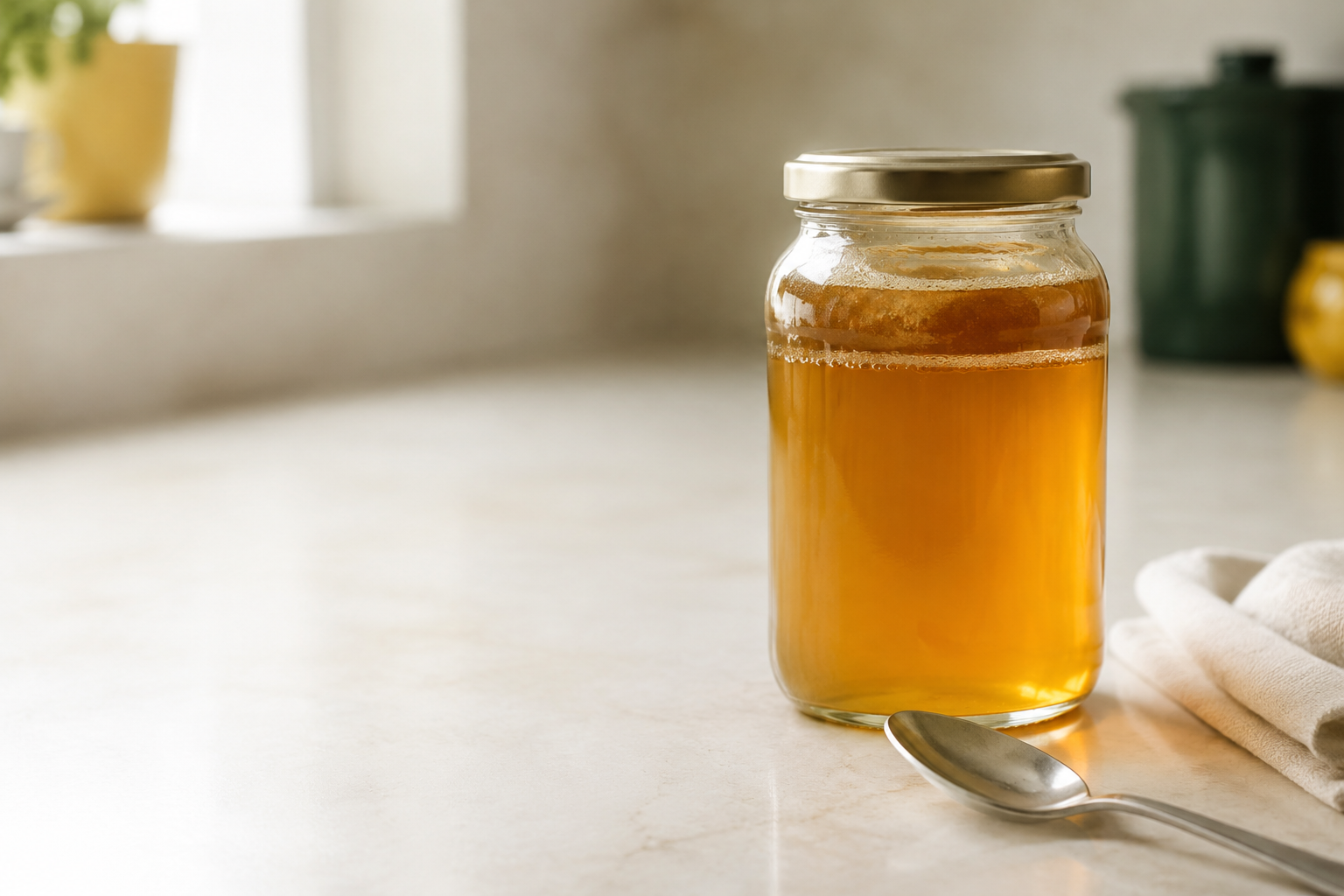
Yes, wildflower honey naturally crystallizes over time.
Crystallization is a normal process caused by:
- Glucose content
- Storage temperature
- Floral composition
Crystallized honey is not spoiled. To return it to liquid form:
- Place the jar in warm (not boiling) water.
- Stir gently.
- Avoid microwaving to preserve nutrients.
Some wildflower honey crystallizes faster than others depending on glucose levels.
How to Use Wildflower Honey
Wildflower honey is extremely versatile.
Sweetening Beverages
Add to tea, coffee, or herbal infusions.
Baking
Use in breads, muffins, and cookies for natural sweetness.
Salad Dressings
Combine with olive oil and vinegar for a balanced dressing.
Breakfast Topping
Drizzle over oatmeal, yogurt, pancakes, or toast.
Cheese Pairings
Pairs beautifully with soft cheeses and aged cheddar.
Who Should Choose Wildflower Honey?
Wildflower honey is ideal for:
- Families
- People who enjoy mild-to-medium honey
- Those wanting a more complex flavor than clover
- Anyone seeking a versatile kitchen honey
Who Should Avoid It?
- Infants under 1 year old
- Individuals advised by a doctor to avoid sugars
- Those with severe bee product allergies
How to Choose High-Quality Wildflower Honey
Look for:
- Raw, unfiltered honey
- 100% pure labeling
- No added syrups
- Local sourcing when possible
Avoid overly processed, ultra-clear honey with no floral aroma.
How to Store Wildflower Honey
- Keep tightly sealed
- Store at room temperature
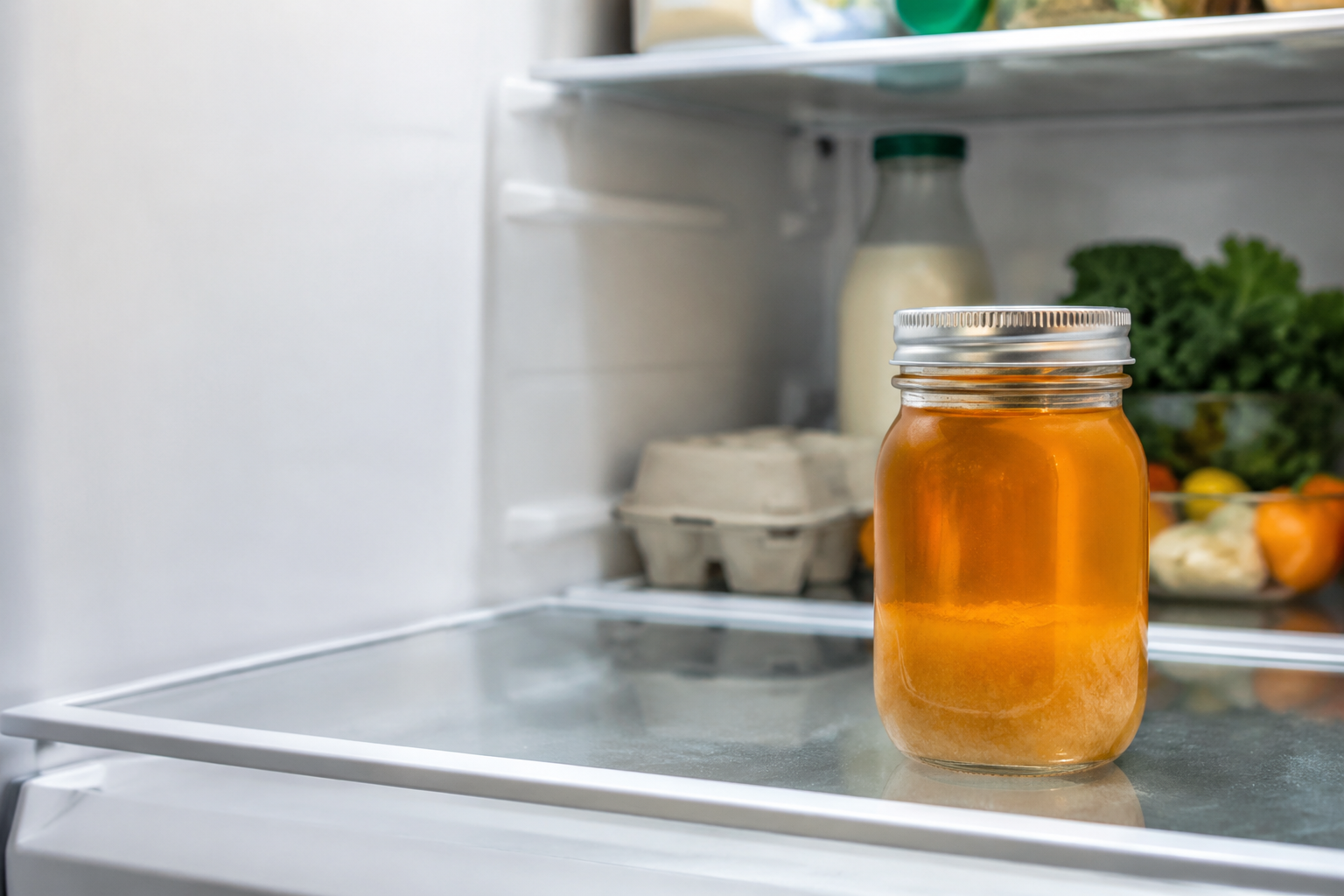
- Avoid refrigeration
- Keep away from moisture
Properly stored honey can last indefinitely.
Frequently Asked Questions
Is wildflower honey real honey?
Yes. It is natural honey made from multiple wildflower nectar sources.
Is wildflower honey healthier than clover honey?
Both are healthy natural sweeteners. Wildflower honey may contain slightly more antioxidants depending on its color.
Why does wildflower honey taste different every time?
Because the nectar sources change based on region and season.
Does wildflower honey go bad?
Properly stored honey does not spoil, but it may crystallize.
Is wildflower honey good for coughs?
Raw honey, including wildflower honey, may help soothe mild throat irritation.
Conclusion
Wildflower honey is one of the most diverse and naturally complex honey varieties available. Its flavor, color, and aroma change depending on geography and season, making every jar unique.
Whether you use it as a natural sweetener, a breakfast topping, or part of your wellness routine, wildflower honey offers versatility and character that monofloral honeys cannot match.
If you’re looking for a balanced, flavorful honey that reflects the biodiversity of nature, wildflower honey is an excellent choice.