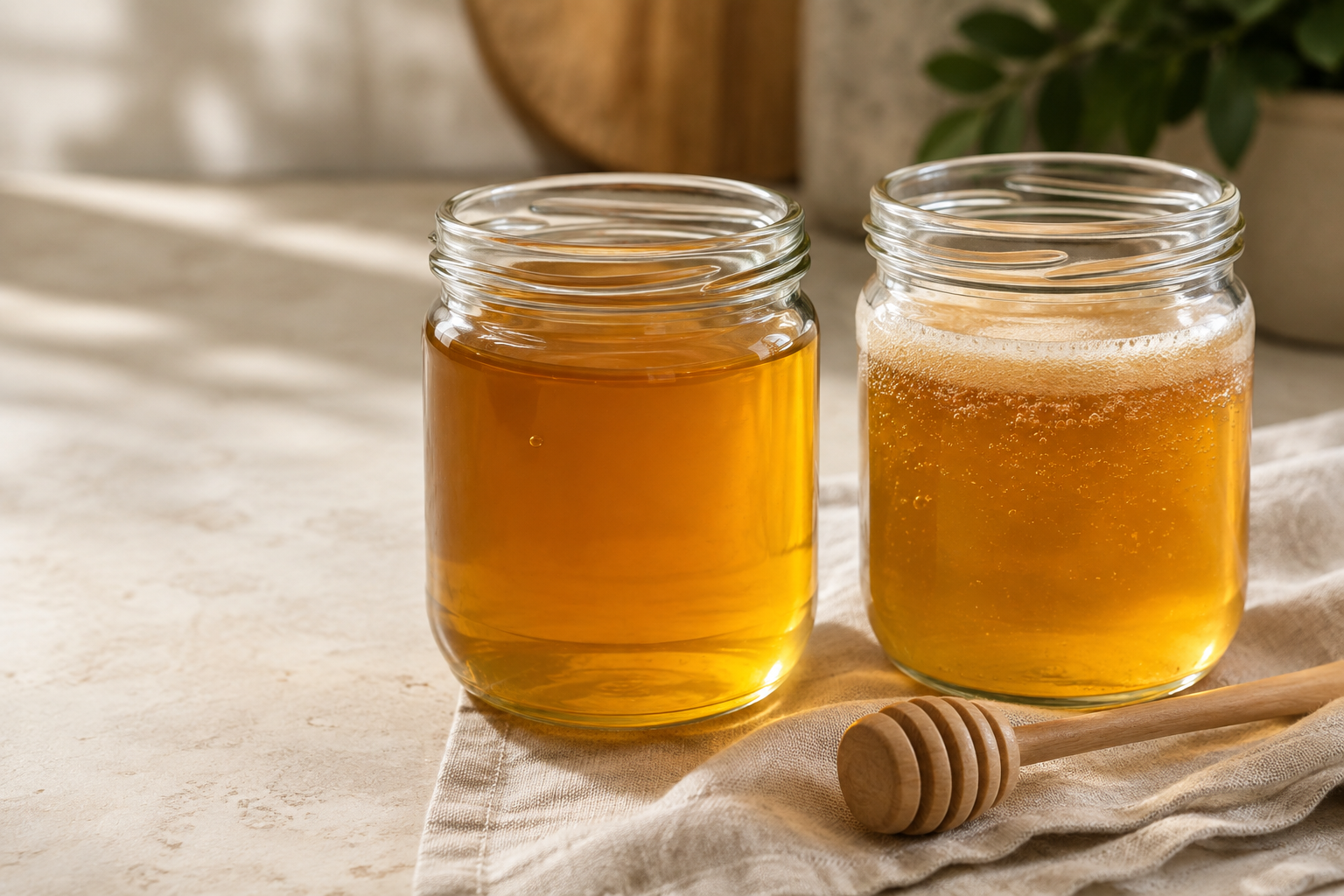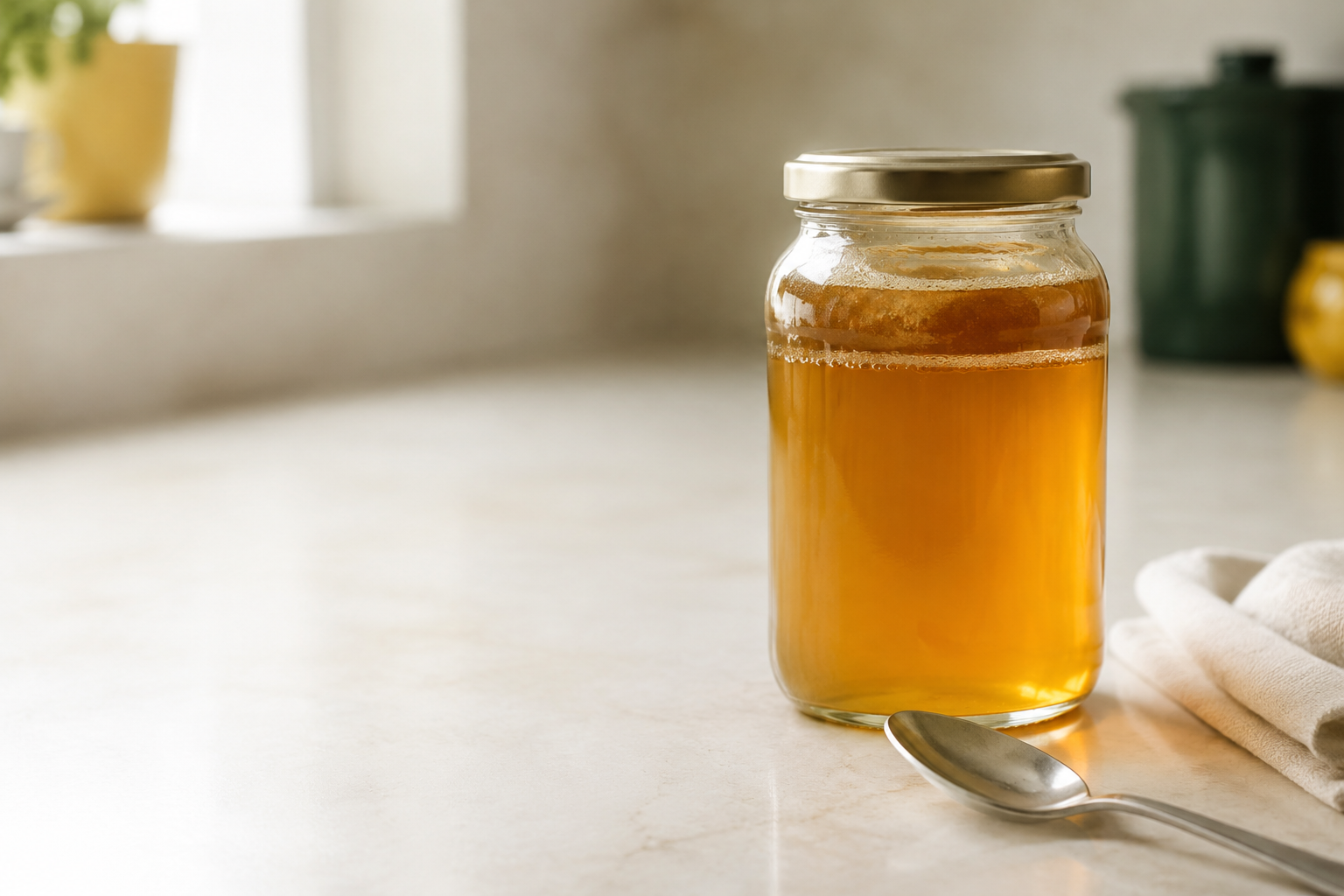
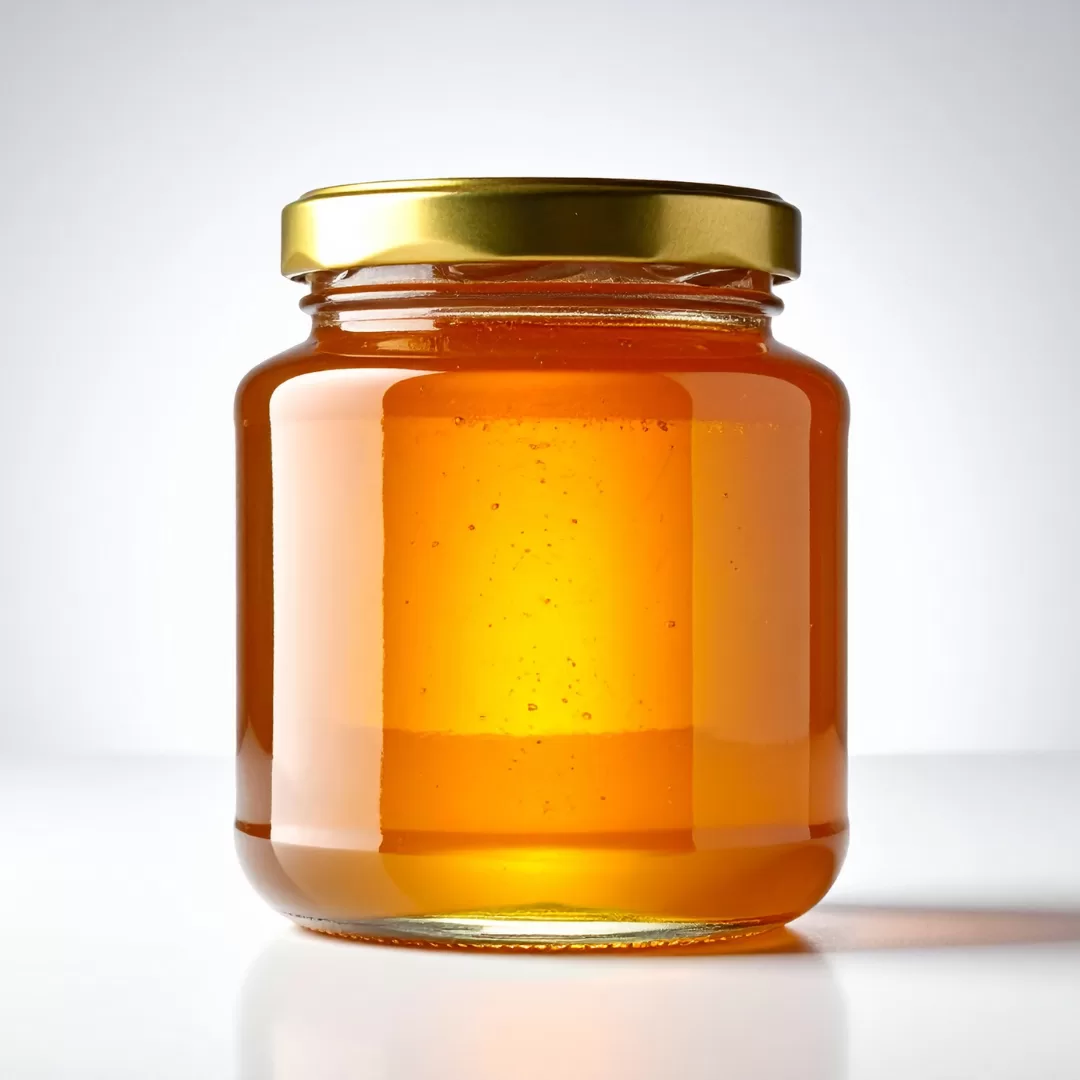
Fir honey is one of the most distinctive honey varieties produced in Greece and other mountainous Mediterranean regions. Unlike common floral honeys such as clover or wildflower, fir honey belongs to the honeydew category — meaning it is produced from tree secretions rather than flower nectar.
This difference gives fir honey a darker color, thicker texture, and more complex, less sugary flavor profile. In Greece, fir honey is especially prized for its rich character and slow crystallization.
In this guide, you’ll learn:
- What fir honey is
- How honeydew honey differs from nectar honey
- Why Greek fir honey is unique
- Its flavor and texture profile
- Potential benefits
- How it compares to thyme and pine honey
What Is Fir Honey?
Fir honey is a honeydew honey produced when bees collect sugary secretions left by insects that feed on fir trees.
Instead of gathering nectar directly from blossoms, bees collect honeydew from tree surfaces. They then transform this substance into honey inside the hive.
Because of this production process, fir honey develops characteristics different from most common nectar-based honeys.
Explore more of Greece Honey.
Honeydew Honey vs Nectar Honey
Fir honey belongs to the honeydew category, just like pine honey.
Nectar Honey
- Derived from flower nectar
- Usually lighter in color
- Typically sweeter
- Examples: clover, thyme, wildflower
Honeydew Honey
- Derived from tree secretions
- Darker color
- Less sweet
- Often thicker
- Slower to crystallize
Understanding this distinction helps explain why fir honey tastes different from many other honey types.
Why Greek Fir Honey Is Special
Greek fir honey is primarily produced in mountainous regions of central and northern Greece.
Several factors contribute to its uniqueness:
- High-altitude forests
- Cooler mountain climates
- Lower agricultural interference
- Traditional beekeeping practices
One well-known variety is sometimes referred to as “Vanilla Fir Honey,” known for its creamy texture and mild, slightly caramelized notes.
Flavor Profile of Fir Honey
Fir honey is typically:
- Dark amber to almost brown
- Thick and dense
- Mildly sweet
- Malty with subtle resin notes
- Smooth with a long finish
Compared to thyme honey, fir honey is less floral and more earthy.
Compared to pine honey, it may feel slightly smoother and less resinous.
Does Fir Honey Crystallize?
Fir honey crystallizes very slowly.
Because honeydew honeys often contain lower glucose levels, they resist rapid granulation. This means fir honey can remain liquid for extended periods.
Slow crystallization is a common characteristic of honeydew varieties.
Nutritional & Potential Benefits
Like other raw honey varieties, fir honey contains:
- Natural sugars
- Antioxidants
- Trace minerals
- Enzymes
Honeydew honeys are sometimes noted for having higher mineral content compared to lighter floral honeys.
Potential benefits often associated with raw fir honey include:
1. Antioxidant Support
Darker honeys tend to contain elevated antioxidant compounds.
2. Digestive Support
Raw honey may assist digestive comfort due to its natural enzyme profile.
3. Mild Antibacterial Activity
While fir honey is not graded like Manuka honey, it still possesses natural antimicrobial properties common to raw honey.
Important: Honey should not replace medical treatment.
Fir Honey vs Pine Honey
Because both are honeydew honeys, comparison is helpful.
Fir Honey
- Mountain forest origin
- Smooth texture
- Less resinous
- Thick and dense
Pine Honey
- Pine forest origin
- Slightly more resinous
- Mildly sweet
- Also slow to crystallize
Fir Honey vs Thyme Honey
These two represent very different honey styles.
Fir Honey
- Honeydew-based
- Darker
- Less sweet
- Earthy
Thyme Honey
- Nectar-based
- Golden
- Aromatic and herbal
- More floral
Fir Honey vs Manuka Honey
Although both can be dark in color, they differ significantly.
Fir Honey
- Honeydew origin
- No UMF grading system
- Mediterranean production
Manuka Honey
- Nectar origin
- MGO content
- Graded via UMF
Culinary Uses of Fir Honey
Fir honey pairs well with:
- Strong cheeses
- Greek yogurt
- Toast
- Roasted nuts
- Herbal teas
- Savory sauces
Because it is less intensely sweet than some floral honeys, fir honey works well in both sweet and savory applications.
Is Fir Honey Worth Trying?
If you prefer:
- Dark honey varieties
- Less sugary flavor
- Thick texture
- Mediterranean forest notes
Fir honey offers a distinctive alternative to common supermarket honey.
It also expands understanding of honey diversity beyond floral nectar varieties.
Frequently Asked Questions
Is fir honey made from fir trees?
Yes. Bees collect honeydew associated with fir trees.
Is fir honey sweet?
It is less sweet than many nectar honeys.
Does fir honey crystallize?
It crystallizes slowly compared to floral honey types.
Is Greek fir honey rare?
It is less common globally than clover or wildflower honey, which adds to its specialty appeal.
Why Fir Honey Completes the Greek Honey Profile
Fir honey, alongside thyme and pine honey, demonstrates the range of honey production within Greece. From aromatic floral nectar to forest-derived honeydew, Greece offers one of the most diverse honey landscapes in the Mediterranean.
For those exploring honey by country, fir honey represents the mountainous, forested dimension of Greek beekeeping.