Why Honey Bees Matter: Pollination, Food and Ecosystems
Western honey bees are highly adaptable social pollinators. Their large colonies, communication system and ability to be moved between crops make them especially valuable in agriculture. As workers visit flowers, they can transfer pollen that enables fertilization, seed formation and fruit development.
But honey bees are one species among more than 20,000 described bee species. Healthy ecosystems depend on diverse wild bees, flies, butterflies, moths, beetles, birds, bats and other pollinators—not managed honey bee colonies alone.
Important pollinators—but not the whole pollinator world
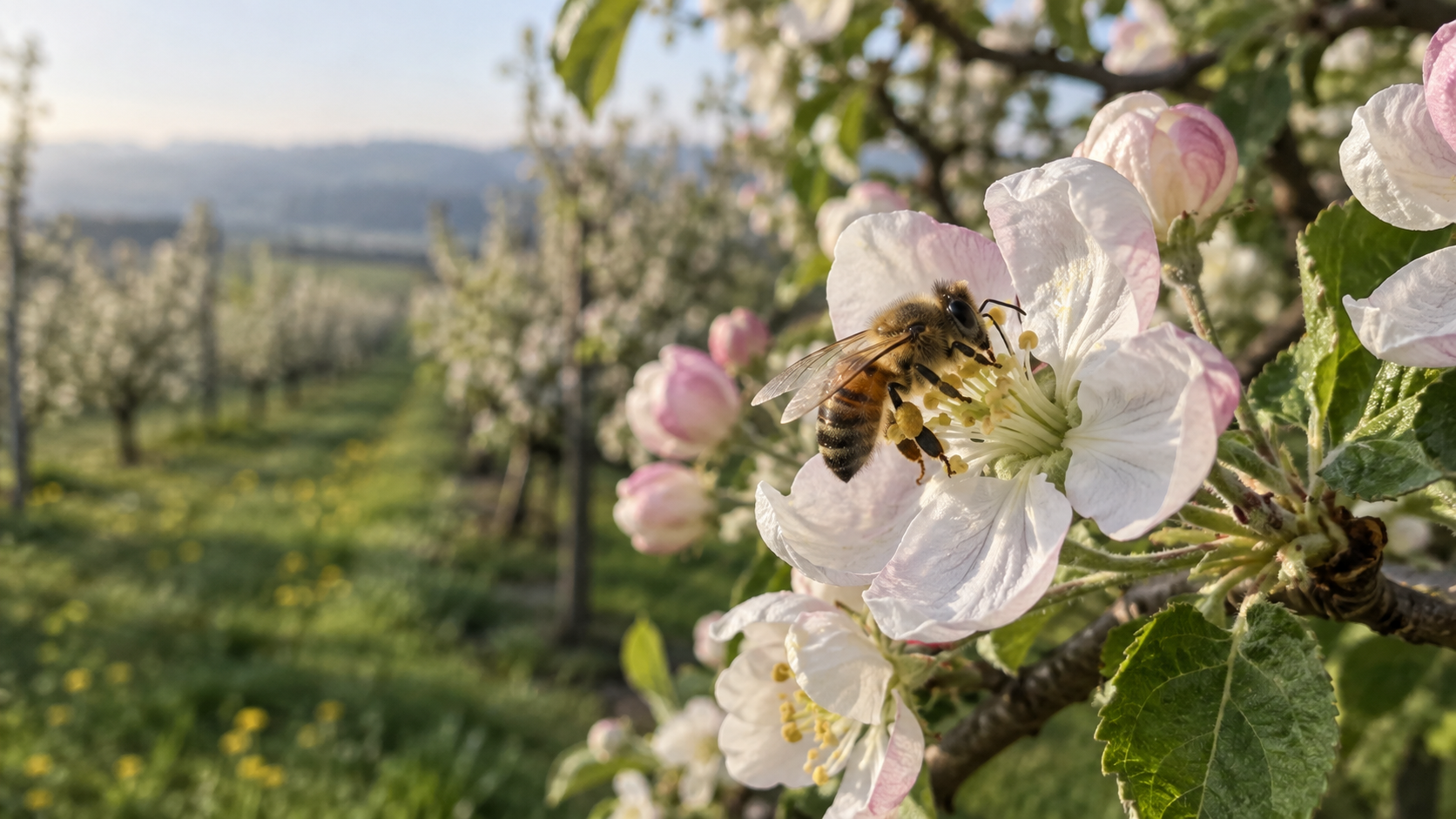
A worker honey bee contacts the reproductive structures of an apple blossom while foraging. Effective pollen transfer can influence fruit set and quality, but orchard pollination is usually provided by a community of managed and wild insects.
Honey bees in agriculture and the wider ecosystem
Contents
Why are honey bees important?
Agricultural scale
A perennial colony can deploy thousands of foragers, recruit workers to rewarding flower patches and be transported to mass-flowering crops. That makes managed honey bees practical pollination partners in agriculture.
Biological service
Pollen moved between compatible flowers supports fertilization. Depending on the plant, successful pollination may improve fruit set, seed production, size, shape, shelf life or genetic diversity.
Human connection
Beekeeping supplies honey, beeswax, pollination services, income and cultural knowledge across many regions, although the benefits and management systems vary globally.
How honey bee pollination works
| Step | What happens | Why it matters |
|---|---|---|
| 1. Attraction | Color, scent, shape and floral rewards draw a forager. | Different pollinators perceive and handle flowers differently. |
| 2. Contact | The bee touches pollen-bearing anthers while seeking nectar or pollen. | Pollen grains attach to hairs and body surfaces. |
| 3. Transfer | Some pollen reaches a receptive stigma on a later flower. | Compatible pollen can begin fertilization. |
| 4. Fertilization | Pollen tubes and ovules complete the plant’s reproductive process. | Seeds form; surrounding tissues may develop into fruit. |
| 5. Repeat visits | Many workers visit flowers across a crop or landscape. | Timing, abundance and effectiveness influence the result. |
Why honey bees are useful pollinators
Several traits allow Apis mellifera colonies to provide pollination at unusual scale.
Large colonies
Tens of thousands of workers may be present during peak season, creating a substantial potential foraging force.
Waggle dance
Successful foragers communicate approximate direction and distance, helping nestmates exploit profitable flower patches.
Flower constancy
During a foraging trip, a worker often continues visiting one flower type, which can improve transfer between compatible plants.
Perennial nests
Honey bee colonies can persist across years and build a workforce before some crops bloom.
Managed mobility
Hives can be moved to orchards, seed crops and other temporary pollination contracts—an agricultural advantage that is not automatically an ecological benefit.
Broad diet
Honey bees use many flower species, helping colonies operate across diverse farming regions while also creating potential resource overlap with wild pollinators.
Which crops benefit from honey bees?
Food, nutrition, livelihoods and resilience
Crop yield and quality
Depending on crop and conditions, adequate pollination may improve fruit set, seed production, uniformity, size, shape and storage qualities.
Dietary diversity
Animal-pollinated crops contribute disproportionately to many fruits, vegetables, nuts, seeds and oils, connecting pollination with nutritious and varied diets.
What bees do not pollinate
Cereals supply much of the world’s dietary energy without animal pollination. Claims that people would have “no food” without bees are inaccurate; the defensible concern is a less diverse, less nutritious and potentially more expensive food system.
Livelihoods and resilience
Reliable pollination can support farm income, seed production and regional food resilience, especially where crop quality and marketability depend on effective pollen transfer.
Benefits vary by crop, cultivar, weather, landscape and the wider pollinator community. Honey bees are one important contributor within that system.
Honey bees, wild plants and food webs
Plant reproduction
Honey bees visit many uncultivated plants. Their ecological effect depends on whether they move compatible pollen effectively and how they alter interactions among plants and other pollinators.
Connected food webs
When visits result in fertilization, seeds and fruits can support plant recruitment and provide food for birds, mammals and invertebrates.
Honey bees and wild pollinators
Honey bees
Large perennial colonies, broad diets and recruitment allow honey bees to concentrate many workers on rewarding flowers.
Bumble bees
Many bumble bees work in cooler conditions and perform buzz pollination, which is valuable for crops such as tomatoes and blueberries.
Solitary bees
Mason, mining, squash, leafcutter and other solitary bees can be exceptionally effective for particular crops or native plants.
Flies and others
Hoverflies, beetles, butterflies, moths, wasps, birds and bats contribute in different regions and plant communities.
Pollinator diversity is biological insurance: species differ in season, body size, tongue length, temperature tolerance, daily activity and flower-handling behavior.
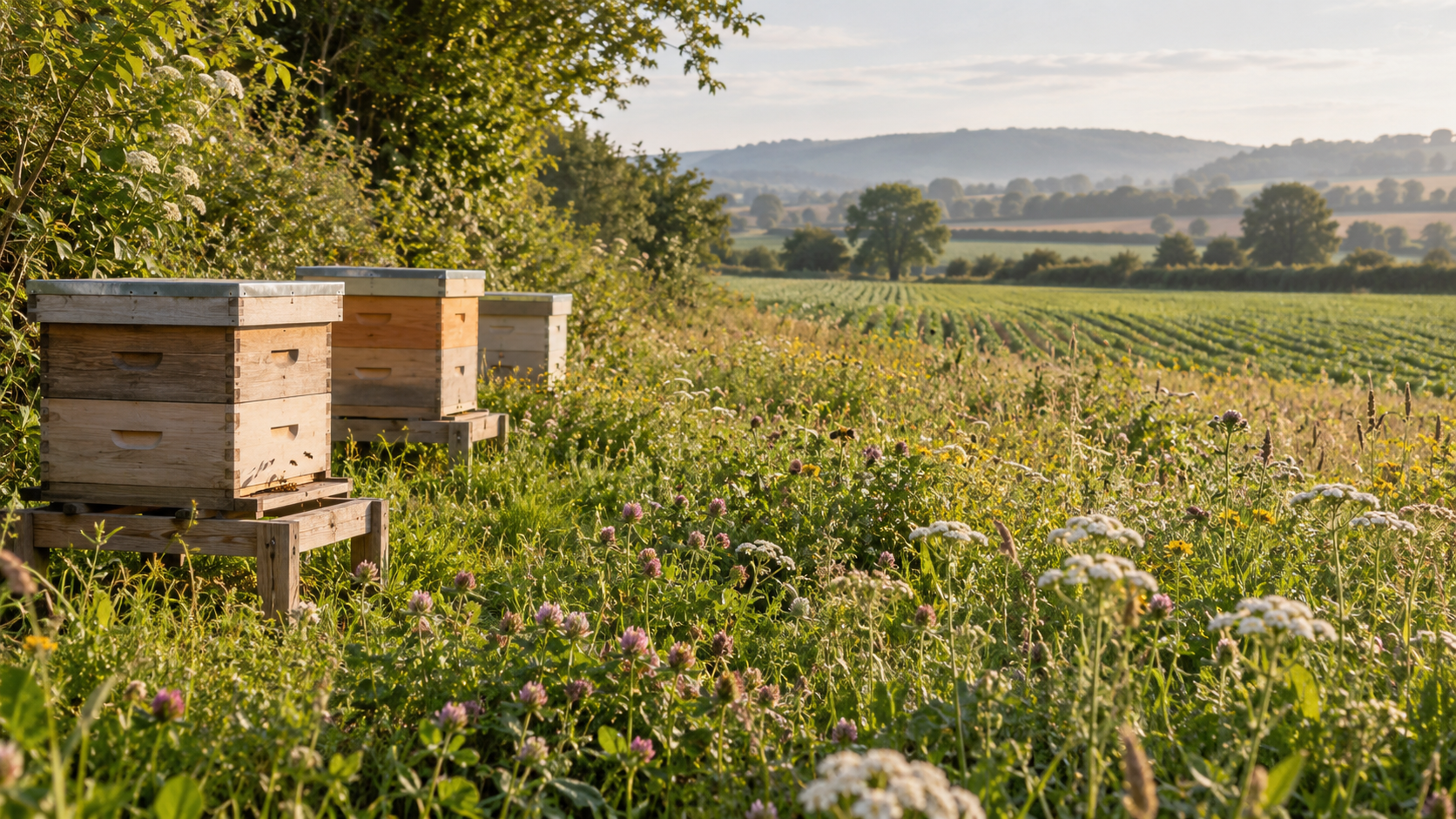
Managed colonies depend on the surrounding landscape. Diverse, connected flowering habitat can support honey bees and wild pollinators, while hive density should match available forage and conservation goals.
When managed honey bees can create ecological pressure
Major pressures on honey bee health
Honey bee colonies are managed livestock in many places, but they still depend on environmental conditions and responsible husbandry.
Varroa and viruses
Varroa destructor mites and associated viruses are central threats to managed Western honey bee survival in much of the world.
Nutrition
Large quantities of one crop do not replace season-long access to diverse pollen and nectar sources.
Pesticides
Risk depends on compound, dose, exposure route, timing and interactions. Label-compliant integrated pest management can reduce exposure.
Climate and weather
Drought, heat, altered flowering, storms and mismatched seasonal timing can change forage availability and colony demand.
Queen and genetic factors
Mating quality, queen age, replacement and locally adapted traits influence brood production and resilience.
Management and movement
Transport, crowding, nutrition and disease controls can affect both colonies and surrounding pollinator communities.
What actually helps honey bees and ecosystems
What gardeners, farmers and consumers can do
Gardeners: Plant pesticide-conscious, regionally appropriate flowers in groups and allow some natural nesting habitat.
Farmers: Combine managed pollination where needed with flowering margins, habitat connectivity and protection for resident wild pollinators.
Beekeepers: Practice evidence-led colony health management and consider the carrying capacity and ecological sensitivity of each location.
Consumers: Support transparent beekeepers and farms that invest in habitat, traceability and responsible pest management.
Communities: Replace symbolic hive installations with broader pollinator plans that include habitat, monitoring and species diversity.
Policy makers: Protect natural and semi-natural habitat while supporting crop-pollination research and responsible apiculture.
A global perspective on honey bees
In regions within the Western honey bee’s native range, managed and wild-living populations exist within long ecological histories. Elsewhere, Apis mellifera is introduced and must be considered alongside native pollinators.
Other honey bee species—including Apis cerana and several tropical Asian species—have different nesting, management and ecological relationships. A global guide should not use “honey bee” as if it always means one species and one agricultural system.
Local crops, indigenous knowledge, climate, land tenure and pollinator communities determine which conservation and management approaches are appropriate.
Related bee and conservation guides
Continue with current Hive To Honey guides about bee species, foraging range, communication, colony biology and practical conservation.
Bee Species
Compare honey bees, bumble bees, solitary bees and their different ecological roles.
How Far Do Bees Travel?
Explore how foraging range changes with species, season, landscape and resource quality.
Honey Bee Communication
Learn how waggle dances, odors and contact help coordinate colony activity.
Latest Hive To Honey Guides
Continue with the newest evidence-led guides from Hive To Honey, covering honey, bees, beekeeping and responsible stewardship.
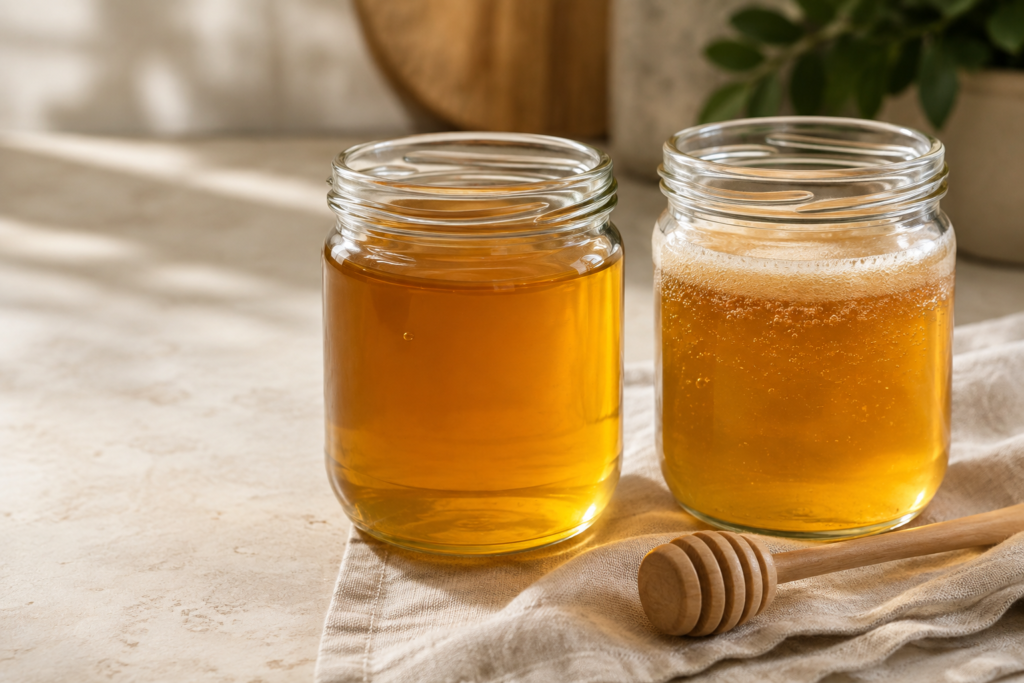
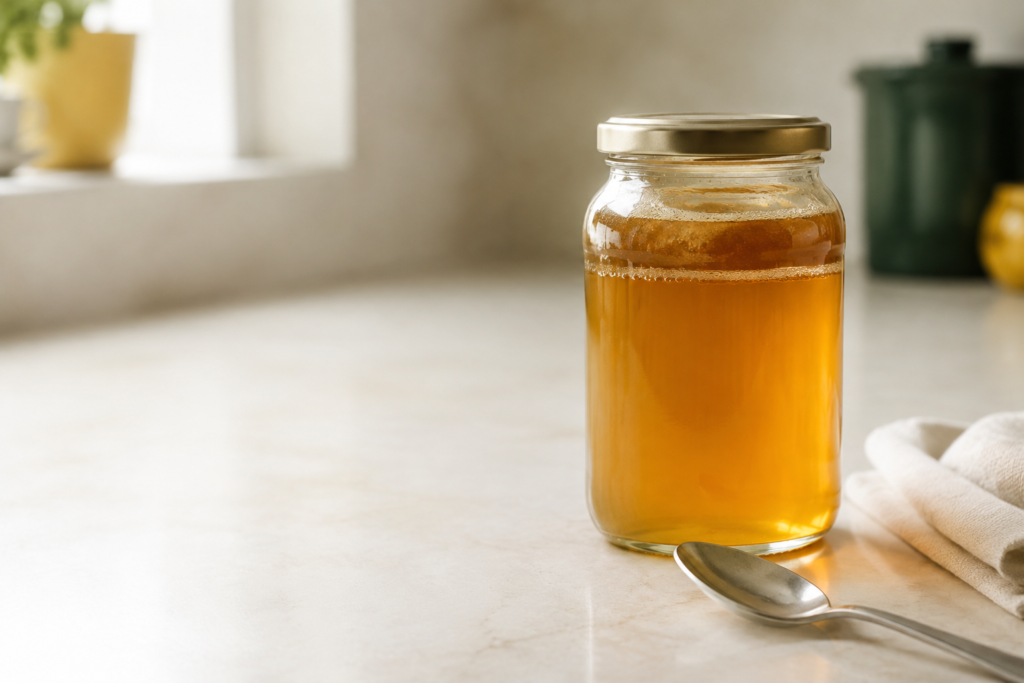
Why Is My Honey Foamy? Bubbles, Wax or Fermentation Explained
THE COMPLETE HONEY FOAM GUIDE Why Is My Honey Foamy? Bubbles, Wax or Fermentation Explained Foam on honey is not automatically spoilage.
Why Does Honey Ferment? Signs, Causes and Prevention
THE COMPLETE HONEY FERMENTATION GUIDE Why Does Honey Ferment? Signs, Causes and Prevention Unintended honey fermentation usually begins when yeasts can use
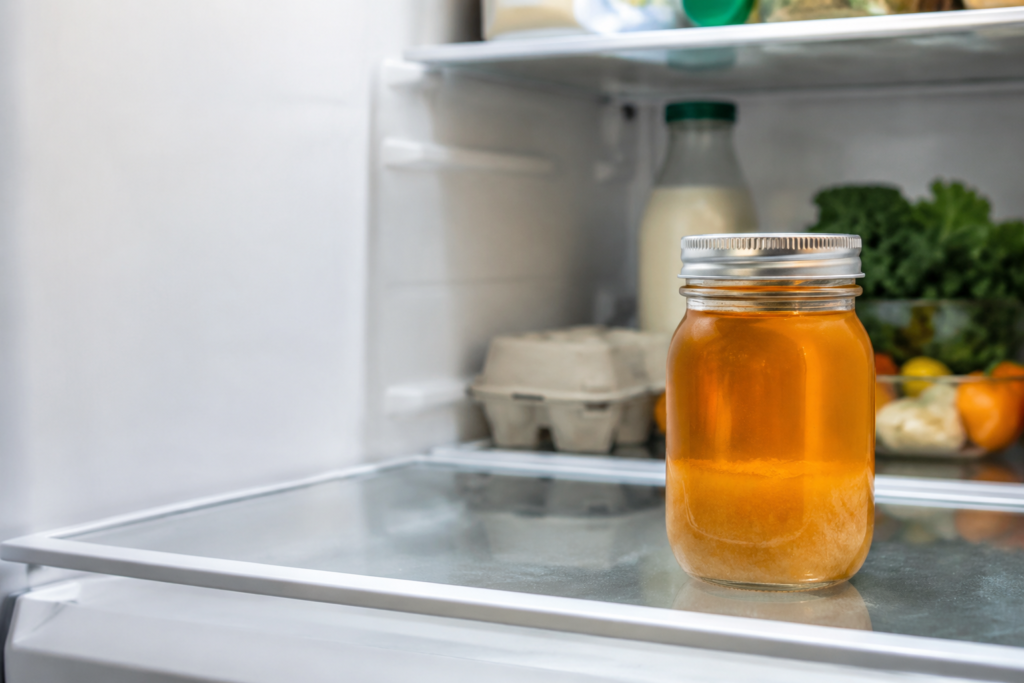
Does Honey Need to Be Refrigerated? What Happens in the Fridge
THE COMPLETE COLD-STORAGE GUIDE Does Honey Need to Be Refrigerated? What Happens in the Fridge Plain honey usually belongs in a dry
Frequently asked questions about honey bees and ecosystems
Why are honey bees important?
They pollinate many crops and flowering plants, support beekeeping livelihoods and produce honey and beeswax. Their value is especially significant in managed agriculture.
Would humans starve without honey bees?
No. Major cereals are primarily wind-pollinated. However, reduced pollination would threaten the yield, quality, availability and cost of many fruits, vegetables, nuts and seeds.
Do honey bees pollinate all plants?
No. Plants use wind, water, self-pollination and many animal pollinators. Some flowers require behaviors such as buzz pollination that honey bees cannot perform.
Are honey bees endangered?
Managed Western honey bee colony numbers and conservation status are different from the status of wild bee species. Local colony losses can be serious without meaning the managed species is globally endangered.
Are honey bees native everywhere?
No. The Western honey bee is native to parts of Europe, Africa and western Asia and has been introduced to many other regions.
Can adding beehives help wild bees?
Not automatically. Hives support managed honey bees; wild bees need suitable flowers, nest sites and protection from threats. High hive densities can increase resource overlap.
Do honey bees improve biodiversity?
The answer depends on place and scale. They can pollinate plants, but abundant managed colonies can also alter pollination networks or compete with wild pollinators.
What is the best way to help pollinators?
Protect and connect habitat, provide season-long regionally appropriate flowers, retain nesting sites, reduce pesticide exposure and manage honey bee colonies responsibly.
How this ecosystem guide was researched
This guide distinguishes honey bee value from the collective value of all pollinators. It avoids unsupported claims that one managed species pollinates every crop or that adding hives always benefits biodiversity.
- IPBES (2016), Pollinators, Pollination and Food Production — global assessment of pollination, food systems and risk.
- Klein et al. and related global crop-pollination evidence — crop dependence and pollinator contributions.
- Mallinger, Gaines-Day & Gratton (2017) — review of managed-bee effects on wild bees.
- Iwasaki & Hogendoorn (2022) — updated evidence on managed and introduced bee impacts.
- MacInnis et al. (2023) — urban beekeeping, pollen availability and wild-bee richness.
- Khalifa et al. (2021) — bee pollination and crop quality, quantity and economic value.
Explore bees, habitat and the landscapes connecting them
Honey bees are remarkable and valuable—but resilient ecosystems are built from many species and habitats. Continue with the guides that turn pollinator science into practical action.