
The Importance of Specific Bee Species for Honey Production
The Importance of Specific Bee Species for Honey Production: A Sweet Collaboration
Honey production is a remarkable process that relies on the collaborative efforts of various bee species. While honey bees are the primary contributors to commercial honey production, several other bee species also play important roles in the pollination and nectar collection necessary for honey production. In this article, we will explore the significance of specific bee species in honey production, highlighting their unique contributions and underscoring the interdependence between bees and honey production.
The Importance of Specific Bee Species for Honey Production:
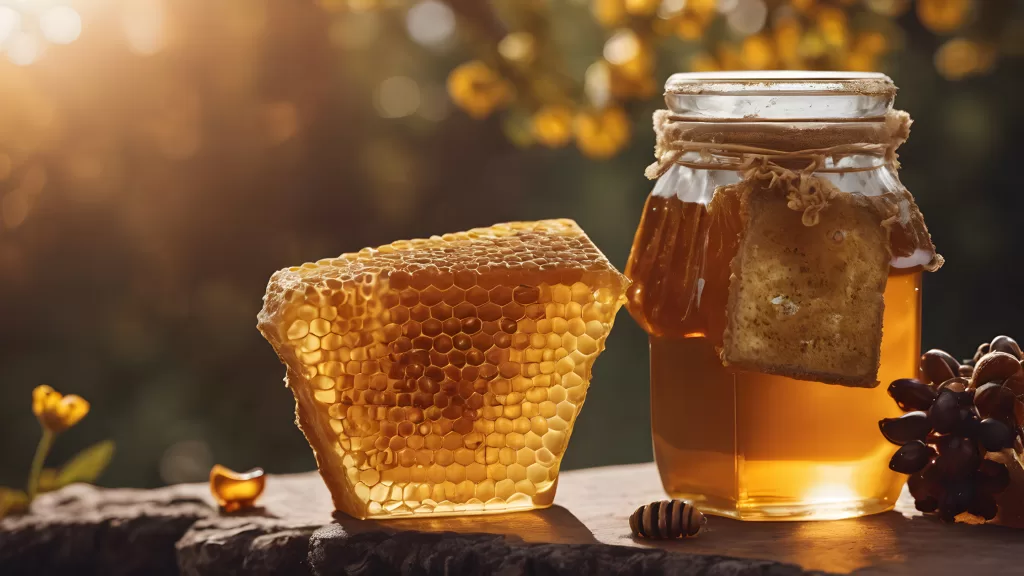
Honey bees (Apis spp.) are unparalleled in their importance for honey production. They are highly efficient pollinators and are specifically bred and managed by beekeepers for their honey-producing capabilities. Honey bee colonies are capable of collecting substantial amounts of nectar from flowering plants, which they convert into honey through a process of regurgitation, enzymatic activity, and evaporation. Honey bees are known for their large honey stores and the intricate honeycomb structures they create within their hives.
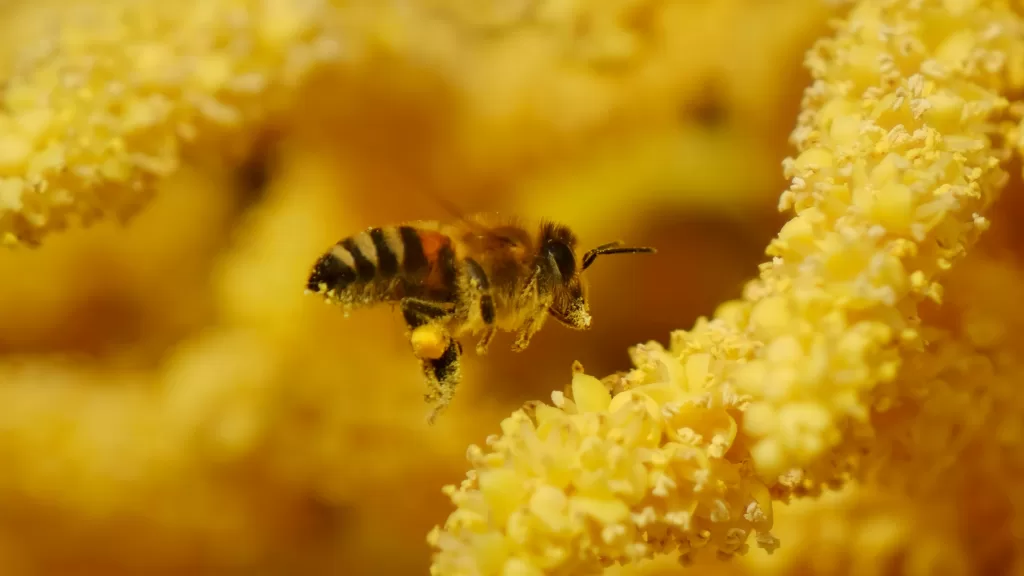
Although bumblebees are not typically associated with large-scale honey production, they play a vital role in the pollination of numerous flowering plants, including those that contribute to honey production indirectly. Bumblebees are effective buzz pollinators, meaning they vibrate their flight muscles to release pollen from flowers with tightly packed anthers. Their pollination services enhance the quality and quantity of nectar available to honey bees, indirectly supporting honey production.
Mason bees are solitary bees known for their efficient pollination services. While they are not honey producers themselves, their role as pollinators is instrumental in ensuring a bountiful nectar supply for honey bees. Mason bees visit a wide range of flowering plants and are particularly effective in pollinating fruit trees, including apple, cherry, and plum. Their diligent pollination efforts contribute to increased fruit production, which ultimately benefits honey bees by providing additional nectar sources.
In addition to honey bees, various wild bee species and other pollinators contribute to honey production indirectly. These include leafcutter bees, carpenter bees, mining bees, sweat bees, and many more. These diverse pollinators visit different types of flowers, expanding the range of plant species that provide nectar for honey bees. By enhancing overall plant diversity and promoting cross-pollination, these pollinators indirectly contribute to the availability of nectar sources for honey bees and the subsequent production of unique honey varieties.
While honey bees take center stage in commercial honey production, it is important to recognize the collaborative efforts of other bee species and pollinators. Bumblebees, mason bees, and a wide array of wild bees contribute to the overall health and abundance of flowering plants, ensuring a diverse nectar supply for honey bees. The interdependence between bee species highlights the intricate web of pollination and emphasizes the need for conserving diverse bee populations to sustain honey production and the ecological balance of our ecosystems. By supporting the preservation of all bee species and their habitats, we not only safeguard honey production but also ensure the long-term health and biodiversity of our natural environments.
More From The Hive:

Fir Honey: Flavor, Benefits & Why Greek Fir Honey Is So Unique
Fir honey is one of the most distinctive honey varieties produced in Greece and other mountainous Mediterranean regions. Unlike common floral honeys such as clover or wildflower, fir honey belongs to the honeydew category — meaning it is produced from tree secretions rather than flower nectar. This difference gives fir
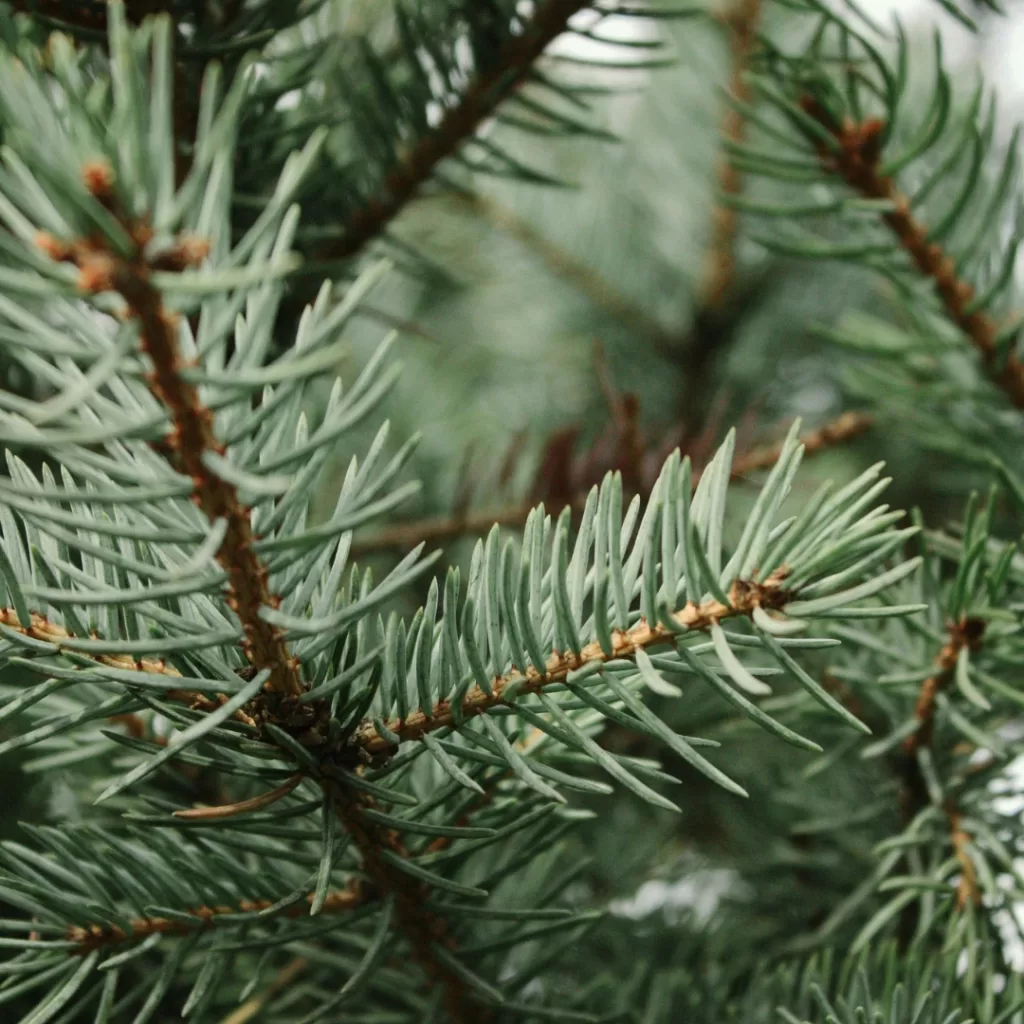
Pine Honey: Benefits, Flavor Profile & Why Greek Pine Honey Is Unique
Pine honey is one of the most distinctive honey varieties in the Mediterranean region. Unlike nectar-based honeys such as clover or thyme honey, pine honey belongs to a special category known as honeydew honey. This difference gives it a darker color, thicker texture, and more complex flavor profile. Greek pine
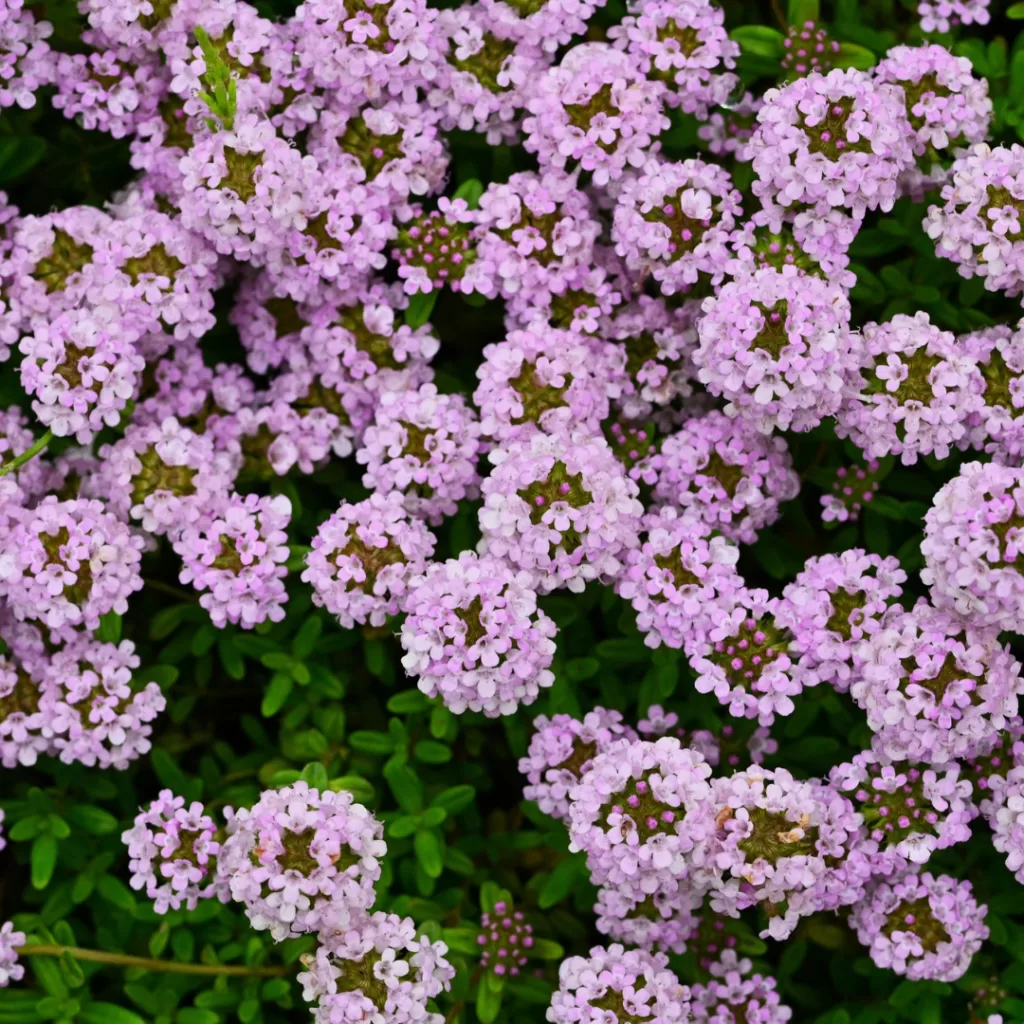
Thyme Honey: Benefits, Flavor Profile & Why Greek Thyme Honey Is So Special
Thyme honey is one of the most aromatic and distinctive honey varieties in the world. Produced primarily in Mediterranean regions — especially Greece — this honey develops an intense herbal fragrance and complex flavor profile that sets it apart from milder varieties like clover or wildflower honey. Because wild thyme
Kanuka Honey: Benefits, Uses & How It Compares to Manuka
Introduction Kanuka honey is a native New Zealand honey that is often compared to the more famous Manuka honey. While both originate from closely related plants, Kanuka honey has its own unique properties, flavor profile, and uses. Because Manuka honey dominates global attention, Kanuka honey is sometimes overlooked. However, this
Is Canadian Honey Different from Imported Honey? What You Should Know
Honey is sold all over the world, and jars often look similar on the shelf. But where honey comes from can make a meaningful difference in how it tastes, how it behaves, and how much information you have about its origin. Canadian honey is frequently compared to imported honey, especially
How Climate Affects Honey Production in Canada
Climate plays a major role in how honey is produced, and in a country as large and varied as Canada, climate differences shape everything from honey flavor to texture and harvest timing. Canadian honey is deeply influenced by short growing seasons, cooler temperatures, and regional weather patterns. In this article,