Pollen and Its Nutritional Value: Composition, Bee Bread, Benefits and Safety
Pollen is the protein- and lipid-rich reproductive material produced by flowering plants. Honey bees collect it, moisten it with nectar and secretions, pack it onto their hind legs and carry it home to feed developing brood and young workers.
This evidence-led guide explains what pollen contains, why its nutritional value varies by plant and season, how bee-collected pollen differs from flower pollen and bee bread, what human research can—and cannot—support, and the allergy and storage considerations that matter.
Is pollen nutritious?
For bees, diverse pollen supplies essential protein, amino acids, fats, vitamins, minerals and other compounds. Commercial bee pollen can contain those nutrients too, but its composition varies widely and it is not a standardized substitute for a balanced human diet.
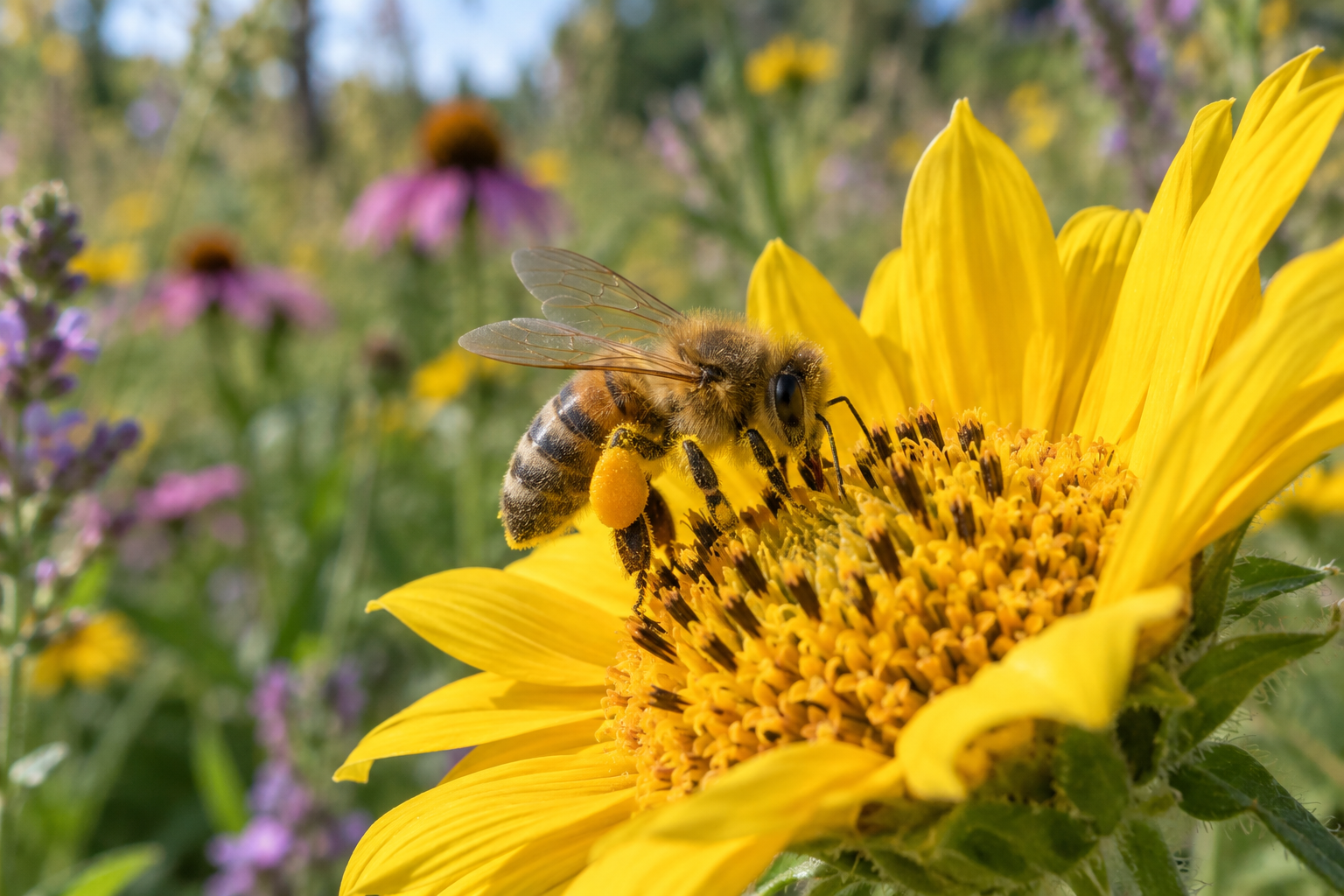
A worker honey bee gathers pollen and packs it into the corbiculae—or pollen baskets—on her hind legs. The color and composition of each load reflect the flowers visited.
Pollen—from plant reproduction to colony nutrition
Contents
What is pollen?
Pollen grains contain the male reproductive cells of seed-producing plants. Their protective outer walls, shapes and surface patterns differ among plant groups. Wind, water or animals move pollen between flowers; bees are especially effective because females actively collect it as larval food.
Honey bees brush pollen from their bodies, mix it with small amounts of nectar or secretions and compress it into loads carried on the hind legs. Beekeepers can collect a portion using entrance traps, producing the multicolored granules commonly sold as bee pollen.
Produced by plants
Microscopic grains vary in structure and chemistry among plant species.
Gathered and packed by workers
Plant pollen is combined with small amounts of bee secretions and nectar during collection.
Stored inside the comb
Pollen packed into cells changes during storage and differs from freshly trapped granules.
Flower pollen, bee pollen and bee bread compared
The terms overlap in everyday language, but source, handling and biological role differ.
| Material | Where it comes from | What happens to it | Primary context |
|---|---|---|---|
| Airborne or flower pollen | Produced directly by flowering plants | May be moved by wind or animal visitors | Plant reproduction and environmental exposure |
| Fresh bee-collected pollen | Gathered from flowers by worker bees | Moistened and compressed into hind-leg loads | Transport to the colony |
| Trapped bee pollen | Loads removed at a managed hive entrance | Usually cleaned, dried, frozen or otherwise stabilized | Commercial food or supplement ingredient |
| Bee bread | Pollen deposited inside comb cells | Mixed, packed, stored and chemically changed within the colony | Colony food, especially for nurses and developing brood |
| Pollen extract | Manufactured from selected pollen material | Processed into a concentrated or standardized ingredient | Research or commercial formulations; not equivalent to whole granules |
Bottom line: results from one pollen material should not automatically be applied to every other form.
How honey bees gather and use pollen
A forager loosens pollen with her legs and body hairs, grooms the grains toward her hind legs and compresses them into the smooth pollen baskets called corbiculae. Nectar helps bind the load. Back at the hive, workers deposit pollen into cells near brood-rearing areas.
Nurse bees consume pollen and use its nutrients while producing glandular foods for larvae and other colony members. Colonies benefit from access to diverse, suitable floral resources because no single plant necessarily provides every nutrient in ideal proportions.
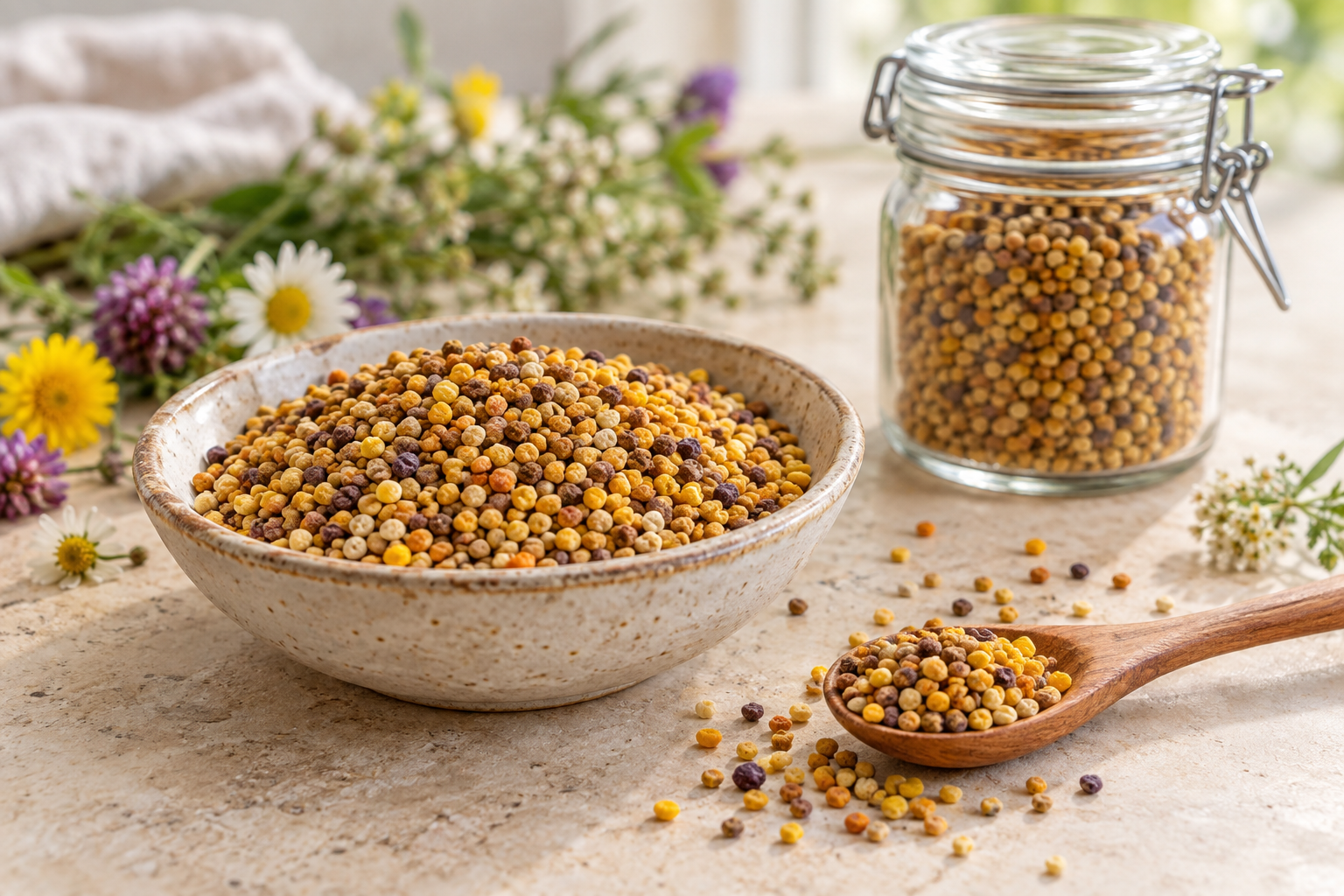
Bee pollen granules naturally vary in color because the pollen may come from different plant species. Color alone cannot establish freshness, purity or nutritional quality.
What nutrients does bee pollen contain?
Analyses of bee pollen commonly identify protein and amino acids, carbohydrates, lipids and fatty acids, fiber, minerals, vitamins and plant compounds such as carotenoids and phenolics. Reported amounts vary substantially with botanical origin, geography, season, weather, collection and processing.
| Component | Why it matters biologically | Why the amount varies |
|---|---|---|
| Protein and amino acids | Support tissue growth, enzymes and brood development | Plant species differ greatly in protein concentration and amino-acid balance |
| Carbohydrates | Contribute energy and include plant sugars plus nectar added during collection | Floral source and the amount of nectar used to pack loads differ |
| Lipids and fatty acids | Supply energy and structural components | Botanical origin strongly influences total fat and fatty-acid profile |
| Vitamins and minerals | Participate in metabolism and physiological processes | Plant, soil, region, season and laboratory method all affect results |
| Phenolic compounds and pigments | Plant compounds with antioxidant activity in laboratory assays | Flower identity, storage, oxygen, light and processing influence levels |
| Water | Affects texture, microbial stability and shelf life | Freshness, humidity and stabilization method are major factors |
Important: a general composition range is not a Nutrition Facts panel for a specific product. Use verified product data when exact intake matters.
Why pollen’s nutritional value varies
Bee pollen is not one uniform ingredient. A predominantly chestnut lot can differ from willow, clover, rapeseed or mixed wildflower pollen. Even samples carrying the same floral name may change with region, soil, rainfall, harvest date and laboratory method.
Botanical source
Plant species strongly affects protein, lipid, amino-acid and phytochemical profiles.
Geography and soil
Climate, soil and surrounding vegetation shape what colonies collect.
Changing forage
The mixture entering a hive can shift week by week as plants begin and finish flowering.
Stabilization
Fresh pollen is perishable; drying or freezing changes storage behavior.
Time, heat and oxygen
Poor conditions can reduce sensory quality and alter sensitive compounds.
Sampling and methods
Results depend on whether the sample represents one load, one hive or a blended lot.
What human health research can—and cannot—say
Bee pollen contains nutrients and bioactive plant compounds, and laboratory studies often report antioxidant or antimicrobial activity. Those findings help describe chemistry, but they do not by themselves prove that eating ordinary bee pollen prevents or treats disease.
Human research is limited, products are not chemically identical and study preparations may differ from retail granules. Claims involving immunity, allergies, athletic performance, weight loss, hormones or chronic disease need evidence specific to the product, dose and outcome.
Allergies, contamination, storage and responsible buying
Bee pollen can trigger allergic reactions, including serious reactions, particularly in people sensitive to pollens or other bee-related materials. Anyone with allergies, asthma, pregnancy, a health condition or medication concerns should seek individualized advice from a qualified healthcare professional before using it.
- Buy traceable products: look for the responsible producer, origin, lot identification and clear storage directions.
- Avoid disease claims: products marketed as treatments deserve regulatory and evidence scrutiny.
- Check stabilization: fresh, frozen and dried pollen require different handling.
- Protect from moisture: use a sealed container and follow the manufacturer’s temperature guidance.
- Watch for spoilage: discard material with moisture intrusion, mold, abnormal odor or damaged packaging.
- Do not assume color proves quality: multicolored granules usually reflect floral diversity, not a quality grade.
Related pollen and bee biology guides
Follow pollen from flowers into the colony and understand how it supports bee development and pollination.
Importance of Honeybees for Ecosystems
Understand how flower visits connect plant reproduction, food systems and biodiversity.
Honey Bee Anatomy
See how branched hairs, legs and pollen baskets support collection.
How Many Bees Are in a Hive?
Learn how brood, workers, season and forage shape colony population.
Relevant bee nutrition, forage and pollination guides
Continue with current Hive To Honey articles covering flowers, pollen collection, colony nutrition, pollination and bee health.
Why Is My Honey Foamy? Bubbles, Wax or Fermentation Explained
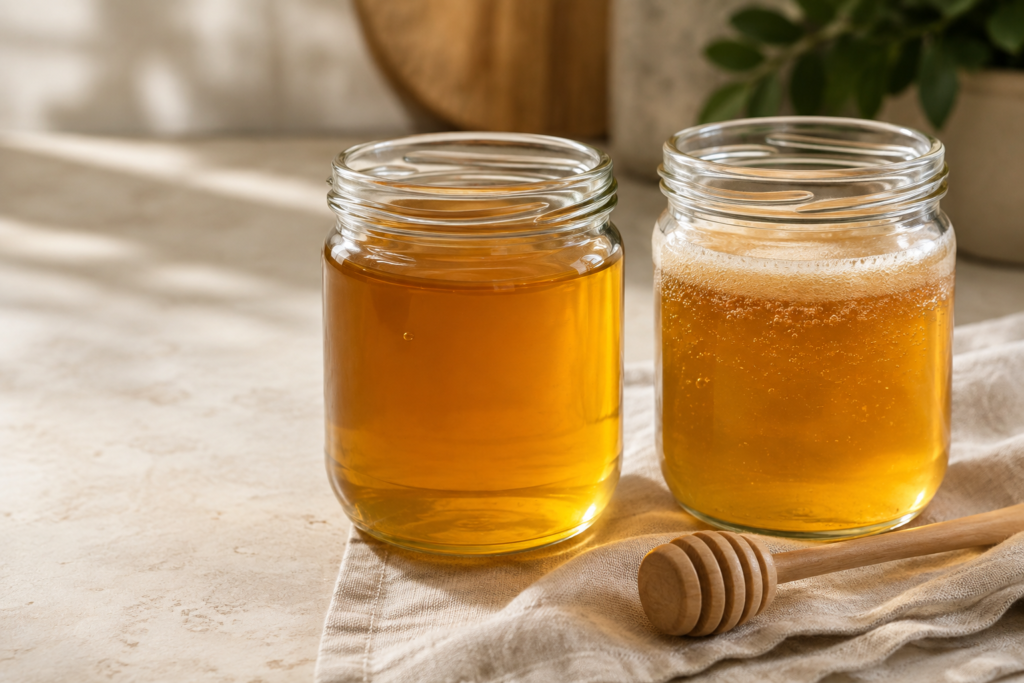
THE COMPLETE HONEY FOAM GUIDE Why Is My Honey Foamy? Bubbles, Wax or Fermentation Explained Foam on honey is not automatically spoilage.
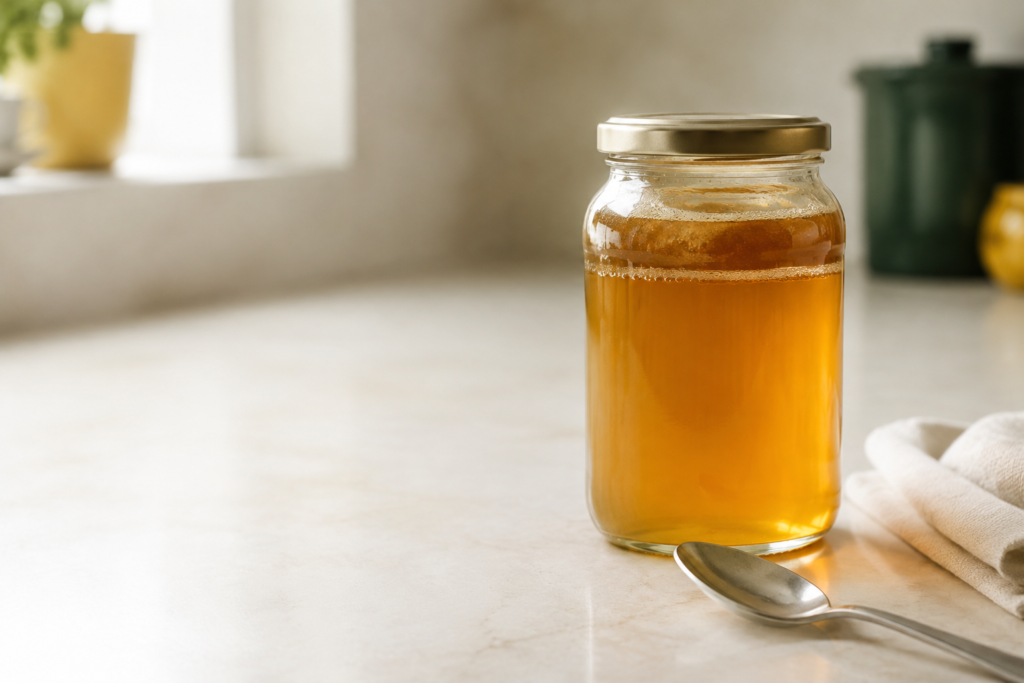
Why Does Honey Ferment? Signs, Causes and Prevention
THE COMPLETE HONEY FERMENTATION GUIDE Why Does Honey Ferment? Signs, Causes and Prevention Unintended honey fermentation usually begins when yeasts can use
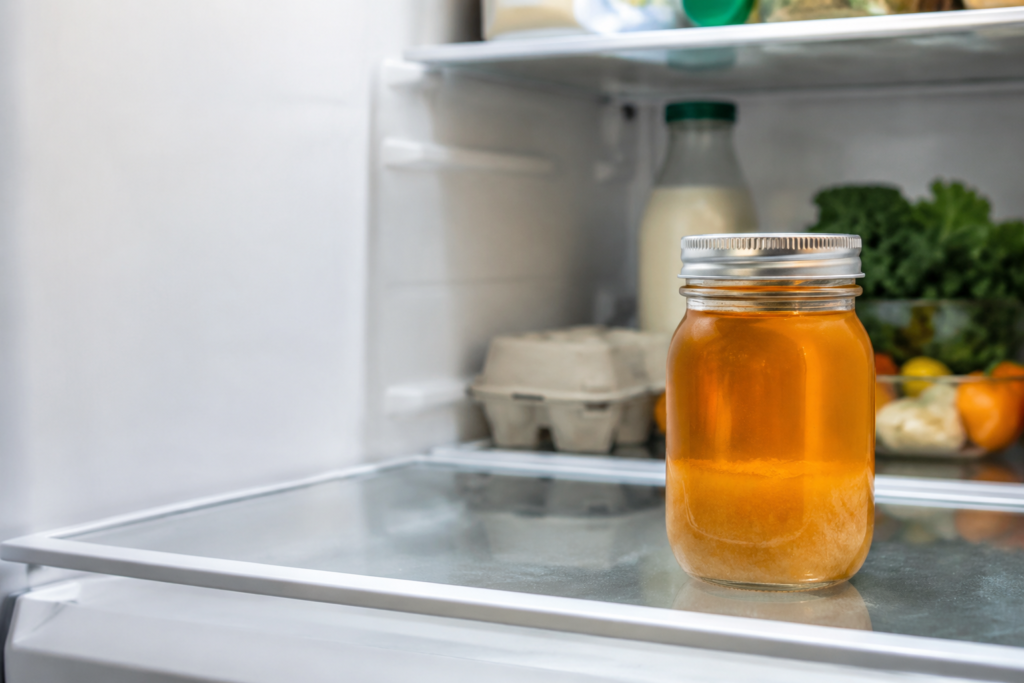
Does Honey Need to Be Refrigerated? What Happens in the Fridge
THE COMPLETE COLD-STORAGE GUIDE Does Honey Need to Be Refrigerated? What Happens in the Fridge Plain honey usually belongs in a dry
Pollen and nutritional value: frequently asked questions
What is bee pollen?
Bee pollen is plant pollen collected by foraging bees, moistened with nectar or secretions and packed into hind-leg loads. Commercial granules are commonly collected at managed hive entrances.
Is bee pollen the same as bee bread?
No. Bee bread is pollen packed and stored inside comb cells, where it undergoes changes within the colony. Trapped bee pollen is collected before that storage process.
Is bee pollen high in protein?
It can contain meaningful protein, but the concentration and amino-acid profile vary considerably by botanical source and processing. A specific product requires its own analysis.
Can bee pollen treat seasonal allergies?
Bee pollen should not be presented as a proven treatment. It can itself trigger allergic reactions, including serious ones, so people with pollen sensitivities should seek professional advice.
Why are bee pollen granules different colors?
Pollen pigments and chemistry differ among plants. A multicolored lot usually represents several floral sources, although color alone cannot reliably identify each plant.
How should bee pollen be stored?
Follow the producer’s directions because fresh, frozen and dried products differ. Keep packaging sealed and protect the pollen from moisture, heat and contamination.
Research and food-safety sources
- FAO. Value-added products from beekeeping: pollen.
- FAO Open Knowledge Repository. Food processing and beekeeping resources.
- National Library of Medicine, PubMed Central. Review of bee-pollen nutritional and bioactive properties.
- U.S. Food and Drug Administration. FDA 101: Dietary Supplements.
- U.S. Food and Drug Administration. Dietary supplement regulation and safety.
Bee-pollen composition varies strongly across products. Laboratory findings and commercial claims should be evaluated separately.
Follow pollen from flower to hive
Explore the anatomy, foraging behavior and colony systems that transform microscopic plant grains into essential bee nutrition.
Explore all bee guides →