Wildflower honey is one of the most widely produced and enjoyed honeys in Canada. Unlike monofloral honeys that come primarily from a single plant, Canadian wildflower honey is made from nectar collected from many different flowers blooming across a region.
Because Canada’s landscapes and seasons vary so much, wildflower honey produced in different parts of the country can taste surprisingly different from one another. This natural variability is part of what makes it so appealing.
In this guide, we’ll explore what Canadian wildflower honey is, how it’s produced, and why its flavor and appearance can change from year to year.
Table of Contents
ToggleWhat Is Wildflower Honey?
Wildflower honey is honey made from the nectar of multiple flowering plants rather than one dominant floral source. Bees forage freely across fields, meadows, forests, and agricultural land, collecting nectar wherever flowers are available.
In Canada, wildflower honey often includes nectar from:
- Clover
- Dandelion
- Goldenrod
- Alfalfa
- Native prairie and forest flowers
The exact mix depends on region, season, and local plant life.
Why Canadian Wildflower Honey Is So Diverse
Canada’s geography plays a major role in shaping wildflower honey.
Regional Differences
- Prairie wildflower honey tends to be light and mild
- Eastern Canadian wildflower honey often has more pronounced floral notes
- Coastal and mountain regions may produce honey with subtle herbal or berry-like characteristics
Even within the same province, wildflower honey can vary significantly depending on where bees forage.
Seasonal Variation
Canada’s flowering season is relatively short but intense. Early-season wildflower honey may taste different from honey harvested later in the summer as different plants come into bloom.
This is why wildflower honey:
- Changes year to year
- May differ from batch to batch
- Reflects the specific growing season
Flavor Profile of Canadian Wildflower Honey
Canadian wildflower honey typically has:
- A balanced sweetness
- Mild to medium floral notes
- A smooth, approachable flavor
Because it’s a blend of many nectar sources, wildflower honey rarely has overpowering flavors. This makes it a popular everyday honey.
Color and Texture
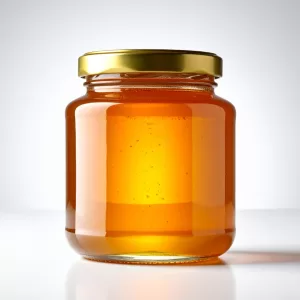
The color of Canadian wildflower honey can range from:
- Pale golden
- Amber
- Occasionally darker tones
Texture varies as well. Some wildflower honeys remain liquid longer, while others crystallize more quickly depending on the sugar balance of the nectar sources involved.
Crystallization is normal and does not affect quality.
How Canadian Wildflower Honey Is Produced
Wildflower honey production involves:
- Bees foraging naturally across diverse landscapes
- Beekeepers harvesting honey after peak bloom periods
- Minimal blending compared to commercial honey products
In many cases, wildflower honey reflects a specific region and season, even if it isn’t labeled as single-flower or single-origin honey.
Wildflower Honey vs Monofloral Honey
The main difference lies in consistency and predictability.
- Wildflower honey:
- Varies in flavor and color
- Reflects natural diversity
- Changes seasonally
- Monofloral honey:
- More consistent
- Distinct flavor profile
- Often tied to a specific plant
Neither is better — they simply offer different experiences.
How Wildflower Honey Is Commonly Used
Because of its balanced flavor, Canadian wildflower honey is versatile.
Common uses include:
- Sweetening tea and coffee
- Baking and cooking
- Drizzling over yogurt or toast
- Everyday table honey
Its mild profile allows it to complement foods without overpowering them.
Does Canadian Wildflower Honey Crystallize?
Yes, and often faster than people expect.
Crystallization depends on:
- Glucose-to-fructose ratio
- Temperature
- Storage conditions
Many Canadian wildflower honeys crystallize naturally due to cooler climates and certain floral sources. This is a normal and positive sign of honey’s natural composition.
Why People Choose Canadian Wildflower Honey
People often choose wildflower honey because:
- It reflects natural biodiversity
- It offers variety and uniqueness
- It’s widely available
- It works well for everyday use
For those interested in honey that represents place and season, wildflower honey is an excellent choice.
Final Thoughts
Canadian wildflower honey is shaped by the country’s landscapes, climate, and seasonal rhythms. Its flavor and appearance may change, but that variability is part of its appeal.
Understanding wildflower honey helps build appreciation for honey as a natural product influenced by environment rather than industrial uniformity.
Canadian wildflower honey is one example of how geography and climate influence the characteristics of honey produced across the country.