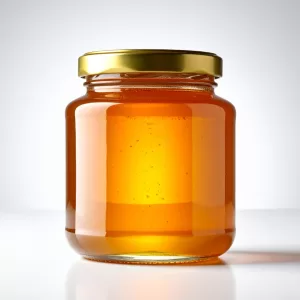
Clover honey is one of the most popular and widely consumed honey varieties in the world. Known for its light golden color, mild sweetness, and smooth floral flavor, it’s the honey most people picture when they think of a classic jar of honey.
But what exactly is clover honey?
Is clover honey healthy?
How does it compare to darker varieties like buckwheat or Manuka honey?
And is it truly better than wildflower honey?
In this complete 2026 guide, we’ll explore everything you need to know about clover honey — including its flavor profile, nutritional value, health benefits, how it’s made, how it compares to other honeys, and how to choose the highest-quality option. Explore more in our complete guide to honey varieties.
Table of Contents
ToggleWhat Is Clover Honey?
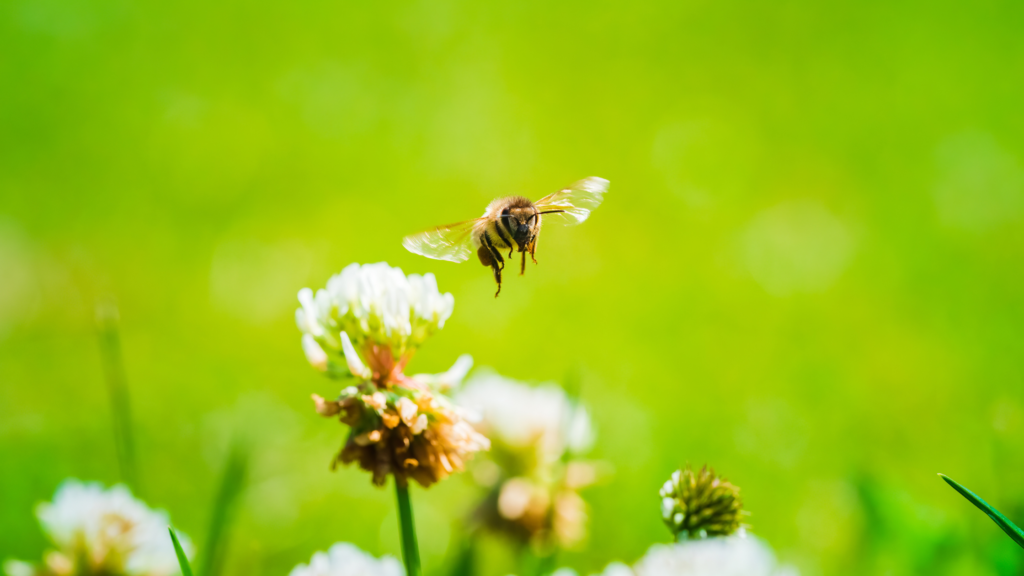
Clover honey is a monofloral honey made primarily from the nectar of clover plants (Trifolium species). “Monofloral” means the nectar source is predominantly from one type of flower.
Clover plants bloom abundantly in spring and early summer, especially in:
- The United States
- Canada
- Parts of Europe
- New Zealand
Because clover grows widely and produces nectar generously, clover honey is one of the most commercially available honey types worldwide.
It is typically:
- Light amber to pale gold in color
- Mild in taste
- Smooth and sweet
- Easy to pour and spread
Its balanced sweetness makes it an everyday household staple.
Why Is Clover Honey So Light in Color?
One of the defining characteristics of clover honey is its pale golden appearance.
The color of honey depends largely on:
- Mineral content
- Pollen composition
- Floral source
- Antioxidant concentration
Clover nectar naturally produces honey that is lower in mineral density compared to darker honeys. As a result, clover honey appears much lighter.
Clover Honey vs Buckwheat Honey
| Feature | Clover Honey | Buckwheat Honey |
|---|---|---|
| Color | Light golden | Dark amber to nearly black |
| Flavor | Mild and sweet | Bold and malty |
| Antioxidants | Moderate | High |
| Mineral Content | Lower | Higher |
| Best For | Everyday use | Antioxidant-rich diets |
Darker honeys tend to contain higher antioxidant levels, but clover honey remains nutritionally valuable and highly versatile.
What Does Clover Honey Taste Like?
Clover honey is known for its gentle, approachable flavor.
It is often described as:
- Mild
- Lightly floral
- Smooth
- Sweet without bitterness
- Clean finish
Unlike stronger varieties such as buckwheat or eucalyptus honey, clover honey does not overpower foods or beverages. This makes it ideal for:
- Tea and coffee
- Baking
- Breakfast foods
- Salad dressings
- Kids’ snacks (over 1 year old)
If you’re new to honey or prefer subtle sweetness, clover honey is often the best starting point.
How Is Clover Honey Made?
The production of clover honey follows the natural honey-making process carried out by honey bees.
1. Nectar Collection
Bees collect nectar from clover blossoms during bloom season. Clover flowers are rich in nectar, making them highly attractive to pollinators.
2. Enzymatic Conversion
Inside the hive, bees mix the nectar with enzymes from their saliva. This breaks down complex sugars into simpler ones like fructose and glucose.
3. Moisture Reduction
Bees deposit nectar into wax comb cells and fan it with their wings, reducing water content until it thickens into honey.
4. Capping
Once ready, bees seal the honeycomb with wax caps, preserving the honey for long-term storage.
5. Harvesting
Beekeepers remove the capped frames and extract the honey using centrifugal force. High-quality clover honey is often sold raw and minimally filtered to preserve its natural properties.
Nutritional Profile of Clover Honey
Like all honey varieties, clover honey is primarily composed of natural sugars.
Approximate Values Per Tablespoon:
- Calories: 60–70
- Carbohydrates: 17 grams
- Sugars: 16 grams (fructose and glucose)
- Trace minerals: calcium, potassium, magnesium
- Natural enzymes
- Antioxidants
Although honey is calorie-dense, it contains beneficial compounds not found in refined sugar.
Clover honey contains polyphenols and flavonoids, which contribute to its antioxidant activity.
Health Benefits of Clover Honey
While honey should always be consumed in moderation, clover honey offers several potential benefits.
1. Natural Energy Source
Clover honey provides quick, easily digestible carbohydrates. Many athletes use honey before workouts to support sustained energy.
2. Soothes Sore Throats
Honey’s thick texture coats the throat, while its natural antimicrobial properties may help soothe irritation.
Studies have shown that honey can reduce nighttime coughing in children over one year old.
3. Antioxidant Support
Though lighter than buckwheat honey, clover honey still contains antioxidants that help reduce oxidative stress in the body.
4. Digestive Support
Raw honey contains small amounts of prebiotic compounds that may support beneficial gut bacteria.
5. Skin Application
Honey has historically been used for minor skin irritations and wound care due to its antimicrobial properties.
Note: Honey is not a replacement for medical treatment. Always consult a healthcare professional for serious conditions.
Clover Honey vs Other Popular Honeys
Understanding how clover honey compares to other varieties helps you choose the right one for your needs.
Clover Honey vs Wildflower Honey
Wildflower honey comes from multiple floral sources, which means its flavor can vary depending on region and season.
Clover honey is more consistent in taste and color.
Clover Honey vs Manuka Honey
| Feature | Clover Honey | Manuka Honey |
|---|---|---|
| Origin | North America, Europe | New Zealand |
| Flavor | Mild | Earthy, medicinal |
| Antibacterial Rating | Natural | Standardized (UMF/MGO) |
| Price | Affordable | Premium |
Manuka honey is prized for specific antibacterial compounds, while clover honey is an everyday, versatile option.
Clover Honey vs Buckwheat Honey
Buckwheat honey is darker and higher in antioxidants, while clover honey is milder and more family-friendly.
Does Clover Honey Crystallize?
Yes — clover honey will eventually crystallize.
Crystallization is a natural process caused by glucose separating from water. It does not mean the honey has gone bad.
To return it to liquid form:
- Place jar in warm (not boiling) water
- Stir gently
- Avoid microwaving
Properly stored honey can last indefinitely.
Who Should Use Clover Honey?
Clover honey is ideal for:
- Families
- Children over 1 year old
- Everyday cooking
- Baking and beverages
- People who prefer mild sweetness
It’s one of the most versatile honey types available.
Who Should Avoid Clover Honey?
- Infants under 1 year old
- Individuals with severe pollen allergies
- Those advised by a doctor to limit sugar intake
As with any sweetener, moderation is key.
How to Choose High-Quality Clover Honey
Not all clover honey is created equal.
Look for:
- Raw or unfiltered labeling
- “100% pure honey”
- No added syrups or sweeteners
- Minimal processing
- Local sourcing when possible
Mass-produced honey is often heated heavily, which can reduce enzyme activity.
How to Store Clover Honey
To maintain quality:
- Store at room temperature
- Keep sealed tightly
- Avoid moisture exposure
- Do not refrigerate
Glass jars are ideal, though food-grade plastic containers also work.
Frequently Asked Questions About Clover Honey
Is clover honey real honey?
Yes. Clover honey is a monofloral honey made primarily from clover nectar.
Is clover honey healthier than regular honey?
Clover honey is real honey. The term “regular honey” often refers to blended varieties.
Why is clover honey so light?
Its floral source contains lower mineral and antioxidant concentrations compared to darker honeys.
Is clover honey good for cough?
Honey in general has been shown to soothe coughs in children over one year old.
Does clover honey crystallize?
Yes. This is natural and safe.
Is clover honey better than wildflower honey?
It depends on preference. Clover is milder and more consistent.
Can clover honey help with allergies?
Some believe local honey may help with seasonal allergies, though scientific evidence is limited.
How long does clover honey last?
When stored properly, honey can last indefinitely.
Final Thoughts
Clover honey remains one of the most versatile and widely loved honey varieties in the world. Its mild sweetness, smooth texture, and approachable flavor make it ideal for everyday use.
While darker honeys may offer higher antioxidant levels, clover honey’s balance, affordability, and consistent flavor profile make it a staple in kitchens everywhere.
Whether you use it to sweeten tea, bake healthier desserts, or simply enjoy it by the spoonful, clover honey is a timeless natural sweetener that deserves a place in your pantry.