When shopping for honey, you’ve likely seen labels that say “raw,” “pure,” “filtered,” or “unfiltered.” While many people focus on raw vs processed honey, another important distinction is often overlooked:
Filtered vs unfiltered honey.
Does filtering remove nutrients?
Is unfiltered honey healthier?
Why do some honeys look crystal clear while others appear cloudy?
In this in-depth guide, we’ll break down:
What honey filtration actually is
How filtered and unfiltered honey differ
What happens to pollen during filtration
How ultra-filtered honey works
Whether filtering affects nutrition
Which type may be better for different uses
This is a purely educational guide designed to clarify terminology and help you understand honey processing in detail.
What Is Filtered Honey?
Filtered honey is honey that has been passed through a fine filter to remove:
Wax particles
Bee parts
Air bubbles
Pollen particles
Small debris
Filtration makes honey:
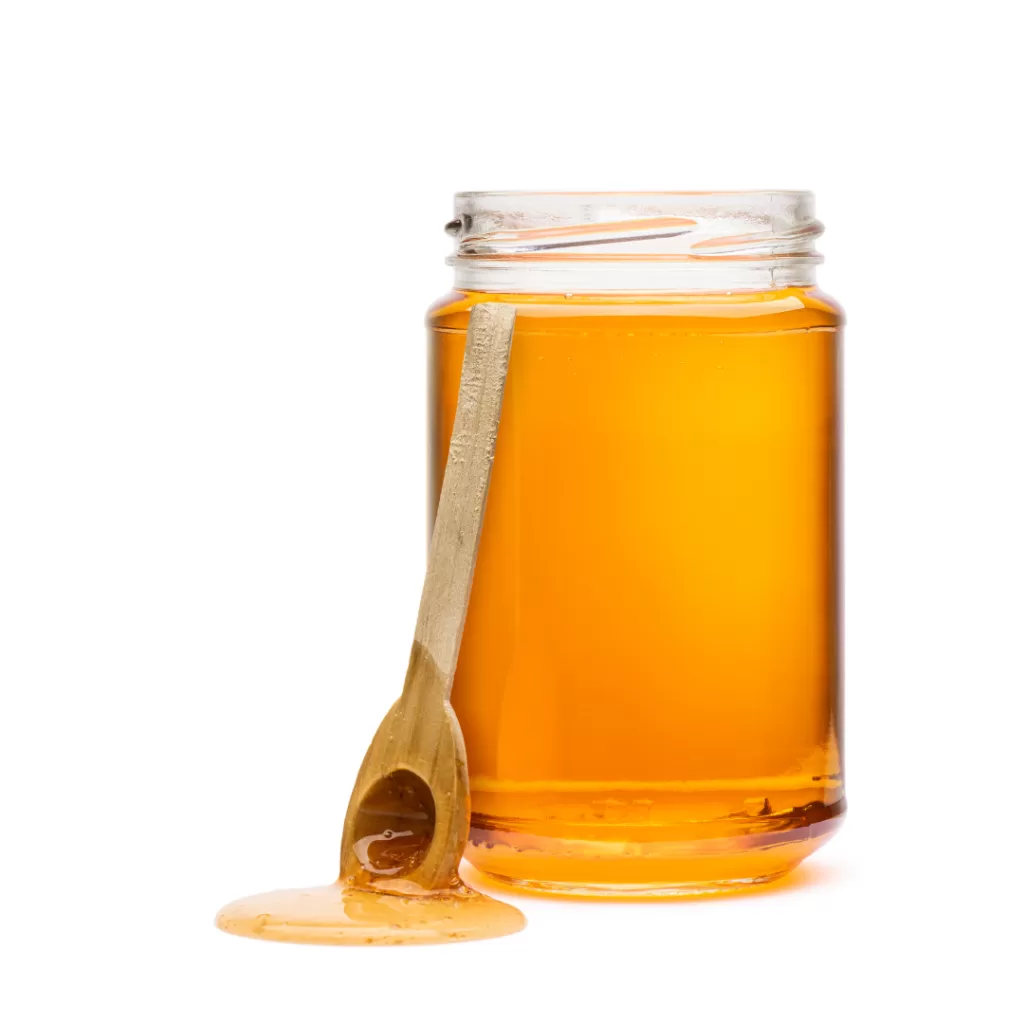
Clearer
Smoother
More uniform
Slower to crystallize
Most commercially sold honey in supermarkets is filtered.
What Is Unfiltered Honey?
Unfiltered honey is honey that has only been lightly strained. It may still contain:
Pollen
Tiny wax fragments
Microscopic air bubbles
Trace propolis
Because of this, unfiltered honey often appears:
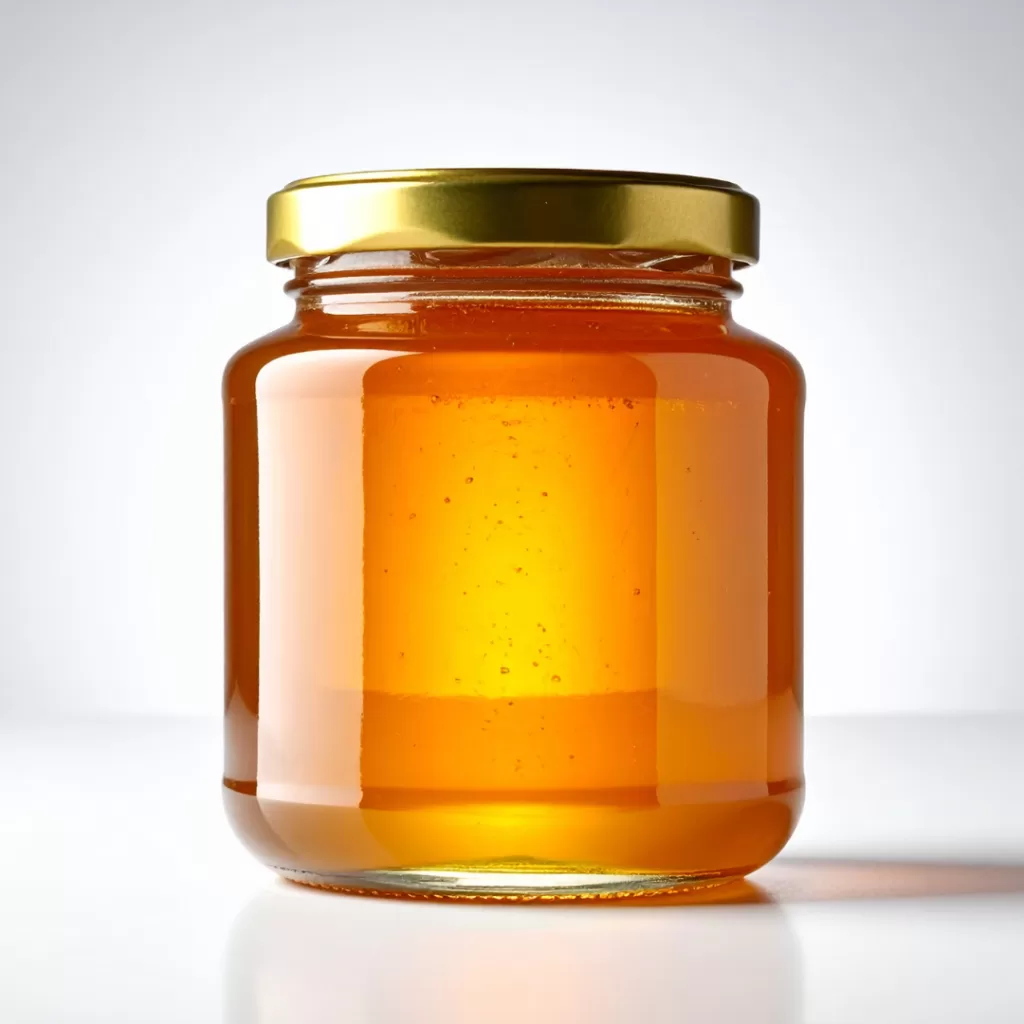
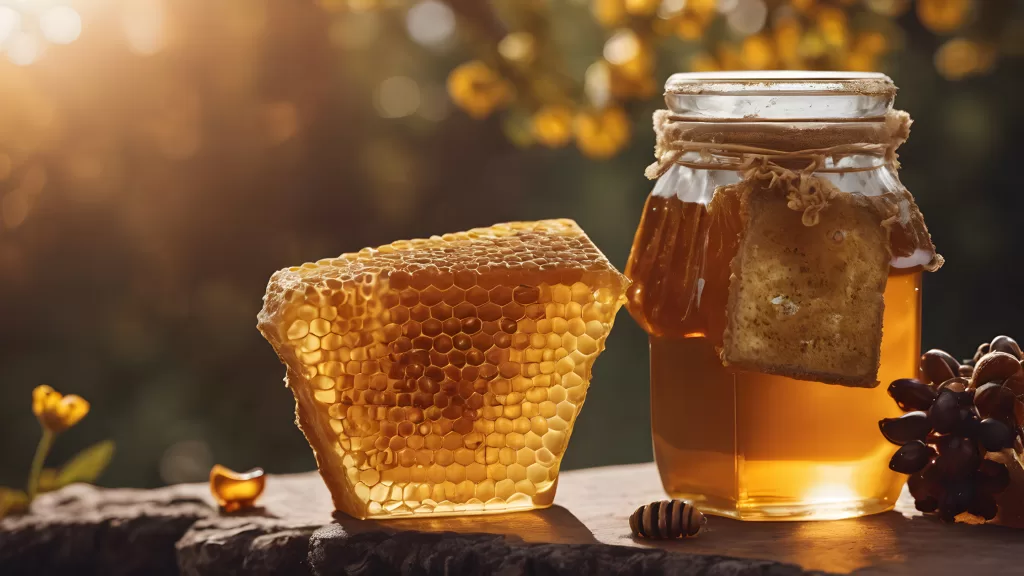
Cloudy
Opaque
Slightly thicker
Less uniform in texture
Unfiltered honey may crystallize more quickly because natural particles act as crystallization “seeds.”
Filtered vs Unfiltered Honey: Side-by-Side Comparison
| Feature | Filtered Honey | Unfiltered Honey |
|---|
| Appearance | Clear, smooth | Cloudy, natural |
| Pollen content | Often removed | Typically retained |
| Crystallization | Slower | Faster |
| Texture | Uniform | Variable |
| Shelf appearance | Consistent | May change over time |
| Processing level | Moderate | Minimal |
Why Is Honey Filtered?
There are several reasons honey producers filter honey:
1. Visual Appeal
Consumers often associate clear honey with purity. Filtration improves clarity.
2. Slower Crystallization
Removing microscopic particles reduces crystallization speed.
3. Consistency
Large-scale distributors prefer uniform texture and color.
4. Extended Market Shelf Life
Clear honey looks more stable in retail environments.
Filtration is primarily a cosmetic and stability process.
What Happens to Pollen During Filtration?
This is where much debate occurs.
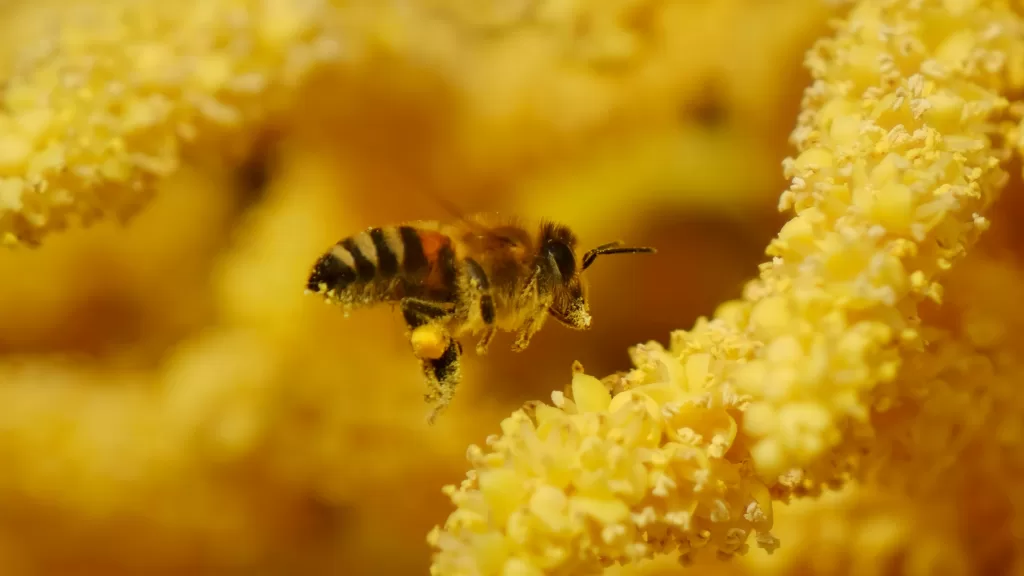
Pollen grains are tiny and naturally present in honey. They:
Reflect the floral source
Provide trace plant compounds
Allow laboratories to verify geographic origin
When honey is lightly filtered, some pollen remains.
When honey is ultra-filtered, nearly all pollen can be removed.
Ultra-filtration involves:
This level of filtration can remove nearly all traceable pollen.
Does Filtering Remove Nutrients?
Honey is primarily composed of:
Fructose
Glucose
Water
Organic acids
Small amounts of enzymes
Trace minerals
Pollen contains additional plant compounds and antioxidants.
Light filtration removes large particles but does not significantly alter sugar composition.
Ultra-filtration may reduce:
However, honey is not a major source of vitamins or minerals to begin with.
The nutritional difference between filtered and unfiltered honey is generally modest.
What Is Ultra-Filtered Honey?
Ultra-filtered honey undergoes extensive processing to remove:
Nearly all pollen
Very fine particles
Microscopic impurities
This type of filtration is often associated with:
Removing pollen makes it harder to trace honey’s geographic origin.
This is one reason ultra-filtration has sparked controversy in food transparency discussions.
Is Unfiltered Honey Better?
“Better” depends on your criteria.
Unfiltered honey may appeal to those who prefer:
Minimal processing
Natural cloudiness
Pollen presence
Less industrial handling
Filtered honey may appeal to those who prefer:
Clear appearance
Slow crystallization
Smooth texture
Predictable consistency
Neither type is inherently unsafe or fake when properly sourced.
Crystallization Differences
Unfiltered honey crystallizes more quickly because:
Filtered honey crystallizes more slowly because:
Crystallization is natural and does not indicate spoilage.
Is Supermarket Honey Filtered?
Most supermarket honey is filtered.
Some brands may also use ultra-filtration for:
Clarity
Stability
Blended sourcing
However, labeling practices vary by country and brand.
Checking product labeling and brand transparency can provide more insight.
Does Filtering Affect Taste?
Filtering has less impact on flavor than floral source.
For example:
That said, some subtle flavor complexity may be reduced with extensive processing.
Food Safety and Filtration
Filtration removes visible debris but does not sterilize honey.
Honey’s natural antimicrobial properties come from:
Low moisture
High sugar concentration
Natural acidity
Both filtered and unfiltered honey are shelf-stable when stored properly.
As with all honey:
Do not give honey to infants under 12 months of age.
How to Tell If Honey Is Filtered
Indicators that honey may be filtered:
Crystal clear appearance
Very uniform color
No visible particles
Slow crystallization
Indicators it may be unfiltered:
However, appearance alone is not always definitive.
Environmental and Transparency Considerations
Some advocates prefer unfiltered honey because:
Filtered honey, however, is widely used in global markets and can still be high quality.
Transparency and sourcing practices matter more than filtration alone.
Which One Should You Choose?
Choose unfiltered honey if you prefer:
Minimal handling
Natural appearance
Presence of pollen
Choose filtered honey if you prefer:
Clear texture
Slow crystallization
Uniform look
From a calorie and sugar standpoint, both are similar.
Common Myths About Filtered Honey
Myth: Filtered honey is fake
Filtered honey is real honey that has undergone physical filtration.
Myth: Unfiltered honey cures allergies
Scientific evidence supporting this claim is limited.
Myth: Cloudy honey is spoiled
Cloudiness often indicates minimal processing.
Final Thoughts
Filtered and unfiltered honey differ primarily in the degree of particle removal. While unfiltered honey retains more natural pollen and microscopic particles, filtered honey offers clarity and slower crystallization.
The most important factors influencing honey quality remain:
Floral source
Beekeeping practices
Storage conditions
Transparency in labeling
Understanding these distinctions helps you evaluate honey beyond marketing terms and make informed decisions based on your preferences.