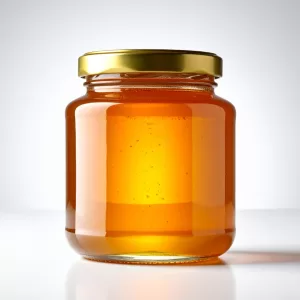
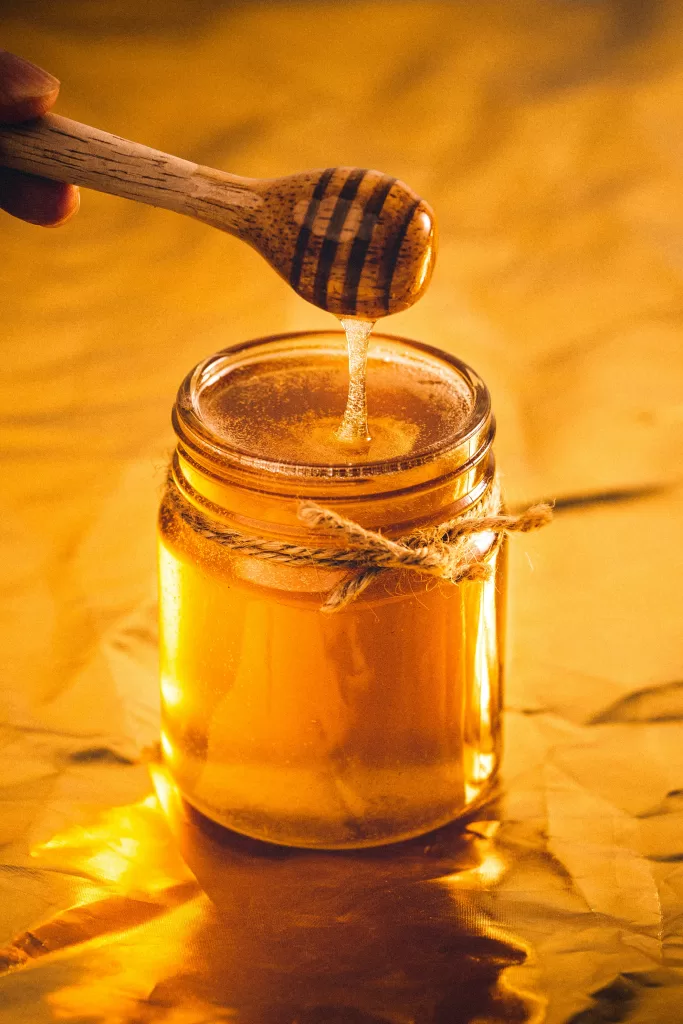
Fireweed honey is one of the most prized and recognizable honeys produced in Canada. Known for its light color, smooth texture, and delicate flavor, it has earned a reputation as a premium honey both within Canada and internationally.
What makes fireweed honey especially unique is not just how it tastes, but where and how it’s produced. Its availability depends heavily on geography, climate, and a very specific flowering plant that thrives in northern and mountainous regions.
In this guide, we’ll explore what fireweed honey is, where it comes from, and why it stands out among Canadian honey varieties.
Table of Contents
ToggleWhat Is Fireweed Honey?
Fireweed honey is produced from the nectar of the fireweed plant, a flowering species that commonly grows in northern climates and areas affected by land disturbance.
Fireweed plants:
- Bloom in large clusters
- Produce abundant nectar
- Flower for a limited period each year
When bees forage primarily on fireweed blossoms, the resulting honey takes on distinct characteristics that set it apart from other Canadian honeys.
Where Fireweed Honey Is Produced in Canada
Fireweed honey is most commonly produced in:
- British Columbia
- Yukon
- Northern Alberta
- Mountainous and boreal regions
Fireweed thrives in:
- Areas recovering from forest fires
- Cleared land
- Mountain slopes and alpine regions
Because these environments are not widespread or permanent, fireweed honey is seasonal and limited in supply.
Why Fireweed Honey Is So Highly Valued
Several factors contribute to fireweed honey’s reputation.
Limited Production
Fireweed blooms for a short window, usually in mid to late summer. If weather conditions are poor during this period, honey yields can be significantly reduced.
This unpredictability makes fireweed honey less common than clover or wildflower honey.
Distinct Flavor Profile
Fireweed honey is known for:
- Mild sweetness
- Subtle floral notes
- Clean, smooth finish
Its flavor is often described as refined and gentle, making it appealing to those who prefer lighter honeys.
Light Color and Clarity
Fireweed honey is typically:
- Very light in color
- Pale golden or nearly clear
- Visually clean and bright
This appearance often leads people to associate it with purity and quality.
Texture and Crystallization
Fireweed honey tends to crystallize more slowly than many other Canadian honeys. This is due to its natural sugar composition, which differs from honeys like canola or clover.
When it does crystallize, the crystals are usually fine and smooth.
Crystallization, as always, is a natural process and does not indicate spoilage.
Fireweed Honey vs Other Canadian Honeys
Compared to other common Canadian honeys:
- Fireweed vs Clover:
Fireweed is lighter and more delicate, while clover is mild but slightly fuller. - Fireweed vs Wildflower:
Fireweed is more consistent in flavor, while wildflower varies seasonally. - Fireweed vs Canola:
Fireweed crystallizes more slowly and has a more refined taste.
These differences help explain why fireweed honey is often marketed as a specialty or premium honey.
How Fireweed Honey Is Commonly Used
Because of its mild flavor, fireweed honey is often enjoyed in ways that highlight its subtlety.
Popular uses include:
- Drizzling over toast or yogurt
- Sweetening tea without overpowering it
- Pairing with soft cheeses
- Enjoying by the spoonful
Its gentle profile makes it less ideal for heavy cooking, where stronger flavors are needed.
Why Fireweed Honey Reflects Its Environment
Fireweed honey is a strong example of how place influences honey.
Factors that shape fireweed honey include:
- Northern latitude
- Cooler nights
- Short growing seasons
- Wild, less-developed landscapes
These conditions contribute to both the plant’s growth and the honey’s final characteristics.
Is Fireweed Honey Raw?
Fireweed honey can be raw or processed, depending on how it’s handled after harvest.
Many small-scale Canadian beekeepers:
- Use minimal heat
- Filter lightly
- Bottle honey close to its natural state
Checking the source or label is the best way to determine processing methods.
Why Fireweed Honey Is Often More Expensive
Fireweed honey often costs more because:
- It’s produced in limited quantities
- Harvest windows are short
- Production areas are remote
- Demand often exceeds supply
Its price reflects scarcity rather than marketing alone.
Final Thoughts
Fireweed honey is one of Canada’s most distinctive honey varieties, shaped by northern landscapes and short, intense flowering seasons. Its light color, smooth texture, and refined flavor make it a standout among Canadian honeys.
Understanding fireweed honey offers insight into how geography and environment influence not just where honey comes from, but how it tastes and behaves.
Fireweed honey is one of several regional honeys shaped by Canada’s climate, landscapes, and seasonal flowering patterns.