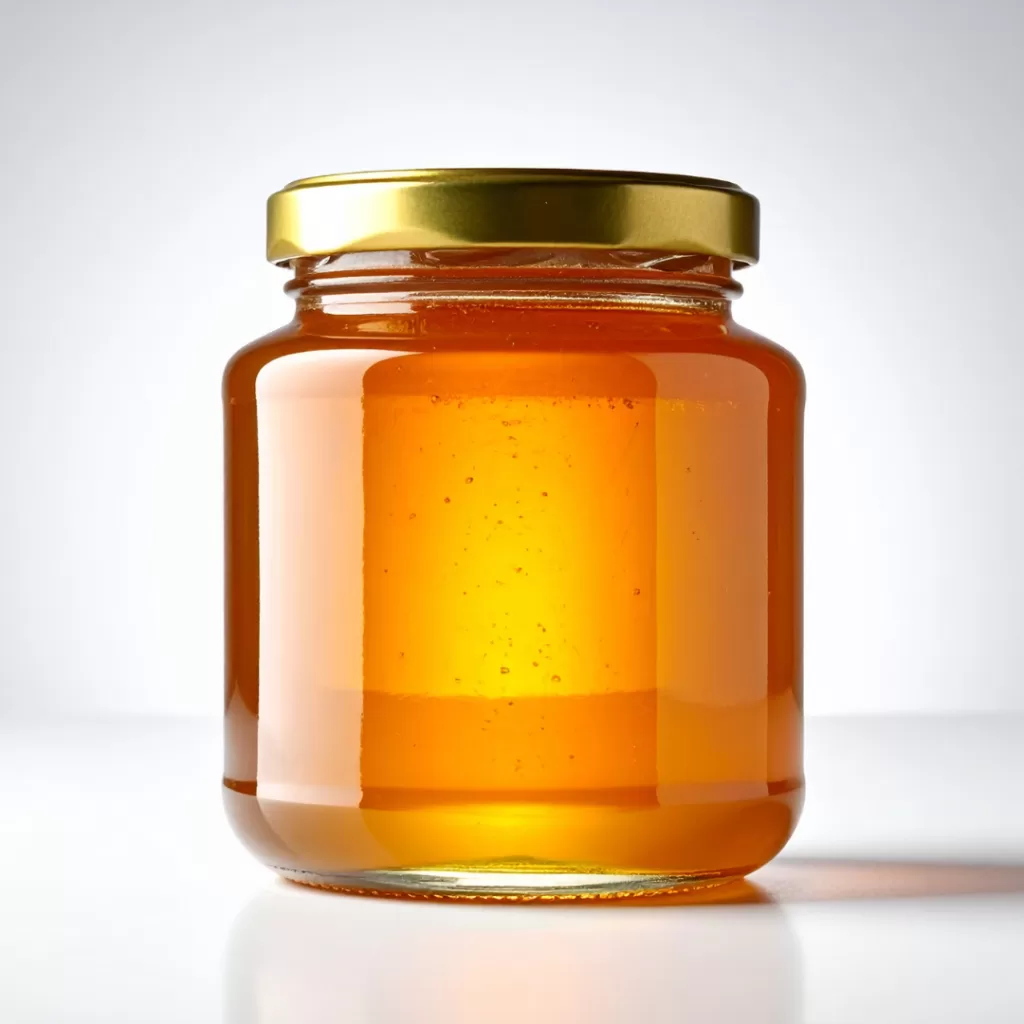
Why Greece Honey Stands Out GloballyGreece honey is widely recognized for its rich aroma, herbal complexity, and deep connection to Mediterranean landscapes. Thanks to the country’s dry climate, mountainous terrain, and native wild herbs, Greek honey develops distinctive flavor profiles that set it apart from many other global varieties.
Unlike countries known for large-scale agricultural honey production, Greece is famous for regional specialty honeys — especially thyme honey and pine honey.
In this comprehensive guide, you’ll discover:
What makes Greece honey unique
The most important Greek honey varieties
How Mediterranean climate influences flavor
Regional production differences
How Greek honey compares to other countries
Why Greece honey is considered premium
Why Greece Honey Is Unique
Several factors shape the character of Greece honey:
Dry Mediterranean climate
Rocky soil and mountainous terrain
Abundant wild herbs and native shrubs
Long flowering seasons
Traditional beekeeping practices
Because rainfall is limited during peak bloom periods, nectar becomes more concentrated. As a result, Greek honey often develops intense aroma and bold herbal notes.
The Most Famous Greek Honey Varieties
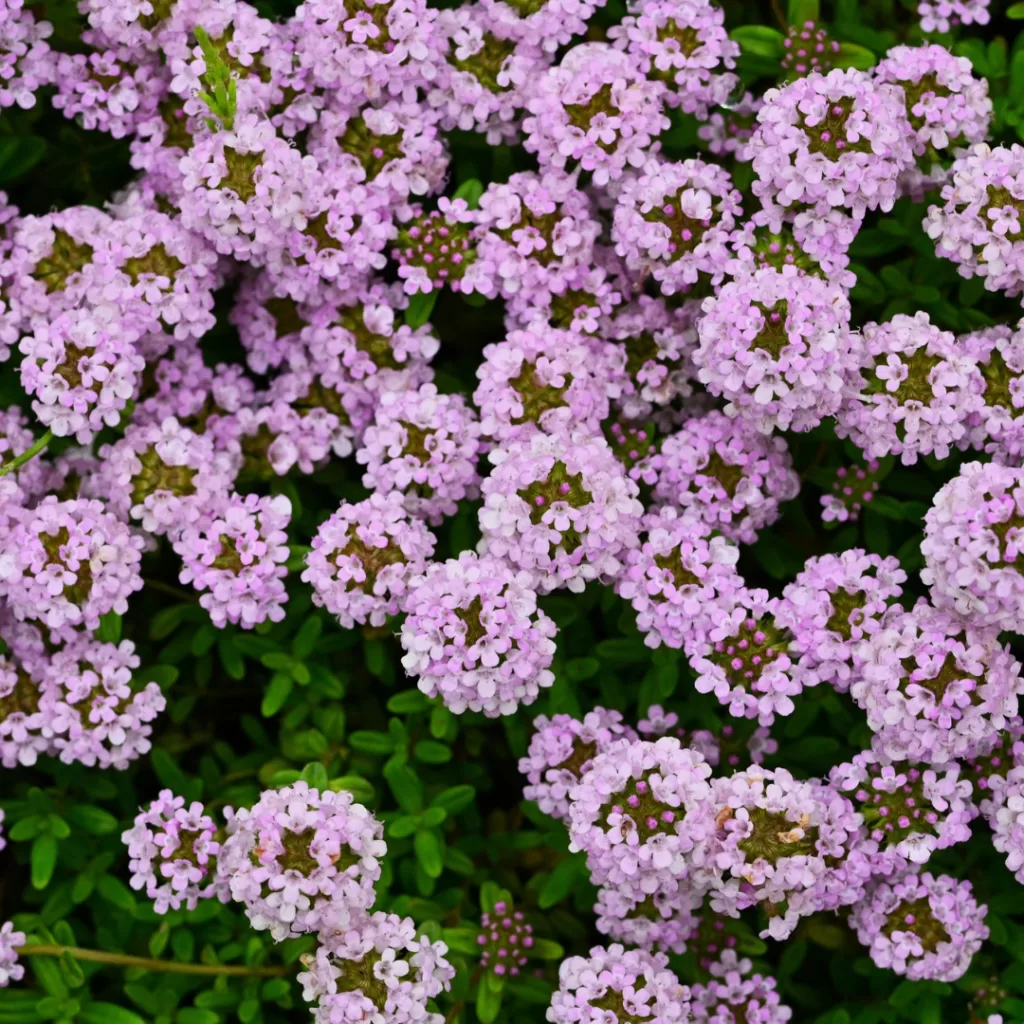
Thyme Honey
Thyme honey is the signature honey of Greece.
Produced from wild thyme growing across rocky hillsides and islands, this honey is known for:
Light amber to golden color
Strong aromatic fragrance
Herbal and slightly spicy flavor
High antioxidant levels
Thyme honey thrives in hot, dry climates — especially on Greek islands such as Crete and the Cyclades.
(Insert internal link to your Thyme Honey page if you build one later, or to Honey Varieties hub.)
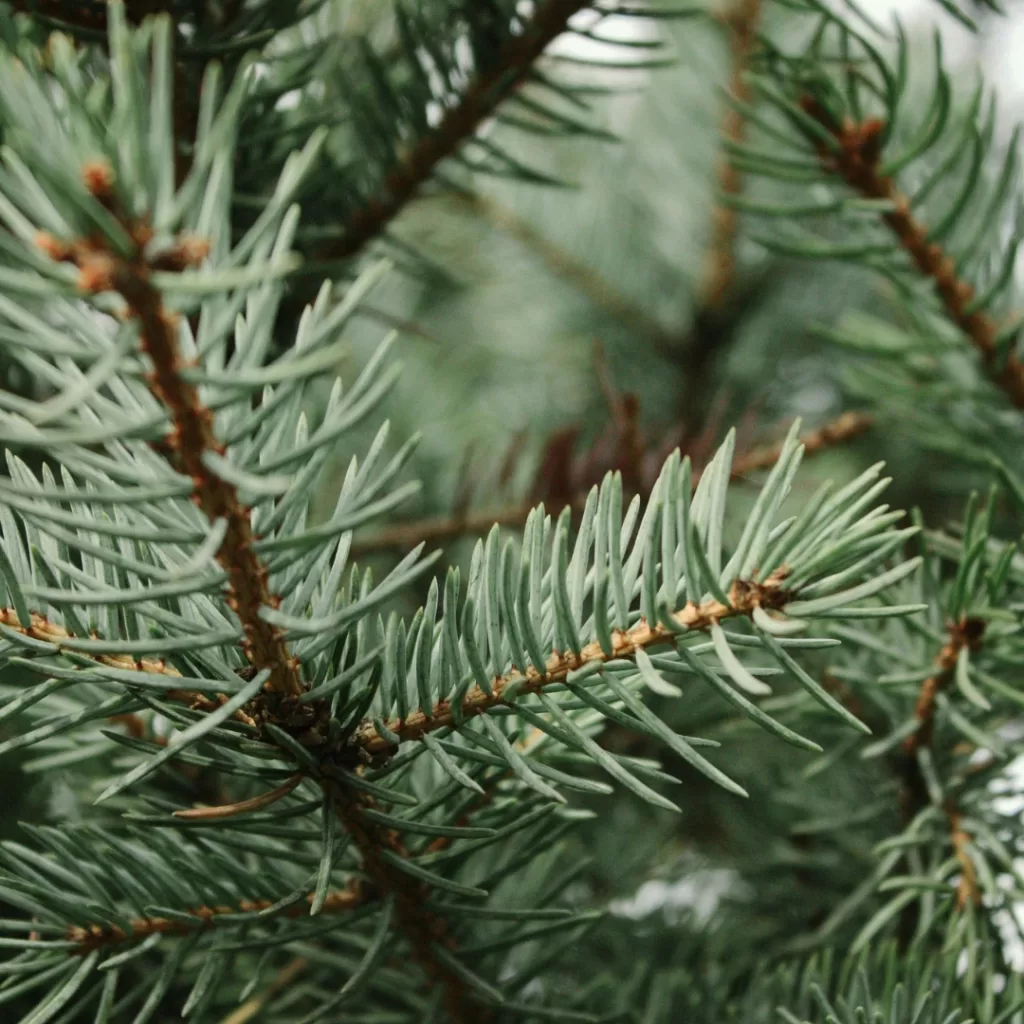
Pine Honey
Pine honey is another major Greek export.
Unlike nectar honey, pine honey is classified as honeydew honey. It is produced when bees collect secretions left by insects feeding on pine trees.
Pine honey typically features:
Because pine honey does not rely directly on flower nectar, it is less affected by drought and bloom timing.
Fir Honey
Produced in mountainous regions, fir honey is darker and less sweet than many nectar honeys.
It often contains:
Wildflower Honey
Greek wildflower honey varies depending on region. It may include nectar from:
Sage
Lavender
Oregano
Rosemary
Citrus blossoms
This diversity creates complex flavor profiles not commonly found in more agricultural honey systems.
How Mediterranean Climate Influences Greece Honey
Greece experiences:
Hot summers
Mild winters
Low summer rainfall
High sun exposure
These conditions encourage strong essential oil development in herbs like thyme and oregano.
Because nectar concentration increases under dry conditions, honey flavor intensifies. Therefore, Greece honey often tastes more aromatic and bold compared to honey from cooler climates like Canada.
Major Honey-Producing Regions in Greece
Crete
Crete produces some of the country’s most prized thyme honey. Mountain herbs contribute to highly aromatic profiles.
Peloponnese
This region supports thyme, pine, and citrus honey production.
Northern Greece
Northern regions produce fir honey and wildflower varieties influenced by forest ecosystems.
Greek Islands
Island ecosystems create distinctive microclimates that shape floral composition.
Greece Honey vs Honey From Other Countries
| Feature | Greece | Canada | New Zealand |
|---|
| Signature Type | Thyme & Pine | Clover & Buckwheat | Manuka |
| Flavor | Herbal, aromatic | Mild, clean | Earthy, medicinal |
| Climate | Mediterranean | Cool temperate | Maritime |
| Sweetness Level | Moderate | Moderate to high | Variable |
Greek honey stands out for its herbal intensity rather than antibacterial grading systems.
Is Greece Honey Organic?
Many Greek beekeepers operate in remote, mountainous areas with low pesticide exposure. However, organic certification depends on specific regulatory compliance.
Due to geography and lower industrial density in some regions, Greek honey often benefits from relatively clean forage environments.
Crystallization and Texture
Thyme honey may crystallize naturally due to glucose content. Pine honey, however, tends to crystallize more slowly.
Crystallization is normal and does not indicate spoilage.
Sustainability and Traditional Beekeeping in Greece
Greece maintains strong beekeeping traditions dating back centuries.
Many producers still use:
Mobile hive systems
Seasonal relocation
Small-batch production
This traditional approach contributes to quality perception and regional identity.
Why Greece Honey Is Considered Premium
Greece honey is often labeled premium because:
It is produced in smaller quantities
It has strong regional identity
It offers distinctive herbal flavor
It is less mass-produced than some export-focused countries
While it may not carry grading systems like UMF, its flavor complexity and Mediterranean terroir give it unique appeal.
Frequently Asked Questions
What is the most famous Greece honey?
Thyme honey is the most recognized Greek honey variety.
Is pine honey sweet?
Pine honey is less sweet than nectar honeys and often has resinous undertones.
Does Greece produce Manuka honey?
No. Manuka honey is native to New Zealand.
Is Greek honey healthy?
Like most raw honey, Greece honey contains antioxidants and natural enzymes. Specific benefits vary by floral source.
Final Thoughts
Greece honey represents the essence of Mediterranean terroir. From aromatic thyme honey harvested on rocky islands to resinous pine honey collected in forested mountains, Greek honey offers distinctive flavors shaped by climate and geography.
While countries like New Zealand dominate premium antibacterial markets, Greece shines through its herbal intensity and traditional production methods.
Exploring Greece honey provides insight into how environment and culture influence one of nature’s most versatile foods.