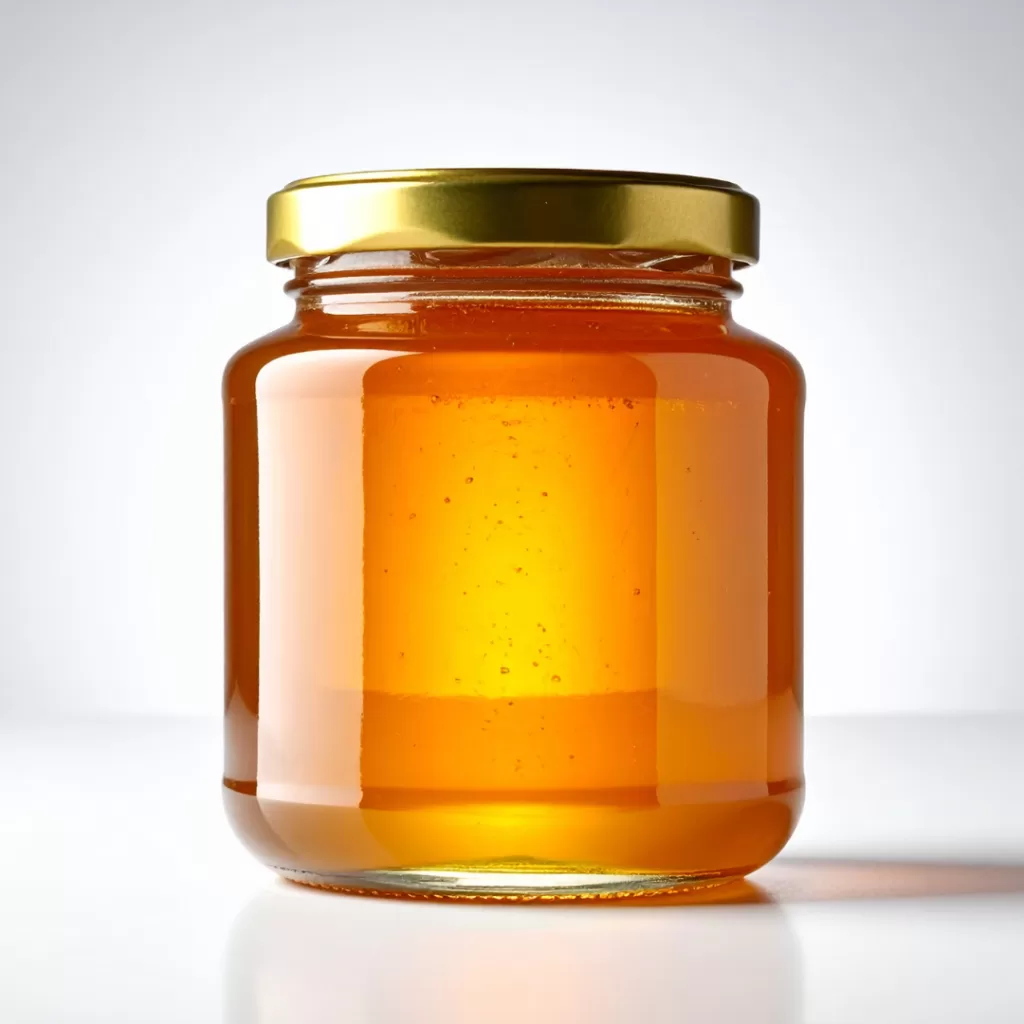
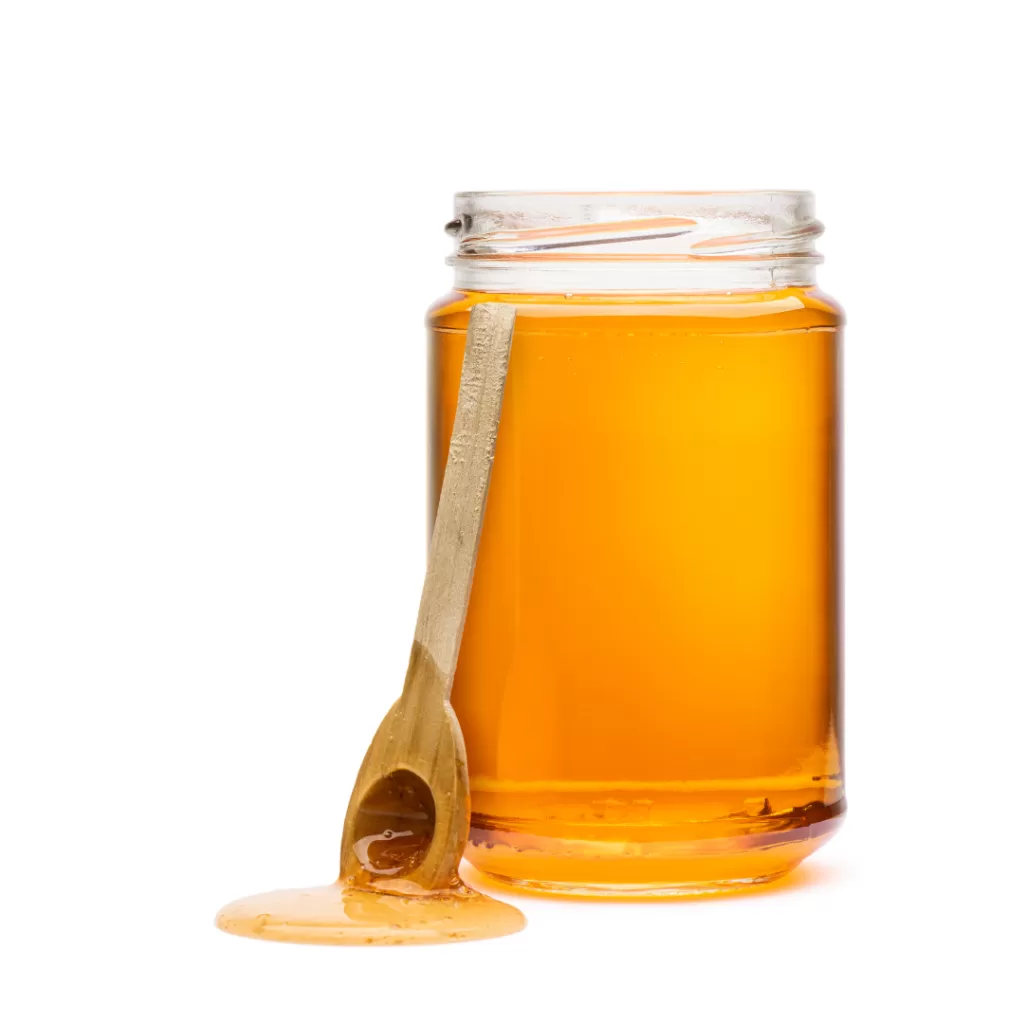
When you see honey labeled “Grade A,” “Canada No. 1,” or classified as “Extra Light Amber,” what does it actually mean?
Are higher grades healthier?
Is Grade B lower quality?
Does darker honey mean it’s inferior?
How do international grading systems compare?
Honey grading can be confusing because different countries use different standards. In this comprehensive guide, we’ll explain:
How honey is graded in the United States
Canada’s honey classification system
European Union regulations
Codex international standards
Honey color grading (Pfund scale)
Manuka honey grading (UMF & MGO)
What grading does — and does not — measure
This guide is purely educational and designed to clarify how honey quality standards work globally.
What Are Honey Grades?
Honey grades are official classifications used to describe quality characteristics, including:
Clarity
Absence of defects
Flavor and aroma
Moisture content
Appearance
Grading does not measure:
Honey grading is primarily a quality assurance system.
United States: USDA Honey Grading System
In the U.S., honey grading is defined by the United States Department of Agriculture (USDA).
The most commonly seen retail classification is:
Grade A
To qualify as Grade A, honey must meet standards for:
Most retail honey in the U.S. is labeled Grade A.
Historically, honey could be labeled Grade B or lower grades, but today most commercial honey marketed to consumers is Grade A.
What Happened to Grade B Honey?
Grade B honey historically referred to honey with:
It was not unsafe or inferior — simply less visually refined.
Today, most honey that meets minimum quality standards is marketed as Grade A, regardless of color.
This has led to confusion.
Grade A does not mean “light-colored.”
Grade A refers to quality criteria, not flavor strength.
Honey Color Classification (Pfund Scale)
Beyond Grade A, honey is also classified by color using the Pfund scale, a standardized measurement system.
Color categories include:
Water White
Extra White
White
Extra Light Amber
Light Amber
Amber
Dark Amber
Color depends primarily on:
Floral source
Mineral content
Climate
Region
For example:
Clover honey is often light in color.
Acacia honey is typically pale.
Buckwheat honey is dark amber.
Darker honey is not lower grade. In fact, darker honeys often contain higher antioxidant levels.
Color grading describes appearance — not quality superiority.
Honey Color Chart Explained (Pfund Scale Guide)
Honey color is measured using a standardized system known as the Pfund scale. This system classifies honey based on light transmission and assigns it to a specific color category.
Color does not determine grade — but it does provide useful information about flavor intensity and floral source.
Below is a simplified honey color chart explanation:
Water White (0–8 mm Pfund)
Water white honey is rare and prized for its delicate taste.
Extra White (8–17 mm Pfund)
This is one of the most commonly sold light honey categories.
White (17–34 mm Pfund)
Light golden appearance
Soft floral taste
Subtle sweetness
Often preferred for tea or light desserts.
Extra Light Amber (34–50 mm Pfund)
This is one of the most popular retail honey colors.
Light Amber (50–85 mm Pfund)
Medium golden hue
Balanced sweetness
Fuller flavor profile
Wildflower honey often falls into this range.
Amber (85–114 mm Pfund)
Amber honeys are commonly used in baking.
Dark Amber (Over 114 mm Pfund)
Examples include buckwheat honey and some honeydew varieties.
Does Darker Honey Mean Higher Quality?
No.
Color does not determine quality grade.
However, darker honey often contains:
This is due to floral source, not grading system.
What Determines Honey Color?
Honey color depends on:
For example:
Why Honey Color Matters
Color helps consumers anticipate:
Flavor strength
Sweetness intensity
Baking suitability
Pairing options
Light honeys tend to be delicate.
Dark honeys tend to be bold.
But color alone does not determine nutritional superiority.
Moisture Content and Quality Standards
Moisture content is one of the most important grading factors.
High moisture can lead to:
Fermentation
Reduced shelf stability
Sour flavor development
USDA standards generally require moisture levels below approximately 18.6%.
Proper moisture content ensures:
Canada’s Honey Grading System
Canada uses a separate grading system regulated by the Canadian Food Inspection Agency (CFIA).
Honey is classified as:
Canada No. 1
Canada No. 2
Canada No. 3
Canada No. 1
Highest retail grade. Must have:
Good flavor
Good clarity
Proper moisture level
Minimal defects
Canada No. 2
Slightly lower clarity or minor defects allowed.
Canada No. 3
May have more noticeable imperfections but still safe for consumption.
Canada also uses color classification similar to the Pfund scale.
Importantly, Canadian grading emphasizes moisture, flavor, and clarity — similar to USDA standards.
European Union Honey Standards
The European Union does not use “Grade A” terminology.
Instead, EU honey regulations focus on:
Moisture limits
Sugar composition
Absence of additives
Proper labeling of botanical origin
Clear country-of-origin labeling
Restrictions on misleading processing claims
EU standards emphasize authenticity and traceability more heavily than cosmetic grading categories.
Honey sold in the EU must:
Not contain added sugars
Not contain artificial ingredients
Meet defined sugar ratio standards
Stay within strict moisture parameters
The EU framework focuses more on purity compliance than letter grading.
Codex Alimentarius: International Honey Standard
Codex Alimentarius provides international food standards used by many countries as a baseline reference.
Codex honey standards define:
Maximum moisture content
Sugar composition limits
Acidity thresholds
Insoluble solids limits
Prohibition of additives
Many national grading systems align closely with Codex guidelines.
Codex does not use a simple letter grading system but instead sets measurable quality thresholds.
Special Case: Manuka Honey Grading
Manuka honey uses a fundamentally different classification system.
Instead of grading clarity or moisture alone, Manuka grading measures bioactive compounds.
The two primary rating systems are:
UMF and MGO ratings reflect antibacterial activity levels.
This makes Manuka grading different from USDA or EU systems, which focus on physical and quality characteristics rather than bioactivity.
Manuka grading measures potency, not clarity.
Does Honey Grade Affect Nutrition?
Honey grading does not significantly change:
Antioxidant levels vary more by:
Floral source
Color
Botanical origin
Grade A light honey and Grade A dark honey can differ significantly in antioxidant levels due to plant source — not grade designation.
Is Higher Grade Honey Better?
Higher grades indicate:
Better clarity
Proper moisture control
Clean flavor profile
Fewer cosmetic defects
However, “better” depends on personal preference.
Some people prefer:
Dark, robust honeys
Strong floral notes
Thicker textures
Grade reflects quality compliance — not flavor superiority.
Common Misconceptions About Honey Grades
Myth: Grade B honey is low quality
Historically, Grade B often referred to darker honey with stronger flavor — not unsafe honey.
Myth: Dark honey is inferior
Dark honey frequently contains higher antioxidant levels.
Myth: Grade A means healthier
Grade refers to clarity and quality standards, not nutritional advantage.
Myth: Honey grading measures sweetness
All honey is naturally sweet due to sugar content.
How to Read Honey Labels Properly
When evaluating honey labels, consider:
Floral source (clover, wildflower, buckwheat, etc.)
Country of origin
Processing method (raw, filtered, pasteurized)
Grade classification
Color description
Moisture claims (if listed)
Grade is one factor among many.
Understanding the full context provides better insight into honey quality.
Why Grading Matters for Consumers
Grading systems provide:
They help standardize expectations in global markets.
However, grading does not replace transparency in sourcing.
Final Thoughts
Honey grading systems vary across countries, but most evaluate similar characteristics:
From USDA to Canada, from EU regulations to Codex international standards, honey grading exists to ensure consistency and protect consumers.
However, the most important determinants of honey’s character remain:
Floral origin
Geographic source
Beekeeping practices
Storage conditions
Understanding grading systems allows consumers to interpret labels accurately and appreciate the complexity of honey beyond marketing terminology.