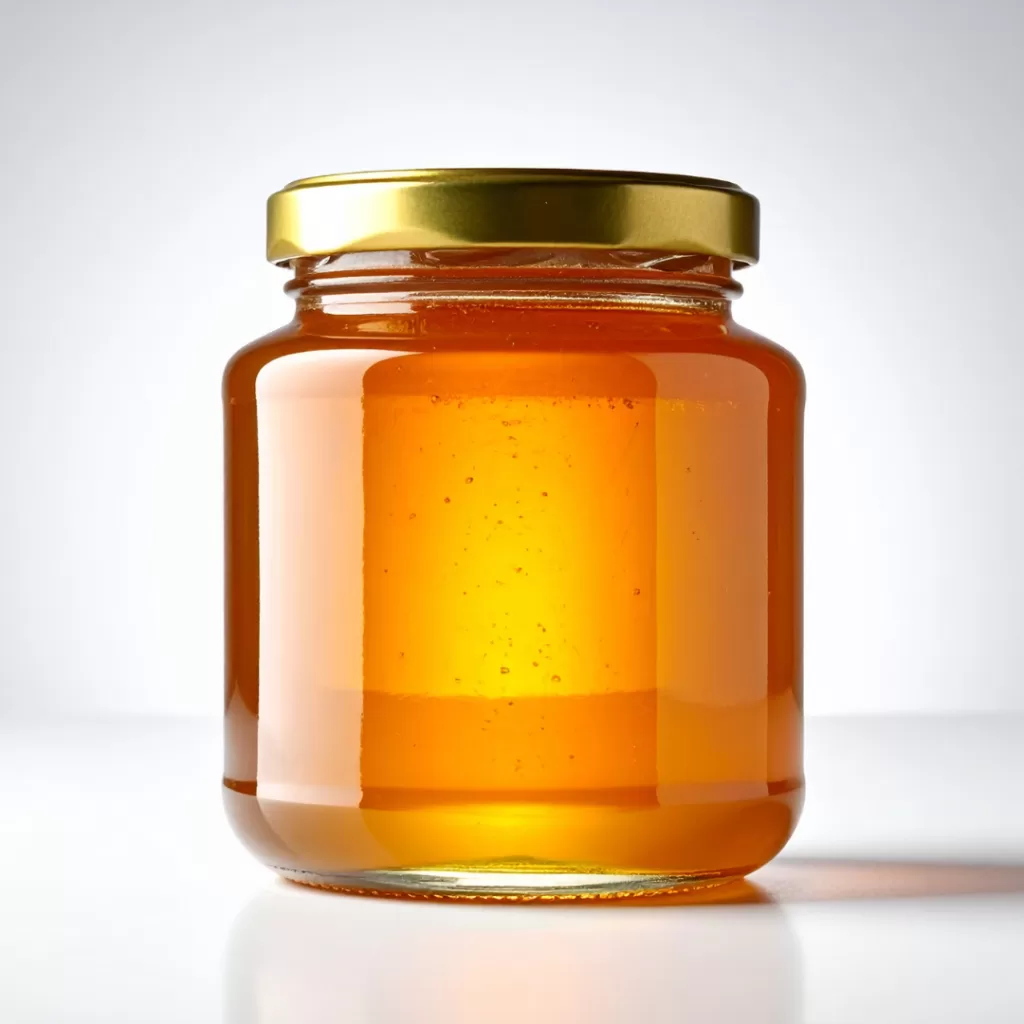
Most people assume all honey comes from flowers. While this is true for most honey varieties, there is an important exception known as honeydew honey.
Honeydew honey is fundamentally different from traditional nectar-based honey. It is darker, often less sweet, more mineral-rich, and typically associated with forest environments.
Honeydew honey represents just one category within the wider world of honey. Explore dozens of different honey varieties from around the world.
In this comprehensive guide, you’ll learn:
What honeydew honey is
How it differs from nectar honey
How bees produce it
Flavor characteristics
Potential benefits
Common honeydew honey types
How it compares nutritionally
This guide is educational and designed to clarify the science and structure behind honeydew honey.
Honeydew Honey vs Floral (Nectar) Honey
| Feature | Honeydew Honey | Floral (Nectar) Honey |
|---|
| Source | Tree sap secretions via insects | Flower nectar |
| Color | Dark amber to brown | Light to medium amber |
| Sweetness | Less sweet | Typically sweeter |
| Flavor | Earthy, malty, resin-like | Floral, delicate, aromatic |
| Mineral content | Often higher | Varies by floral source |
| Crystallization | Slower | Often faster |
| Common types | Pine, fir, oak | Clover, acacia, wildflower |
| Production area | Forest regions | Meadows, fields, orchards |
What Is Honeydew Honey?
Honeydew honey is produced when bees collect a sugary substance called honeydew, rather than floral nectar.
Honeydew is a natural secretion left behind by insects (such as aphids or scale insects) that feed on plant sap.
Instead of collecting nectar from blossoms, bees gather this honeydew from tree surfaces and convert it into honey inside the hive.
This process creates a honey that is chemically and physically different from floral honey.
Honeydew Honey vs Nectar Honey
The key difference lies in the source.
Nectar Honey
Examples:
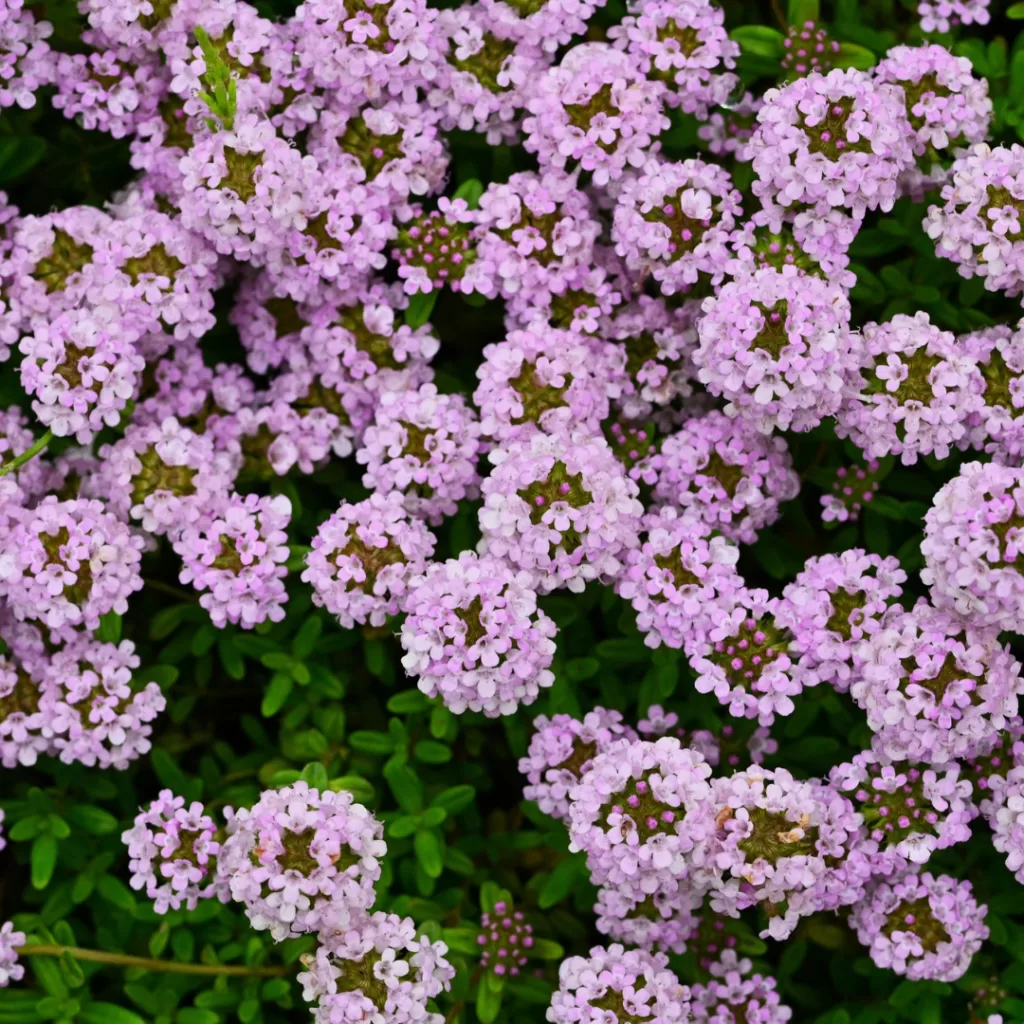
Clover honey
Acacia honey
Wildflower honey
Honeydew Honey
Examples:
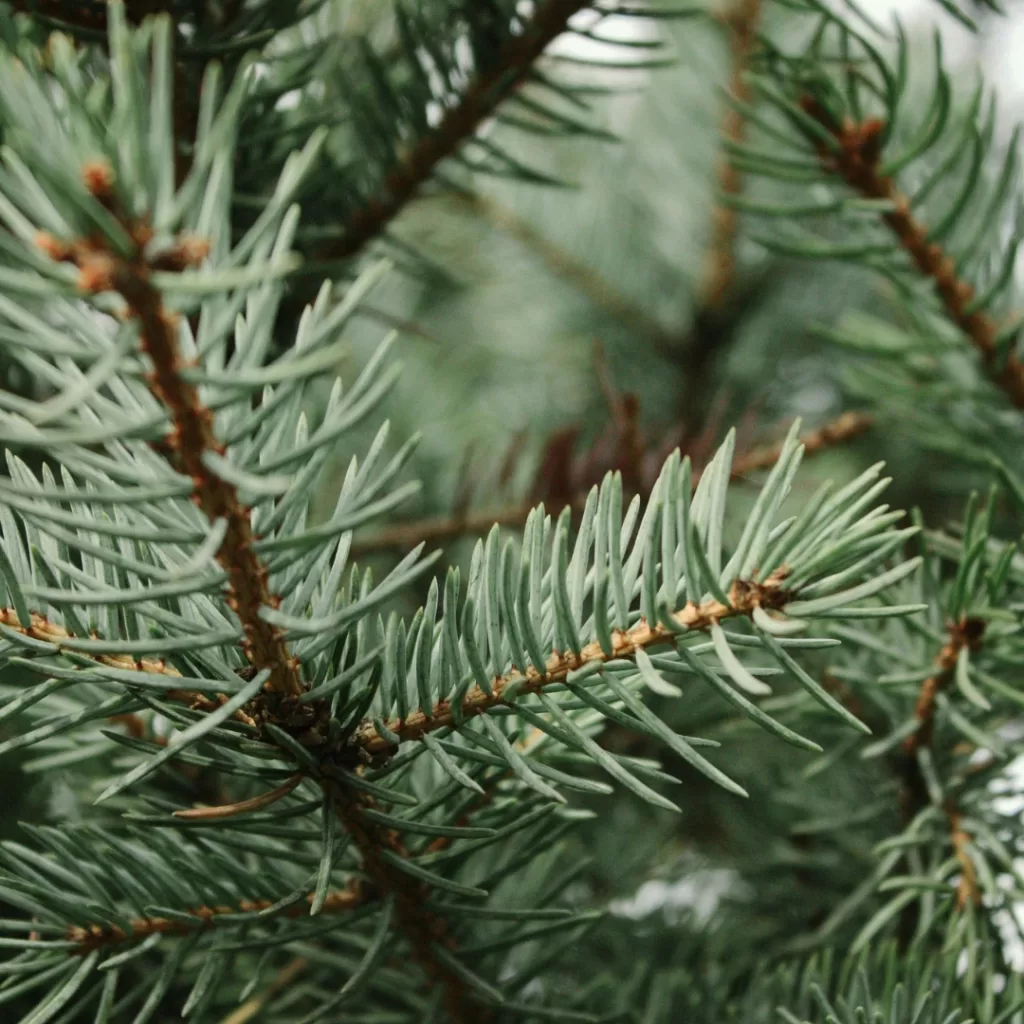
Pine honey is one of the most well-known honeydew honeys produced in Mediterranean forests. Learn more in our guide to pine honey.
Fir honey is another well-known honeydew honey, particularly associated with mountainous forests in Greece. Read more in our guide to fir honey.
How Is Honeydew Honey Made?
The process begins in forests.
Sap-feeding insects consume plant sap.
These insects excrete excess sugars as honeydew.
Bees collect the honeydew from leaves, bark, and branches.
Inside the hive, bees enzymatically convert it into honey.
The honey is stored and matured like nectar honey.
The result is a darker, richer honey with a distinct flavor profile.
Why Is Honeydew Honey Darker?
Honeydew honey is often dark amber to deep brown because it contains:
Color depends on tree type and region.
Flavor Profile of Honeydew Honey
Honeydew honey is typically:
Compared to light floral honey, it tastes more complex and less sugary.
Does Honeydew Honey Crystallize?
Honeydew honey crystallizes more slowly than many nectar honeys.
This is due to:
As a result, honeydew honey often remains liquid longer.
Nutritional Characteristics
Honeydew honey may contain:
Darker honeys are often associated with greater antioxidant activity, though this depends heavily on specific source and region.
Like all honey, honeydew honey is primarily composed of natural sugars.
Common Types of Honeydew Honey
Pine Honey
Produced in Mediterranean pine forests. Mildly sweet with resin notes.
Fir Honey
Derived from fir tree ecosystems. Thick, smooth, and earthy.
Oak Honey
Often darker and more robust, produced from oak forests.
Forest Honey
A general term used to describe mixed honeydew honey from woodland environments.
Where Is Honeydew Honey Produced?
Honeydew honey is commonly produced in:
Greece is one of the most famous producers of honeydew honey, especially pine and fir varieties. Learn more in our guide to honey from Greece.
Mediterranean regions are especially known for pine and fir honey production.
Is Honeydew Honey Better?
“Better” depends on preference.
Some people prefer honeydew honey because:
Others prefer the delicate sweetness of floral honey.
Both types are natural honey.
Culinary Uses
Honeydew honey pairs well with:
Hard cheeses
Roasted nuts
Yogurt
Toast
Marinades
Savory sauces
Because it is less sugary, it works well in balanced recipes.
Honeydew Honey and Grading
Honeydew honey is graded similarly to nectar honey under national grading systems, but color classification often places it in darker categories.
It is not graded differently simply because of its origin.
Honey color classifications are often used to categorize darker honeys like honeydew varieties. You can learn more in our guide to honey grades and color classification.
Common Myths
Myth: Honeydew honey is artificial
It is completely natural and produced by bees.
Myth: It is lower quality
Honeydew honey is often prized for its complexity.
Myth: Dark honey means poor grade
Color does not determine grade.
Honeydew honey represents one of the most fascinating aspects of honey production. Unlike floral honey, it originates from forest ecosystems and tree sap dynamics rather than blossoms.
Its darker color, lower sweetness, and rich flavor profile make it distinct among global honey varieties.
Understanding honeydew honey expands appreciation for how environment, insects, and bees interact to create diverse honey types.
Some honeydew honeys are sold in minimally processed forms similar to raw honey, which preserves natural enzymes and pollen.