Bees are some of the most efficient foragers in the natural world. Every day, thousands of worker bees leave the hive in search of nectar, pollen, water, and other resources needed to sustain the colony. But how far do bees actually travel to find these resources?
The answer might surprise you. Honeybees are capable of traveling several miles from their hive while searching for flowers. Their remarkable navigation abilities allow them to locate food sources, communicate their location to other bees, and return safely to the hive.
In this guide, we’ll explore:
How far honeybees travel from the hive
How bees find flowers and navigate long distances
Why bees sometimes travel farther than expected
How bee travel affects pollination and honey production
Understanding how far bees travel reveals just how complex and efficient honeybee colonies truly are.
The Typical Distance Bees Travel
Most honeybees forage within a relatively short distance of their hive.
On average, bees travel about 1 to 3 miles (1.5 to 5 kilometers) from the hive while searching for nectar and pollen.
Within this range, bees can efficiently collect food and return quickly to the colony.
The total foraging area within a 3-mile radius is enormous. A hive located in the center of this range can access an area of more than 28 square miles of potential flowers.
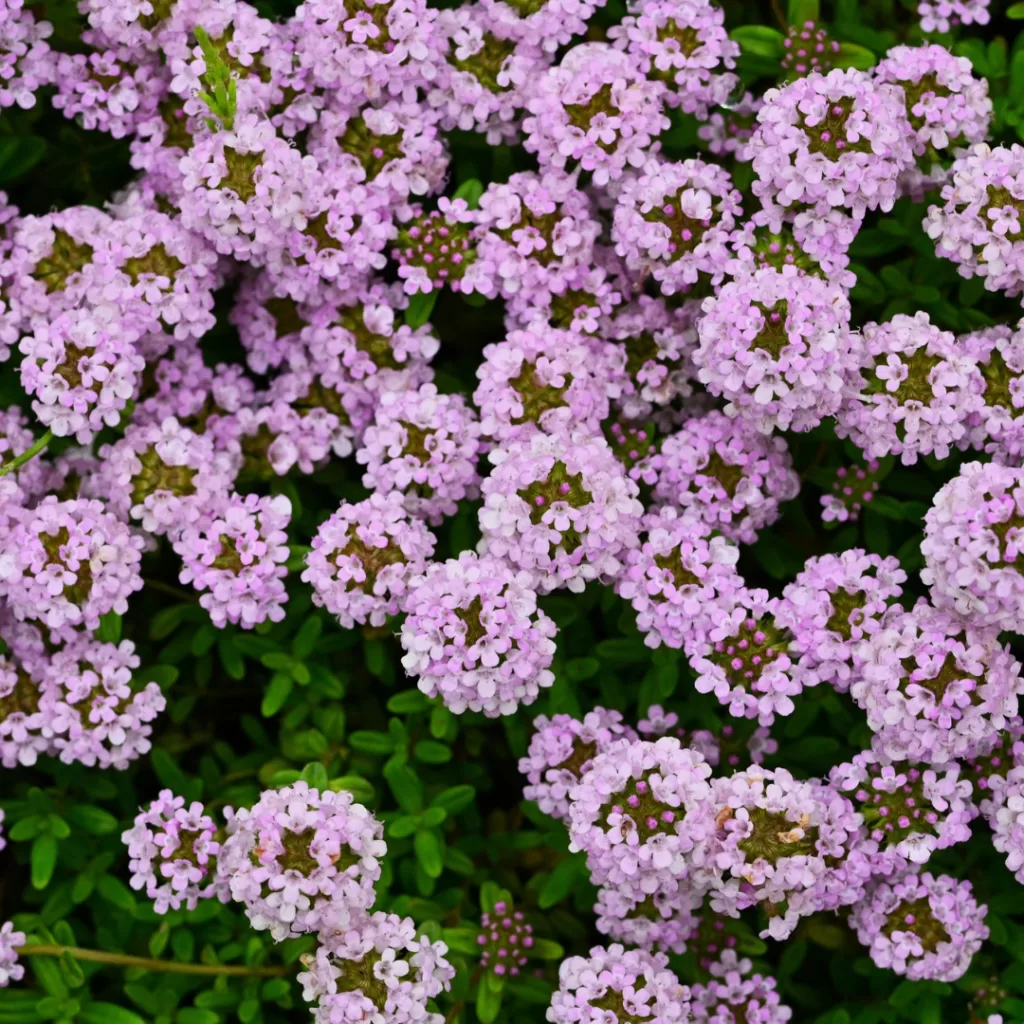
This large territory allows bees to locate abundant nectar sources across fields, forests, gardens, and orchards.
The Maximum Distance Bees Can Fly
Although bees typically forage within a few miles of the hive, they are capable of traveling much farther when necessary.
Research has shown that honeybees can fly up to 5 miles (8 kilometers) or more from their hive when searching for food.
However, longer trips require more energy and time, which makes them less efficient.
Bees usually prefer closer food sources whenever possible.
If abundant flowers are available nearby, bees will focus their foraging efforts within a much smaller radius.
Why Bees Prefer Shorter Flights
Foraging bees must balance the amount of energy they spend flying with the nectar they collect.
Flying long distances requires significant energy, so bees try to locate flowers as close to the hive as possible.
Shorter flights provide several advantages:
faster food collection
reduced energy expenditure
more frequent trips to the hive
greater overall nectar yield
This efficiency helps maximize honey production inside the hive.
You can learn more about the transformation of nectar into honey in our guide explaining how bees make honey.
How Bees Find Flowers
Bees use several remarkable methods to locate flowers and food sources.
These methods allow them to travel efficiently across large areas while searching for nectar.
Visual Cues
Bees have excellent vision and can detect colors and patterns that humans cannot see.
Many flowers have ultraviolet patterns that guide bees directly to nectar.
These visual signals help bees quickly identify productive flowers.
Sense of Smell
Bees also rely heavily on scent.
Flowers release fragrant chemical compounds that bees can detect from long distances.
This sense of smell helps bees locate nectar sources across fields and forests.
Memory and Learning
Once a bee finds a reliable nectar source, it remembers the location and often returns repeatedly.
Bees can memorize landscapes and use landmarks such as trees, buildings, and hills to navigate back to flowers.
This remarkable spatial memory helps bees forage efficiently.
How Bees Tell Other Bees Where to Go
When a worker bee discovers a valuable nectar source, it shares the information with the rest of the colony.
This communication happens through a behavior known as the waggle dance.
Inside the hive, the bee performs a figure-eight movement that indicates:
the direction of the food source relative to the sun
the distance from the hive
the quality of the nectar source
Other bees observe the dance and then fly directly to the location.
This communication system allows the entire colony to quickly exploit abundant food sources.
How Far Bees Travel Affects Pollination
Because bees travel several miles while foraging, they play an enormous role in pollinating plants.
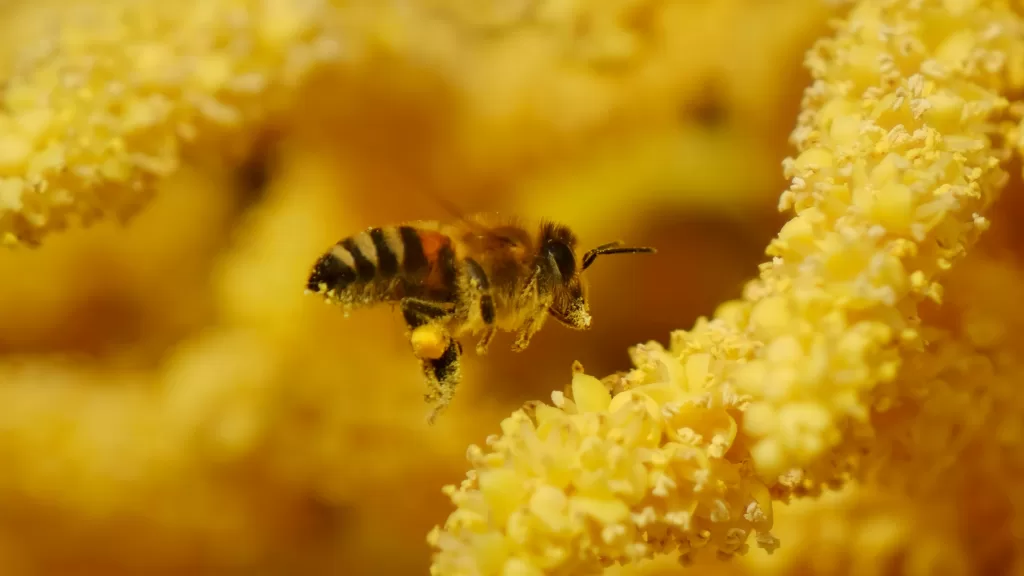
As bees move between flowers collecting nectar and pollen, they transfer pollen between plants, allowing fertilization to occur.
This pollination supports the growth of:
fruits
vegetables
nuts
seeds
wild plants
Healthy bee populations are therefore essential for both natural ecosystems and global agriculture.
How Bee Travel Influences Honey Production
The distance bees travel can affect how much honey a colony produces.
When nectar sources are located close to the hive, bees can make more trips and gather more nectar.
This leads to higher honey production.
However, if bees must travel long distances to find flowers, they spend more energy flying and less energy collecting nectar.
This can reduce the amount of honey the colony ultimately produces.
Understanding how bees gather nectar helps explain the process described in our guide to how honey is made.
Environmental Factors That Affect Bee Travel
Several factors influence how far bees travel while foraging.
Flower Availability
The number and variety of flowers nearby strongly affect bee travel distance.
Areas rich in flowering plants allow bees to forage closer to the hive.
Weather Conditions
Wind, temperature, and rainfall all affect bee flight.
Poor weather may force bees to travel farther to find suitable flowers.
Competition With Other Pollinators
If many pollinators are competing for the same flowers, bees may need to travel farther to find nectar.
Seasonal Changes
Flower availability changes throughout the year.
During peak bloom seasons, bees may find abundant nectar close to the hive.
At other times, they may need to travel farther.
The Total Distance Bees Fly in Their Lifetime
Although individual bees travel only a few miles per trip, the total distance they fly over their lifetime can be extraordinary.
A worker bee may make dozens of foraging trips each day.
Over the course of its short life, a single bee may fly the equivalent of hundreds of miles while gathering nectar and pollen.
This incredible effort contributes to the production of honey and the survival of the colony.
How Bee Travel Connects to Their Diet
The distance bees travel is closely connected to the foods they collect.
Worker bees search for nectar and pollen from a wide variety of plants.
These food sources provide the nutrients needed for colony health.
To understand more about the bee diet and how these resources support the hive, see our guide explaining what bees eat.
Bees are capable of traveling remarkable distances in their search for nectar and pollen. While most honeybees forage within a few miles of their hive, they can travel much farther when necessary.
Their ability to navigate large landscapes, communicate food locations through the waggle dance, and return safely to the hive makes them some of the most efficient foragers in the natural world.
Every jar of honey reflects the extraordinary journeys bees make while collecting nectar from countless flowers.
Understanding how far bees travel highlights the incredible role these small insects play in pollination, honey production, and ecosystem health.