Honey is one of nature’s most fascinating foods. Produced entirely by bees, honey is the result of a complex natural process involving flowers, enzymes, evaporation, and careful storage inside the hive.
For thousands of years, humans have harvested honey from beehives, but the process that creates honey begins long before beekeepers collect it. Bees transform nectar from flowers into a thick, stable food source that can last for years.
In this guide, we’ll explore exactly how honey is made, step by step, from the moment bees collect nectar to the moment honey is stored in honeycomb.
Step 1: Bees Collect Nectar From Flowers
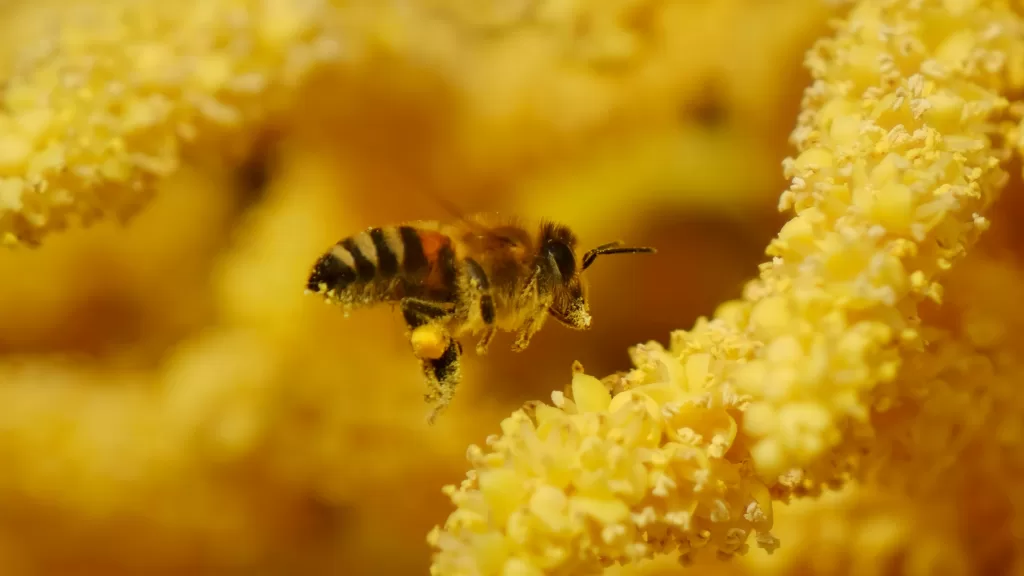
The honey-making process begins when forager bees leave the hive to collect nectar.
Nectar is a sugary liquid produced by flowering plants to attract pollinators such as bees.
Using their long tongue-like mouthpart called a proboscis, bees drink nectar from flowers and store it inside a special organ known as the honey stomach (or crop).
Unlike a bee’s digestive stomach, the honey stomach is designed specifically for transporting nectar back to the hive.
A single worker bee may visit hundreds of flowers during one trip.
Step 2: Nectar Is Stored in the Honey Stomach
Inside the honey stomach, nectar begins its transformation into honey.
Worker bees add natural enzymes to the nectar during collection. These enzymes start breaking down complex sugars in the nectar into simpler sugars such as:
This enzymatic process is essential because it changes nectar into a form that is easier to preserve.
Once the bee’s honey stomach is full, the bee returns to the hive.
Step 3: Nectar Is Passed to House Bees
When the forager bee arrives back at the hive, it transfers the nectar to another worker bee.
This process is called trophallaxis, where bees exchange food mouth-to-mouth.
The receiving bee continues adding enzymes and begins reducing the nectar’s water content.
This step is crucial because fresh nectar can contain 70–80% water, while honey must contain about 17–20% water to remain stable.
Step 4: Nectar Is Deposited Into Honeycomb
Next, bees deposit the partially processed nectar into hexagonal wax cells within the honeycomb.
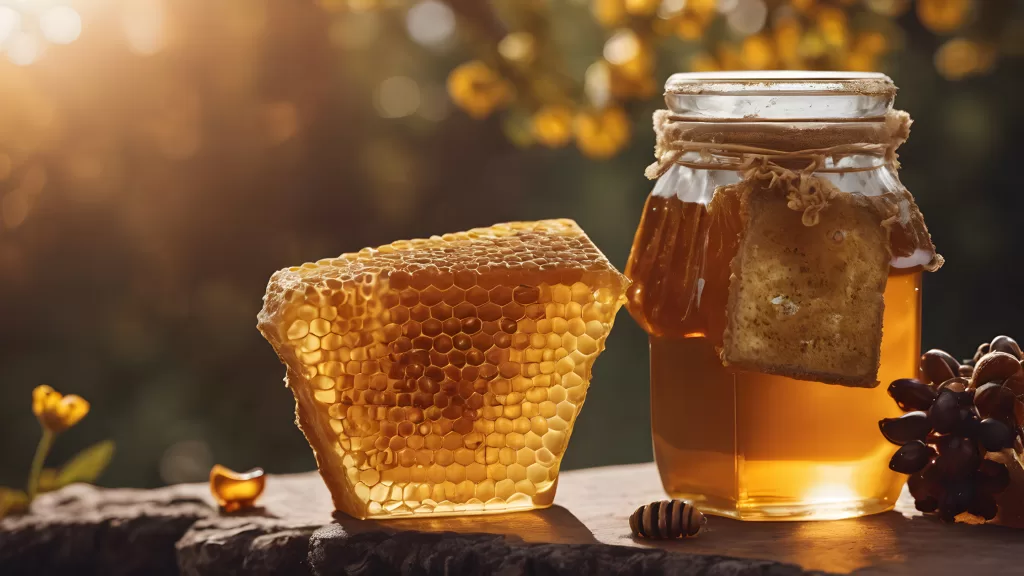
Honeycomb is constructed from beeswax produced by worker bees. The hexagonal shape allows the hive to store the maximum amount of honey using the least amount of wax.
At this stage, the liquid inside the cell is still more like nectar than honey.
The bees now begin the process of evaporation.
Step 5: Bees Evaporate Water From the Nectar
To turn nectar into honey, bees must remove most of its water content.
They do this by fanning their wings rapidly inside the hive, creating airflow that helps evaporate moisture from the nectar stored in the comb.
This process gradually thickens the liquid.
As water evaporates, the sugar concentration increases, preventing fermentation and allowing honey to remain stable for long periods.
This step may take several days.
Step 6: Honey Ripens and Thickens
As the nectar continues to lose moisture, it becomes thicker and more concentrated.
The enzyme activity continues breaking down sugars, while evaporation brings the water content down to around 18% or less.
At this point, the nectar has transformed into fully ripened honey.
Ripened honey has the qualities we recognize:
thick texture
sweet taste
long shelf life
Step 7: Bees Seal the Honeycomb With Wax
Once the honey is fully ripened, bees seal the honeycomb cell with a thin wax layer.
This is known as capping.
The wax cap protects the honey from moisture and contamination, allowing it to be stored safely in the hive.
Bees rely on this stored honey as their primary food source, especially during winter when flowers are not available.
How Beekeepers Harvest Honey
While bees produce honey for their own survival, humans have learned to harvest some of the surplus honey from managed hives.
Beekeepers typically wait until honeycomb cells are fully capped before harvesting.
The harvesting process generally involves:
Removing honey frames from the hive
Cutting or uncapping the wax seal
Using a centrifuge extractor to spin honey out of the comb
Straining the honey to remove wax particles
Bottling the honey
Some honey is bottled with minimal heating and filtration and sold as raw honey, which preserves many natural characteristics of the hive.
Other commercial products may be heated for stability, a process explained in our guide to pasteurized honey.
Good beekeeping practices ensure that bees retain enough honey for their own needs.
How Much Honey Does One Hive Produce?
Honey production varies depending on:
climate
floral availability
colony strength
beekeeping practices
A healthy hive can produce 20 to 100 pounds (9–45 kg) of surplus honey per year, though this varies widely by region.
Bees must visit millions of flowers to produce a single jar of honey.
In fact, it takes roughly 12 bees their entire lifetime to produce just one teaspoon of honey.
Does All Honey Come From Flowers?
Most honey is produced from floral nectar. However, there are exceptions.
Some types of honey, known as honeydew honey, are produced when bees collect sugary secretions left by sap-feeding insects on trees rather than nectar from flowers.
These honeys often have darker colors and richer flavors.
What Affects Honey Flavor and Color?
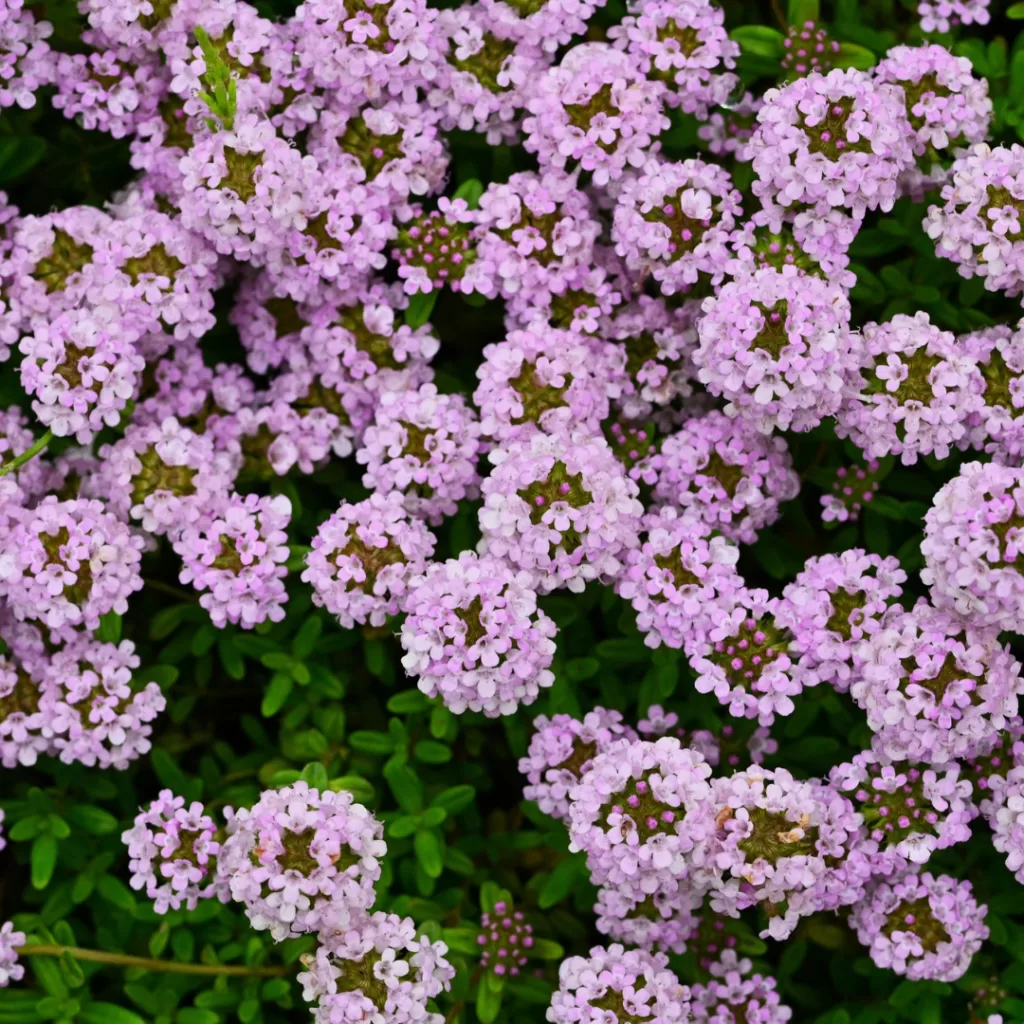
Honey flavor and color depend primarily on the floral source. Different flowers produce nectar with different sugar compositions, resulting in many distinct honey varieties around the world.
Different flowers produce nectar with different sugar compositions and plant compounds.
For example:
Clover honey tends to be light and mild.
Buckwheat honey is dark and robust.
Acacia honey is pale and delicate.
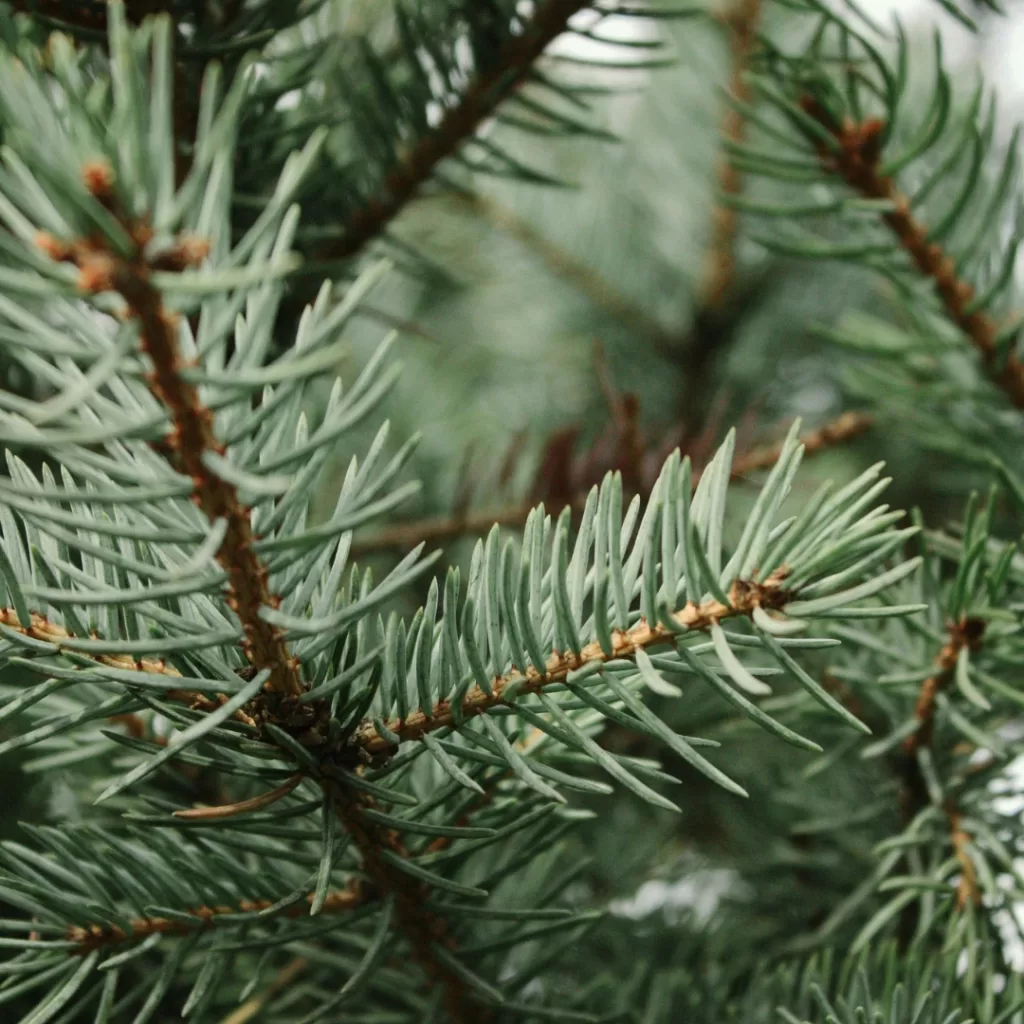
Pine honey has a resin-like flavor.
Climate, soil conditions, and region also influence honey characteristics.
Why Honey Never Spoils
Honey has a remarkable shelf life.
Pure honey can remain edible for years — even centuries — because of its unique chemical properties.
Honey resists spoilage due to:
low moisture content
high sugar concentration
natural acidity
antibacterial compounds
These conditions prevent most microorganisms from growing in honey.
Over time, honey may crystallize, but this is a natural process and does not indicate spoilage.
The Importance of Bees in Honey Production
Honey production depends entirely on healthy bee populations.
Bees play a crucial role not only in honey production but also in pollinating many crops and wild plants.
In fact, bees are responsible for pollinating a large portion of the fruits, vegetables, and nuts consumed by humans.
Supporting responsible beekeeping helps protect these important pollinators and the ecosystems they support.
Honey is the result of an extraordinary natural process carried out by thousands of bees working together inside a hive.
From nectar collection to enzymatic transformation and evaporation, every step in honey production is carefully managed by bees to create a stable food source.
Understanding how honey is made helps deepen appreciation for the complex relationship between bees, plants, and ecosystems that makes honey possible.