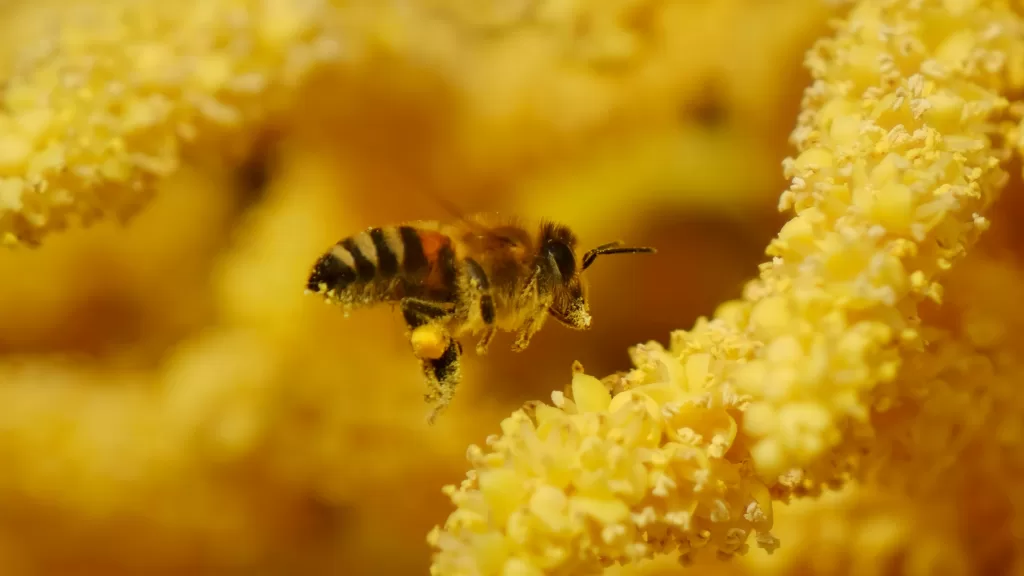
Honeybees are some of the most fascinating insects in the natural world. Inside every hive, thousands of bees work together to gather food, care for larvae, protect the colony, and produce honey. But despite their incredible productivity, most bees live surprisingly short lives.
The lifespan of a honeybee depends on several factors, including the type of bee, the time of year, and the demands placed on the colony. Worker bees, queen bees, and drone bees all have very different lifespans because they perform different roles inside the hive.
In this guide, we’ll explore:
How long worker bees live
The lifespan of queen bees
How long drone bees survive
Why bee lifespans vary throughout the year
What factors affect bee longevity
Understanding how long bees live reveals just how extraordinary the life cycle of a honeybee colony truly is.
The Three Types of Bees in a Hive
Before discussing lifespan, it’s important to understand the three types of bees that live inside a honeybee colony.
Each type of bee has a unique role that affects how long it lives.
Worker Bees
Worker bees are female bees that perform nearly all of the tasks inside the hive. They collect nectar and pollen, care for larvae, build honeycomb, defend the hive, and help produce honey.
Worker bees make up the vast majority of the colony.
Queen Bees
The queen bee is the only reproductive female in the hive. Her primary role is laying eggs to produce the next generation of bees.
A healthy queen can lay up to 2,000 eggs per day during peak seasons.
Drone Bees
Drone bees are male bees whose primary purpose is mating with a queen from another colony.
Drones do not collect nectar or pollen and rely on worker bees to feed them.
Each of these bees has a very different lifespan.
How Long Worker Bees Live
Worker bees have the shortest lifespan of the three types of bees.
During the busy summer months, worker bees typically live about 4 to 6 weeks.
This short lifespan occurs because worker bees perform physically demanding tasks. They spend much of their time flying long distances while collecting nectar and pollen from flowers.
These foraging trips require enormous amounts of energy.
You can learn more about the distances bees travel in our guide explaining how far bees travel.
Because of this intense workload, worker bees wear out their wings and bodies quickly.
Winter Worker Bees Live Longer
Interestingly, worker bees born in late autumn often live much longer than summer bees.
Winter worker bees can survive 4 to 6 months.
During winter, bees remain inside the hive rather than flying outside to collect nectar. They cluster together and survive by consuming stored honey.
This reduced activity allows them to conserve energy and extend their lifespan.
How Long Queen Bees Live
Queen bees have the longest lifespan in the hive.
A healthy queen bee can live 2 to 5 years, which is dramatically longer than worker bees.
Several factors contribute to the queen’s longer lifespan:
she does not perform physically demanding tasks
worker bees feed and care for her constantly
her diet consists largely of royal jelly
Royal jelly is a nutrient-rich substance produced by worker bees.
This special diet supports the queen’s reproductive role and contributes to her longevity.
How Long Drone Bees Live
Drone bees have a shorter and more uncertain lifespan.
Drones typically live about 1 to 2 months during the spring and summer mating season.
Their main goal is to mate with a queen from another hive.
If a drone successfully mates with a queen, it dies shortly afterward.
Drones that do not mate may survive longer, but they rarely live past the end of the season.
As winter approaches, worker bees often force drones out of the hive to conserve food supplies.
Why Bee Lifespans Vary
Several factors influence how long bees live.
Workload
Worker bees that perform intense foraging activities wear out faster than bees that work primarily inside the hive.
Season
Bees born in winter live longer because they remain inside the hive rather than flying constantly.
Colony Health
Healthy colonies with abundant food resources tend to produce stronger bees that live longer.
Environmental Conditions
Weather, pesticides, and habitat loss can all affect bee survival.
The Demanding Life of a Worker Bee
Despite their short lives, worker bees accomplish an incredible amount of work.
During their lifetime, a worker bee may visit thousands of flowers while collecting nectar and pollen.
This nectar eventually becomes honey inside the hive through a remarkable process of enzymatic transformation and evaporation.
To understand this process in detail, see our guide explaining how bees make honey.
Each bee contributes only a tiny amount of honey during its lifetime, but collectively the colony produces the honey we harvest.
The Role of Nutrition in Bee Lifespan
The foods bees collect play a major role in their survival.
Bees rely on several food sources:
nectar
pollen
honey
bee bread
These foods provide energy, proteins, and nutrients needed for colony health.
If you want to learn more about how these foods support bee life, see our guide explaining what bees eat.
Bee Lifespans Compared
Here is a simple comparison of the average lifespans of different bees in a hive.
| Type of Bee | Typical Lifespan |
|---|
| Worker Bee (summer) | 4–6 weeks |
| Worker Bee (winter) | 4–6 months |
| Drone Bee | 1–2 months |
| Queen Bee | 2–5 years |
These differences reflect the roles each bee plays inside the colony.
The lifespan of a bee varies dramatically depending on its role inside the hive. Worker bees live only a few weeks during the busy summer months, while queen bees may survive for several years.
Despite their short lives, worker bees perform an extraordinary amount of work. Their constant efforts to gather nectar, collect pollen, and maintain the hive allow the colony to thrive and produce honey.
Understanding how long bees live highlights the remarkable cooperation that exists within a honeybee colony and the essential role bees play in ecosystems around the world.