What Is Pasteurized Honey?
Pasteurized honey is honey that has been gently heated to reduce yeast activity and slow crystallization. The heating process helps extend shelf stability and produces the smooth, clear appearance commonly seen in commercial honey products.
Pasteurization does not make honey artificial or unsafe. Instead, it is a processing method used primarily to improve texture, clarity, and consistency for large-scale distribution.
Many supermarket honeys undergo some level of pasteurization before packaging.
Honey comes in many forms depending on its floral source and processing method. Explore dozens of global honey varieties to see how flavor, color, and origin differ.
Why Honey Is Pasteurized
Honey producers may pasteurize honey for several practical reasons.
1. Preventing Fermentation
Raw honey naturally contains small amounts of yeast. If the honey’s moisture content is slightly higher than ideal, these yeasts can ferment over time.
Gentle heating helps reduce yeast activity, lowering the risk of fermentation during storage.
2. Slowing Crystallization
Crystallization is a natural process where glucose forms crystals within the honey. While crystallized honey is perfectly safe to eat, many consumers prefer liquid honey.
Heating dissolves existing crystals and delays new crystal formation.
3. Improving Appearance
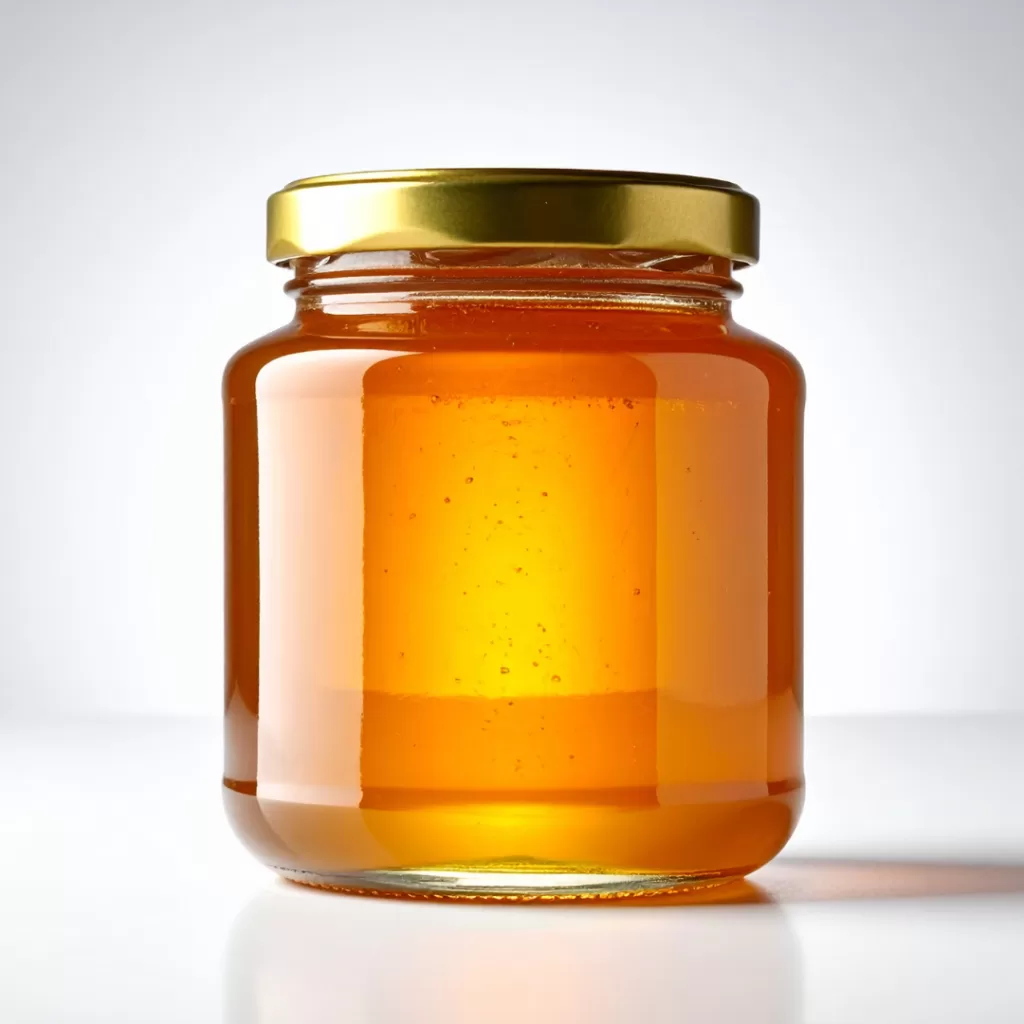
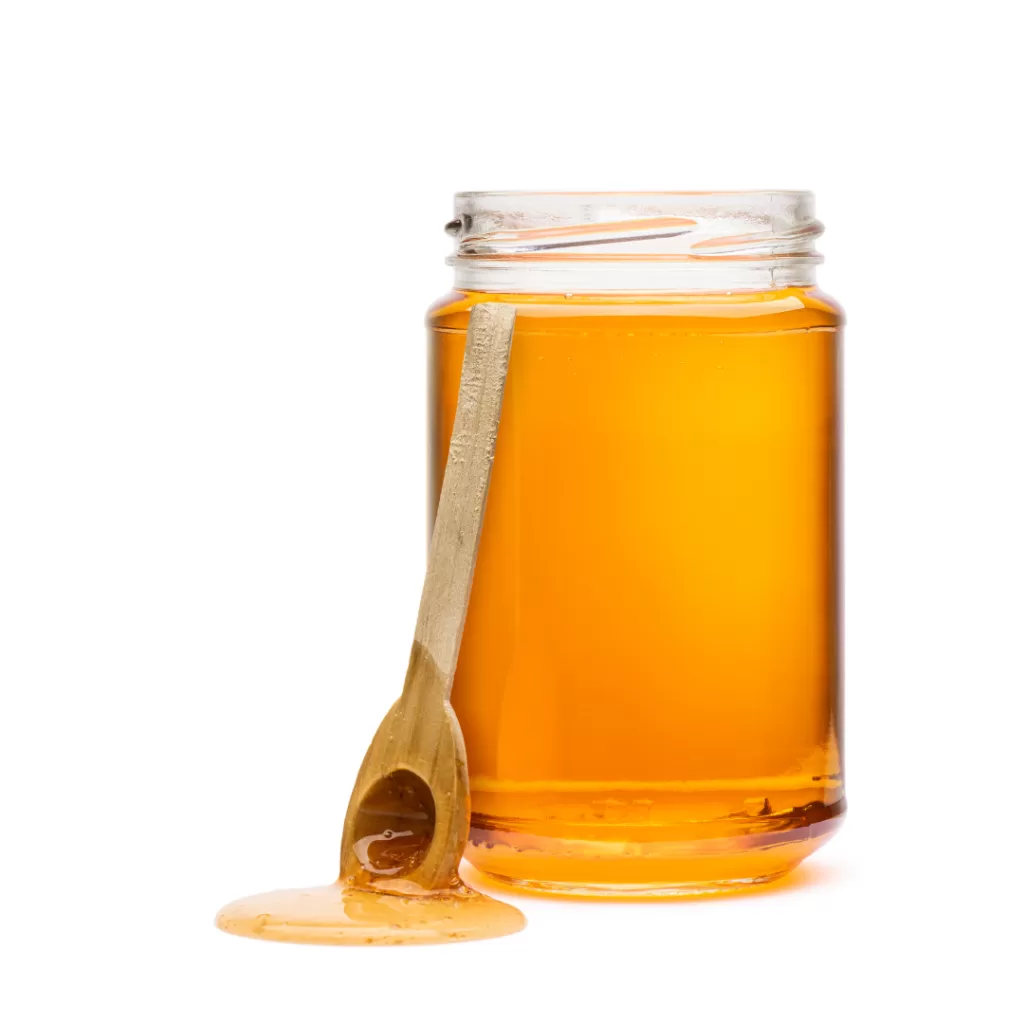
Pasteurization helps create the clear, golden look often expected by consumers. Removing microcrystals and air bubbles produces a smooth, uniform product.
This visual consistency is especially important for large-scale retail honey brands.
How Honey Is Pasteurized
Honey pasteurization usually involves warming the honey to temperatures between approximately 60–77°C (140–170°F) for a short period.
The honey is then quickly cooled and filtered before packaging. Honey processing may also involve filtration. Learn more in our guide to filtered vs unfiltered honey and how filtration affects clarity and texture.
This process:
Compared to milk pasteurization, honey pasteurization is relatively mild.
Pasteurized Honey vs Raw Honey
| Feature | Pasteurized Honey | Raw Honey |
|---|
| Processing | Heated to reduce yeast and crystals | Minimal heating |
| Appearance | Clear and smooth | Often cloudy |
| Crystallization | Slower | Faster |
| Shelf stability | Very stable | Still stable but may crystallize sooner |
| Pollen content | May be reduced | Usually retained |
Both forms are natural honey produced by bees. Pasteurized honey is often compared to raw honey, which undergoes minimal heating and processing before being bottled.
Does Pasteurization Destroy Honey’s Nutrients?
Honey is primarily composed of natural sugars, including fructose and glucose.
Pasteurization can slightly reduce certain heat-sensitive compounds such as:
enzymes
trace antioxidants
pollen particles
However, honey is not typically consumed for vitamins or minerals in large amounts. The core sugar composition remains unchanged.
For most people, the nutritional differences between pasteurized and raw honey are modest.
Is Pasteurized Honey Still Real Honey?
Yes.
Pasteurized honey is still genuine honey produced by bees. Pasteurization simply involves heating the honey to improve stability and appearance.
Regulations in many countries require honey to remain free from added sugars or artificial ingredients.
If honey contains added syrups, it would no longer meet honey purity standards.
Does Pasteurized Honey Taste Different?
Pasteurization usually has only a minor effect on flavor.
The taste of honey is primarily determined by its floral source, such as:
clover honey
wildflower honey
buckwheat honey
acacia honey
Heating may slightly soften delicate aroma compounds, but most consumers notice little difference.
Why Most Supermarket Honey Is Pasteurized
Large honey producers often pasteurize honey to maintain consistency across large batches. Commercial honey products are also evaluated using standardized grading systems. You can learn more in our guide to honey grades and color classification.
Benefits include:
This helps maintain product consistency across international distribution chains.
Is Pasteurized Honey Safe?
Yes.
Pasteurized honey is safe to consume and widely used around the world.
Like all honey, however, it should not be given to infants under 12 months of age due to the potential presence of Clostridium botulinum spores.
For adults and older children, honey is considered safe when consumed normally.
Does Pasteurized Honey Crystallize?
Pasteurized honey can still crystallize over time.
Crystallization depends on:
Pasteurization simply delays the process.
If crystallization occurs, gently warming the jar in warm water will return the honey to liquid form.
When People Prefer Raw Honey
Some consumers prefer raw honey because it:
undergoes minimal processing
may retain pollen particles
maintains natural cloudiness
crystallizes more naturally
Others prefer pasteurized honey for its smooth texture and slower crystallization.
Both options have their place in the honey market.
Common Myths About Pasteurized Honey
Myth: Pasteurized honey is fake
Pasteurized honey is real honey that has simply been heated.
Myth: Heating honey makes it toxic
Normal pasteurization temperatures do not make honey toxic. The process only alters certain heat-sensitive compounds slightly.
Myth: Raw honey is always healthier
The nutritional differences between raw and pasteurized honey are generally small compared with the overall sugar composition.
Final Thoughts
Pasteurization is one of several processing methods used in modern honey production. It helps improve clarity, reduce yeast activity, and slow crystallization, making honey easier to distribute and store.
While pasteurization slightly alters some delicate compounds in honey, the product remains genuine honey produced by bees.
Understanding the difference between pasteurized and raw honey allows consumers to choose the type that best suits their preferences for flavor, texture, and appearance.