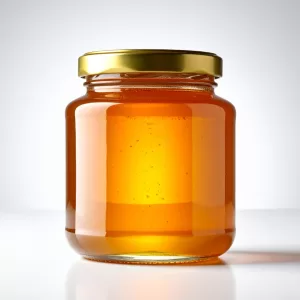
Pine honey is one of the most distinctive honey varieties in the Mediterranean region. Unlike nectar-based honeys such as clover or thyme honey, pine honey belongs to a special category known as honeydew honey. This difference gives it a darker color, thicker texture, and more complex flavor profile.
Greek pine honey, in particular, is highly regarded due to the country’s vast pine forests and long beekeeping traditions. Because of its unique production process and lower sweetness level, pine honey offers a very different experience compared to floral honey varieties.
In this guide, you’ll discover:
- What pine honey is
- How honeydew honey differs from nectar honey
- Why Greek pine honey is especially prized
- Flavor characteristics
- Potential benefits
- How pine honey compares to thyme and Manuka honey
Table of Contents
ToggleWhat Is Pine Honey?
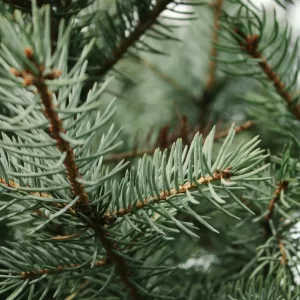
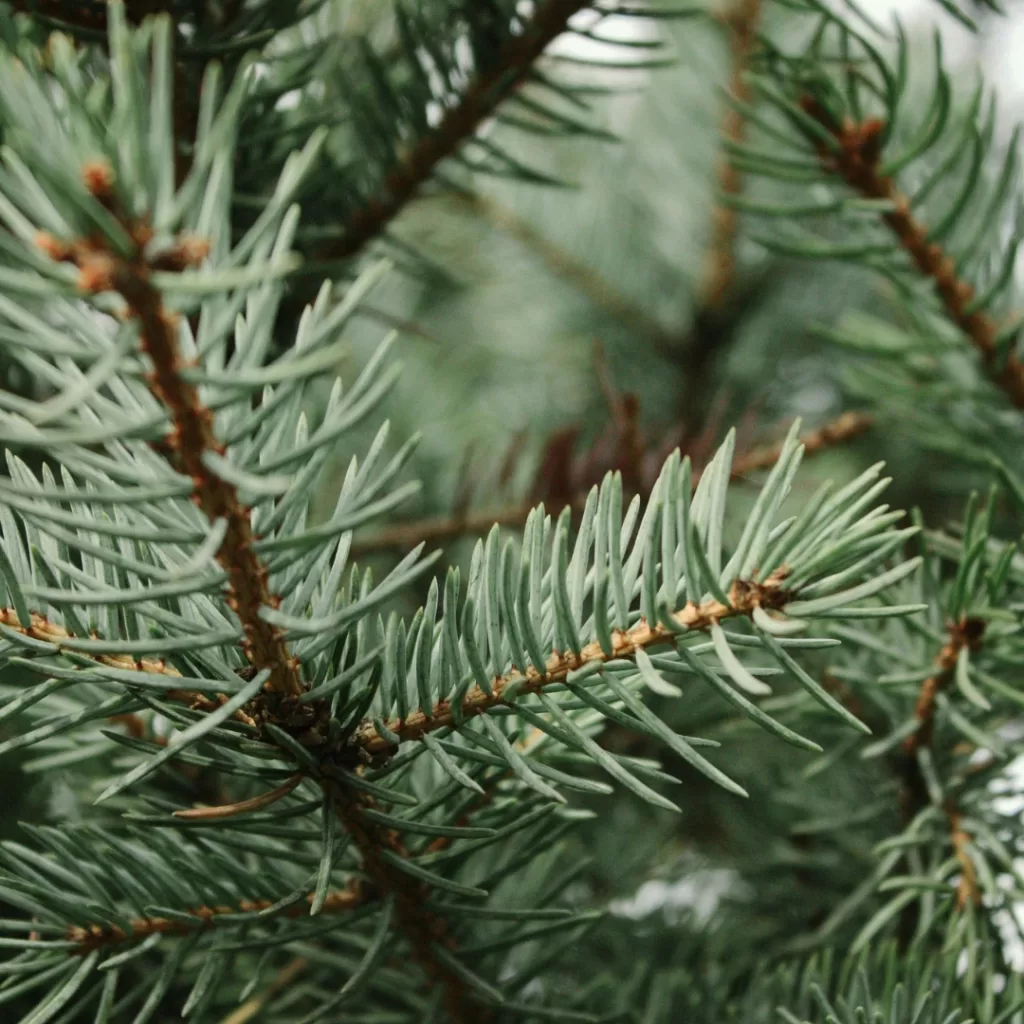
Pine honey is produced when bees collect honeydew rather than flower nectar.
Honeydew is a natural sugary secretion left behind by insects (such as aphids) that feed on pine tree sap. Bees gather this substance from pine trees and transform it into honey inside the hive.
Because pine honey does not come directly from flower nectar, it has unique characteristics that distinguish it from most common honey varieties.
Explore Greece Honey page.
Honeydew Honey vs Nectar Honey
Understanding pine honey requires understanding honeydew honey.
Nectar Honey
- Collected directly from flowers
- Typically lighter in color
- Sweeter flavor profile
- More common globally
Examples:
- Clover honey
- Thyme honey
- Wildflower honey
Honeydew Honey
- Collected from tree secretions
- Darker color
- Less sweet
- More mineral-rich taste
- Slower to crystallize
Pine honey belongs to the honeydew category.
Why Greek Pine Honey Is Special
Greece produces a significant portion of the world’s pine honey.
Several factors contribute to its reputation:
- Extensive pine forests
- Mediterranean climate
- Traditional hive movement practices
- Consistent honeydew flow in certain regions
Northern Greece and parts of the Peloponnese are particularly known for pine honey production.
Unlike thyme honey, which depends on seasonal bloom, pine honey production can be more stable year to year.
Flavor Profile of Pine Honey
Pine honey is typically:
- Dark amber to deep brown
- Thick and slow-flowing
- Mildly sweet
- Slightly resinous
- Earthy with subtle caramel notes
Because it is less sweet than nectar honey, pine honey is often preferred by those who do not enjoy overly sugary flavors.
Its complexity makes it especially popular in Mediterranean cuisine.
Does Pine Honey Crystallize?
Pine honey crystallizes much more slowly than many nectar honeys.
This is due to its lower glucose content.
As a result:
- It remains liquid longer
- It develops a smooth consistency
- It resists rapid granulation
This slower crystallization is often seen as a sign of honeydew origin.
Nutritional & Potential Benefits
Like other raw honey varieties, pine honey contains:
- Natural sugars
- Antioxidants
- Trace minerals
- Enzymes
Some studies suggest honeydew honeys may contain higher mineral concentrations compared to lighter floral honeys.
Potential benefits associated with pine honey include:
1. Antioxidant Content
Darker honeys often contain higher levels of antioxidant compounds.
2. Digestive Support
Raw honey may support gut health due to natural enzymes.
3. Mild Antibacterial Properties
Although pine honey is not graded like Manuka honey, it still possesses natural antimicrobial activity.
Important: Pine honey is not a substitute for medical treatment.
Pine Honey vs Thyme Honey
Since both are popular in Greece, comparison is helpful.
Pine Honey
- Darker
- Less sweet
- Resinous undertones
- Slower crystallization
Thyme Honey
- Golden
- More aromatic
- Floral and herbal
- More pronounced sweetness
Both represent the diversity of Greek honey production.
Pine Honey vs Manuka Honey
Pine honey and Manuka honey differ significantly.
Pine Honey
- Honeydew-based
- No UMF grading system
- Mild sweetness
- Mineral-rich taste
Manuka Honey
- Nectar-based
- Contains MGO
- Graded via UMF
- More medicinal flavor profile
Culinary Uses of Pine Honey
Pine honey pairs well with:
- Hard cheeses
- Roasted nuts
- Yogurt
- Toast
- Savory dishes
- Marinades
Because it is less sweet, pine honey works well in recipes that require balance rather than dominant sweetness.
Is Pine Honey Worth Trying?
If you prefer:
- Less sugary honey
- Darker varieties
- Rich, earthy flavors
Pine honey is worth exploring.
It offers a completely different sensory experience compared to lighter honey types.
Frequently Asked Questions
Is pine honey made from pine trees?
Yes. Bees collect honeydew from insects that feed on pine tree sap.
Is pine honey sweet?
It is less sweet than nectar honeys like clover or thyme honey.
Does pine honey have antibacterial properties?
Like all raw honey, it has natural antimicrobial characteristics, though it is not graded like Manuka honey.
Why is Greek pine honey famous?
Greece produces large quantities due to its extensive pine forests and Mediterranean climate.
Why Pine Honey Expands the Honey Spectrum
Pine honey demonstrates how honey diversity extends beyond floral nectar. As a honeydew honey, it represents a different production process, flavor structure, and texture profile.
For anyone exploring global honey varieties, pine honey offers a deeper understanding of how environment and ecology influence honey production.
Within the context of Greece honey, pine honey completes the Mediterranean profile alongside thyme and wildflower varieties.