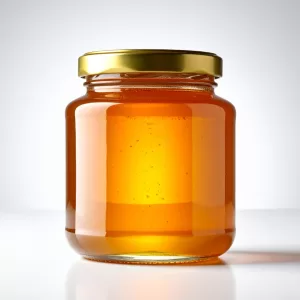
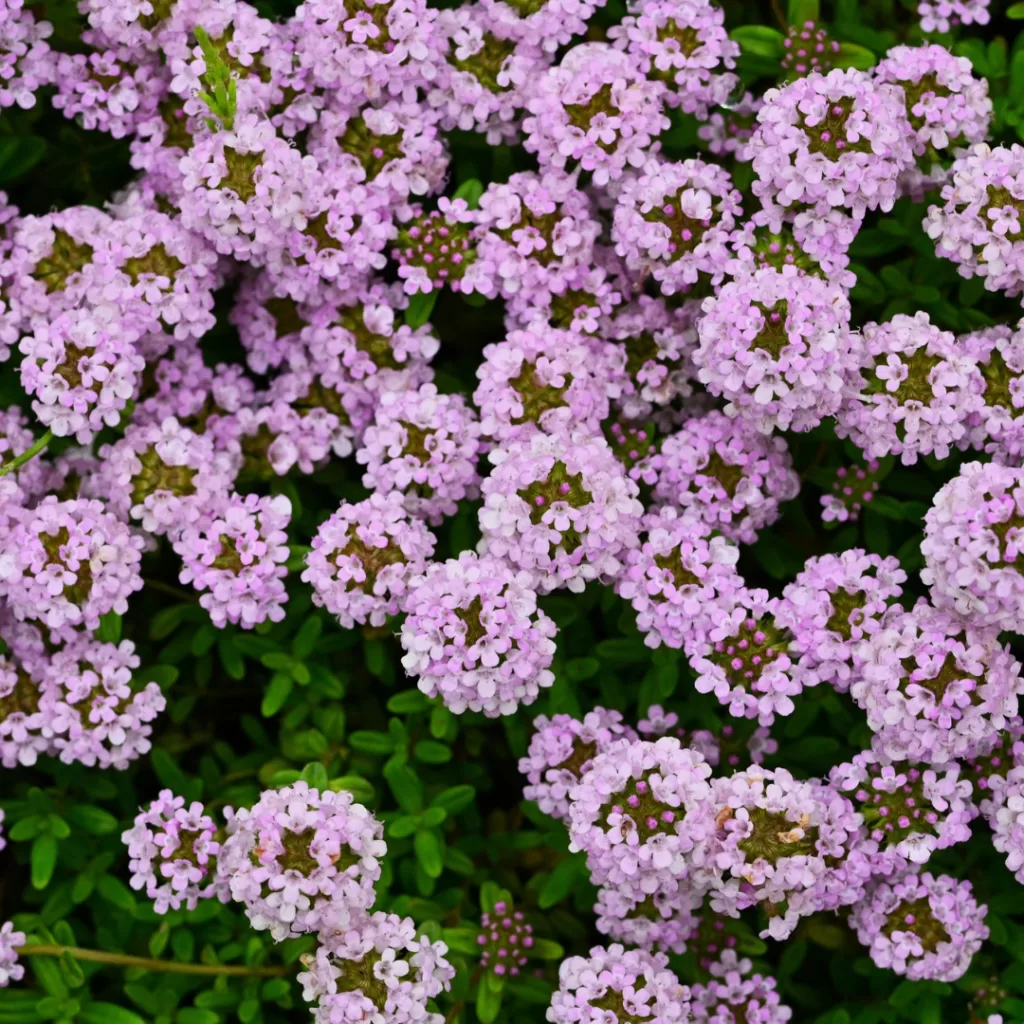
Thyme honey is one of the most aromatic and distinctive honey varieties in the world. Produced primarily in Mediterranean regions — especially Greece — this honey develops an intense herbal fragrance and complex flavor profile that sets it apart from milder varieties like clover or wildflower honey.
Because wild thyme thrives in dry, rocky climates with high sun exposure, the nectar becomes highly concentrated. As a result, thyme honey often carries bold floral notes, subtle spice, and a rich golden to amber color.
In this guide, you’ll learn:
- What thyme honey is
- Where it is produced
- Why Greek thyme honey is especially prized
- Its flavor characteristics
- Potential health benefits
- How it compares to other honey types
Table of Contents
ToggleWhat Is Thyme Honey?
Thyme honey is produced when bees collect nectar from thyme plants (Thymus species). These small, aromatic herbs grow abundantly across Mediterranean landscapes, particularly in Greece.
Unlike agricultural honey varieties derived from large monoculture fields, thyme honey typically comes from wild herbs growing in rugged terrain. This contributes to its strong botanical identity and complex aroma.
Why Greek Thyme Honey Is Famous
Although thyme grows in several Mediterranean countries, Greek thyme honey has earned a particularly strong reputation.
Several factors contribute to this:
- Long dry summers
- High sun intensity
- Mountainous and island ecosystems
- Minimal industrial agriculture in some regions
Greek islands such as Crete and the Cyclades are especially known for thyme honey production. The dry climate encourages nectar concentration, intensifying flavor and aroma.
Flavor Profile of Thyme Honey
Thyme honey is known for:
- Light amber to golden color
- Strong herbal aroma
- Slightly spicy undertones
- Long, lingering finish
- Moderate sweetness
Compared to pine honey or fir honey, thyme honey is more floral and aromatic. Compared to clover honey, it is more complex and less neutral.
Many describe the flavor as both sweet and savory, with subtle medicinal hints that reflect the essential oils present in thyme plants.
Nutritional & Potential Health Benefits
Like other raw honey varieties, thyme honey contains:
- Natural sugars (fructose and glucose)
- Antioxidants
- Trace minerals
- Enzymes
Because thyme plants are known for their antimicrobial properties, thyme honey may exhibit mild antibacterial activity.
Some potential benefits often associated with thyme honey include:
1. Antioxidant Support
Thyme honey contains polyphenols that may help combat oxidative stress.
2. Soothing Effects
Like most honey, thyme honey can help soothe sore throats when mixed with warm water or tea.
3. Digestive Support
Raw honey varieties may support gut health due to their natural enzymes.
Important: Honey is not a substitute for medical treatment. Always consult a professional for health concerns.
How Thyme Honey Is Produced
Thyme honey production typically occurs during late spring and early summer when thyme blooms.
Beekeepers often move hives seasonally to areas where thyme grows densely. Because thyme flowers are small, bees must forage extensively, which can result in lower yields compared to large-scale agricultural honey production.
This limited production contributes to thyme honey’s premium perception.
Thyme Honey vs Other Mediterranean Honeys
Thyme vs Pine Honey
- Thyme honey → Floral, aromatic, golden
- Pine honey → Darker, resinous, less sweet
Thyme vs Fir Honey
- Thyme → Lighter and more fragrant
- Fir → Darker, thicker, less prone to crystallization
Thyme vs Manuka Honey
- Thyme → Herbal and aromatic
- Manuka → Earthy, medicinal, MGO-graded
Crystallization & Storage
Thyme honey may crystallize over time. This is a natural process and does not affect quality.
To restore liquidity:
Place the jar in warm (not boiling) water and allow it to gently re-liquefy.
Store thyme honey in:
- A sealed container
- Cool, dry location
- Away from direct sunlight
Culinary Uses of Thyme Honey
Thyme honey pairs exceptionally well with:
- Greek yogurt
- Hard cheeses
- Roasted nuts
- Herbal teas
- Mediterranean desserts
It also complements savory dishes, especially those involving herbs, roasted vegetables, or grilled meats.
Because of its aromatic intensity, a small amount often goes a long way.
Is Thyme Honey Worth Buying?
If you enjoy:
- Stronger floral honey
- Mediterranean flavors
- Distinct regional identity
Thyme honey is absolutely worth trying.
It offers a different experience compared to neutral table honeys and highlights how geography and flora shape honey characteristics.
Frequently Asked Questions
Is thyme honey rare?
It is less common globally than clover or wildflower honey due to limited production regions.
Does thyme honey taste medicinal?
It can have herbal undertones, but most consumers describe it as pleasantly aromatic rather than medicinal.
Is Greek thyme honey better?
“Better” is subjective, but Greek thyme honey is widely respected for its intensity and purity.
Why Thyme Honey Stands Out
Thyme honey represents the essence of Mediterranean terroir. Produced from wild herbs under intense sun exposure, it captures the aromatic character of Greece’s rugged landscapes.
For those exploring global honey varieties, thyme honey offers a bold yet balanced option that reflects centuries of traditional beekeeping in Mediterranean regions.