Honey is far more than just a sweetener. It’s a natural product shaped by flowers, geography, climate, and bees, resulting in an incredible diversity of flavors, colors, textures, and uses. From light and floral to dark and bold, each type of honey tells a unique story.
In this complete guide, you’ll discover:
- The main types of honey
- How honey differs by flower source, form, and processing
- Which honeys are best for taste, cooking, health, and everyday use
- How to choose the right honey for your needs
Whether you’re new to honey or a longtime enthusiast, this guide will help you understand what makes each variety special.
How Honey Gets Its Variety
Honey begins as nectar collected from flowers. Bees transform that nectar through enzymatic activity, evaporation, and storage in the hive. The type of flower, combined with local environment and beekeeping practices, determines the final honey.
Three main factors define a honey’s type:
- Floral source (what plants the bees visited)
- Processing method (raw, filtered, pasteurized)
- Physical form (liquid, creamed, comb)
Let’s explore each category.
1. Types of Honey by Floral Source
These honeys are classified by the primary flower or plant the nectar comes from.
Monofloral Honey
Monofloral honey comes predominantly from one type of flower. These honeys have distinct, recognizable flavors and are often prized for their uniqueness.
Popular examples include:
- Clover Honey – Mild, sweet, and versatile
- Manuka Honey – Rich, earthy, and highly valued
- Buckwheat Honey – Dark, bold, and malty
- Orange Blossom Honey – Light citrus aroma and flavor
- Acacia Honey – Very light, floral, and slow to crystallize
- Lavender Honey – Delicate floral notes
Monofloral honeys are ideal for tasting, pairing, and specialty uses.
Wildflower Honey
Wildflower honey is made from nectar collected from multiple flower species. Its flavor varies depending on season and region, making every batch slightly different.
Characteristics:
- Medium sweetness
- Balanced floral notes
- Changes year to year
Wildflower honey is perfect for everyday use and reflects the biodiversity of the local environment.
2. Types of Honey by Color and Flavor
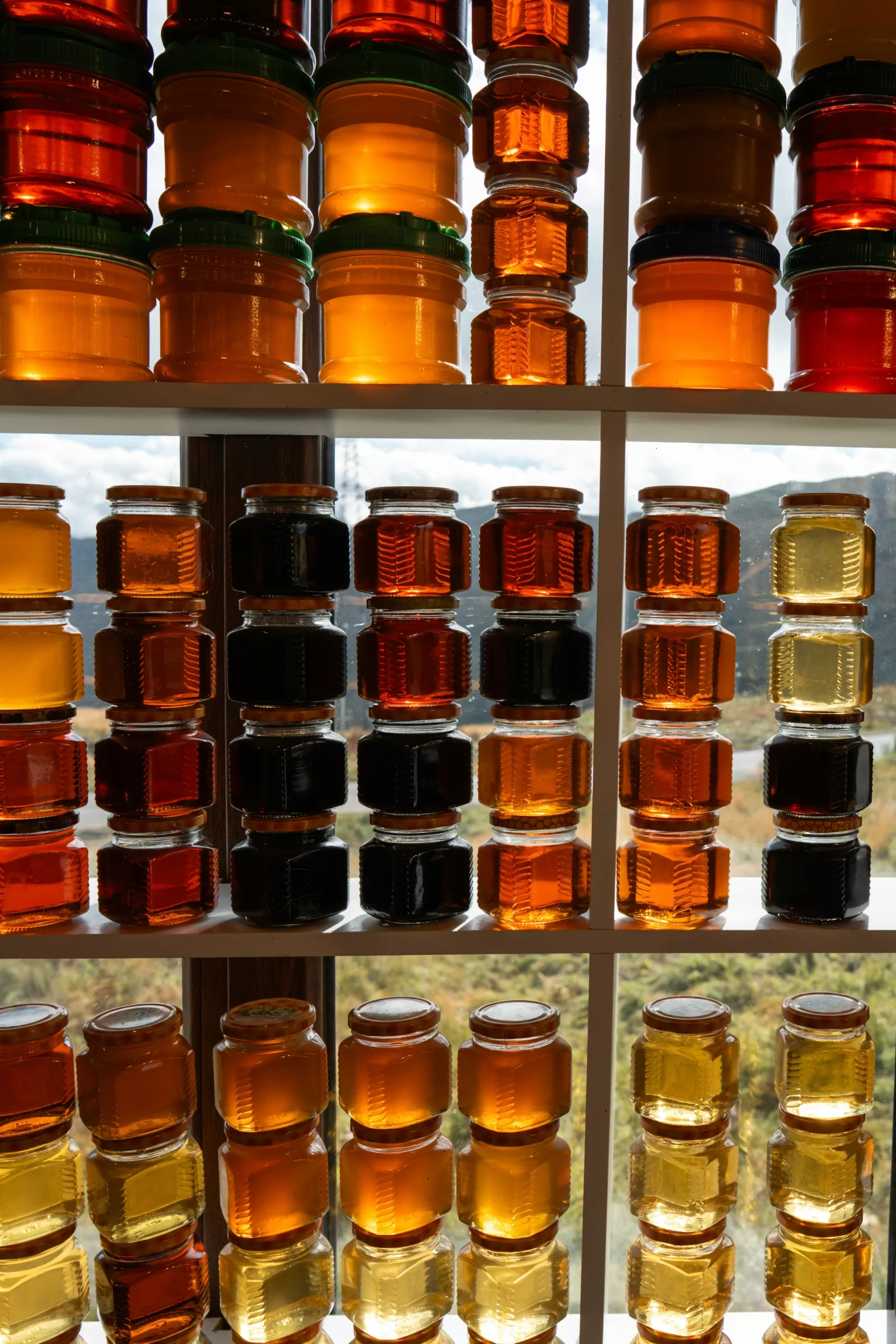
Honey color ranges from almost clear to deep amber, and color often hints at flavor.
Light Honeys
- Mild, delicate taste
- Subtle floral notes
- Examples: Acacia, Clover, Orange Blossom
Best for:
- Tea and coffee
- Baking
- Sweetening without overpowering flavor
Dark Honeys
- Strong, bold, complex flavors
- Higher mineral content
- Examples: Buckwheat, Chestnut, Forest Honey
Best for:
- Marinades
- Sauces
- Pairing with cheese or bread
3. Types of Honey by Form
Honey’s physical form affects texture, appearance, and how it’s used.
Liquid Honey
The most common form. Smooth and pourable, it’s ideal for drizzling, baking, and mixing.
Creamed (Whipped) Honey
Creamed honey is crystallized in a controlled way to create a smooth, spreadable texture.
Benefits:
- No dripping
- Easy to spread
- Great for toast and sandwiches
Honeycomb Honey
Honey still inside the beeswax comb. Completely raw and edible.
Why people love it:
- Pure, unprocessed experience
- Chewy texture
- Beautiful presentation
4. Types of Honey by Processing Method
Raw Honey
Raw honey is often compared to more heavily processed honey, and understanding the difference between raw and processed honey can help you choose the right option for your needs.
Raw honey is minimally processed and not heated at high temperatures.
Retains:
- Natural enzymes
- Pollen
- Antioxidants
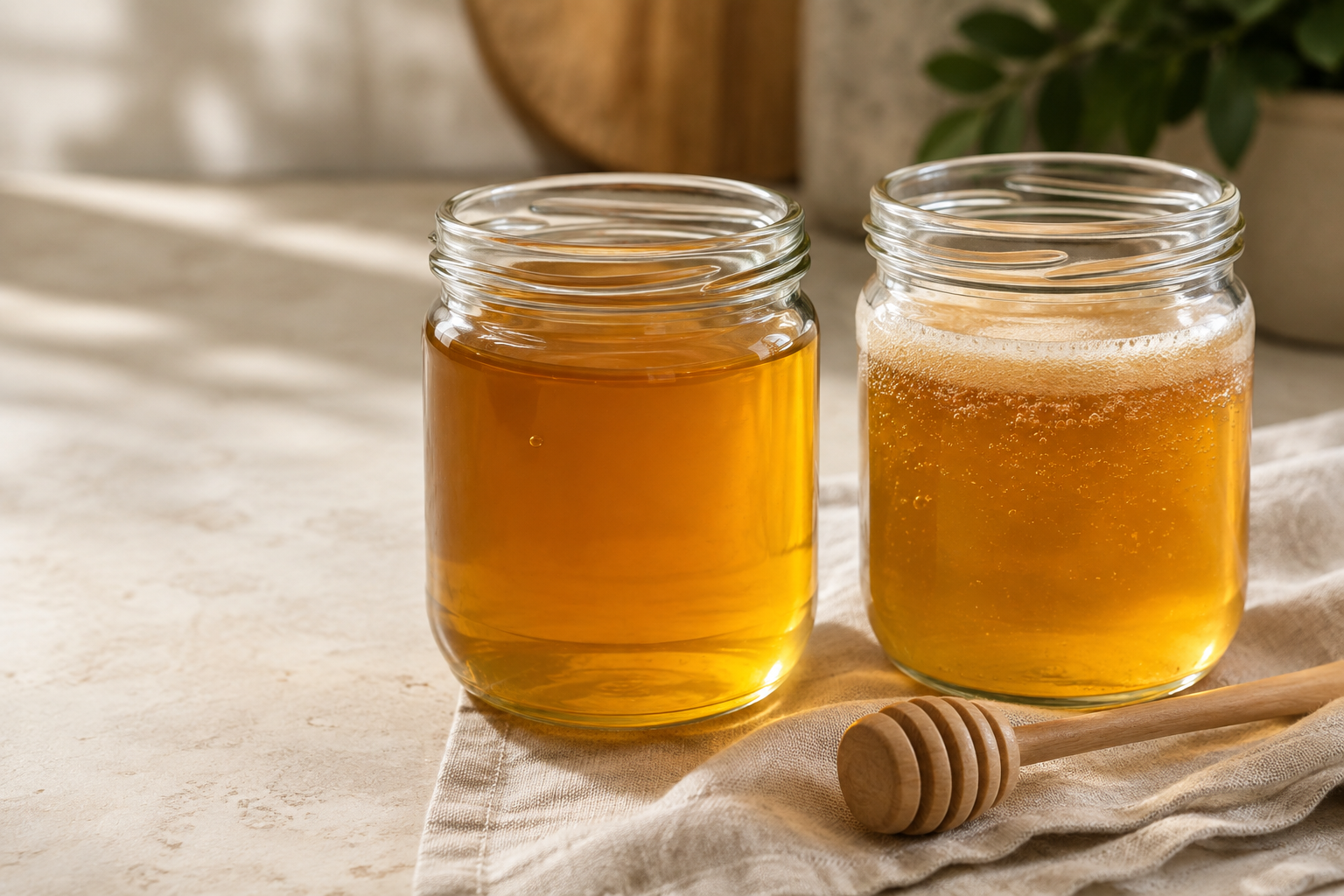
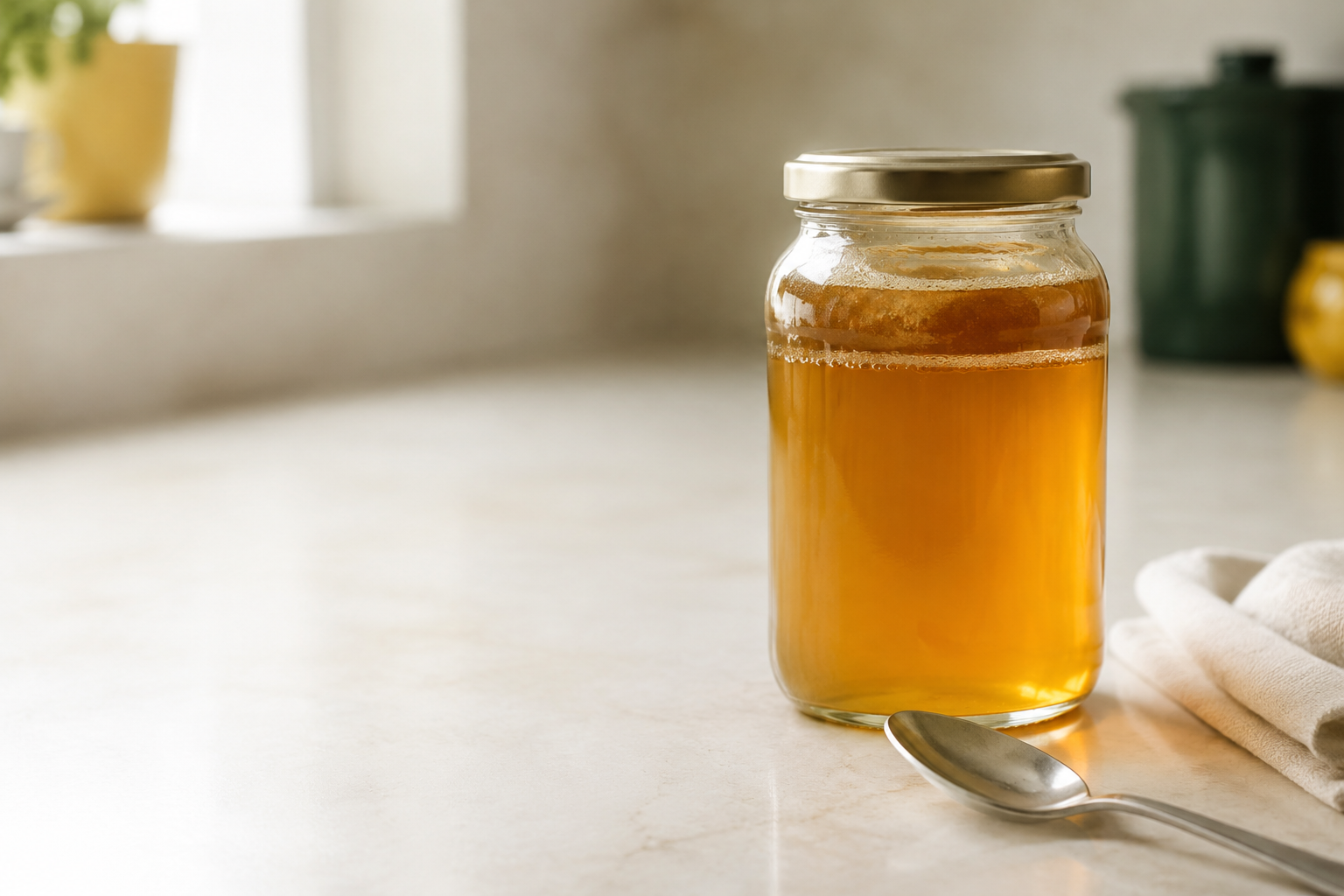
Raw honey may crystallize faster — a sign of purity, not spoilage.
Filtered Honey
Lightly filtered to remove wax and particles while preserving most natural qualities.
Pasteurized Honey
Heated for clarity and shelf stability.
Pros:
- Smooth appearance
- Slower crystallization
Cons:
- Fewer natural enzymes
5. Specialty and Regional Honeys
Honey also varies by geography, reflecting climate and native plant life.
Examples:
- Mediterranean honeys (herbal, aromatic)
- Tropical honeys (fruity, intense)
- Forest honeys (rich, resinous)
Single-origin honeys from specific regions are increasingly popular for their traceability and terroir, much like fine wine or olive oil.
How to Choose the Right Type of Honey
Ask yourself:
- Flavor preference: Mild or bold?
- Use: Cooking, baking, health, or tasting?
- Texture: Liquid or spreadable?
- Processing: Raw or refined?
There’s no “best” honey — only the best honey for you.
Why Honey Variety Matters
Understanding honey types helps you:
- Appreciate craftsmanship and nature
- Support ethical beekeeping
- Choose higher-quality products
- Enjoy better flavor experiences
Honey isn’t just food — it’s an agricultural, ecological, and cultural product.
Final Thoughts
The world of honey is vast and endlessly fascinating. From light and floral to dark and complex, every variety offers something unique. Exploring different types of honey connects you to bees, flowers, and landscapes around the world.
This guide is your starting point — and from here, each honey has its own story worth discovering.