Bees are essential pollinators that play a crucial role in ecosystems and food production. While many people know that bees produce honey, fewer understand what bees actually eat and how their diet supports the entire hive.
The diet of bees is surprisingly diverse and carefully balanced. Bees collect several types of food from their environment, including nectar, pollen, and sometimes honeydew. These resources provide the carbohydrates, proteins, and nutrients necessary for a healthy colony.
In this guide, we’ll explore:
The main foods bees eat
How bees collect and store food
How bee diets change within the hive
The difference between nectar, pollen, and honey
How bees survive during winter
Understanding what bees eat helps explain how honey is made and why flowering plants are so important for bee populations.
Nectar: The Primary Energy Source for Bees
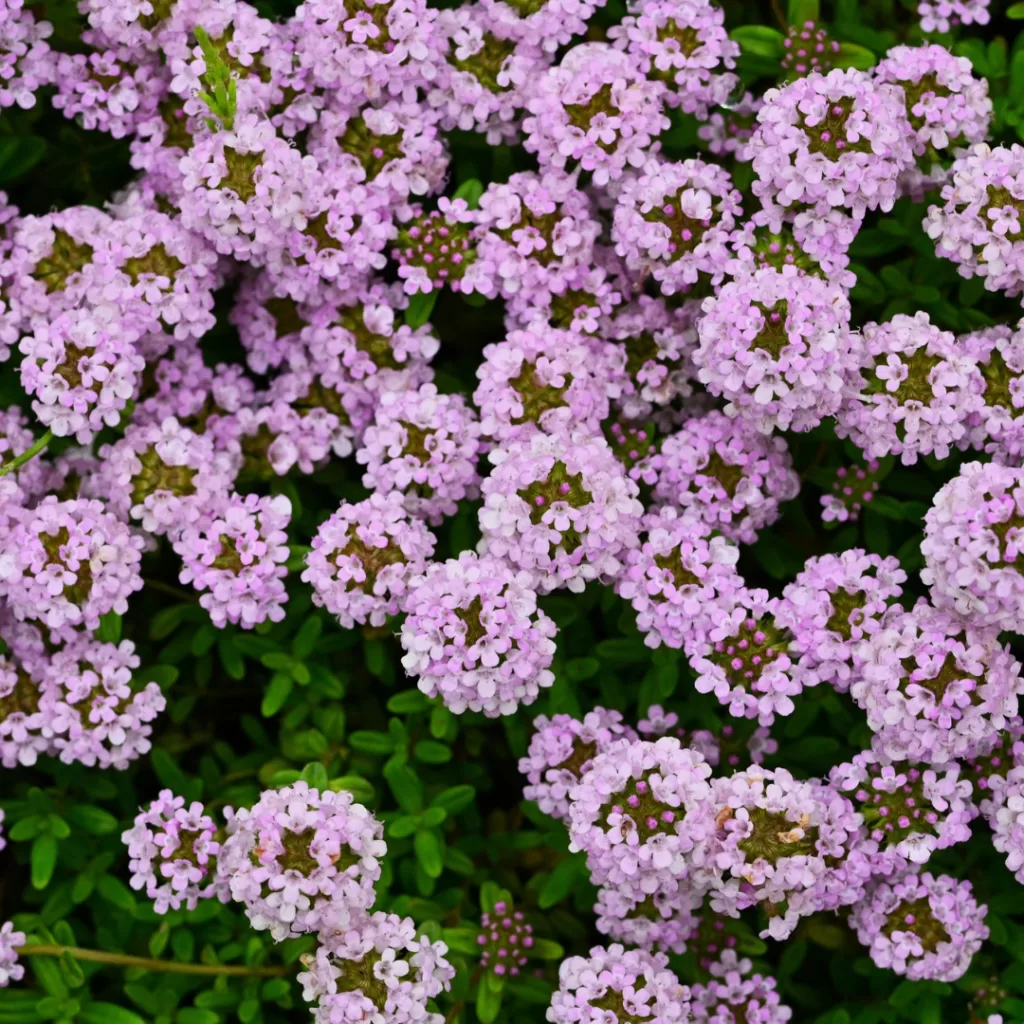
Nectar is the main food source that bees collect from flowers.
Plants produce nectar as a sweet liquid designed to attract pollinators. When bees visit flowers to drink nectar, they also transfer pollen between plants, helping fertilize crops and wild plants.
Nectar contains natural sugars, primarily:
These sugars provide the energy bees need to fly, forage, and maintain the hive.
Worker bees collect nectar using their proboscis and store it in a special organ known as the honey stomach, where it is transported back to the hive.
Once nectar returns to the hive, bees begin transforming it into honey through enzymatic activity and evaporation, a process explained step-by-step in our guide to how honey is made.
This nectar later becomes honey through the honey-making process.
Pollen: The Protein Source for Bees
While nectar provides energy, bees also require protein and nutrients to grow and develop.
This is where pollen becomes essential.
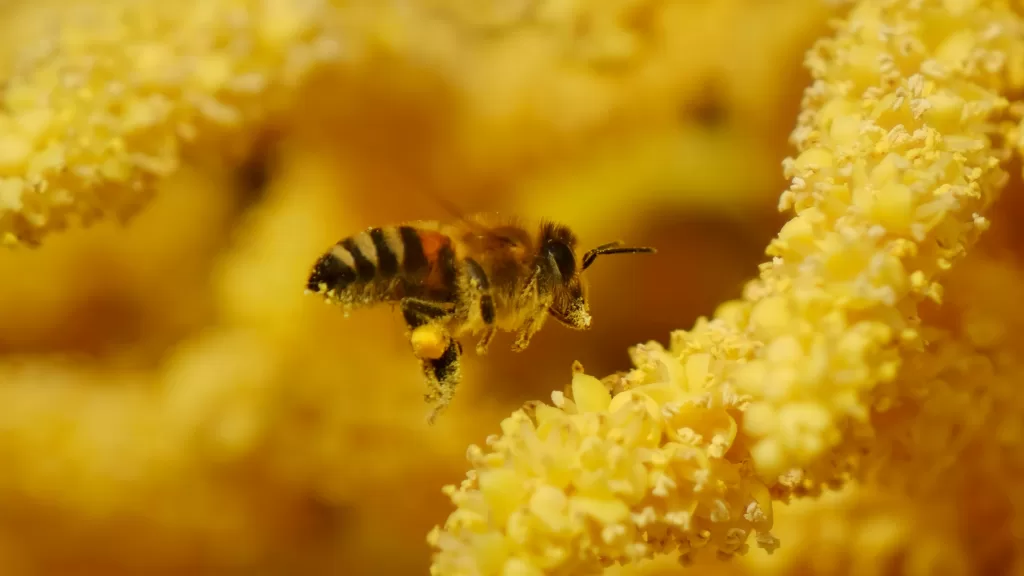
Pollen is collected from the male parts of flowers and contains important nutrients, including:
proteins
amino acids
fats
vitamins
minerals
Worker bees gather pollen on specialized structures on their legs called pollen baskets.
Inside the hive, pollen is stored and often mixed with nectar and enzymes to form a nutrient-rich food known as bee bread.
Bee bread feeds developing larvae and supports the growth of the colony.
Honey: The Hive’s Stored Food Supply
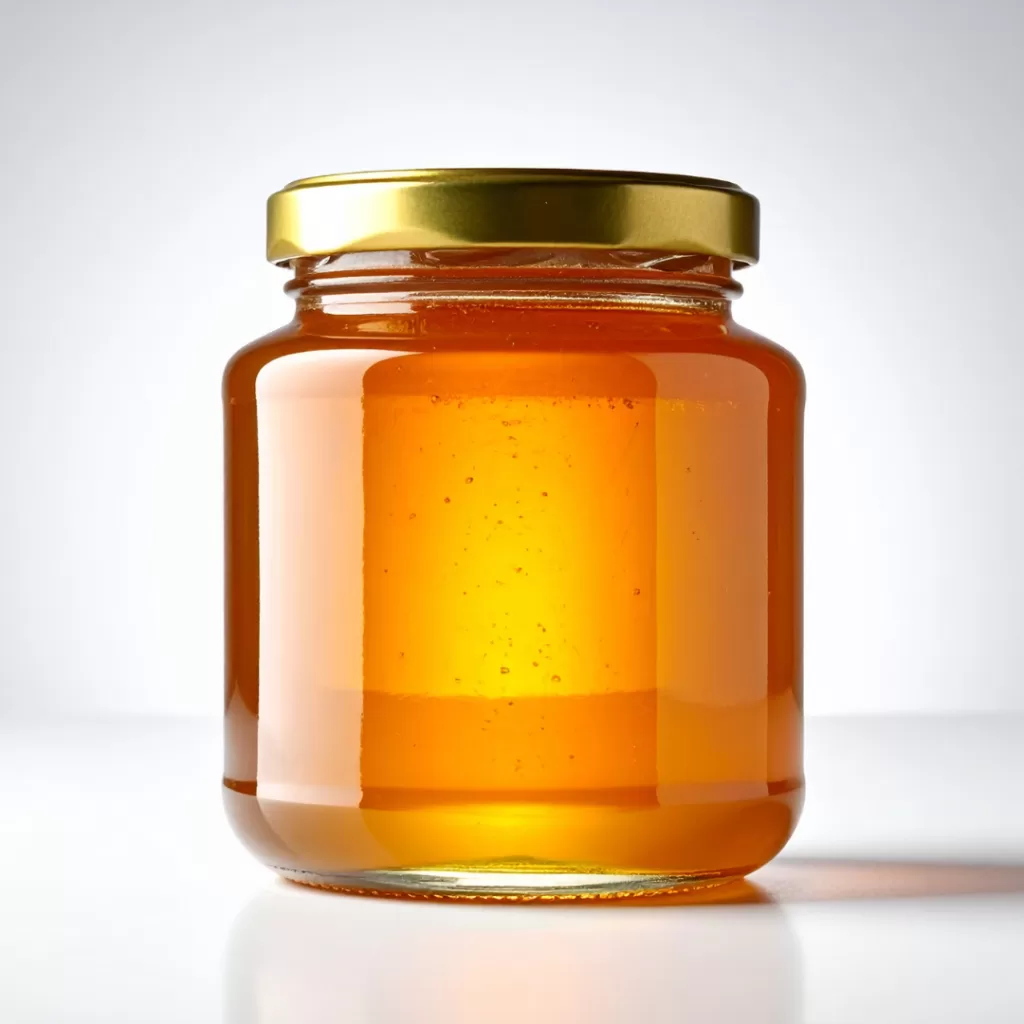
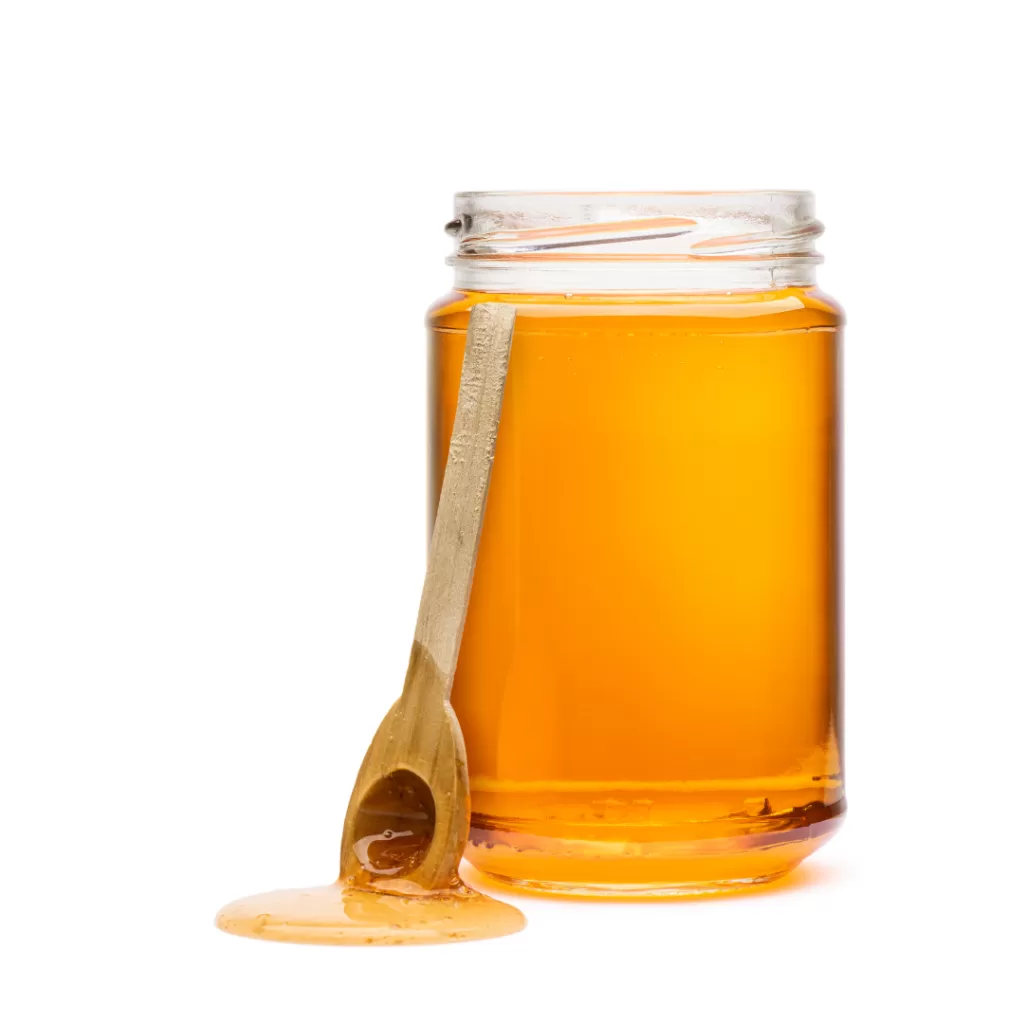
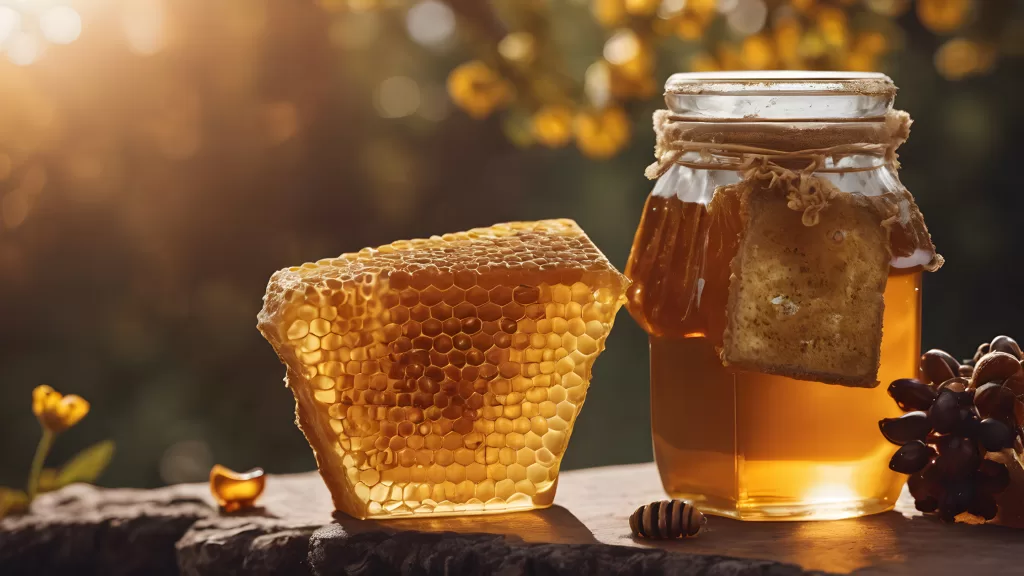
Honey is produced by bees primarily as a long-term food reserve.
During seasons when flowers are abundant, bees collect more nectar than they immediately need. The excess nectar is converted into honey and stored in honeycomb cells.
Honey serves several purposes:
Bees rely heavily on honey during winter when nectar sources disappear.
Understanding how bees convert nectar into honey helps explain how honey is made inside the hive.
Honeydew: An Alternative Sugar Source
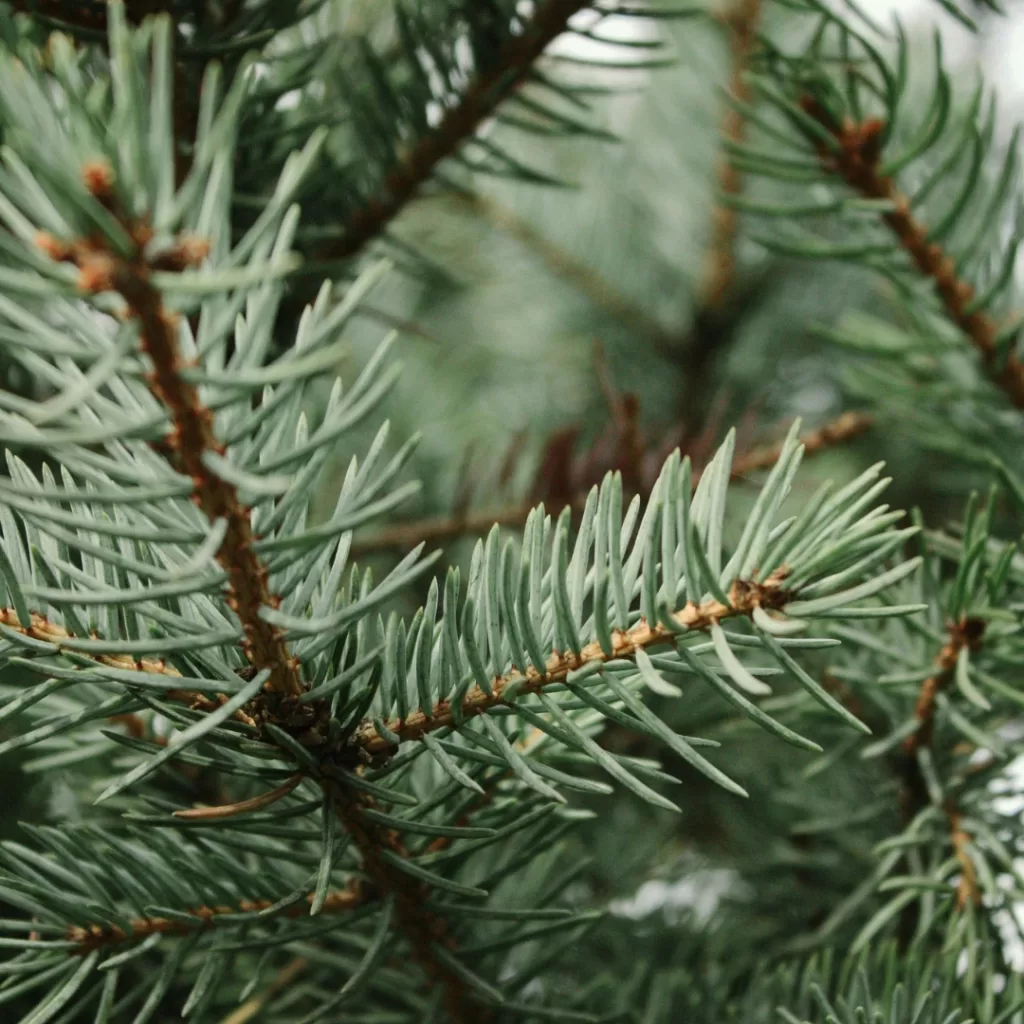
Although most honey comes from flower nectar, bees sometimes collect sugary secretions called honeydew, which are used to produce a darker type of honey known as honeydew honey.
Honeydew is a sugary substance produced by certain insects that feed on plant sap, such as aphids and scale insects.
Bees gather honeydew from leaves, bark, and tree surfaces and process it into honey inside the hive.
This type of honey is known as honeydew honey, which is often darker and richer than floral honey.
Honeydew honey is common in forest ecosystems where flowering plants may be less abundant.
Water: An Essential Resource for Bees
Bees also collect water.
Water is used inside the hive to:
During hot weather, bees spread water inside the hive and fan their wings to create evaporative cooling.
Bees may collect water from:
Access to clean water is important for colony health.
How Different Bees in the Hive Eat
Not all bees eat the same food in the same way.
A bee colony has a structured system where food is distributed according to the needs of each member.
Worker Bees
Worker bees primarily consume:
These foods provide the energy needed for flight and hive maintenance.
Bee Larvae
Larvae are fed a mixture of:
This diet provides the protein and nutrients required for growth.
The Queen Bee
The queen bee has a specialized diet.
She is fed royal jelly, a nutrient-rich substance produced by worker bees.
Royal jelly allows the queen to grow larger and remain fertile throughout her life.
Seasonal Changes in Bee Diet
Bee diets change depending on the time of year.
Spring and Summer
During flowering seasons, bees collect large amounts of nectar and pollen from plants.
This allows colonies to grow rapidly.
Autumn
Bees begin storing large amounts of honey to prepare for winter.
Pollen stores are also built up to support the colony.
Winter
In colder climates, bees remain inside the hive and survive by consuming stored honey.
The colony forms a cluster around the queen to maintain warmth.
Honey becomes the primary food source until flowers return in spring.
Why Bee Diets Depend on Flower Diversity
Different flowers provide nectar with unique flavors and chemical compositions, which is why the world contains so many different honey varieties.
Different flowers provide different nutritional profiles.
A diverse landscape with many plant species helps ensure bees receive balanced nutrition.
Areas rich in wildflowers, orchards, and flowering trees are particularly valuable for bee health.
What Happens If Bees Cannot Find Food?
When bees cannot find enough nectar or pollen, colonies may weaken.
Lack of food can lead to:
Beekeepers sometimes provide supplemental feeding during periods of scarcity, but natural forage is always preferred.
Do All Bees Eat the Same Foods?
While honeybees rely on nectar, pollen, honey, and honeydew, other bee species may have slightly different diets.
However, most bees still depend on nectar for energy and pollen for protein.
This makes flowering plants essential for nearly all bee species.
The Connection Between Bees, Plants, and Food Production
Bees play a critical role in agriculture.
As they gather nectar and pollen, bees pollinate many crops, including:
fruits
vegetables
nuts
seeds
Without bees and other pollinators, global food production would be significantly reduced.
Supporting bee populations helps maintain healthy ecosystems and food systems.
Bees depend on a carefully balanced diet made up primarily of nectar and pollen. These natural foods provide the energy, protein, and nutrients needed for a thriving colony.
Honey serves as a stored food supply, while honeydew can sometimes act as an alternative sugar source in forest environments.
Understanding what bees eat highlights the incredible relationship between bees, flowering plants, and the ecosystems that support both.
Protecting diverse plant habitats ensures bees can continue gathering the resources they need to survive and produce honey.