Honey is one of nature’s most fascinating foods, produced entirely by bees from nectar gathered from flowers. While humans have enjoyed honey for thousands of years, honey is not made for people. Bees produce honey primarily as a food supply that helps their colony survive during times when nectar is scarce.
Understanding why bees make honey reveals an incredible system of cooperation inside the hive. Thousands of worker bees work together to collect nectar, transform it into honey, and store it for future use.
In this guide, we’ll explore:
Why bees produce honey
How honey supports the hive
How bees turn nectar into honey
Why honey is essential for winter survival
The role honey plays in bee biology
Learning why bees make honey helps us better understand the relationship between bees, flowers, and ecosystems.
Honey Is the Hive’s Energy Supply
The primary reason bees produce honey is to store energy.
Bees rely on carbohydrates for fuel, especially because flying requires significant energy. Nectar collected from flowers contains natural sugars that provide this energy, but nectar is not stable enough to store long term.
By transforming nectar into honey, bees create a concentrated, long-lasting food source that can feed the colony for extended periods.
Honey provides energy for:
Without stored honey, bee colonies would struggle to survive when flowers are not blooming.
Bees Store Honey for Winter Survival
One of the most important reasons bees make honey is winter survival.
In many regions, flowers disappear during colder months. Without nectar sources, bees cannot collect fresh food.
Instead, the colony relies entirely on honey that was stored earlier in the year.
During winter:
bees remain inside the hive
they form a tight cluster around the queen
they consume stored honey for energy
The energy from honey helps bees generate heat by vibrating their flight muscles, keeping the hive warm even when outside temperatures drop.
This stored honey is essential for the colony to survive until spring.
Honey Is a Long-Term Food Reserve
Honey has remarkable preservation properties.
Unlike nectar, which contains large amounts of water, honey is a highly concentrated sugar solution. Bees reduce the moisture content of nectar through evaporation until it becomes stable honey.
This low moisture level prevents fermentation and microbial growth, allowing honey to be stored safely for long periods.
Because of these properties, honey can remain edible for years when properly sealed in honeycomb.
For bees, this makes honey an ideal long-term food reserve.
How Bees Turn Nectar Into Honey
The process of making honey begins when worker bees collect nectar from flowers.
Bees drink nectar using their proboscis and store it in a specialized organ called the honey stomach. Once the bee returns to the hive, the nectar is passed to other worker bees.
Through enzyme activity and evaporation, the nectar gradually transforms into honey.
If you want to see the full process in detail, you can read our guide explaining how honey is made from flower nectar to honeycomb.
Why Bees Produce More Honey Than They Need
A healthy bee colony often produces more honey than it immediately consumes.
This surplus acts as a buffer against unpredictable conditions such as:
long winters
droughts
poor flowering seasons
extended storms
Producing extra honey ensures the colony has enough food even when environmental conditions change.
Beekeepers harvest only part of this surplus honey while leaving enough for the colony to survive.
Honey Feeds the Entire Bee Colony
Different members of the hive rely on honey in different ways.
Worker Bees
Worker bees use honey as their primary energy source. It fuels their activities such as flying, building comb, and caring for larvae.
Bee Larvae
Developing larvae are fed a mixture of honey, pollen, and glandular secretions from worker bees.
The Queen Bee
The queen bee is fed a specialized diet called royal jelly, but the workers producing royal jelly rely on honey and pollen as their own food sources.
In this way, honey supports the entire colony.
Nectar and Pollen: The Two Essential Bee Foods
Although honey is important, bees actually collect two main types of food from flowers.
Nectar provides carbohydrates that eventually become honey.
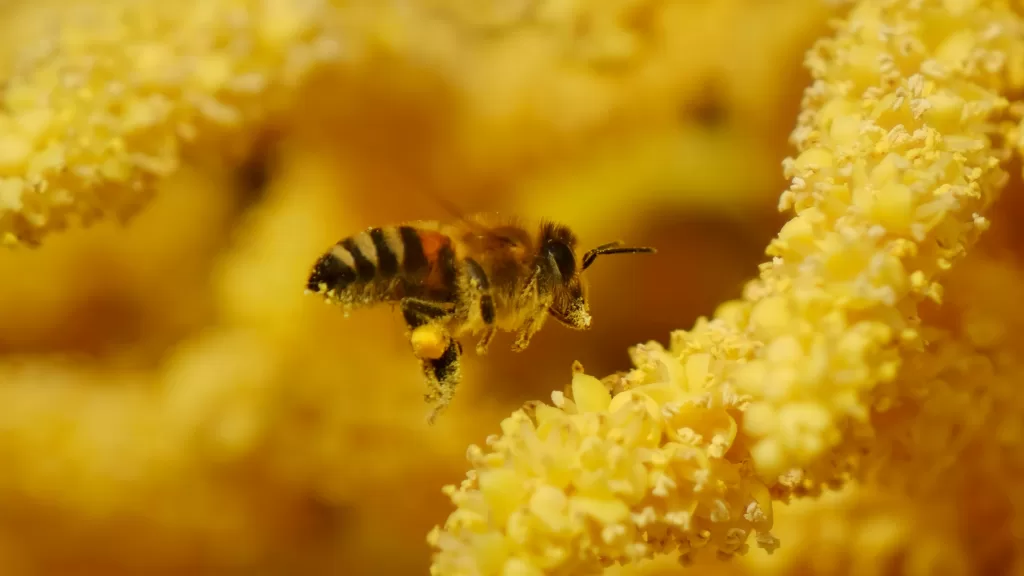
Pollen provides proteins, fats, vitamins, and minerals that support larval growth and colony development.
You can learn more about the full diet of bees in our guide explaining what bees eat.
Nectar provides carbohydrates that eventually become honey, while pollen supplies proteins and nutrients needed for larval development. You can learn more about the complete bee diet in our guide explaining what bees eat.
Some Honey Comes From Honeydew
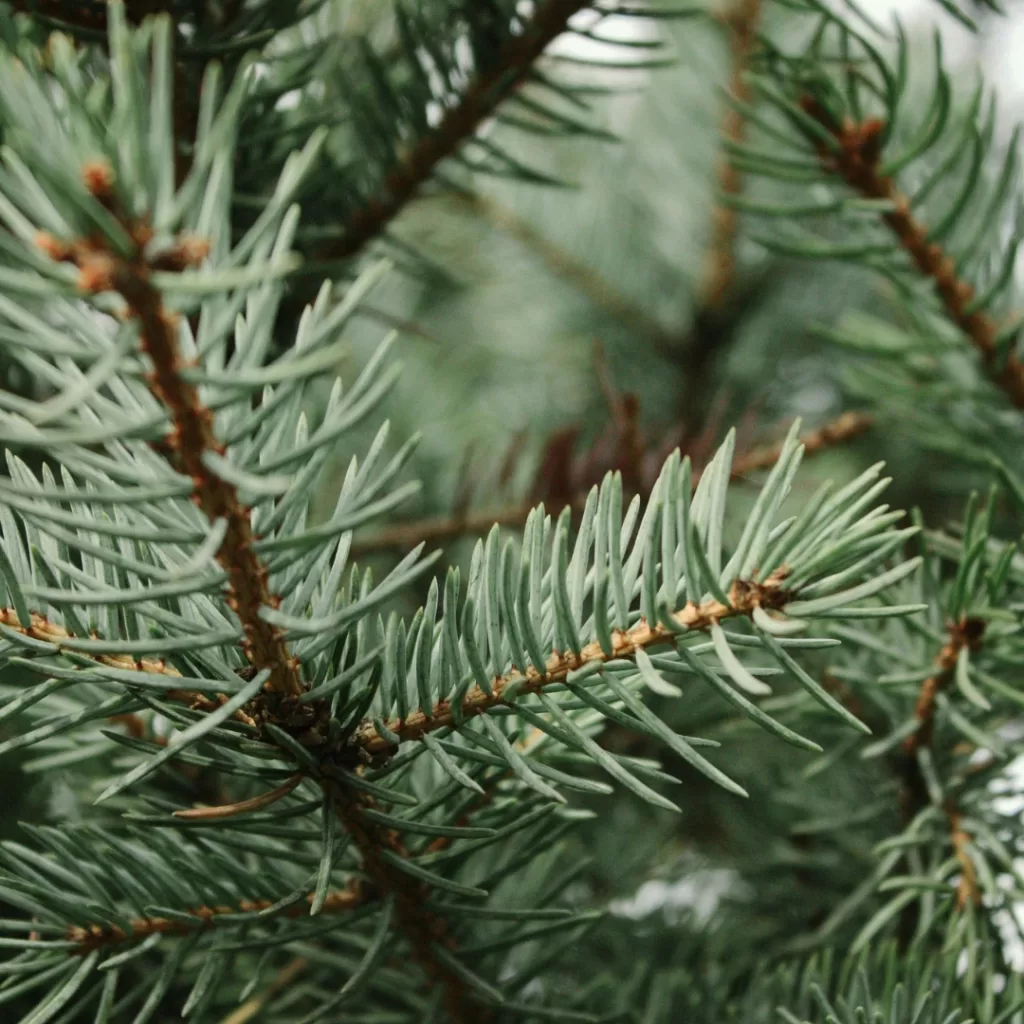
While most honey is made from floral nectar, bees sometimes collect sugary secretions left behind by sap-feeding insects on trees.
This substance is called honeydew.
Bees gather honeydew and convert it into a darker, richer honey known as honeydew honey, which is often produced in forest environments.
Honey Production Is a Collective Effort
A bee colony functions as a highly organized system where thousands of bees work together.
Different worker bees perform specialized roles such as:
nectar foraging
pollen collection
honey processing
hive ventilation
honeycomb construction
Each worker bee contributes a small part to the overall honey production process.
It takes approximately 12 worker bees their entire lifetime to produce a single teaspoon of honey.
This extraordinary cooperation allows colonies to store large quantities of food.
Honey Production Supports Ecosystems
While bees produce honey for their own survival, the process also supports ecosystems.
As bees collect nectar and pollen, they pollinate plants. This pollination helps plants reproduce and contributes to the production of many fruits, vegetables, and nuts consumed by humans.
Healthy bee populations are therefore essential for both natural ecosystems and global agriculture.
Bees make honey primarily to ensure the survival of their colony. By converting nectar into a concentrated, long-lasting food source, bees create a reliable energy reserve that allows the hive to survive winter and other periods when flowers are unavailable.
Honey production is the result of an extraordinary cooperative effort among thousands of worker bees. Their ability to transform nectar into one of nature’s most stable foods demonstrates the remarkable complexity of life inside a beehive.
Understanding why bees make honey helps deepen appreciation for bees and the essential role they play in our ecosystems.