Introduction
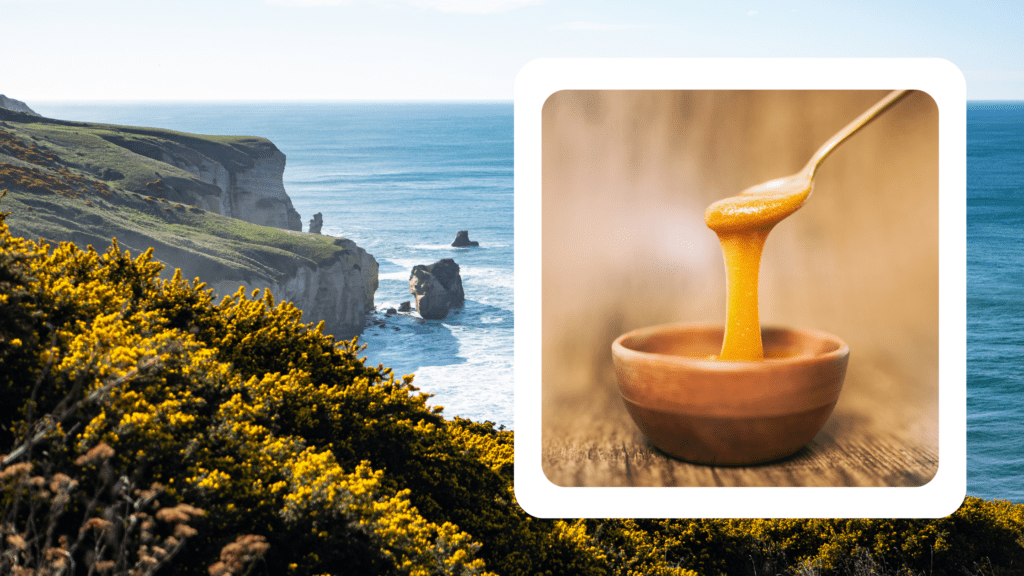
New Zealand honey has earned a global reputation for purity, potency, and unique floral origins. While many countries produce excellent honey, New Zealand stands out because of its isolated ecosystem, native plant species, and strict export standards.
Most notably, New Zealand is home to Manuka honey — one of the most commercially valuable and scientifically studied honey varieties in the world.
However, Manuka is not the only honey produced in New Zealand. Explore more regions in our complete Honey By Country guide.
In this comprehensive guide, you’ll discover:
What makes New Zealand honey unique
The difference between Manuka and Kanuka
Other native honey varieties
How geography influences flavor
UMF certification and export standards
How New Zealand honey compares globally
Why New Zealand Honey Is So Highly Regarded
New Zealand’s geographic isolation plays a major role in honey quality.
Because the country is separated from large continental landmasses, it has:
Unique native plant species
Lower agricultural contamination in many regions
Strict biosecurity regulations
Controlled export standards
In addition, New Zealand’s clean air, diverse terrain, and limited industrial density contribute to its premium honey reputation.
The Star of New Zealand: Manuka Honey
Manuka honey is produced from the nectar of the Manuka bush (Leptospermum scoparium), a flowering plant native to New Zealand.
Unlike regular honey, Manuka honey contains high levels of methylglyoxal (MGO), which gives it strong antibacterial properties.
This has led to:
What Makes Manuka Honey Unique?
Manuka honey differs from other honey varieties because:
It contains measurable MGO levels
It is graded using UMF and MGO systems
It has non-peroxide antibacterial activity
It often features an earthy, herbal flavor profile
Not all New Zealand honey is Manuka, but Manuka remains the country’s most recognized export.
Kanuka Honey: New Zealand’s Lesser-Known Native Honey
Kanuka honey comes from the Kanuka tree (Kunzea ericoides), another native New Zealand plant.
While similar to Manuka botanically, Kanuka honey typically:
Has lower MGO levels
Is milder in flavor
Is sometimes used in skincare products
May offer antibacterial properties, though generally less potent than Manuka
Kanuka honey is gaining popularity as consumers look for alternatives to high-priced Manuka varieties.
Other New Zealand Honey Varieties
Beyond Manuka and Kanuka, New Zealand produces:
Clover Honey
New Zealand clover honey is light, mild, and popular for everyday use.
Wildflower Honey
Depending on region, wildflower honey may include nectar from native shrubs and seasonal blossoms.
Rewarewa Honey
Produced from the native honeysuckle tree, Rewarewa honey has a distinctive malty flavor.
Pohutukawa Honey
Sourced from the coastal Pohutukawa tree, this honey can develop subtle caramel notes.
Climate and Geography of New Zealand Honey Production
New Zealand’s terrain ranges from coastal plains to mountainous regions. Climate varies between:
Because of this variation:
Nectar flow timing differs by region
Honey flavor varies geographically
Production volumes fluctuate seasonally
Short flowering windows for Manuka create limited harvest periods, contributing to higher pricing.
UMF Certification and Quality Control
New Zealand maintains strict honey export standards.
The UMF (Unique Manuka Factor) certification system ensures:
Verified MGO levels
Authentic floral source
Quality testing
Traceability
Only certified producers can use official UMF labeling.
These regulations help protect the global reputation of New Zealand honey.
New Zealand Honey vs Other Countries
| Feature | New Zealand | Canada | Greece |
|---|
| Signature Type | Manuka | Clover, Buckwheat | Thyme |
| Commercial Value | Premium | Large-scale export | Regional specialty |
| Certification | UMF | Federal standards | EU regulations |
| Flavor Profile | Herbal, earthy | Clean, mild | Aromatic, resinous |
New Zealand honey stands apart for its commercial value and antibacterial grading system.
Why Is New Zealand Honey Expensive?
Several factors contribute to higher pricing:
Limited Manuka bloom season
Remote hive placement
Laboratory testing requirements
Strong international demand
Export certification costs
These factors create scarcity, especially for high UMF grades.
Is All New Zealand Honey Manuka?
No.
Many consumers mistakenly believe all New Zealand honey is Manuka.
In reality, Manuka represents a portion of national production. Other floral sources contribute significantly to overall honey output.
Understanding this distinction helps consumers make informed purchasing decisions.
Sustainability and Environmental Challenges
New Zealand beekeepers face:
In response, regulatory systems have strengthened authentication processes to protect brand integrity.
How to Choose Authentic New Zealand Honey
When purchasing:
Look for official UMF or MGO ratings
Check country-of-origin labeling
Verify traceability codes
Avoid vague “active honey” claims
Authenticity is especially important for high-grade Manuka honey.
Frequently Asked Questions
What is the difference between Manuka and Kanuka honey?
Manuka honey contains higher MGO levels and is graded using UMF. Kanuka honey is milder and typically less potent.
Is New Zealand honey better than other honey?
It depends on purpose. For antibacterial strength, Manuka stands out. For everyday use, other varieties may offer better value.
Why is Manuka honey so expensive?
Limited bloom seasons, certification testing, and high global demand drive pricing.
Final Thoughts
New Zealand honey represents one of the most distinctive and commercially valuable honey sectors in the world. While Manuka honey receives the most attention, the country produces a range of unique floral varieties influenced by its isolated ecosystem and diverse terrain.
Understanding how geography shapes honey allows you to appreciate not only flavor but also authenticity and production standards.
If you’re exploring honey by country, New Zealand stands at the center of the premium honey conversation.