Honey by Country: Varieties, Origins and Regional Traditions
Honey reflects place. Climate shapes flowering seasons, local plants supply nectar or honeydew, bee species and beekeeping systems influence production, and regional standards determine how origin reaches the label.
Use this global guide to explore notable honeys from Africa, Asia, Europe, North America, Latin America, the Caribbean and Oceania—then follow each country guide for deeper regional detail.
Country is the starting point—not the whole flavor story
Travel the world through honey
Contents
Why honey’s country and region matter
Flora
A country name can suggest broad patterns, but honey is created at a much smaller scale. Two apiaries within the same country may produce very different honey because bees forage from different plants at different moments.
Climate and season
Nectar source is one of the strongest influences on aroma, color, sweetness, acidity, crystallization and other sensory properties. Forest honeydew can differ markedly from floral honey.
Landscape and soils
Rainfall, drought, temperature, elevation and bloom timing affect nectar flows and yearly harvests. A familiar regional honey may vary from one season to the next.
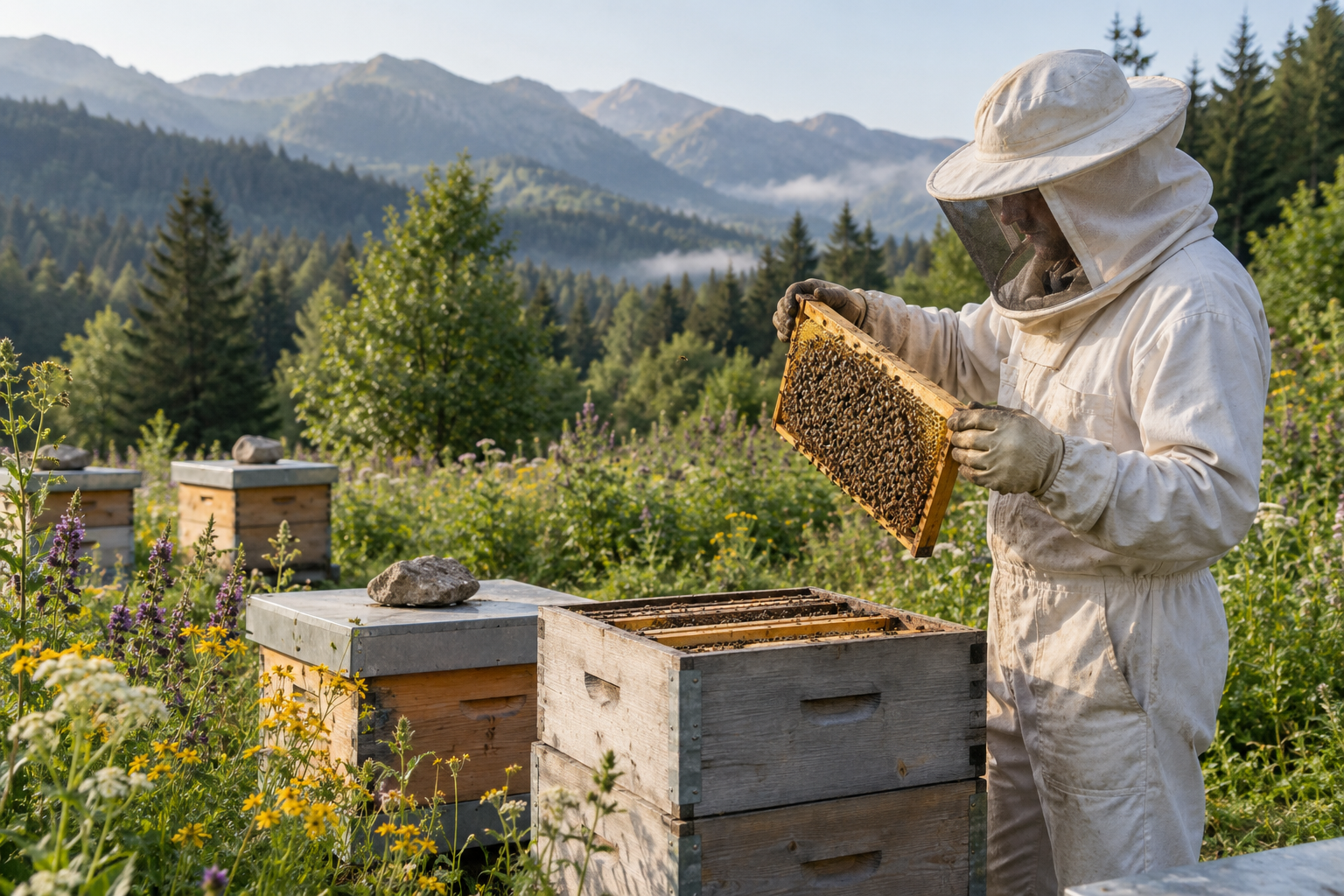
Browse honey traditions around the world
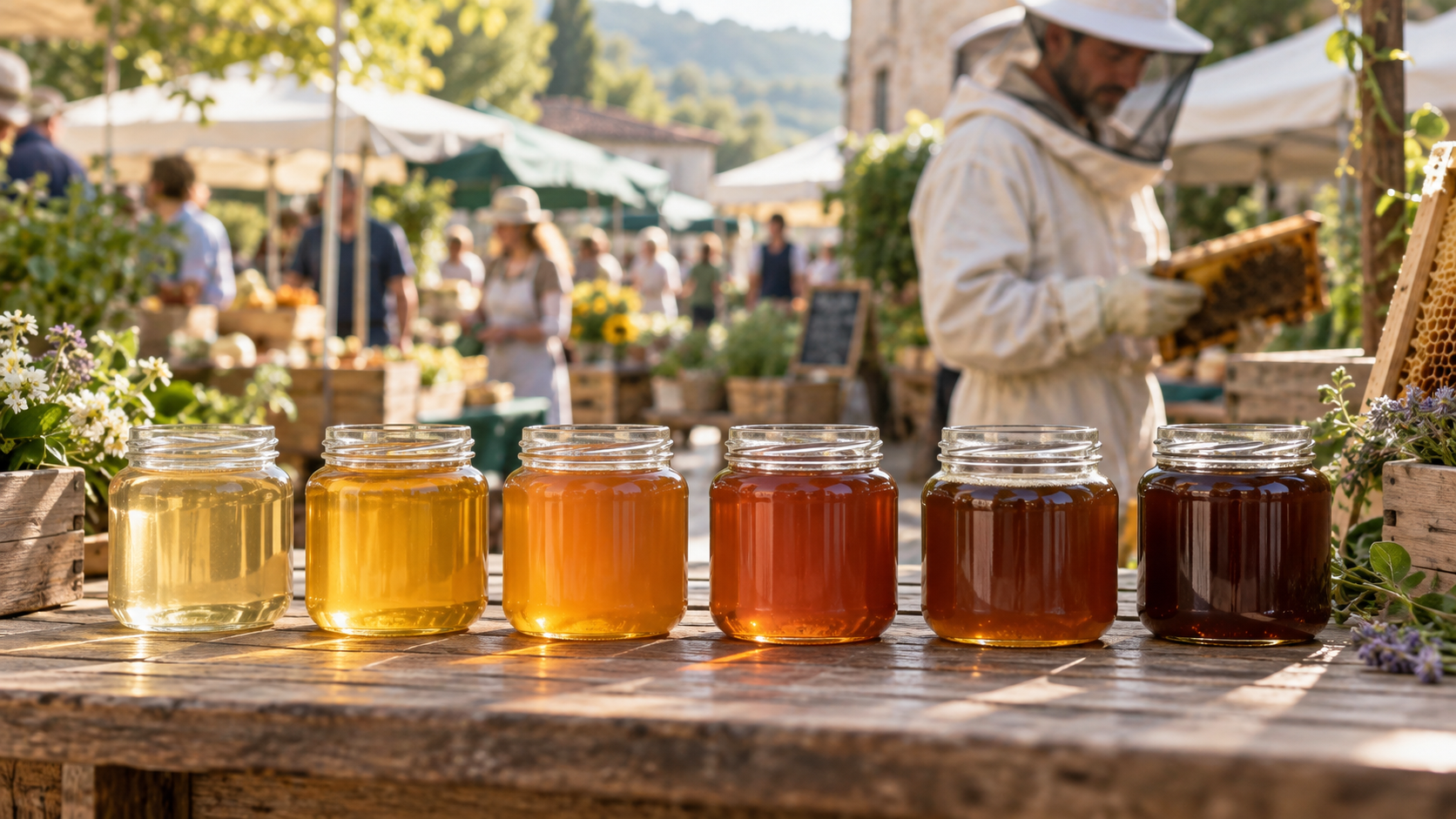
Honey from Canada, the United States and Mexico
North American honey ranges from pale crop and meadow honeys to assertive buckwheat, mountain fireweed, southeastern tupelo and regionally distinctive forest or desert harvests.
Canada
Canada is known for large prairie harvests as well as clover, alfalfa, canola, buckwheat, blueberry, fireweed and diverse regional wildflower honeys.
United States
U.S. diversity includes tupelo in the Southeast, sourwood in Appalachia, orange blossom in citrus regions, mesquite in arid landscapes, fireweed in Alaska and the Pacific Northwest, and many local wildflower honeys.
Mexico
Mexico spans citrus, avocado, tropical forest, multifloral and culturally important native-bee honeys, with large differences among states and ecosystems.
Regional beats national
“Canadian honey” or “U.S. honey” is a broad origin statement. Province, state, ecoregion and floral source often tell buyers more.
Seasonal variation
Weather can change both yield and dominant nectar from year to year; color alone cannot verify the country or plant source.
Where to begin
Use country guides as gateways, then compare specific varieties and producers.
Honey from Latin America and the Caribbean
Argentina and Brazil are major international honey producers and exporters, while Mexico, Uruguay, Chile and other countries support important regional industries. Across Central America and the Caribbean, honey may come from coffee, citrus, tropical forest, mangrove and seasonally dry landscapes.
The region is also essential to understanding stingless-bee traditions. Meliponiculture involves native social bees whose honey can differ in moisture, acidity, production volume and cultural use from Apis mellifera honey.
Never assume one national flavor profile. Elevation, forest type, agricultural crops, native flora and bee species can change over short distances.
Honey from Europe
Mediterranean Europe
Europe’s honey traditions are especially regional. Mountain, island, heath, chestnut forest, acacia woodland and Mediterranean scrub can each produce recognizable styles.
Central and Eastern Europe
Greece is strongly associated with thyme and pine honey; Italy, Spain, Portugal, France and the Balkans offer citrus, lavender, rosemary, chestnut, eucalyptus, mountain and honeydew expressions.
Northern and Atlantic Europe
Hungary is closely linked with black-locust “acacia” honey. Slovenia, Ukraine, Romania, Poland, Germany and neighboring countries produce notable acacia, linden, buckwheat, rapeseed, forest and multifloral honeys.
Protected geographical names
Heather, clover, borage and other regional honeys occur across the United Kingdom, Ireland, Scandinavia and northern landscapes.
European PDO and PGI systems protect qualifying food names connected to defined places. Protection applies to a specific registered product—not automatically to every jar from that country.
Honey from Africa
Highlands and plateaus
Africa’s climates range from Mediterranean coasts and highlands to equatorial forest and semi-arid savanna. That ecological breadth supports acacia-associated, forest, highland, coffee-region and diverse multifloral honeys.
Ethiopia has one of the continent’s best-known apiculture traditions and is its largest national producer. Tanzania, Kenya, Rwanda, Cameroon, Angola, Algeria, Egypt, Morocco and other countries contribute distinct industries and local markets.
Savanna and dryland flora
Elevation can shape plant communities and harvest seasons. Ethiopian and East African highland honeys should be described by region and flora rather than treated as one uniform style.
Honey from Asia
East and Southeast Asia
Asia includes enormous commercial production, small forest harvests and longstanding beekeeping with several Apis species. Country labels need botanical and bee-species context.
South Asia and the Himalaya
China produces many honey types across a vast territory. Longan, litchi, rubber, coffee and tropical forest honeys are associated with parts of Southeast Asia, while Japan and Korea have their own regional blossom and forest traditions.
West Asia and the Arabian Peninsula
India, Nepal, Pakistan, Bangladesh, Bhutan and Sri Lanka span mustard fields, orchards, mangroves, forests and high-elevation landscapes. “Himalayan honey” is too broad without a precise source and harvest description.
Origin and species
Sidr is associated with parts of Yemen, Saudi Arabia and surrounding regions, but the name alone does not establish authenticity, grade or exact place.
Asian honey may be produced by western, eastern, giant, dwarf or native stingless bees. Production method, chemistry and moisture can differ, so comparisons require like-for-like categories.
Honey from Australia, New Zealand and the Pacific
How to read a honey label
Origin rules vary by market and are changing. Read the complete label and do not assume the address of the packer is the place where bees produced the honey.
Harvested in
Harvested or produced in: identifies where bees collected and converted the source material.
Packed in
Packed or bottled in: identifies processing or packaging location; it may differ from harvest origin.
Single-country honey
Single-country origin: all honey should trace to the named country, but may still be blended across regions or harvests.
Multi-country blend
Blend of countries: combines multiple origins. Newer EU rules require more specific country and percentage information for blends.
Floral claim
Floral source: under Codex principles, the honey should come wholly or mainly from that source and match its expected sensory and analytical characteristics.
Protected origin
PDO/PGI or equivalent: ties a registered product to a defined region and specification. Look up the actual protected name and producer compliance.
How to compare honey from different countries
Compare botanical source first
Thyme honey from two regions is usually a more meaningful comparison than thyme honey versus mild clover honey.
Check bee species and honey type
Separate nectar honey, honeydew honey and stingless-bee honey where their composition and production differ.
Look for traceability
Producer, apiary region, harvest year, lot identification and credible certification provide more information than romantic packaging.
Expect natural variation
Color, aroma, crystallization and intensity can change among harvests. Variation is not automatically evidence of poor quality.
Do not call one country “best”
Quality depends on authenticity, handling, moisture, freshness, source and personal taste—not nationality alone.
Latest honey origins, regions and producer stories
Continue into country-specific guides, regional varieties, origin-label explainers and producer traditions from the Hive To Honey field journal.
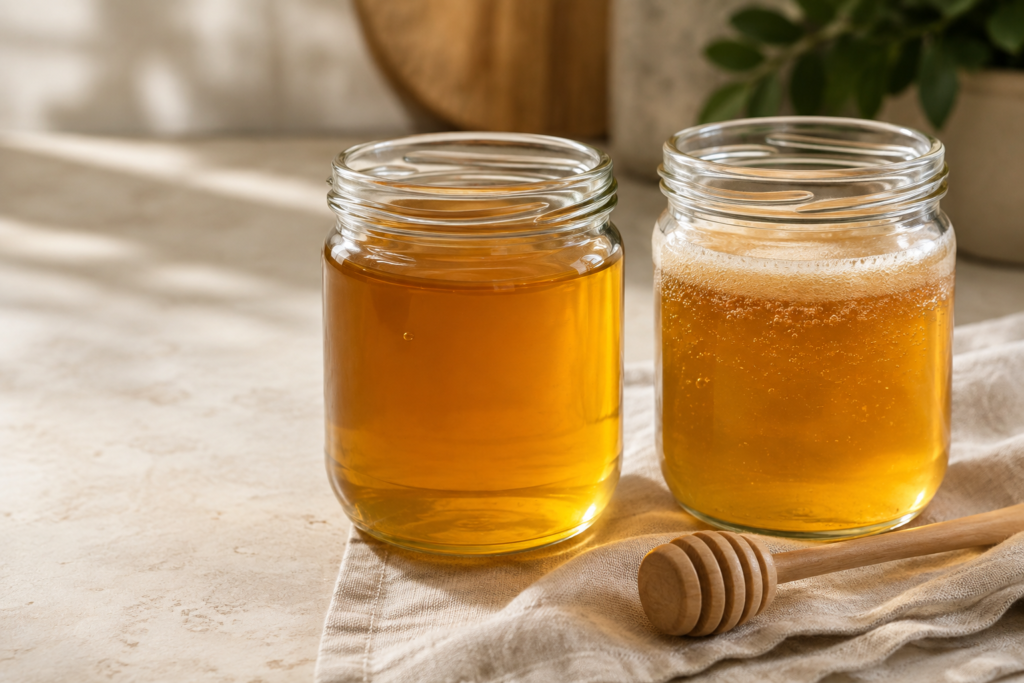
Why Is My Honey Foamy? Bubbles, Wax or Fermentation Explained
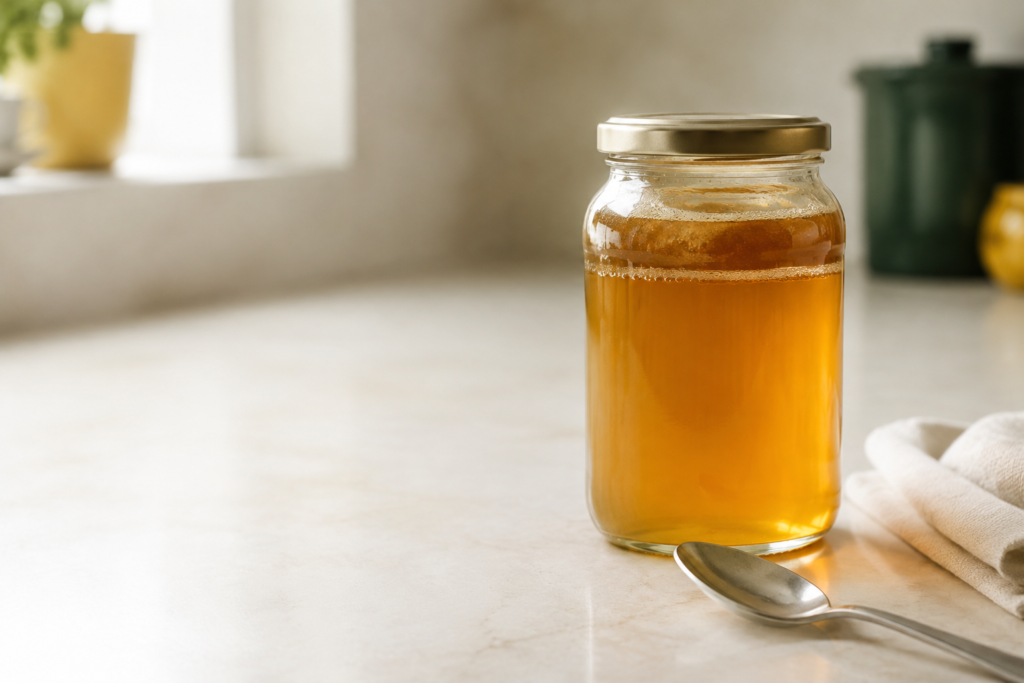
THE COMPLETE HONEY FOAM GUIDE Why Is My Honey Foamy? Bubbles, Wax or Fermentation Explained Foam on honey is not automatically spoilage.
Why Does Honey Ferment? Signs, Causes and Prevention
THE COMPLETE HONEY FERMENTATION GUIDE Why Does Honey Ferment? Signs, Causes and Prevention Unintended honey fermentation usually begins when yeasts can use
Does Honey Need to Be Refrigerated? What Happens in the Fridge
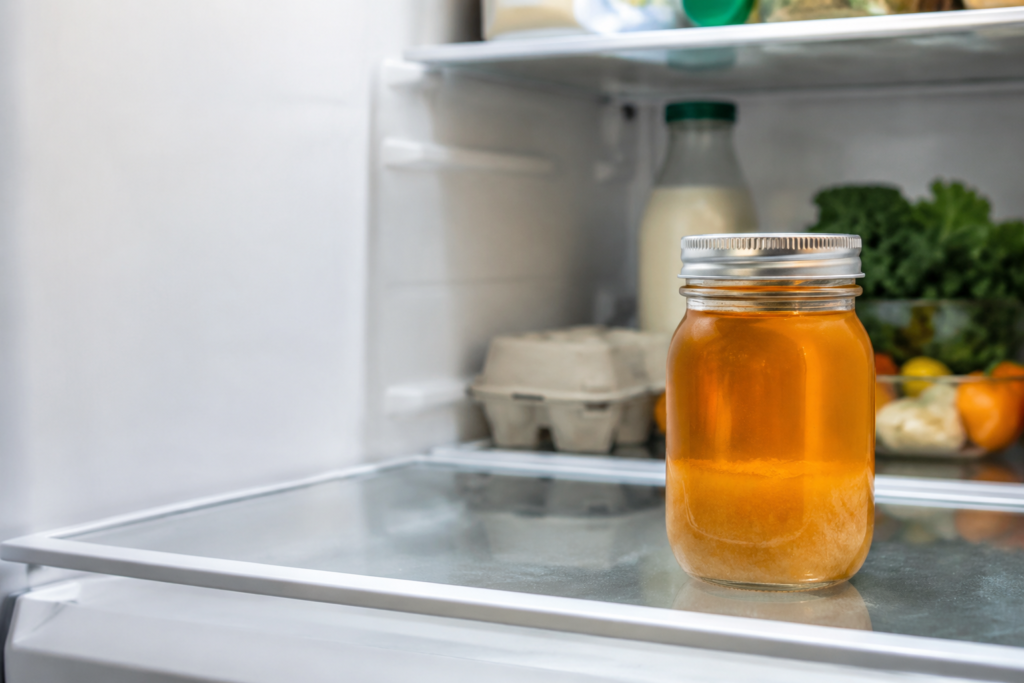
THE COMPLETE COLD-STORAGE GUIDE Does Honey Need to Be Refrigerated? What Happens in the Fridge Plain honey usually belongs in a dry
Frequently asked questions about honey by country
Which country produces the best honey?
There is no objective best country. Authenticity, floral source, harvest handling and personal preference are more meaningful than a national ranking.
Which country produces the most honey?
Rankings change by year. Use the latest FAOSTAT data rather than undated internet lists.
Does honey taste different between countries?
It can, mainly because flora, climate, landscape, bee species, harvest season and handling differ. Variation also occurs within one country.
Is imported honey lower quality?
Not inherently. Imported and domestic honey can both be excellent or poor. Traceability, compliance, authenticity and storage matter more.
What is single-origin honey?
The term may refer to one botanical source, one geographic area, one apiary or one producer. Read how the seller defines and verifies it.
What is a geographical indication?
It is a protected name connecting a qualifying product with a defined place and specification, such as PDO or PGI in the European Union.
Can pollen prove where honey came from?
Pollen analysis can support botanical and geographical assessment, but robust authentication may combine pollen, chemistry, spectroscopy, traceability and reference databases.
Why does honey from one place change each year?
Weather and bloom timing alter what nectar is available, so seasonal variation is normal even at the same apiary.
How this global honey guide was researched
Country examples were selected to represent regional diversity rather than create a definitive ranking. Production figures should always identify a year and data source.
- FAOSTAT: Global food and agriculture statistics
- FAO: Global and African honey production, 2023 data
- Codex Standard for Honey: Geographical and floral designations
- European Commission: Honey and origin labeling
- European Commission: Geographical indication registers
- Tsagkaris et al.: Honey authenticity and analytical techniques
Explore honey by variety, place and process
Move from the world map into specific floral sources, production regions and the practical clues that help you read a honey label.