Introduction
Kanuka honey is a native New Zealand honey that is often compared to the more famous Manuka honey. While both originate from closely related plants, Kanuka honey has its own unique properties, flavor profile, and uses.
Because Manuka honey dominates global attention, Kanuka honey is sometimes overlooked. However, this lesser-known variety offers distinct characteristics that make it worth understanding — especially for consumers interested in natural honey with potential antibacterial properties.
In this guide, you’ll discover:
- What Kanuka honey is
- How it differs from Manuka honey
- Potential benefits
- Flavor and texture profile
- How it is produced in New Zealand
- Whether it is worth buying
What Is Kanuka Honey?
Kanuka honey is produced from the nectar of the Kanuka tree (Kunzea ericoides), a flowering plant native to New Zealand.
The Kanuka tree belongs to the same plant family as the Manuka bush, which explains why the two honey varieties are frequently compared.
Kanuka trees bloom during similar seasons, allowing bees to collect nectar in overlapping regions. However, the resulting honey differs chemically and in taste.
Kanuka Honey vs Manuka Honey: What’s the Difference?
Although both honey types originate in New Zealand, there are important distinctions.
Floral Source
- Kanuka honey → Kanuka tree (Kunzea ericoides)
- Manuka honey → Manuka bush (Leptospermum scoparium)
MGO Content
Manuka honey contains higher levels of methylglyoxal (MGO), which contributes to its strong antibacterial reputation.
Kanuka honey typically contains lower MGO levels, meaning it does not carry the same UMF grading system.
Flavor Profile
Kanuka honey is generally:
- Lighter in color
- Milder in flavor
- Less medicinal tasting
- Smooth and creamy
Manuka honey tends to be:
- Darker
- Earthy
- Herbal
- Slightly bitter
Pricing
Kanuka honey is usually more affordable than high-grade Manuka honey because it does not undergo the same certification and grading processes.
Potential Benefits of Kanuka Honey
Research on Kanuka honey is still developing, but it is known to contain natural antibacterial compounds similar to other raw honey varieties.
Possible uses include:
1. Skin Support
Kanuka honey is often used in skincare products. Some studies suggest it may help soothe acne-prone or irritated skin due to its antimicrobial properties.
2. Mild Antibacterial Support
Although less potent than Manuka honey in terms of MGO levels, Kanuka honey still contains natural antibacterial activity.
3. Immune Support
Like other raw honey types, Kanuka honey contains antioxidants that may help support overall immune function.
Important: Kanuka honey is not a substitute for medical treatment. Always consult a healthcare professional for health concerns.
How Kanuka Honey Is Produced
Kanuka trees grow throughout New Zealand, particularly in regions where native bushland thrives.
During bloom season:
- Bees forage nectar from Kanuka flowers.
- Nectar is collected and stored in the hive.
- Enzymatic transformation occurs.
- Honey is harvested and minimally processed.
Because Kanuka bloom can overlap with Manuka bloom, careful hive placement is important to ensure floral purity.
Does Kanuka Honey Have a Grading System?
Unlike Manuka honey, Kanuka honey does not have a widely recognized international grading system like UMF.
However, reputable producers may still test for:
- Floral purity
- Antibacterial activity
- MGO levels (though typically lower than Manuka)
Consumers should check labeling for transparency and country-of-origin verification.
How Does Kanuka Honey Taste?
Kanuka honey is typically described as:
- Mild
- Slightly floral
- Smooth
- Creamy in texture
Because it lacks the strong medicinal notes of high-grade Manuka honey, some people prefer Kanuka for everyday use.
It spreads easily and pairs well with:
- Toast
- Yogurt
- Tea
- Oatmeal
Is Kanuka Honey Worth Buying?
The answer depends on your goals.
If you want:
- High MGO antibacterial potency → Manuka may be preferable.
- Milder flavor at a lower price → Kanuka may be ideal.
Kanuka honey can offer a middle ground between premium medicinal honey and standard table honey.
Kanuka Honey and Sustainability
New Zealand’s honey industry maintains strong export and biosecurity standards.
Kanuka production supports:
- Native plant preservation
- Local beekeepers
- Sustainable honey practices
Consumers interested in supporting New Zealand honey production may consider both Kanuka and Manuka varieties.
Frequently Asked Questions
Is Kanuka honey the same as Manuka honey?
No. Although they are botanically related, Manuka honey contains higher MGO levels and is graded using UMF certification.
Is Kanuka honey antibacterial?
Yes, like most raw honey, Kanuka honey has natural antibacterial properties, though typically less potent than high-grade Manuka honey.
Does Kanuka honey crystallize?
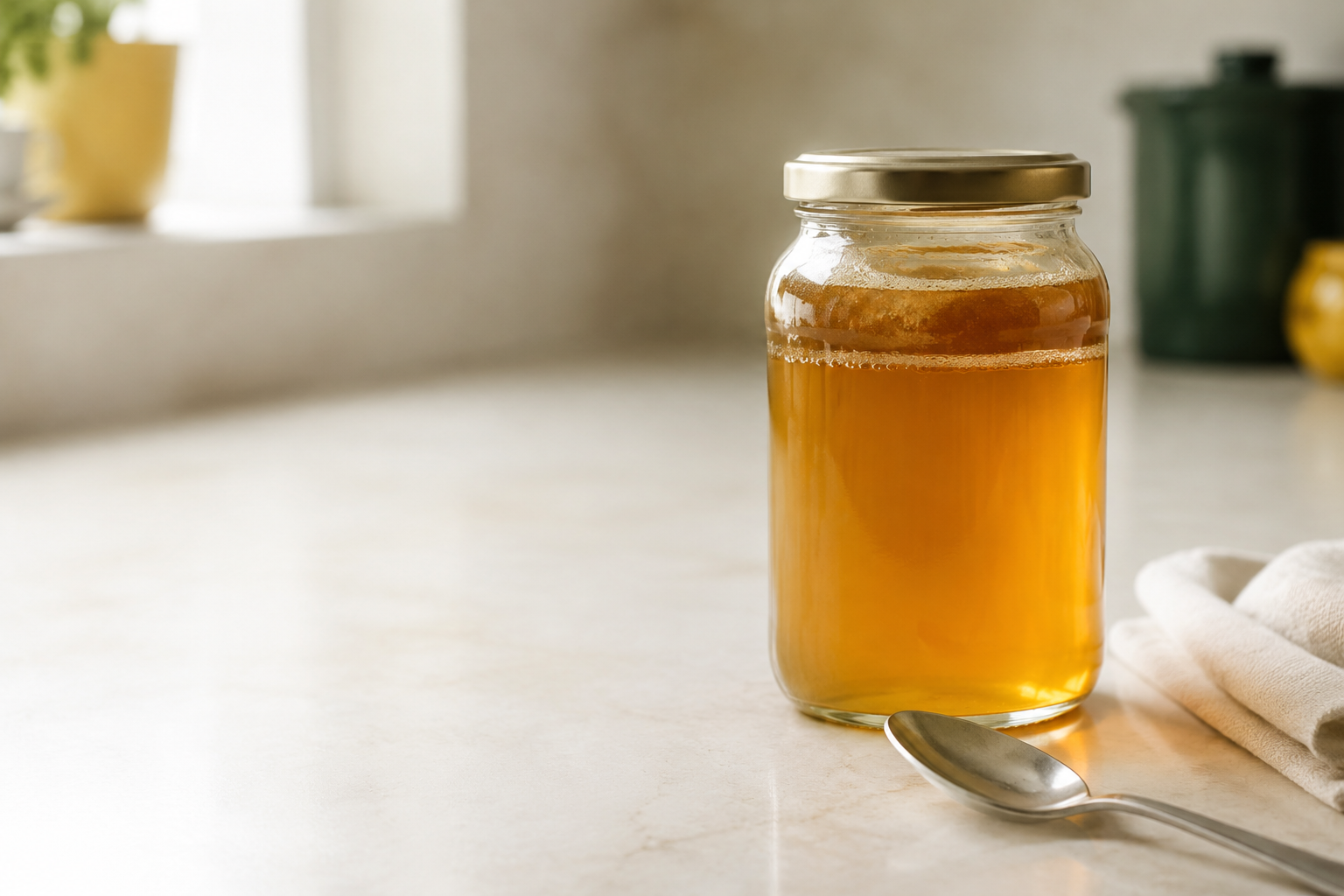
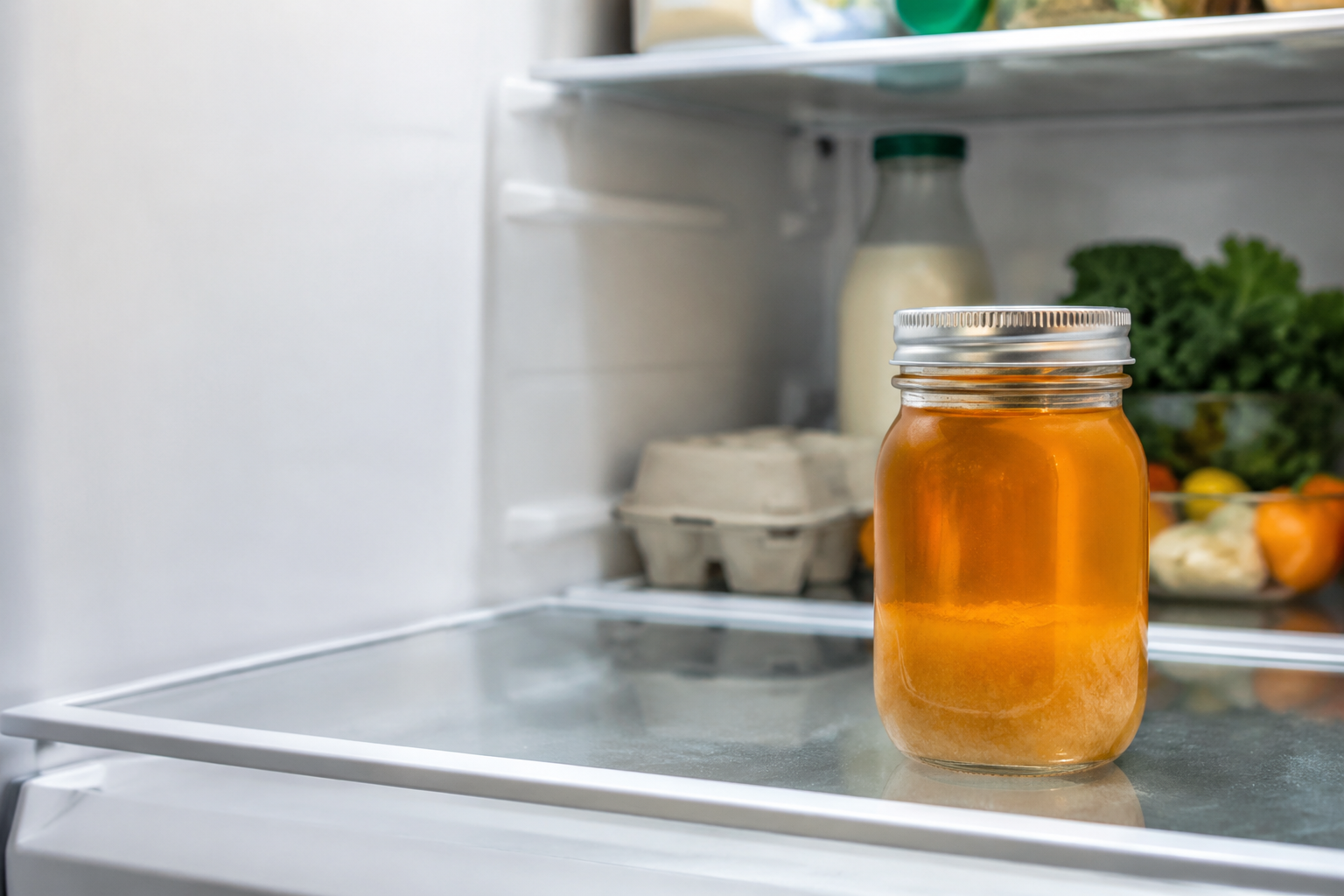
Yes. Crystallization is natural and does not indicate spoilage.
Can Kanuka honey replace Manuka honey?
For general use, yes. For high-potency antibacterial purposes, Manuka honey may be more appropriate.
Final Thoughts
Kanuka honey is an often-overlooked New Zealand honey variety that offers mild flavor, natural antibacterial properties, and greater affordability compared to premium Manuka honey.
While it does not carry the same global recognition, Kanuka honey contributes to New Zealand’s diverse honey landscape and provides consumers with an alternative native option.
Understanding the difference between Kanuka and Manuka honey helps you make informed purchasing decisions based on flavor preference, intended use, and budget.