Quick Facts About Acacia Honey
| Feature | Details |
|---|
| Honey Type | Monofloral |
| Color | Very light, almost clear |
| Flavor | Mild, delicate, floral |
| Aroma | Light floral scent |
| Crystallization | Very slow |
| Best Uses | Tea, yogurt, desserts |
Compare Popular Honey Varieties
Understanding how acacia honey compares to other honey types helps explain why it is so popular.
| Honey Type | Flavor | Color | Best Uses |
|---|
| Clover Honey | Mild and sweet | Light amber | Tea, toast |
| Wildflower Honey | Floral and complex | Amber to dark | Cooking |
| Acacia Honey | Very delicate | Very light | Tea, yogurt |
| Orange Blossom Honey | Floral with citrus | Light amber | Desserts |
| Manuka Honey | Bold and earthy | Dark amber | Wellness |
Learn more about these honey varieties:
• Clover Honey
• Wildflower Honey
• Orange Blossom Honey
• Manuka Honey
How Acacia Honey Is Made
Acacia honey begins with the flowering of the black locust tree, which produces clusters of fragrant white blossoms.
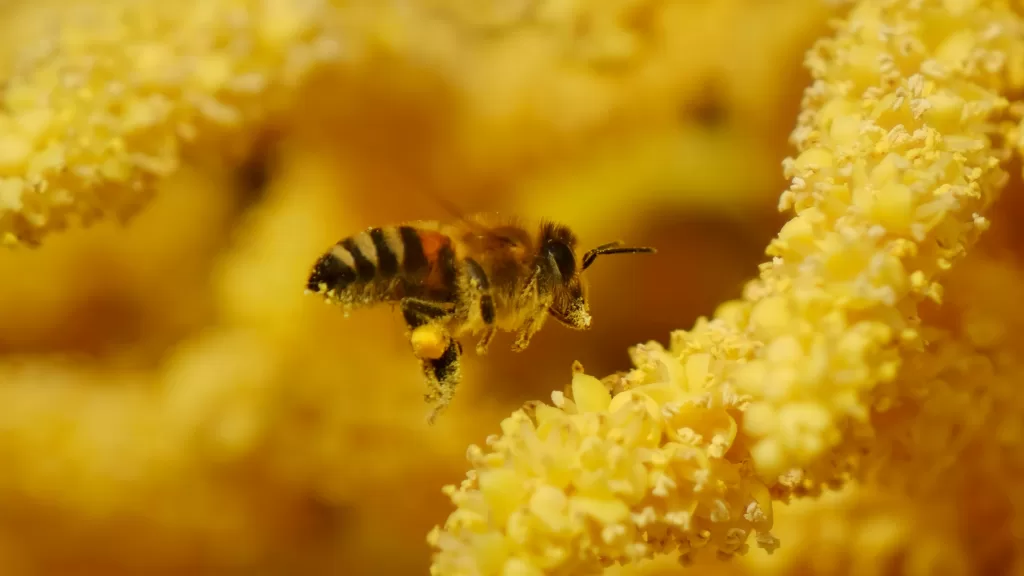
These blossoms are highly attractive to honeybees because they contain abundant nectar.
During the blooming season:
Bees collect nectar from the blossoms
Nectar is stored in the bee’s honey stomach
Bees return to the hive
Nectar is processed with enzymes and evaporation
Inside the hive, bees fan their wings to reduce the moisture content of the nectar. As the water evaporates, the nectar thickens into honey.
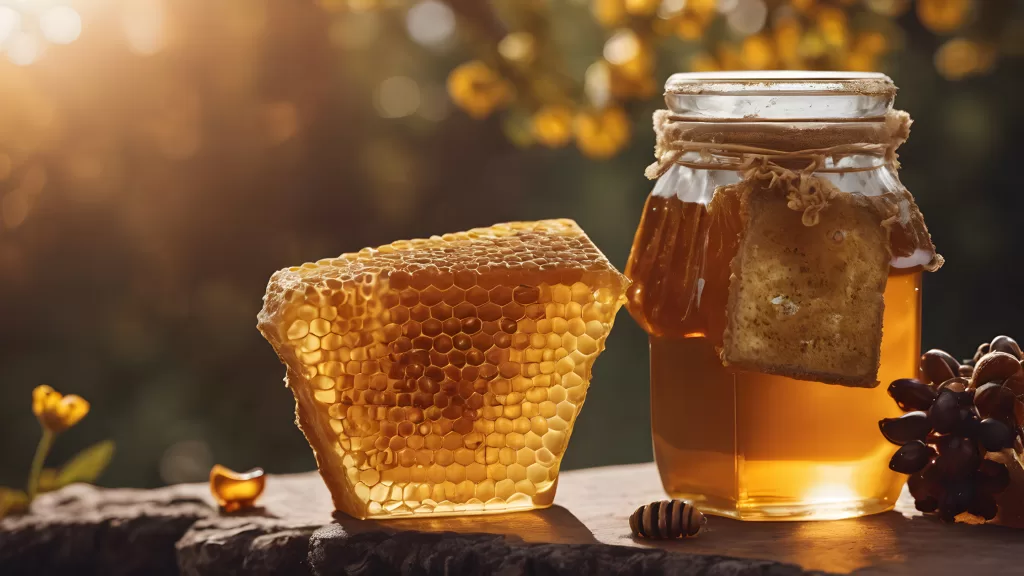
Once the honey reaches the proper consistency, bees seal it inside wax cells in the honeycomb.
Beekeepers later harvest the honeycomb and extract the finished honey.
Because the nectar comes primarily from black locust blossoms, the resulting honey has a distinctively mild flavor and light color.
Why Acacia Honey Stays Liquid
One of the most unique characteristics of acacia honey is that it crystallizes very slowly compared to other honey varieties.
This happens because acacia honey contains a higher proportion of fructose relative to glucose.
Glucose tends to crystallize more quickly, while fructose remains liquid longer.
As a result, acacia honey can remain smooth and pourable for months or even years without crystallizing.
This makes it particularly popular for people who prefer honey that stays liquid.
What Does Acacia Honey Taste Like?
Acacia honey is known for its very mild and delicate flavor.
The taste is typically described as:
• lightly floral
• subtly sweet
• clean and smooth
• slightly vanilla-like
Because the flavor is so gentle, acacia honey does not overpower other ingredients.
This makes it ideal for:
• sweetening tea
• drizzling over yogurt
• adding to light desserts
Many people consider acacia honey one of the most versatile honey varieties for everyday use.
Honey Flavor Profile Guide
Different honey varieties have different flavor characteristics depending on the plants bees visit.
For example:
• Acacia honey has a very delicate floral sweetness
• Orange blossom honey has subtle citrus notes
• Wildflower honey often has complex layered flavors
• Clover honey is mild and smooth
If you’re curious about these other varieties, explore:
• Wildflower Honey
• Clover Honey
• Orange Blossom Honey
Acacia Honey Color and Texture
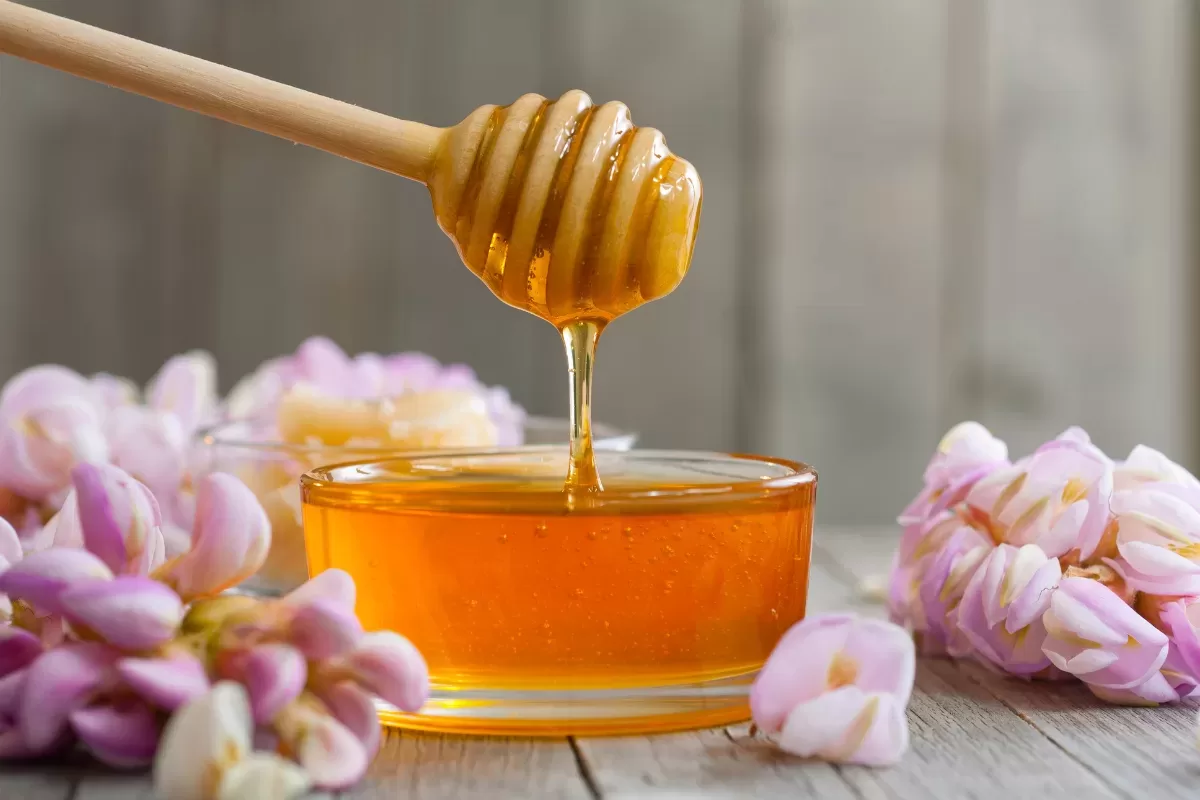
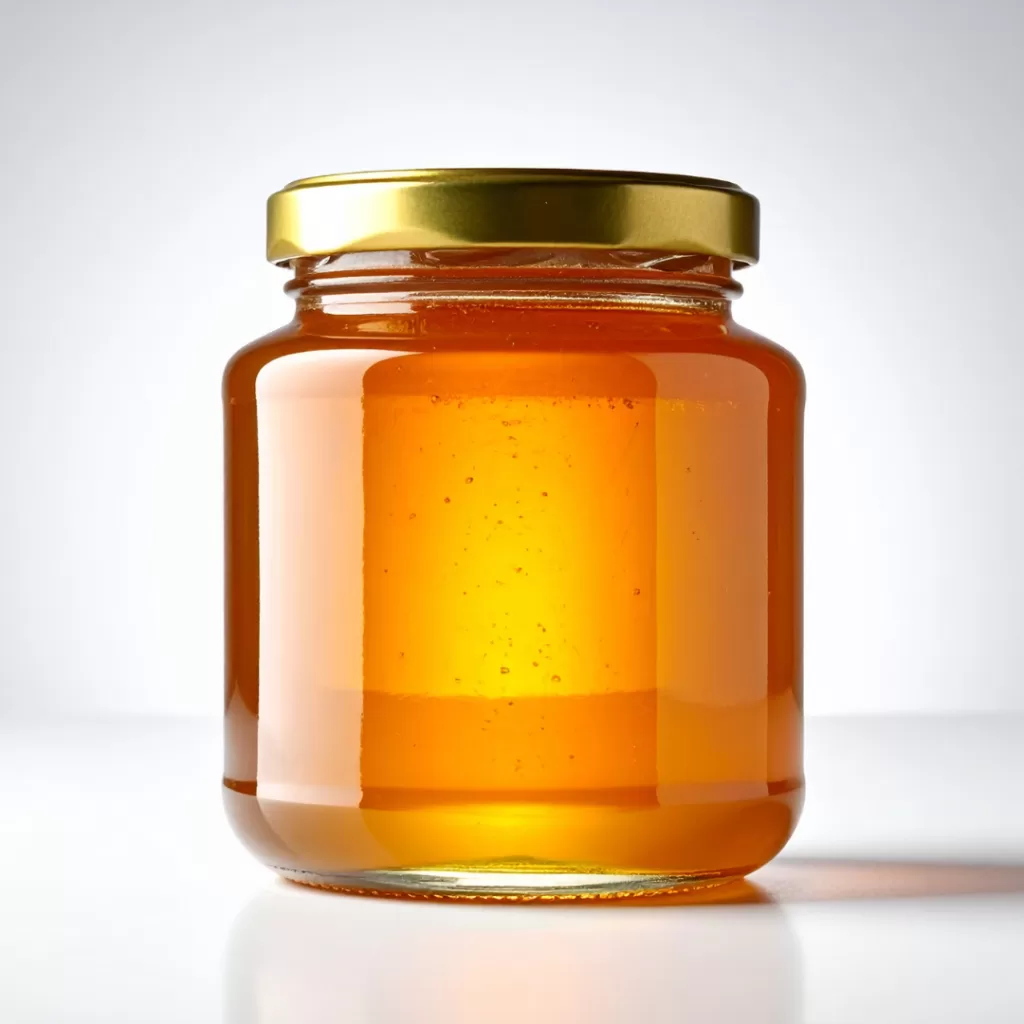
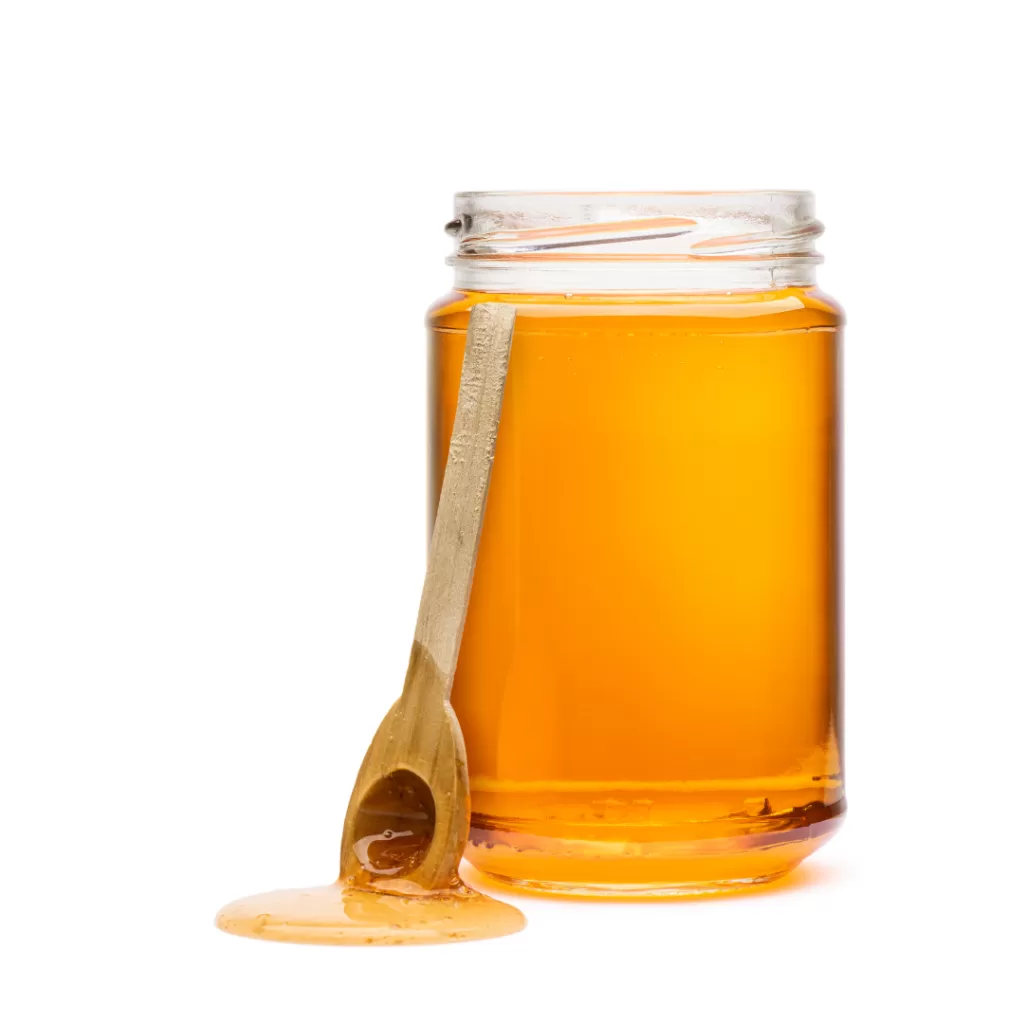
Acacia honey is one of the lightest colored honeys available.
Its appearance is often:
• very pale gold
• almost transparent
• clear and smooth
The honey also tends to have a very fluid texture, making it easy to pour.
Because it crystallizes slowly, acacia honey often remains liquid longer than most other honey varieties.
Health Benefits of Acacia Honey
Like other natural honey varieties, acacia honey contains several beneficial compounds.
Although honey should always be consumed in moderation, it can provide some potential benefits.
Antioxidants
Honey contains plant-based antioxidants that may help protect cells from oxidative stress.
Natural Energy
Acacia honey provides natural carbohydrates that can serve as a quick source of energy.
Gentle Sweetener
Because acacia honey has a mild flavor, it can be used as a natural alternative to refined sugar in many recipes.
Trace Nutrients
Raw honey may contain small amounts of enzymes, minerals, and beneficial plant compounds.
If you’re interested in natural honey varieties, you may also enjoy reading:
👉 What Is Raw Honey
Culinary Uses for Acacia Honey
Acacia honey is widely used in cooking because of its light flavor and smooth texture.
Popular uses include:
• sweetening tea and coffee
• drizzling over yogurt
• topping pancakes or waffles
• baking cakes and pastries
• salad dressings
• marinades
Because it stays liquid longer than most honeys, it is especially convenient for everyday use in the kitchen.
Acacia Honey vs Other Honey Varieties
Honey varieties can vary significantly in flavor intensity.
| Honey | Flavor Strength |
|---|
| Acacia Honey | Very mild |
| Clover Honey | Mild |
| Orange Blossom Honey | Mild citrus |
| Wildflower Honey | Medium |
| Buckwheat Honey | Strong |
Acacia honey sits at the mildest end of the flavor spectrum, which makes it ideal for people who prefer a subtle honey taste.
How to Choose High-Quality Acacia Honey
When buying acacia honey, a few simple tips can help you choose a high-quality product.
Look for Raw Honey
Raw honey retains more natural enzymes and pollen.
Check the Color
True acacia honey should be very light in color.
Look for Clear Texture
Because it crystallizes slowly, authentic acacia honey is usually clear and smooth.
Buy From Trusted Sources
Purchasing honey from reputable beekeepers or honey producers helps ensure authenticity.