Does Honey Expire? Shelf Life, Storage and Spoilage Explained
Learn why honey is remarkably stable, what best-before dates mean, how moisture and contamination cause problems, and how to decide whether an older jar should be kept or discarded.
Honey can remain usable for a long time—but it is not indestructible
- Low available water, high sugar concentration and acidity make honey unusually stable.
- A best-before date usually concerns quality, not an automatic safety deadline.
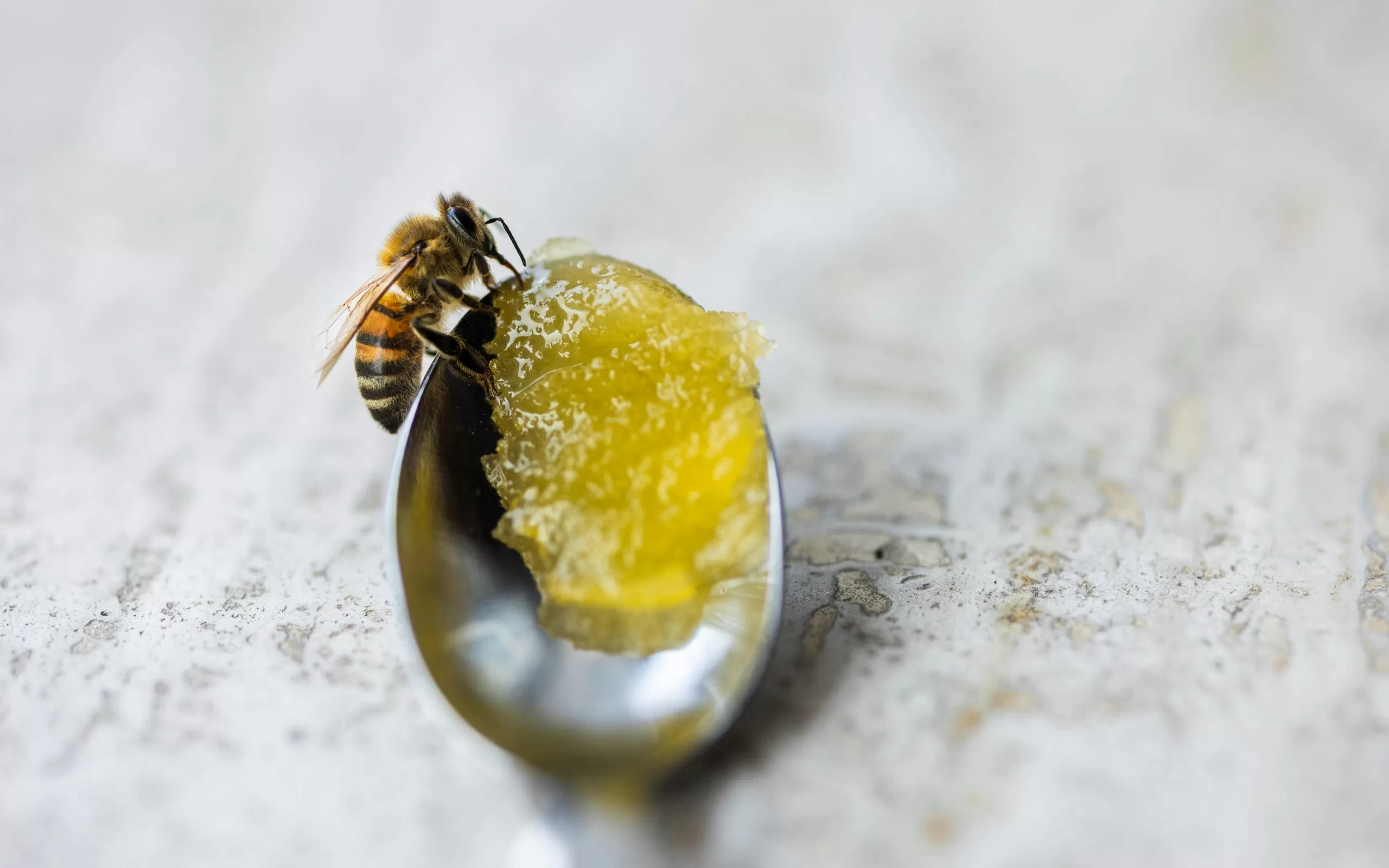
- Crystallization is normally not spoilage.
- Added moisture can permit fermentation.
- Dirty utensils and damaged seals introduce risk.
- When condition or history is uncertain, discard it.
Understand honey shelf life clearly
Does honey actually expire?
Commercial honey
Properly produced, packaged and stored honey can retain acceptable quality for a long time. Follow the label and evaluate the actual condition of the product rather than relying on a folklore claim.
Quality can still decline
Aroma can fade, color can darken, crystals can form and heat-sensitive components can change. These quality changes do not automatically make honey unsafe.
Spoilage is possible
Excess moisture, contamination, fermentation, damaged packaging or added ingredients can shorten storage life and may make a product unsuitable.
Expiration date vs. best-before date
| Label or situation | What it generally means | What to do |
|---|---|---|
| Best before / best by | A manufacturer’s quality period when stored as directed; rules vary by market | Check the label, packaging and condition after the date |
| Use by / expiration | May carry a different regulated meaning depending on country and product | Follow the applicable label instruction |
| Lot or batch code | Supports traceability and recalls | Keep it readable and check recall notices when relevant |
| Opened date | Not normally printed, but useful for household tracking | Write the opening month on the container if helpful |
| No readable date | Age and storage history may be uncertain | Use greater caution; discard if condition cannot be assessed confidently |
| Infused or blended product | Other ingredients may determine shelf life | Follow that product’s label rather than rules for plain honey |
Important: date-label terminology is jurisdiction-specific. A best-before date should not be rewritten as a universal promise that honey is safe forever.
Why properly handled honey lasts so long
Several properties work together to limit the growth of many microorganisms. None eliminates the need for clean production, sound packaging and responsible storage.
High sugar concentration
Low water activity
Natural acidity
Plant and bee-derived compounds
Mature harvest
Closed packaging
Normal changes during honey storage
Honey continues to change physically and chemically in the jar.
These changes can reduce sensory or measured quality without automatically creating a food-safety emergency. Crystallization alone is usually harmless.
Shelf-life considerations by honey type
Plain liquid honey
Raw honey
Crystallized or creamed honey
Comb honey
Infused, whipped, fruit-added or honey-based products: added water, fruit, herbs, dairy or other ingredients can completely change stability. Follow the manufacturer’s storage and date instructions.
How to store honey properly
The best everyday setup
- Keep honey in a clean, food-safe container with a tight lid.
- Store it in a dry cupboard away from direct sunlight and excessive heat.
- Use a clean, completely dry utensil.
- Close the lid promptly after use.
- Keep the original label, lot code and date information.
- Avoid transferring it unnecessarily to decorative containers with poor seals.
Refrigeration and freezing
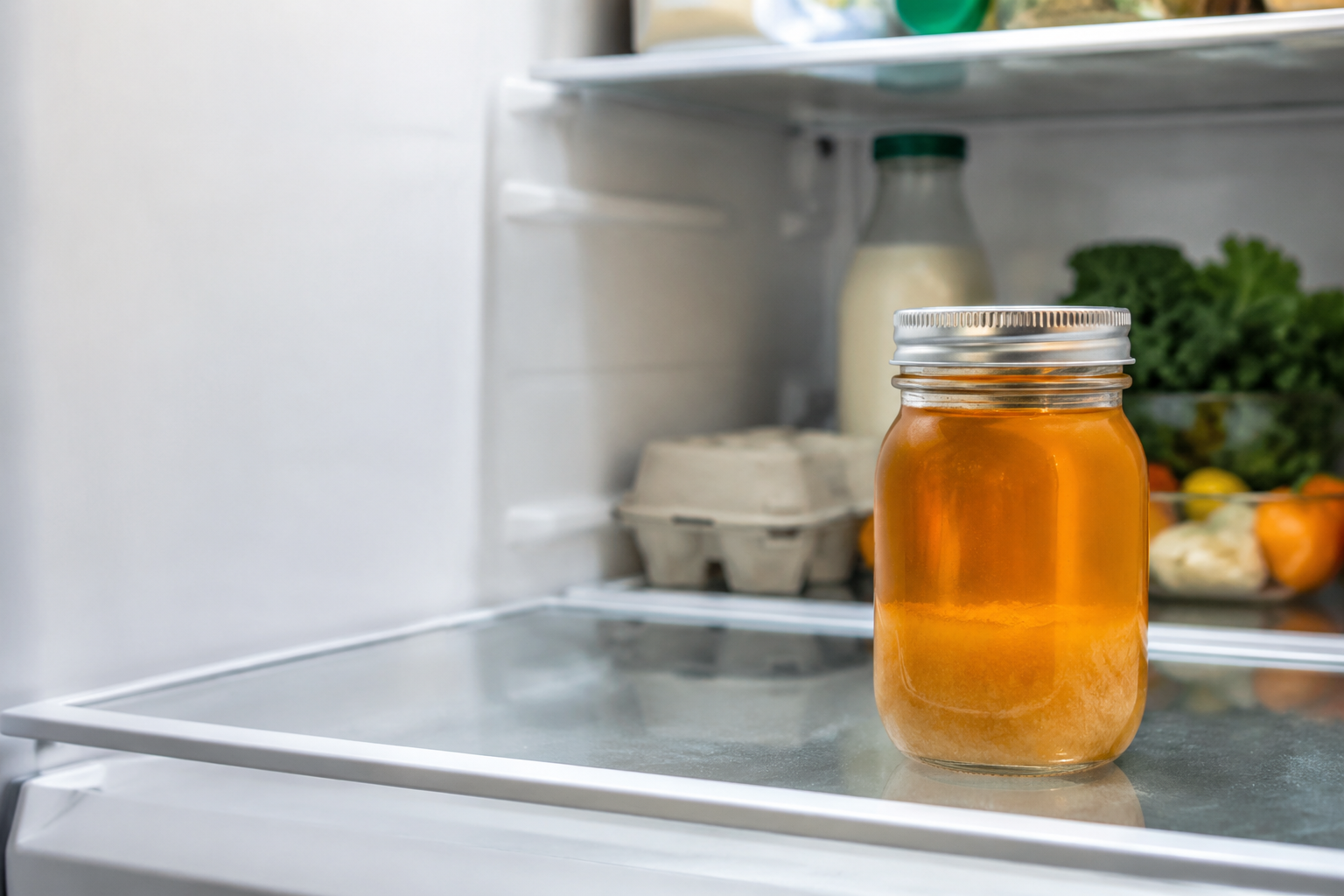
Plain honey generally does not require routine refrigeration unless the label says otherwise. Refrigeration can accelerate or harden crystallization.
Freezing can preserve honey for specialized storage but is rarely necessary for an everyday jar. Use a suitable container with expansion space and prevent condensation during thawing.
Should you keep or discard the honey?
Usually keep: crystals only
Usually keep: darker color
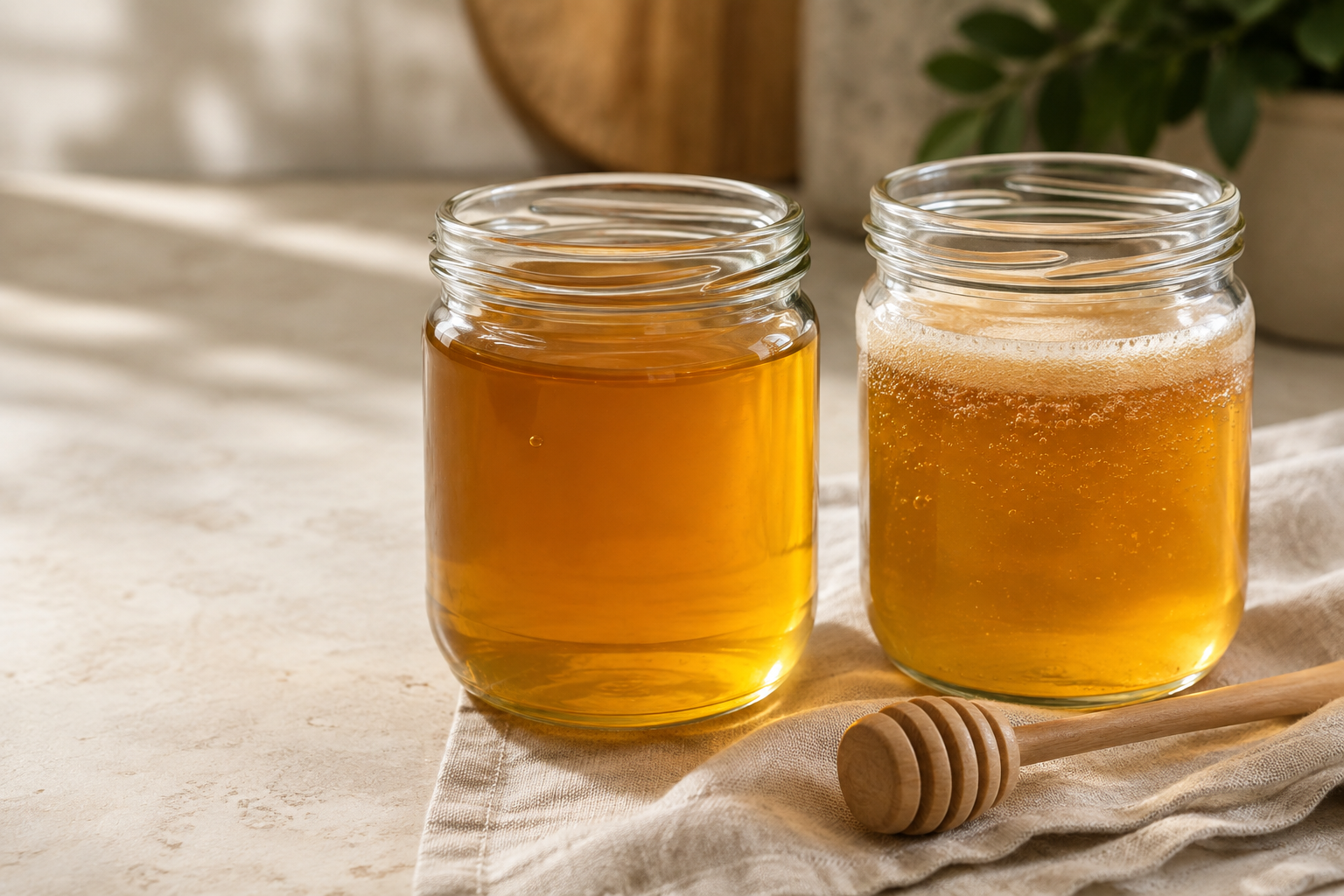
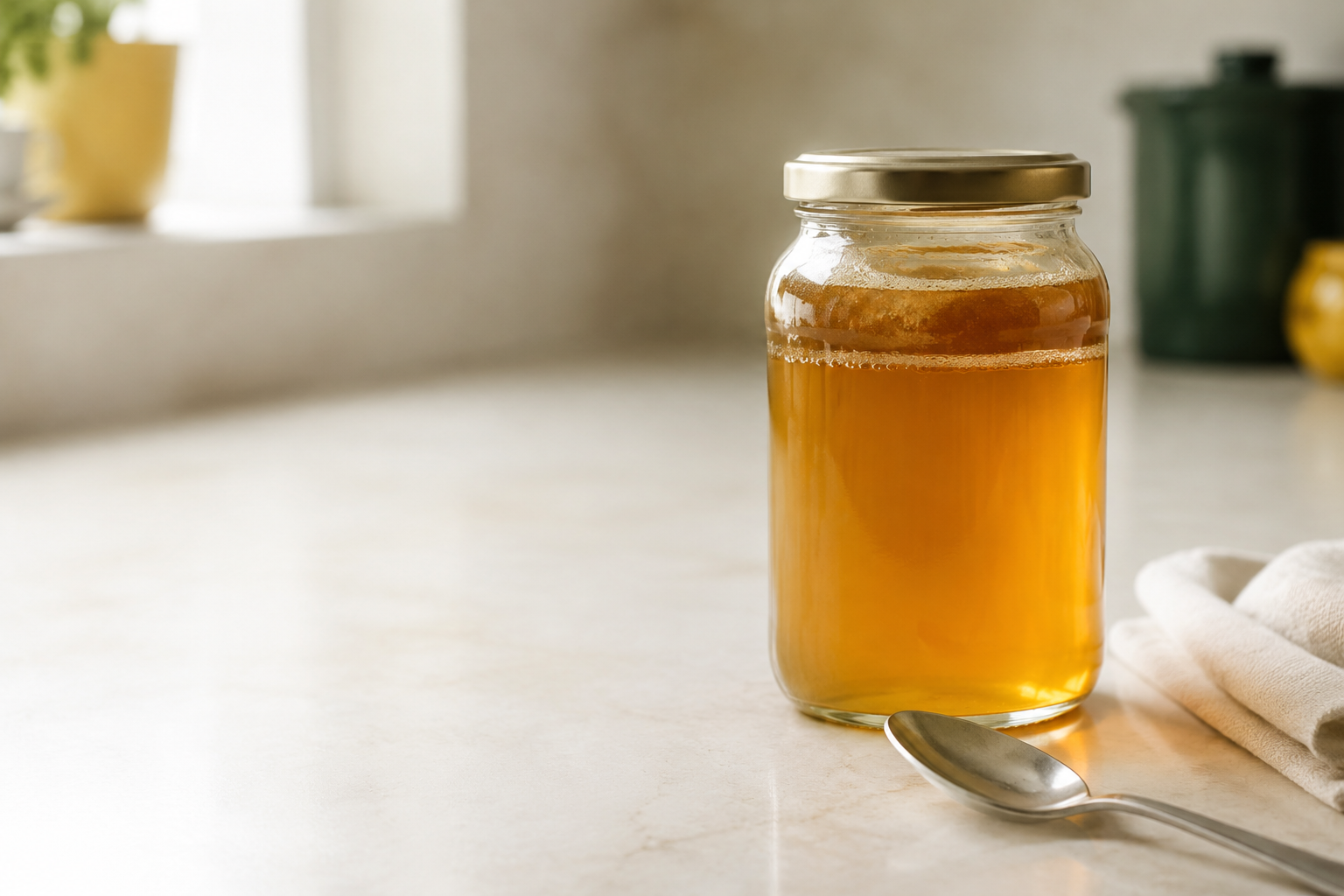
Investigate: separated layers
Discard: active fermentation signs
Also discard honey with a broken or bulging package, leakage, foreign material, mold-like growth, evidence of pests, chemical odor, recall status, or an unknown and questionable storage history.
Why honey can ferment
Do not confuse fermentation with crystallization
Crystals create solid texture. Fermentation can create gas, pressure, persistent foam and changed odor. When the product is actively fermenting or its safety is uncertain, do not taste-test it—discard it.
Essential honey safety reminders
Honey’s stability does not mean it is appropriate for every person or every use.
Never for infants
Not a sterile product
Not medical-grade honey
Recall and damage rules apply
Allergies are possible
Sugar remains relevant
Honey shelf-life rules around the world
Codex Alimentarius
Codex sets identity and composition benchmarks for honey, including moisture and quality factors that support stable trade and storage.
Canada
Canadian date-marking requirements distinguish durable-life information from food identity and traceability requirements. Honey must also meet applicable composition, grade and labeling rules.
United States
Date labels and honey standards involve federal and state contexts. USDA extracted-honey grades assess quality separately from a universal household expiration promise.
United Kingdom and Europe
Prepacked honey is commonly subject to durability, lot and storage-condition labeling rules. Country-specific implementation and the exact wording on the jar matter.
Australia and New Zealand
Honey and honey products must follow the applicable Food Standards Code, including labeling and date-marking provisions where required.
Global reader rule
Follow the label in the country where the product is sold. Plain honey and a honey-based product with added ingredients may have very different storage instructions.
Latest honey storage and quality guides
Explore new research, practical storage advice, processing comparisons and trustworthy buying guidance.
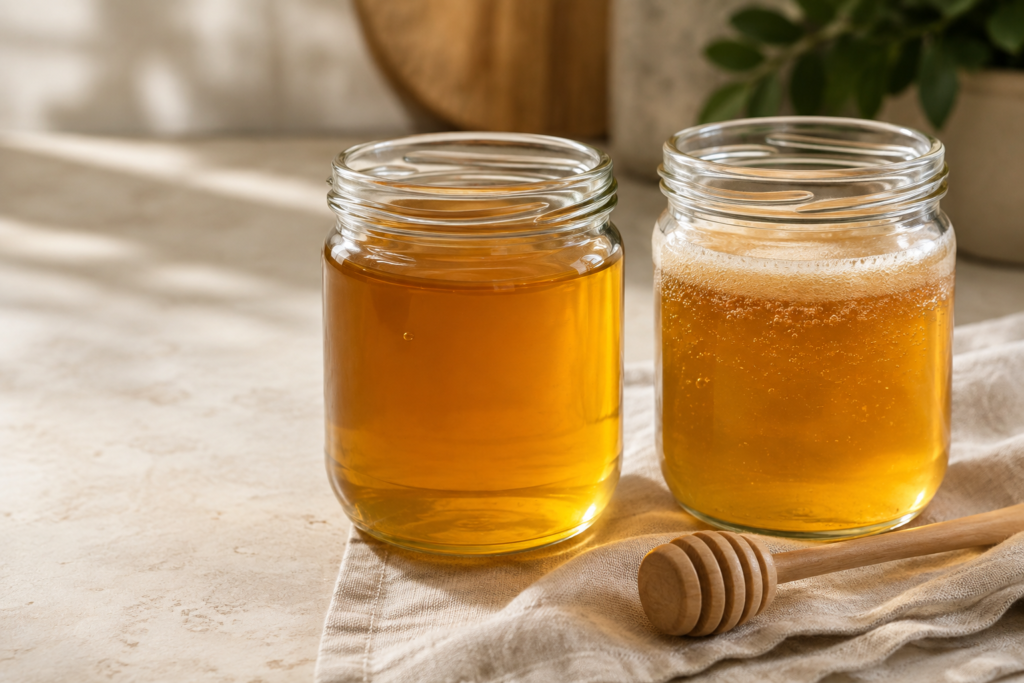
Why Is My Honey Foamy? Bubbles, Wax or Fermentation Explained
THE COMPLETE HONEY FOAM GUIDE Why Is My Honey Foamy? Bubbles, Wax or Fermentation Explained Foam on honey is not automatically spoilage.
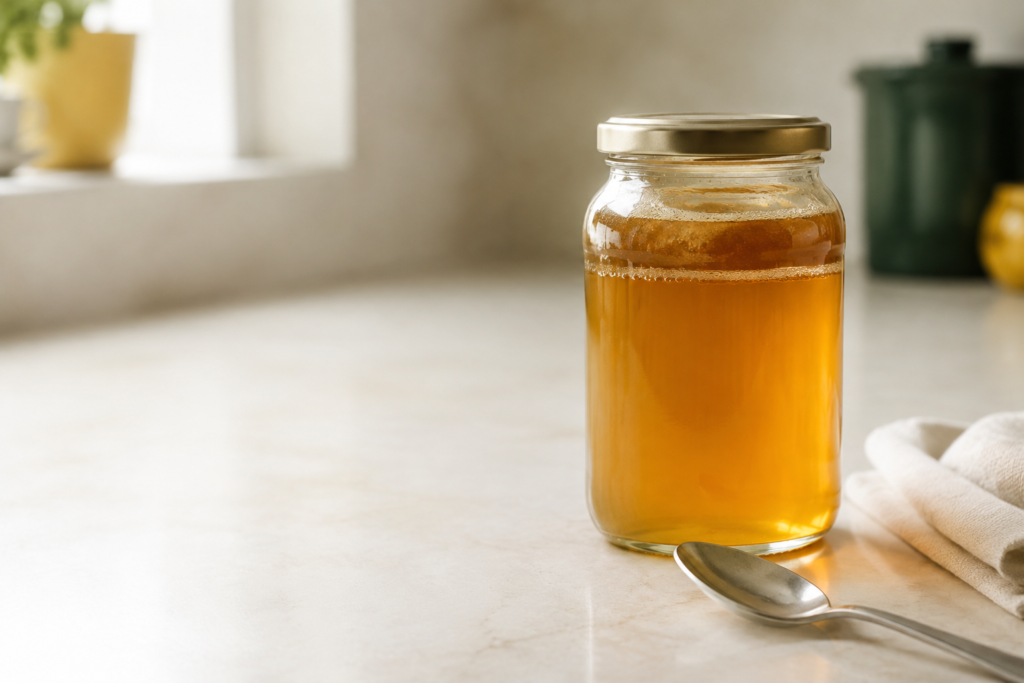
Why Does Honey Ferment? Signs, Causes and Prevention
THE COMPLETE HONEY FERMENTATION GUIDE Why Does Honey Ferment? Signs, Causes and Prevention Unintended honey fermentation usually begins when yeasts can use
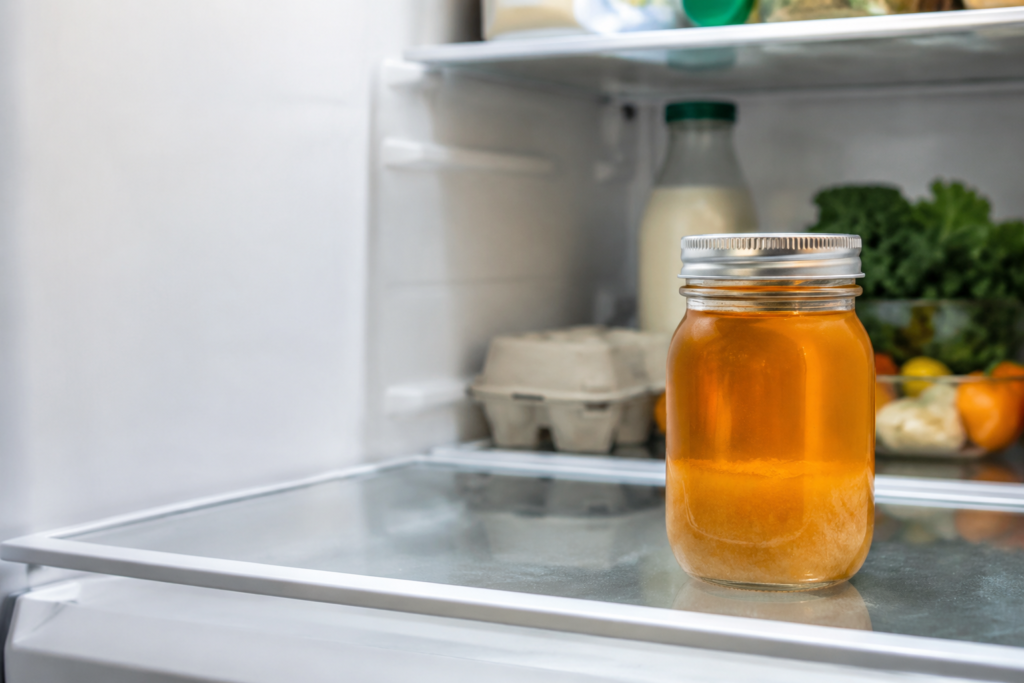
Does Honey Need to Be Refrigerated? What Happens in the Fridge
THE COMPLETE COLD-STORAGE GUIDE Does Honey Need to Be Refrigerated? What Happens in the Fridge Plain honey usually belongs in a dry
How this honey shelf-life guide was researched
This guide prioritizes international food standards, government regulators and food-science references. Because date-label rules differ, readers should follow the label and regulator in their market.
- FAO/WHO Codex Standard for Honey
- FAO: honey composition and water content
- FAO: moisture and honey quality
- FAO: honey storage
- CFIA: honey authenticity requirements
- CFIA: Canadian Grade Compendium—Honey
- USDA: extracted honey standards
- UK Government: durability and composition labeling
- UK Food Standards Agency: Honey Risk Profile
- Food Standards Australia New Zealand
Protect the jar, then judge its actual condition
Plain honey can remain stable for a remarkably long time when mature, cleanly packed and kept dry. Trust sound storage, traceability and condition—not the slogan that honey lasts forever.