Honey is famous for lasting a long time — sometimes even thousands of years. But does that mean honey can never go bad? And what actually happens when honey changes color, texture, or crystallizes?
In this guide, we’ll explain how long honey really lasts, what affects its shelf life, and how to tell the difference between natural changes and actual spoilage.
Table of Contents
ToggleDoes Honey Ever Expire?
Pure honey does not expire in the traditional sense. When stored properly, honey can remain safe and usable for decades — even centuries.
That’s because honey naturally:
- Has very low moisture
- Is highly acidic
- Contains natural antimicrobial properties
These conditions make it extremely difficult for bacteria or mold to grow.
Why Honey Changes Over Time
Although honey doesn’t spoil easily, it does change.
Crystallization
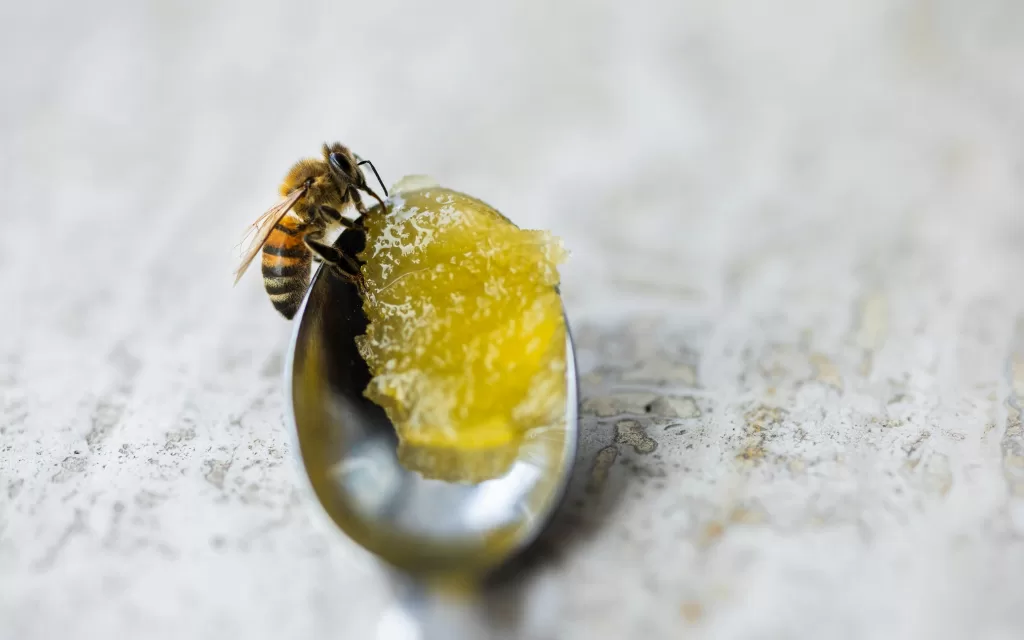
One of the most common changes is crystallization, where honey becomes thick or solid.
This happens because:
- Honey contains natural sugars
- Glucose crystallizes faster than fructose
- Cooler temperatures speed up the process
Crystallized honey is not spoiled — it’s a natural sign of purity.
Color and Texture Changes
Over time, honey may:
- Darken slightly
- Become thicker
- Separate into layers
These changes are normal and do not indicate spoilage.
Can Honey Actually Go Bad?
Honey can spoil only under specific conditions, such as:
- Exposure to excessive moisture
- Contamination with water or food particles
- Improper storage in unsealed containers
In rare cases, honey that absorbs too much moisture can ferment, producing a sour smell or foamy surface.
How to Store Honey Properly
To keep honey fresh for as long as possible:
- Store it at room temperature
- Keep it in a tightly sealed container
- Avoid introducing water or crumbs
- Do not refrigerate
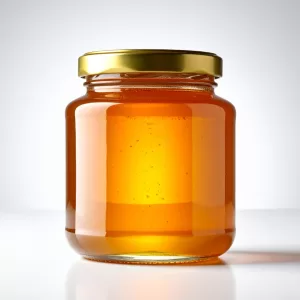
Glass jars or food-safe containers work best.
Shelf life and crystallization are just a few of the characteristics that vary depending on how honey is produced and stored.
Is Crystallized Honey Safe to Eat?
Yes. Crystallized honey is completely safe and edible.
If you prefer liquid honey:
- Place the jar in warm (not boiling) water
- Stir gently until crystals dissolve
Avoid microwaving, which can overheat honey unevenly.
Does Raw Honey Last as Long as Processed Honey?
Yes — and often longer.
Raw honey retains its natural structure and, when stored correctly, can remain stable for many years. Processing doesn’t necessarily improve shelf life; it mainly affects appearance and texture.
How to Tell If Honey Has Spoiled
Signs honey may be spoiled include:
- Sour or alcoholic smell
- Foaming on the surface
- Mold growth (very rare)
If honey smells pleasant and looks normal — even if crystallized — it’s usually safe.
Final Thoughts
Honey’s long shelf life is one of the reasons it has been valued throughout history. While it may change in texture or appearance, properly stored honey rarely spoils.
Understanding how honey behaves over time helps you store it confidently and enjoy it without unnecessary waste.