
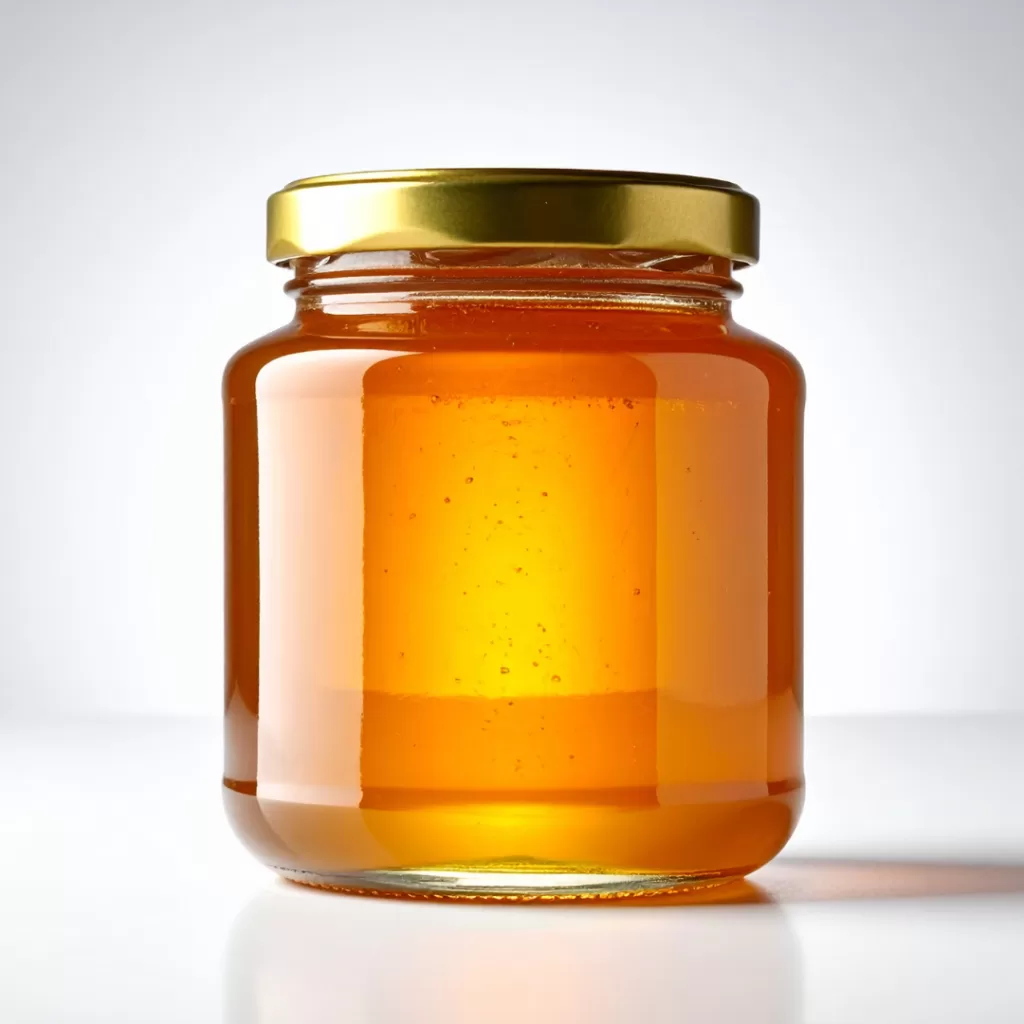
Fir Honey: Flavor, Benefits & Why Greek Fir Honey Is So Unique
Fir honey is one of the most distinctive honey varieties produced in Greece and other mountainous Mediterranean regions. Unlike common floral honeys such as clover or wildflower, fir honey belongs to the honeydew category — meaning it is produced from tree secretions rather than flower nectar. This difference gives fir
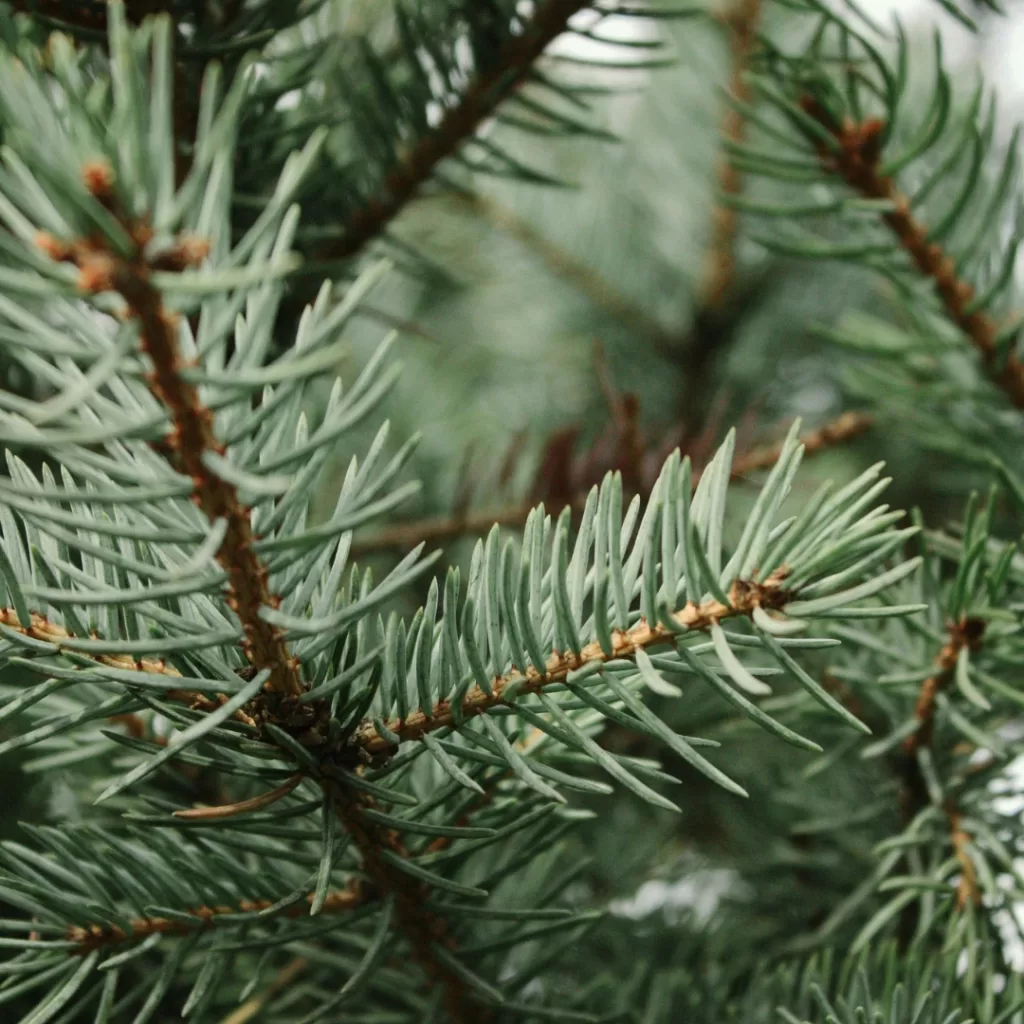
Pine Honey: Benefits, Flavor Profile & Why Greek Pine Honey Is Unique
Pine honey is one of the most distinctive honey varieties in the Mediterranean region. Unlike nectar-based honeys such as clover or thyme honey, pine honey belongs to a special category known as honeydew honey. This difference gives it a darker color, thicker texture, and more complex flavor profile. Greek pine
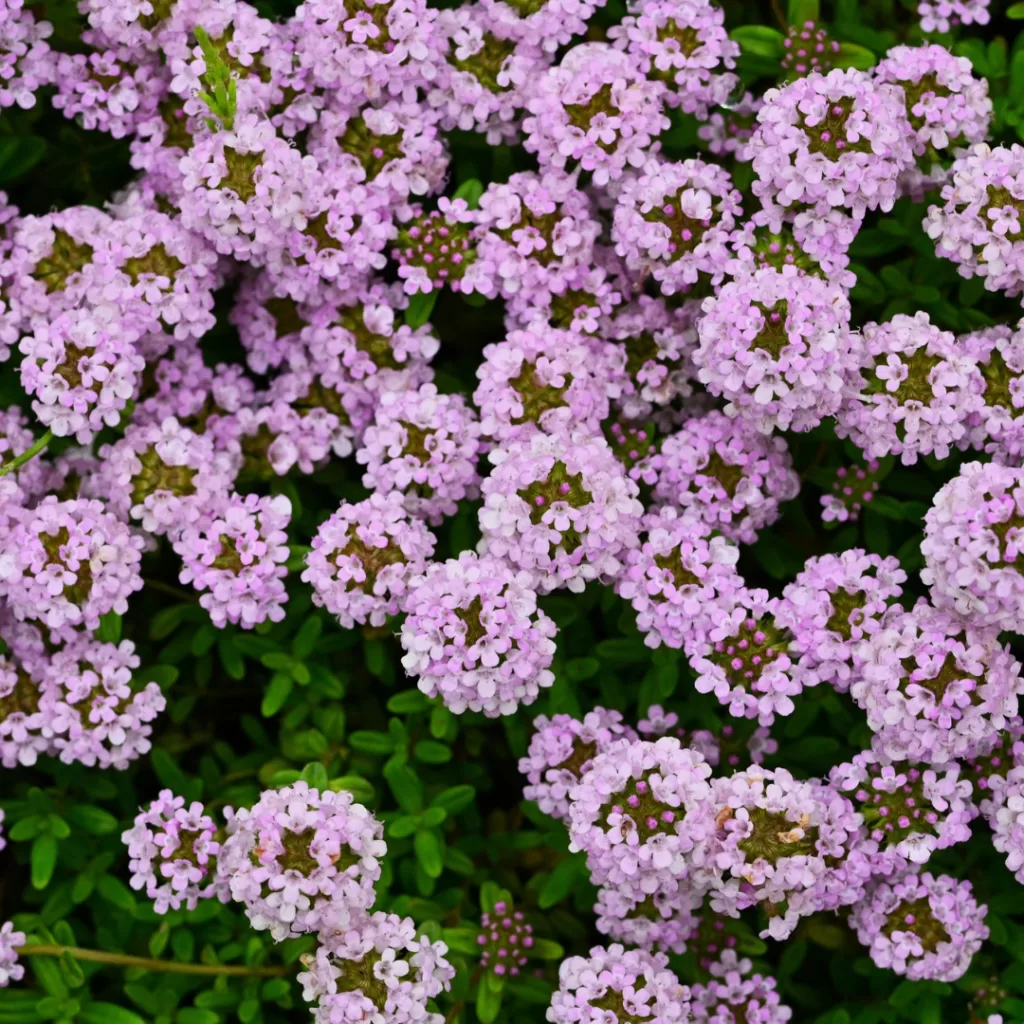
Thyme Honey: Benefits, Flavor Profile & Why Greek Thyme Honey Is So Special
Thyme honey is one of the most aromatic and distinctive honey varieties in the world. Produced primarily in Mediterranean regions — especially Greece — this honey develops an intense herbal fragrance and complex flavor profile that sets it apart from milder varieties like clover or wildflower honey. Because wild thyme
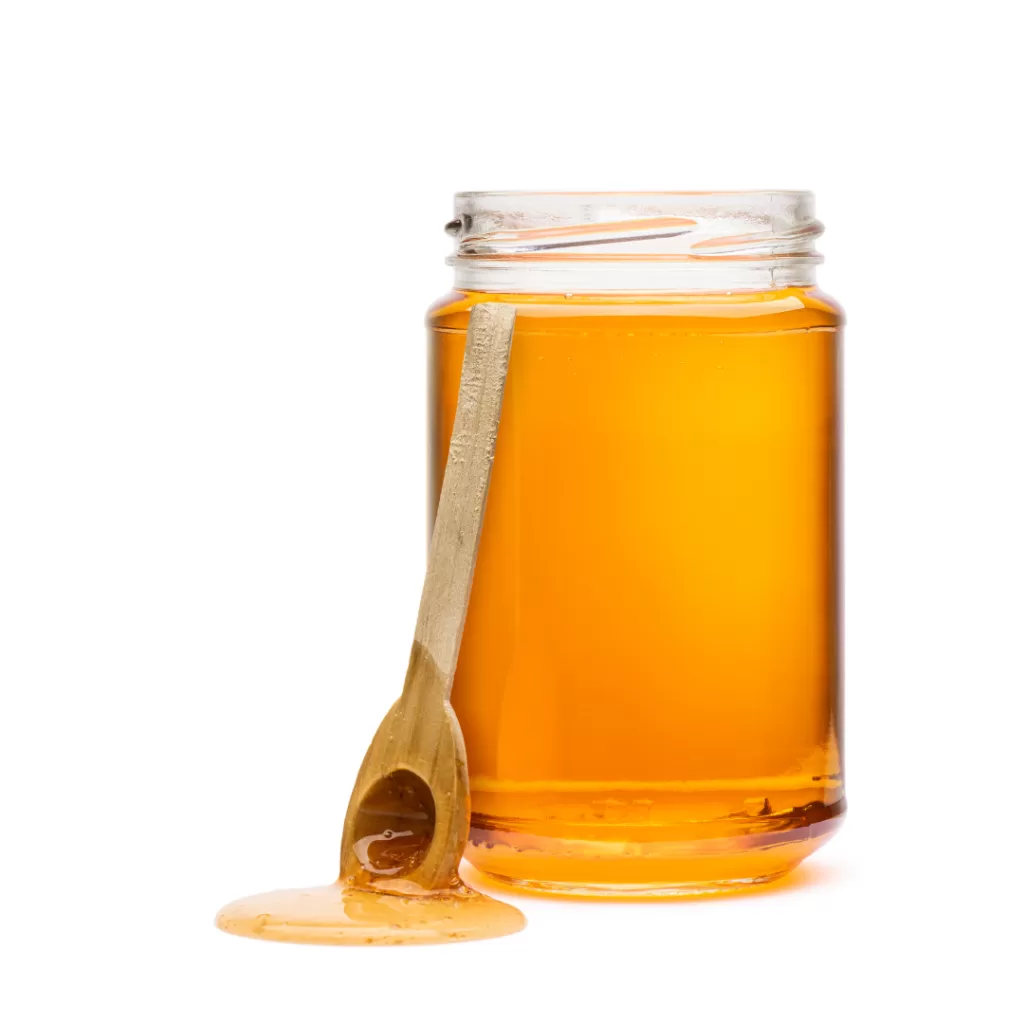
Kanuka Honey: Benefits, Uses & How It Compares to Manuka
Introduction Kanuka honey is a native New Zealand honey that is often compared to the more famous Manuka honey. While both originate from closely related plants, Kanuka honey has its own unique properties, flavor profile, and uses. Because Manuka honey dominates global attention, Kanuka honey is sometimes overlooked. However, this
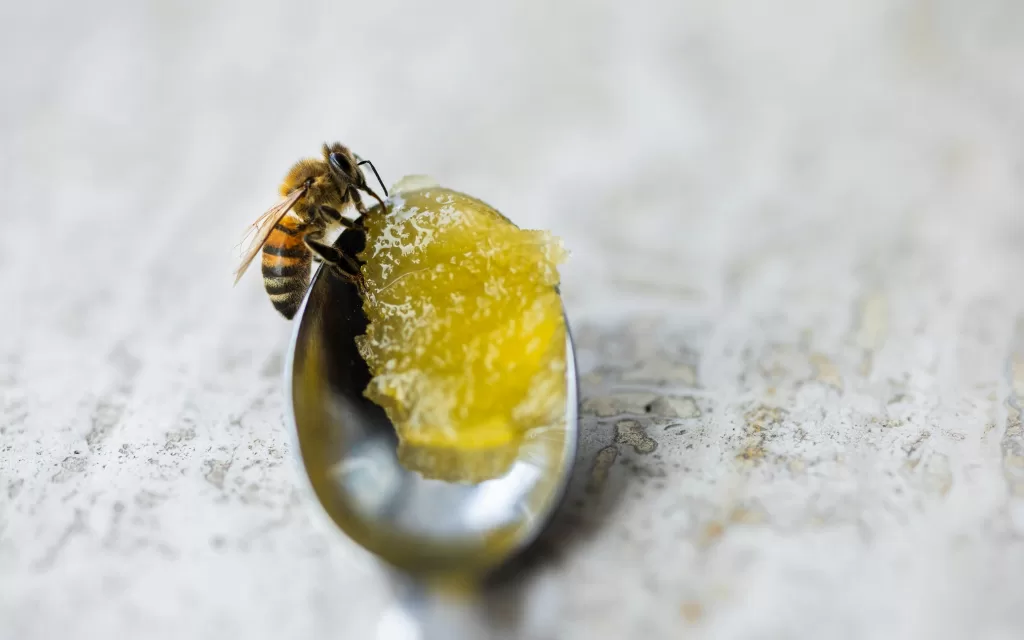
Does Honey Ever Go Bad? Shelf Life, Storage, and Spoilage Explained
Honey is famous for lasting a long time — sometimes even thousands of years. But does that mean honey can never go bad? And what actually happens when honey changes color, texture, or crystallizes? In this guide, we’ll explain how long honey really lasts, what affects its shelf life, and
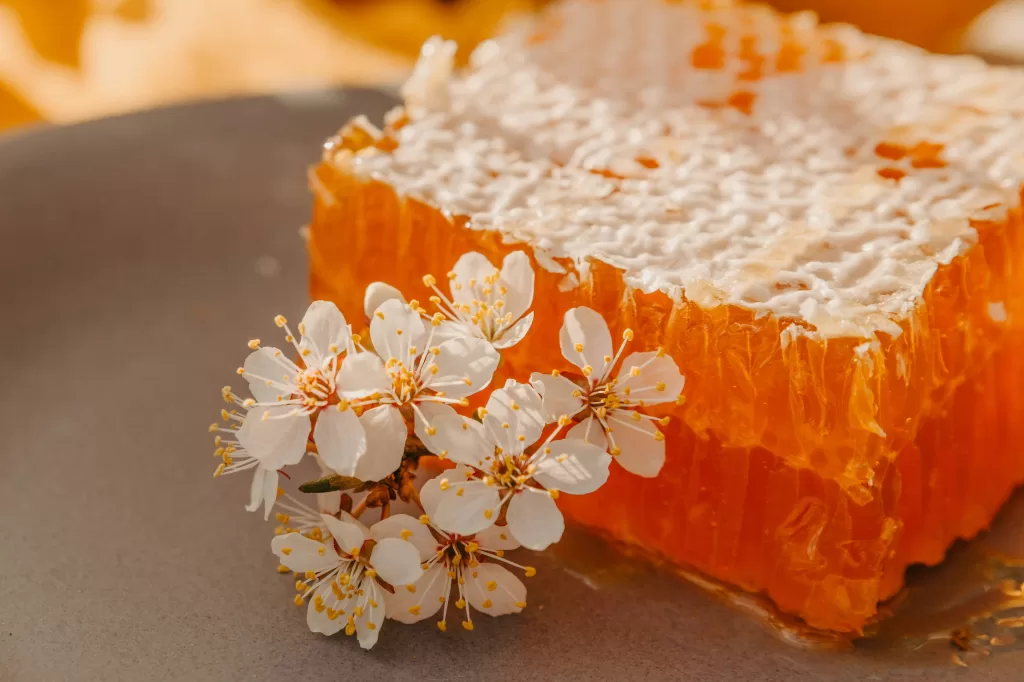
Comb Honey vs Liquid Honey: What’s the Difference and Which Should You Choose?
Honey comes in more than one form, and two of the most common you’ll encounter are comb honey and liquid honey. While both come from the same source—bees—the way they’re presented and used can be very different. In this guide, we’ll explore what sets comb honey apart from liquid honey,
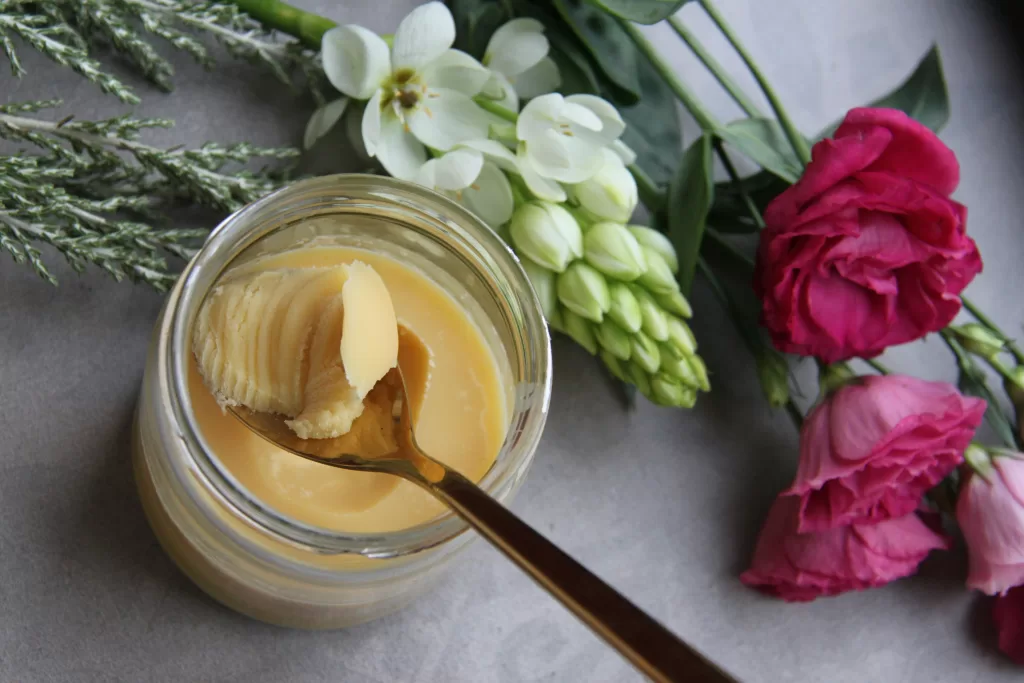
Creamed Honey Explained: What It Is, How It’s Made, and Why People Love It
If you’ve ever seen honey that looks smooth, thick, and spreadable—almost like butter—you’ve likely encountered creamed honey. Despite its name, creamed honey contains no dairy at all. It’s simply honey that has been crystallized in a controlled way to create a unique texture. In this guide, we’ll explain what creamed
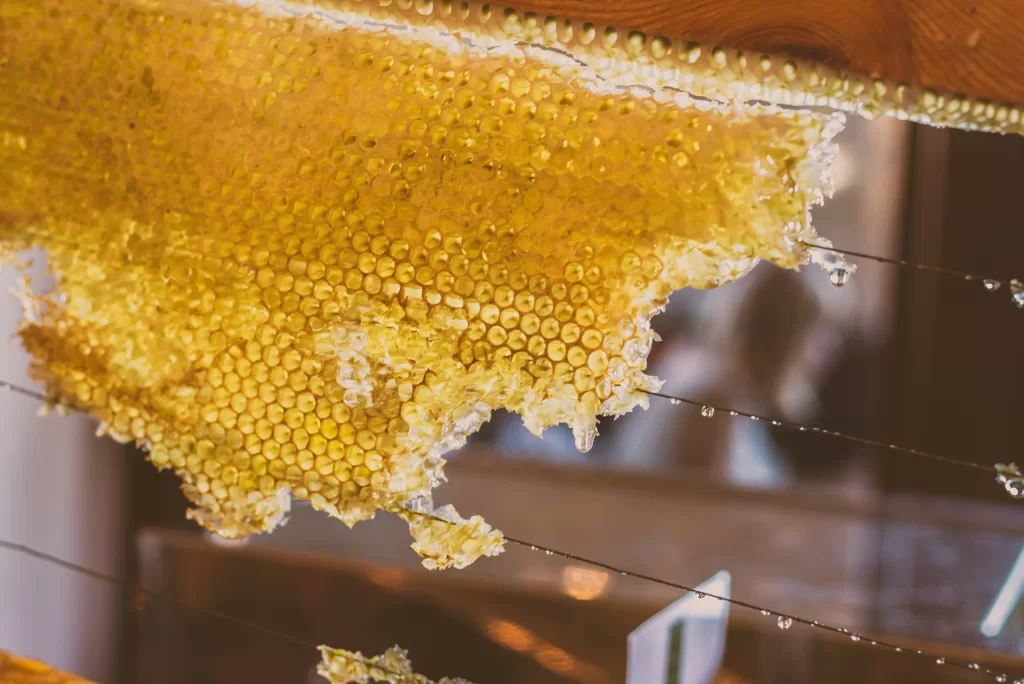
Raw vs Processed Honey: What’s the Difference and Why It Matters
Honey is often marketed as a natural, wholesome food — but not all honey is treated the same before it reaches the shelf. One of the biggest differences you’ll see is raw honey vs processed honey, and understanding that difference can help you choose honey that better fits your needs.
Fir Honey: Flavor, Benefits & Why Greek Fir Honey Is So Unique
Fir honey is one of the most distinctive honey varieties produced in Greece and other mountainous Mediterranean regions. Unlike common floral honeys such as clover or wildflower, fir honey belongs to the honeydew category — meaning it is produced from tree secretions rather than flower nectar. This difference gives fir
Pine Honey: Benefits, Flavor Profile & Why Greek Pine Honey Is Unique
Pine honey is one of the most distinctive honey varieties in the Mediterranean region. Unlike nectar-based honeys such as clover or thyme honey, pine honey belongs to a special category known as honeydew honey. This difference gives it a darker color, thicker texture, and more complex flavor profile. Greek pine
Thyme Honey: Benefits, Flavor Profile & Why Greek Thyme Honey Is So Special
Thyme honey is one of the most aromatic and distinctive honey varieties in the world. Produced primarily in Mediterranean regions — especially Greece — this honey develops an intense herbal fragrance and complex flavor profile that sets it apart from milder varieties like clover or wildflower honey. Because wild thyme
Kanuka Honey: Benefits, Uses & How It Compares to Manuka
Introduction Kanuka honey is a native New Zealand honey that is often compared to the more famous Manuka honey. While both originate from closely related plants, Kanuka honey has its own unique properties, flavor profile, and uses. Because Manuka honey dominates global attention, Kanuka honey is sometimes overlooked. However, this
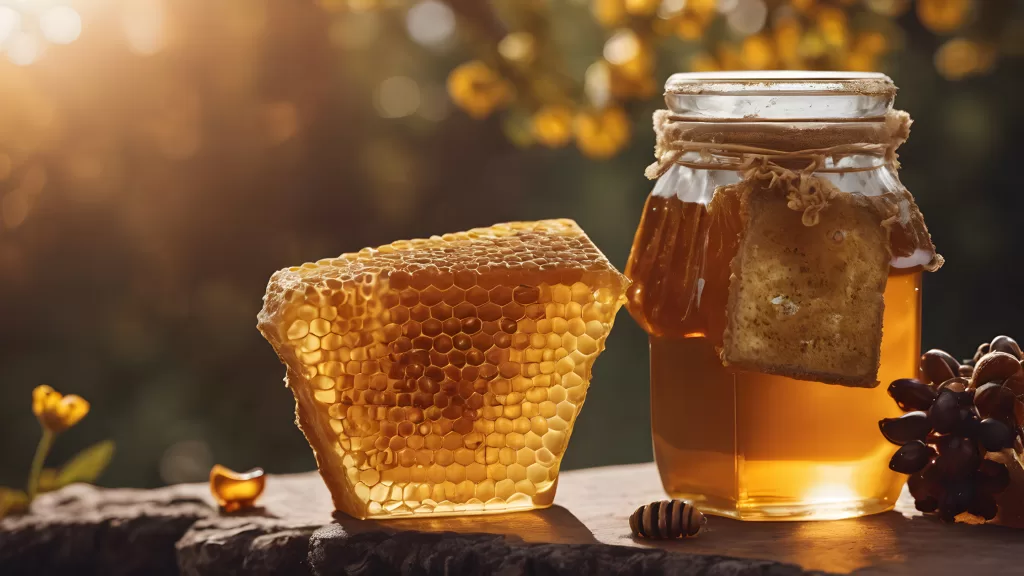
Is Canadian Honey Different from Imported Honey? What You Should Know
Honey is sold all over the world, and jars often look similar on the shelf. But where honey comes from can make a meaningful difference in how it tastes, how it behaves, and how much information you have about its origin. Canadian honey is frequently compared to imported honey, especially
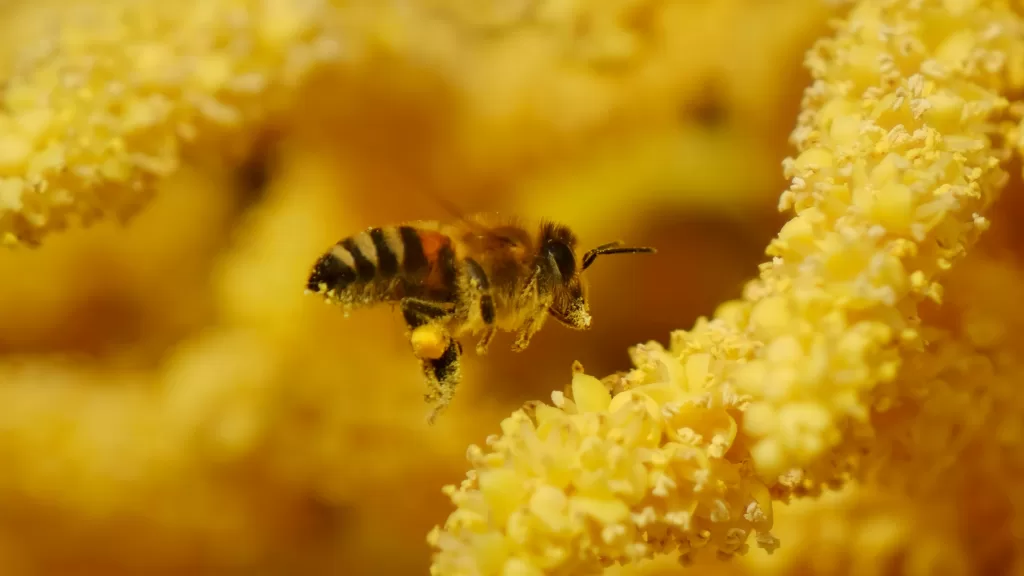
How Climate Affects Honey Production in Canada
Climate plays a major role in how honey is produced, and in a country as large and varied as Canada, climate differences shape everything from honey flavor to texture and harvest timing. Canadian honey is deeply influenced by short growing seasons, cooler temperatures, and regional weather patterns. In this article,