Honey is often marketed as a natural, wholesome food — but not all honey is treated the same before it reaches the shelf. One of the biggest differences you’ll see is raw honey vs processed honey, and understanding that difference can help you choose honey that better fits your needs.
In this guide, we’ll break down:
- What raw honey really is
- How processed honey is made
- The key differences in taste, texture, and handling
- When each type of honey makes sense
What Is Raw Honey?
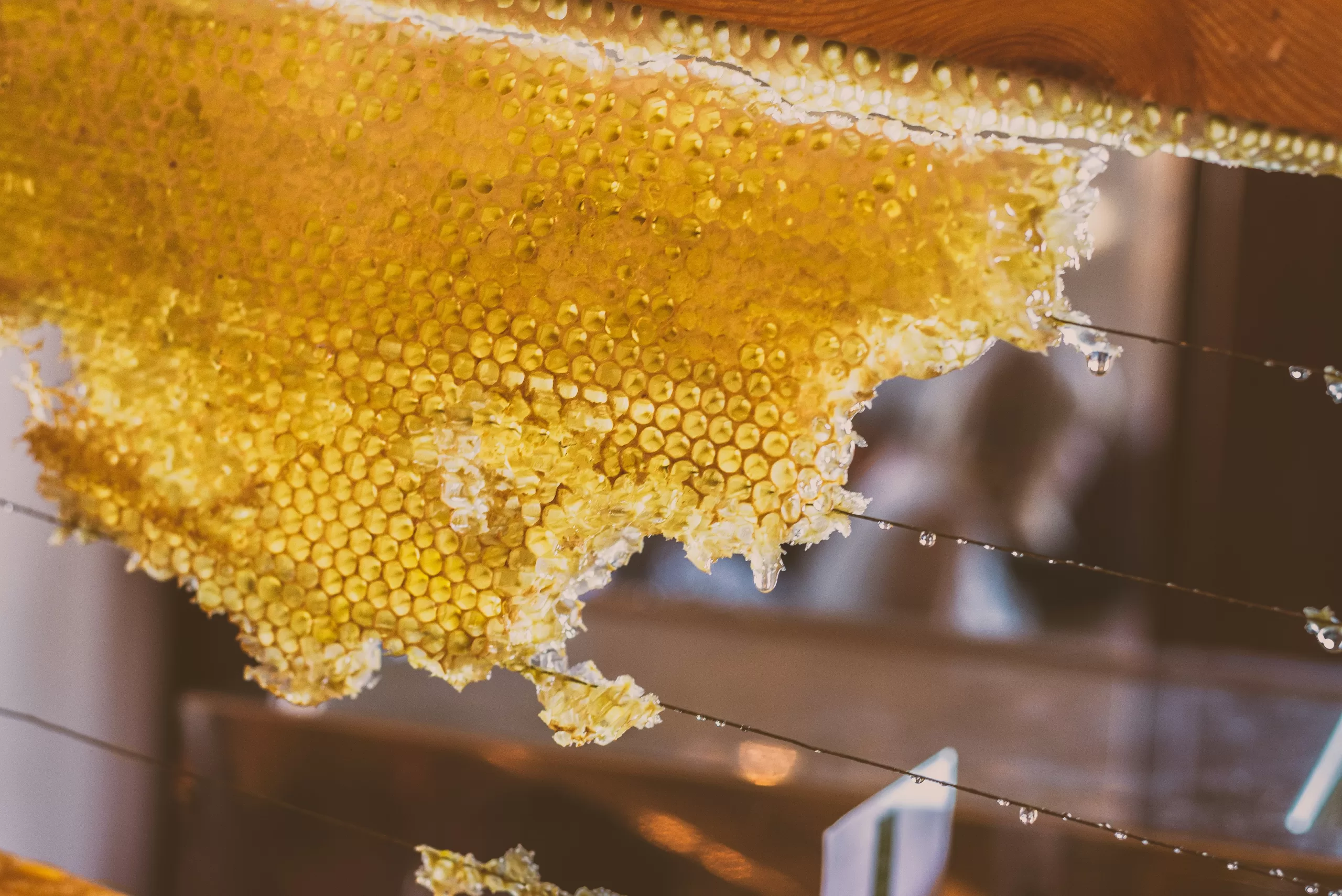
Raw honey is honey that is minimally processed after harvesting. Once removed from the hive, it is typically strained to remove large pieces of wax or debris, but it is not heated to high temperatures.
Because of this, raw honey retains:
- Natural enzymes
- Trace amounts of pollen
- Its original flavor profile
- Natural aromas from the nectar source
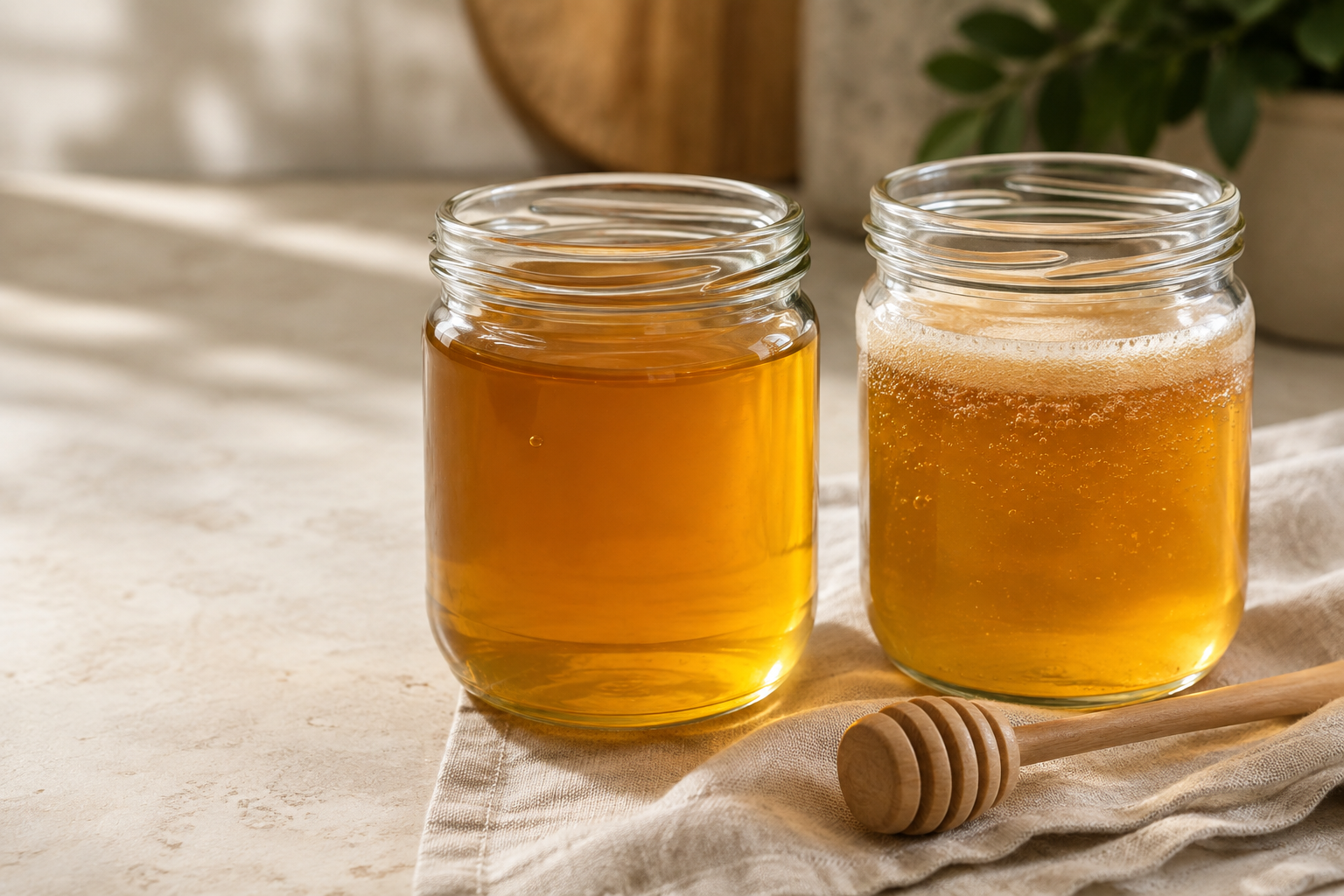
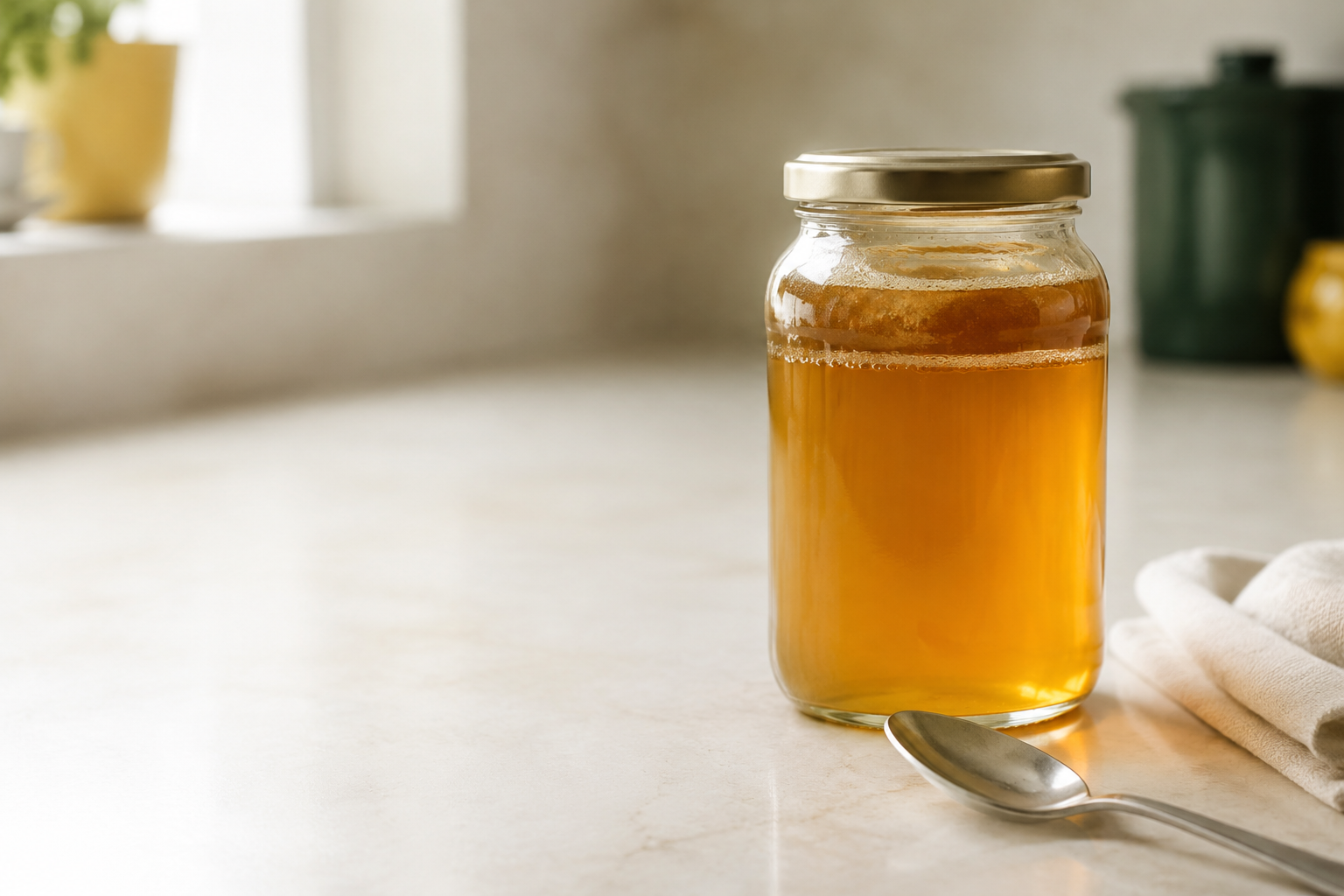
Raw honey often looks cloudy or opaque, and it commonly crystallizes over time. These traits are normal and usually indicate minimal processing.
What Is Processed Honey?
Processed honey (sometimes called regular or commercial honey) is honey that has been heated and filtered more aggressively before bottling.
The processing usually involves:
- Heating honey to high temperatures
- Fine filtration to remove pollen and particles
- Blending multiple batches for uniform color and flavor
The result is a honey that:
- Looks clear and smooth
- Pours easily
- Crystallizes more slowly
- Tastes very consistent from jar to jar
This type of honey is designed for appearance and shelf stability, especially in large-scale retail settings.
Key Differences Between Raw and Processed Honey
1. Processing and Heat
- Raw honey: Minimal heat, minimal filtration
- Processed honey: Heated and finely filtered
Heat makes honey easier to filter and bottle, but it can also change its natural structure.
2. Appearance
- Raw honey: Cloudy, opaque, or textured
- Processed honey: Clear and uniform
Clear honey isn’t “better” — it’s simply more processed.
3. Crystallization
- Raw honey: Crystallizes faster and more naturally
- Processed honey: Crystallizes more slowly
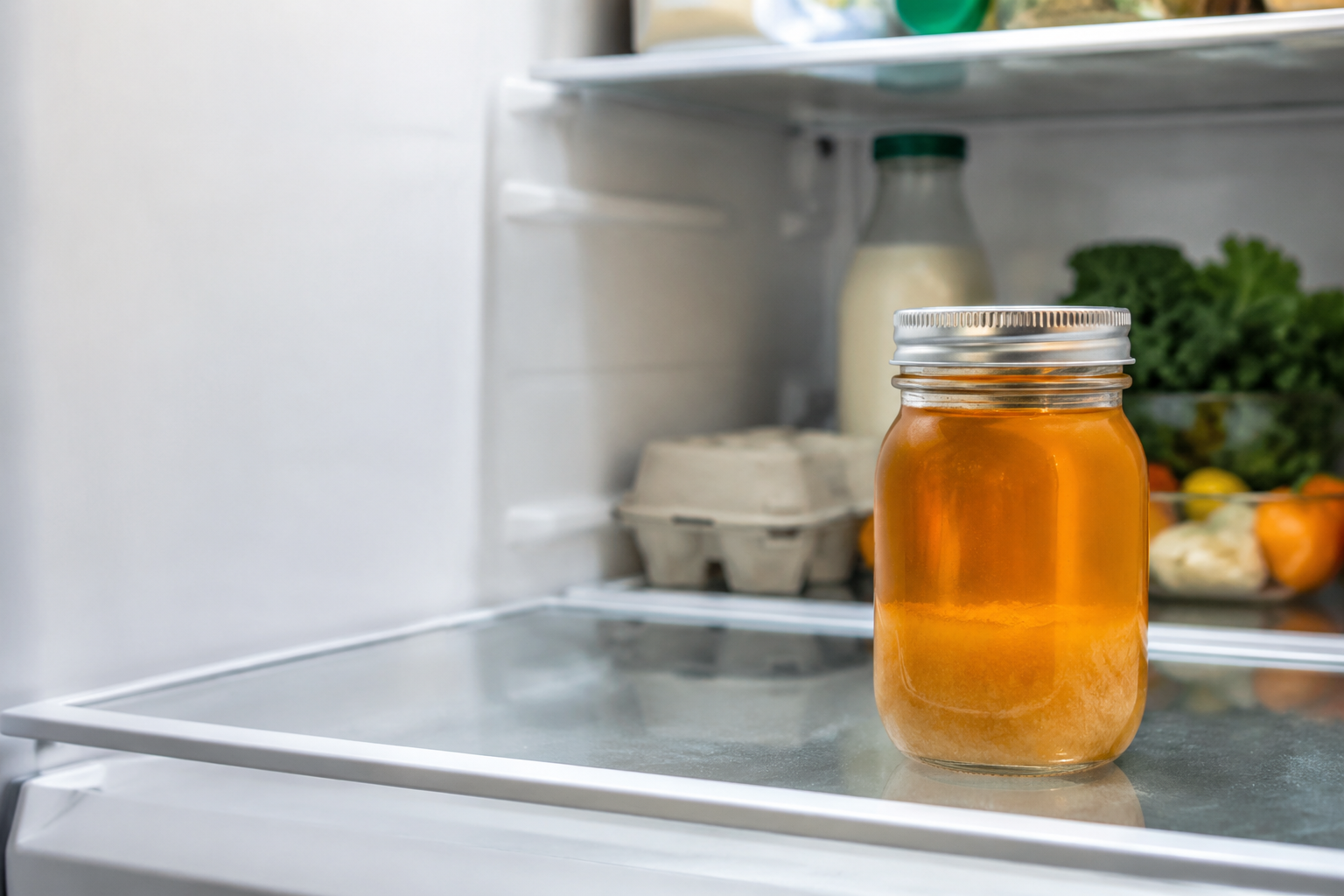
Crystallization is a natural process and does not mean honey has spoiled.
4. Flavor
- Raw honey: More complex, floral, and varied
- Processed honey: Mild and consistent
Raw honey often reflects its floral source more clearly, while processed honey is blended to taste the same every time.
Which Type of Honey Is Better?
There’s no single answer — it depends on how you plan to use honey.
Raw honey may be better if you:
- Enjoy distinct flavors
- Want minimally processed foods
- Like exploring different honey varieties
- Don’t mind crystallization
Processed honey may be better if you:
- Prefer a smooth, pourable texture
- Want consistent flavor
- Use honey mainly for sweetening drinks or baking
Both types can have a place in the kitchen.
Does Processing Make Honey “Bad”?
Not necessarily.
Processing doesn’t make honey unsafe or unusable — it simply changes some of its natural characteristics. The key is knowing what you’re buying and choosing based on your preferences, not just appearance.
Why Understanding This Difference Matters
Knowing the difference between raw and processed honey helps you:
- Avoid confusion at the store
- Understand why honeys vary in price
- Choose honey that matches your taste and values
- Appreciate why some honeys behave differently over time
It also helps explain why honey looks, tastes, and performs differently from jar to jar.
Final Thoughts
Raw and processed honey are both made by bees, but how they’re handled afterward makes a meaningful difference. Neither is inherently “right” or “wrong” — the best choice is the one that fits how you use and enjoy honey.
Understanding this distinction is a key step in exploring the wider world of honey varieties.