
Creamed Honey
Creamed Honey: The Silky Smooth Delight
Creamed honey, also known as whipped honey or spun honey, is a luxurious and velvety form of honey that delights the senses. With its smooth texture, creamy consistency, and delectable taste, creamed honey offers a unique twist on the traditional liquid honey. In this article, we will explore everything you need to know about creamed honey, from its production process to its uses and benefits.
Creamed Honey:
Creamed honey is created by controlling the crystallization process of liquid honey. The process starts by selecting a batch of high-quality liquid honey with a fine texture. A small amount of already crystallized honey, known as seed honey, is added to the liquid honey. The mixture is gently stirred or whipped, incorporating air into the honey and evenly distributing the fine crystals throughout the batch. This results in a smooth and spreadable consistency.
Creamed honey stands out for its unique texture and consistency. It has a creamy and velvety texture, similar to butter or soft icing. The texture is achieved through the controlled crystallization, which gives it a fine and smooth graininess. Creamed honey is easy to spread and does not drip like liquid honey, making it a convenient choice for various culinary applications.
Creamed honey inherits the flavor profile of the original liquid honey used in its production. It captures the natural essence of the flowers and plants visited by the honeybees. Therefore, you can find creamed honey in a wide range of flavors, from floral and fruity to herbal and robust. Some common varieties include clover creamed honey, wildflower creamed honey, and lavender creamed honey, each with its unique taste profile.
Creamed honey is a versatile ingredient that can be used in various culinary creations. Here are a few ways to enjoy creamed honey:
- Spreading: Creamed honey is perfect for spreading on toast, muffins, bagels, and other baked goods. Its smooth and spreadable consistency makes it a delightful and mess-free option for a sweet and flavorful breakfast or snack.
- Topping: Use creamed honey as a topping for pancakes, waffles, yogurt, or ice cream. Its creamy texture adds a luxurious touch to these dishes while imparting a natural sweetness.
- Baking: Incorporate creamed honey into your favorite baking recipes, such as cakes, cookies, and bread. It adds moisture, richness, and a unique flavor dimension to your baked goods.
- Pairings: Creamed honey can be paired with various ingredients to create delicious combinations. Spread it on crackers with cheese, mix it into nut butter, or use it as a glaze for roasted meats or vegetables.
Creamed honey has a longer shelf life compared to liquid honey due to its controlled crystallization. Properly stored creamed honey can last for several months to a year. It is important to keep creamed honey in a cool, dry place, away from direct sunlight. Ensure the container is tightly sealed to prevent moisture absorption, which can affect the texture and quality of the honey.
Like all forms of honey, creamed honey offers several health benefits:
- Nutritional Content: Creamed honey contains natural sugars, vitamins, minerals, and antioxidants. While the exact nutritional content may vary depending on the floral source, creamed honey can contribute to overall nutrient intake.
- Energy Source: The natural sugars in creamed honey provide a quick and sustained source of energy, making it a popular choice among athletes or those needing an energy boost.
- Soothing Properties: Creamed honey can be used to soothe sore throats and coughs. Its smooth texture and natural compounds can provide relief and comfort.
Creamed honey provides a delightful and luxurious honey experience with its smooth texture, creamy consistency, and diverse flavor profiles. Whether spread on toast, used as a topping, or incorporated into baking recipes, creamed honey adds a touch of elegance and sweetness to your culinary creations. Enjoy the velvety goodness of creamed honey and explore the wide range of flavors available to indulge your taste buds.
More From The Hive:

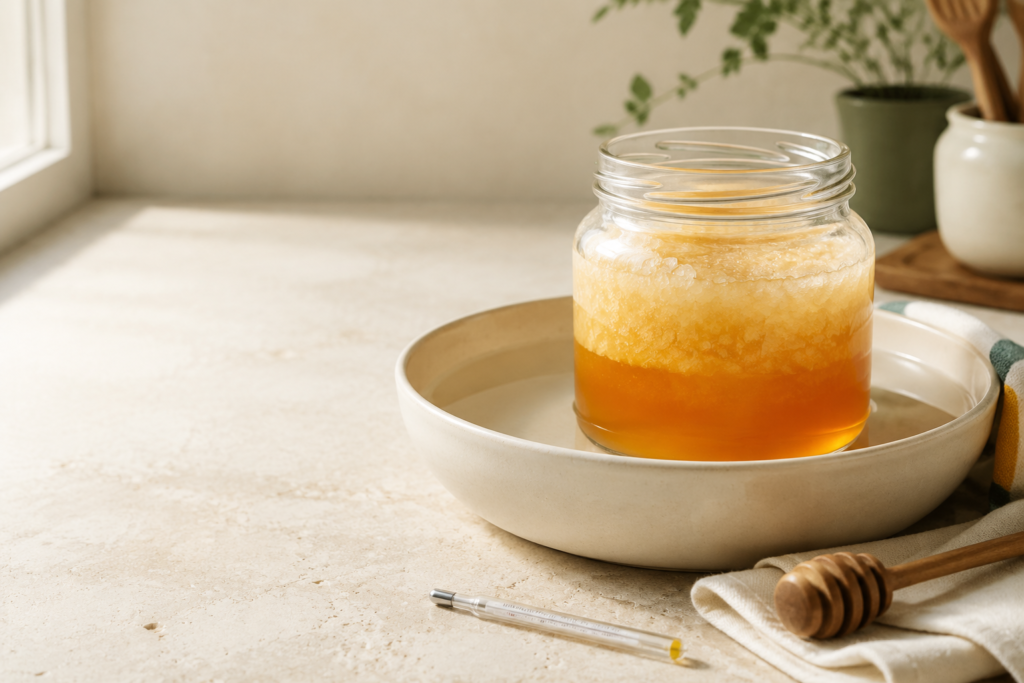
How to Decrystallize Honey Safely Without Damaging It
A GENTLE, PRACTICAL HONEY GUIDE How to Decrystallize Honey Safely Without Damaging It Turn firm or grainy honey back into a pourable liquid with controlled
How to Store Honey: Best Temperature, Containers and Common Mistakes
THE COMPLETE HONEY STORAGE GUIDE How to Store Honey: Best Temperature, Containers and Common Mistakes Keep honey tasting and performing its best with a practical
Fir Honey: Flavor, Benefits & Why Greek Fir Honey Is So Unique
Fir honey is one of the most distinctive honey varieties produced in Greece and other mountainous Mediterranean regions. Unlike common floral honeys such as clover
Pine Honey: Benefits, Flavor Profile & Why Greek Pine Honey Is Unique
Pine honey is one of the most distinctive honey varieties in the Mediterranean region. Unlike nectar-based honeys such as clover or thyme honey, pine honey
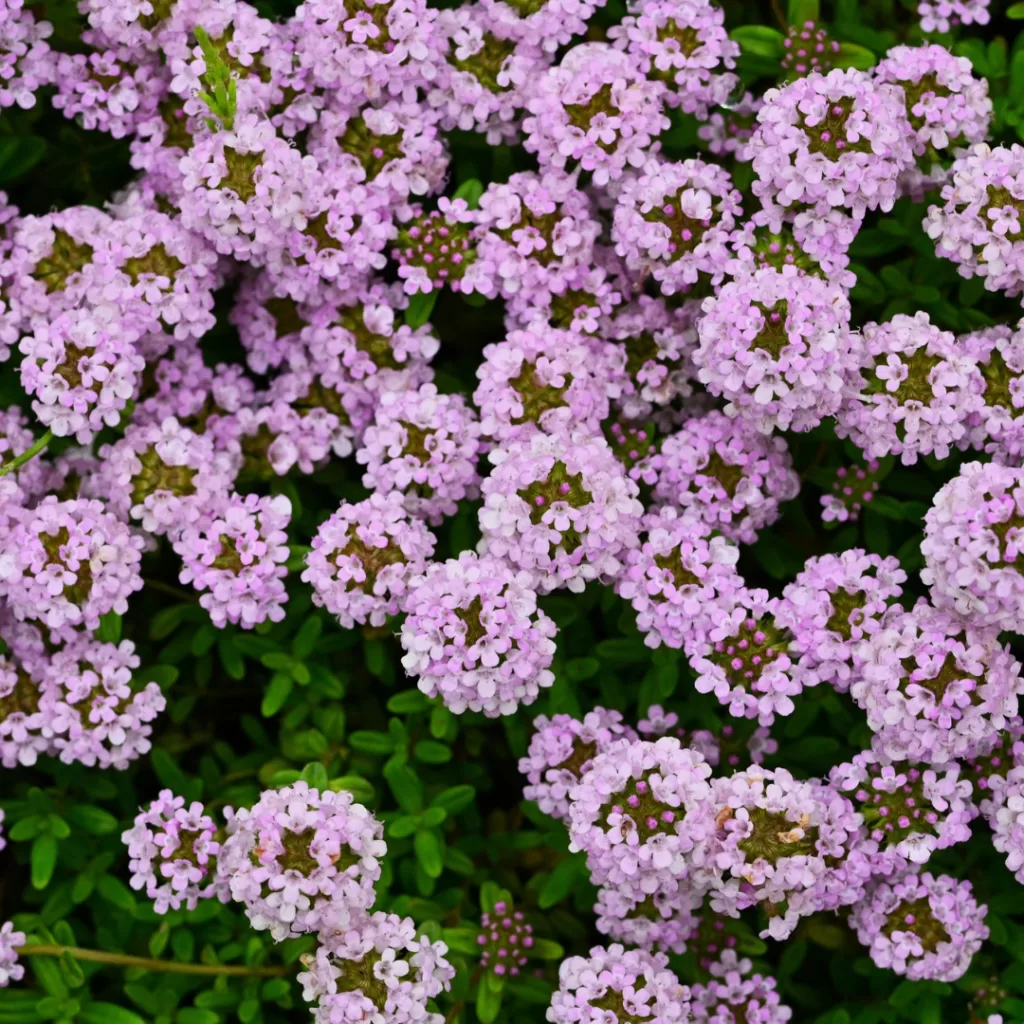
Thyme Honey: Benefits, Flavor Profile & Why Greek Thyme Honey Is So Special
Thyme honey is one of the most aromatic and distinctive honey varieties in the world. Produced primarily in Mediterranean regions — especially Greece — this
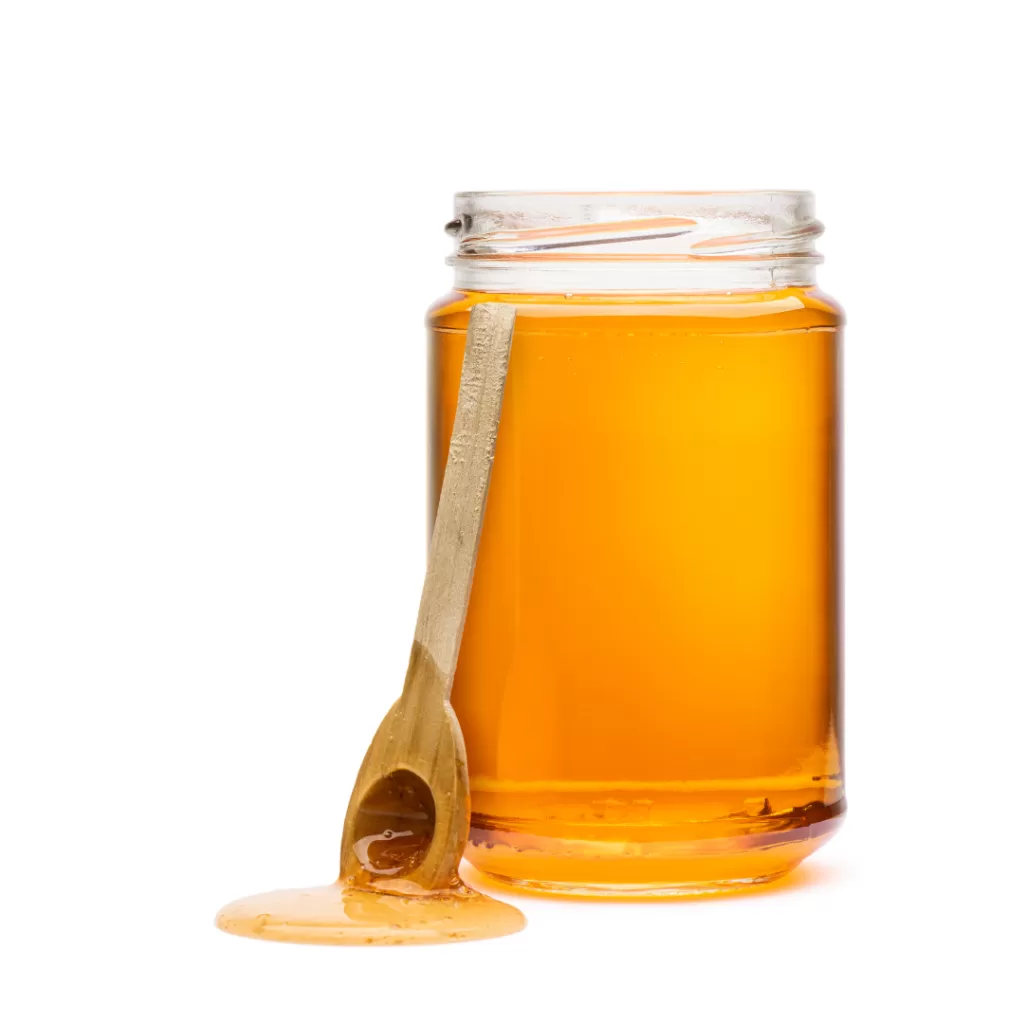
Kanuka Honey: Benefits, Uses & How It Compares to Manuka
Introduction Kanuka honey is a native New Zealand honey that is often compared to the more famous Manuka honey. While both originate from closely related