Canada Honey: Varieties, Production and Regional Guide
Canadian honey reflects an enormous range of landscapes—from Prairie canola and clover to Atlantic blueberry barrens, Quebec buckwheat, Ontario orchards, British Columbia fireweed and northern wildflowers. This guide connects floral source, region, season, production and Canadian labeling.
A major producer shaped by agriculture and wild forage
- Canada reported 854,653 honey bee colonies and 84.1 million pounds of honey in 2025.
- Alberta held the largest provincial colony inventory in the official 2025 overview.
- The Prairie provinces dominate national volume, while beekeeping occurs across every province.
- Canola, clover and alfalfa contribute major light honeys; regional crops and wild plants create many smaller-batch profiles.
- Canada’s grade names and color classes describe regulated characteristics—not a universal flavor ranking.
- “Canadian,” “local,” “raw” and “pure” answer different questions and should not be treated as synonyms.
Travel through Canadian honey country
Canadian honey production in 2025
854,653 colonies
84.1 million pounds
Alberta leads colony numbers
Where is honey produced in Canada?
| Region | Production character | Common forage examples | What to remember |
|---|---|---|---|
| Prairies | Large commercial colony inventories and high-volume field-crop honey | Canola, clover, alfalfa, mixed prairie forage | Alberta, Saskatchewan and Manitoba drive national output |
| Ontario and Quebec | Mixed commercial and small-scale production near farms, forests and cities | Clover, basswood, buckwheat, fruit blossom, wildflower | Regional diversity can be greater than one province-wide profile |
| Atlantic Canada | Smaller national volume with important crop-pollination connections | Blueberry, clover, fruit blossom, coastal wildflower | Pollination and honey seasons overlap but are not identical |
| British Columbia | Highly varied coastal, valley, mountain and interior production | Fireweed, berry, orchard, clover, wildflower | Terrain and microclimate strongly affect forage |
| Northern Canada | Small-scale and highly seasonal production | Fireweed and diverse northern wildflowers | Long summer daylight does not remove weather and forage limits |
Province of origin is useful, but a precise harvest location, floral source and production season reveal more about an individual honey.
Canadian honey by region
Canada’s honey geography is best understood as overlapping agricultural and ecological zones rather than rigid provincial flavors.
Alberta, Saskatchewan and Manitoba
Ontario
Quebec
Atlantic provinces
British Columbia
Northern regions
Important Canadian honey varieties
Other Canadian possibilities include buckwheat, basswood, goldenrod, aster, dandelion, fruit-blossom, raspberry, cranberry, sunflower, sainfoin and countless multifloral or “wildflower” harvests. A monofloral name should reflect meaningful botanical predominance, not one flower pictured on a label.
Season, weather and Canadian terroir
Spring build-up
Summer field crops
Forest and wild landscapes
Late-season forage
Temperature, rainfall, drought, wildfire smoke, bloom timing, soil, surrounding land use and colony strength can change yield and flavor from one year to the next. “Terroir” is therefore useful when it remains tied to traceable place, plants and harvest—not vague marketing.
Understanding Canadian honey grades and color classes
Canadian grade names
The Canadian Grade Compendium establishes Canada No. 1, Canada No. 2 and Canada No. 3 requirements for honey within its scope. Grading considers regulated quality characteristics; it is not a simple ranking of nutrition, ethics or flavor.
A dark, strong honey is not automatically a lower grade, and a pale honey is not automatically purer.
Consumer color classes
For consumer-prepackaged honey covered by the federal requirements, the color classes are White, Golden, Amber and Dark. Bulk and other prepackaged honey use a more detailed six-class system.
Color is measured against defined standards. It often relates to floral source and flavor intensity but does not identify the flower on its own.
How to buy genuinely Canadian honey
Check the country statement
Read ingredient and blend wording
Look for producer traceability
Understand “local”
Farmers’ markets, apiary shops and regional retailers can provide close producer connections, while national brands may offer consistency and broad distribution. Neither scale guarantees quality; sound labeling, appropriate handling and honest origin information matter.
Raw, filtered, pasteurized and crystallized Canadian honey
Pollination, trade and sustainability
Canadian beekeeping supports honey production and managed pollination for orchard fruits, berries, vegetables, forage crops and hybrid canola seed. A colony moved for crop pollination may later produce honey from different surrounding plants.
Pollination value
Colony health
Imports and exports
Authenticity
Habitat context
Responsible sourcing
Frequently asked questions about honey from Canada
What type of honey is Canada known for?
Canada is especially associated with light Prairie honeys from canola, clover and alfalfa, but it also produces blueberry, buckwheat, basswood, fireweed, fruit-blossom and diverse wildflower honeys.
Which province produces the most honey?
Alberta has the country’s largest colony inventory and is normally the leading provincial producer. Annual production changes with weather, forage and colony conditions.
How much honey does Canada produce?
Agriculture and Agri-Food Canada reported 84.1 million pounds for 2025. Always attach a year to production figures because totals change annually.
What does Canada No. 1 honey mean?
Canada No. 1 is a regulated grade based on defined quality requirements. It does not mean that all other honey is unsafe or that No. 1 has the strongest flavor or best nutrition.
What are Canada’s honey color classes?
The consumer-prepackaged classes are White, Golden, Amber and Dark under the federal grade compendium.
Is Canadian honey always raw?
No. Canadian honey may be raw, heated, filtered, creamed, pasteurized or otherwise processed. Origin and processing are separate characteristics.
Why does Canadian canola honey crystallize quickly?
Canola honey commonly has a sugar balance that favors rapid glucose crystallization. Crystallization is normally a texture change, not spoilage.
How can I verify honey is Canadian?
Read the complete origin and blend wording, identify the producer or packer, retain the lot information and ask direct questions. Appearance and home “purity tests” cannot prove origin.
Latest Canadian and regional honey guides
Continue exploring honey varieties, origins, producers, processing and regional traditions from Canada and around the world.
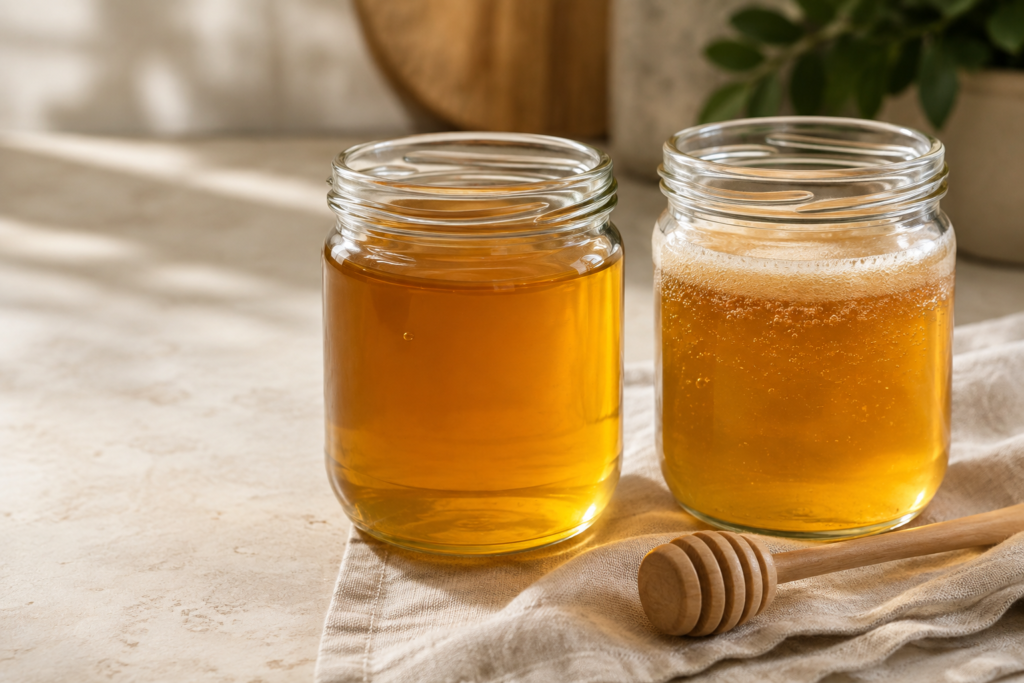
Why Is My Honey Foamy? Bubbles, Wax or Fermentation Explained
THE COMPLETE HONEY FOAM GUIDE Why Is My Honey Foamy? Bubbles, Wax or Fermentation Explained Foam on honey is not automatically spoilage.
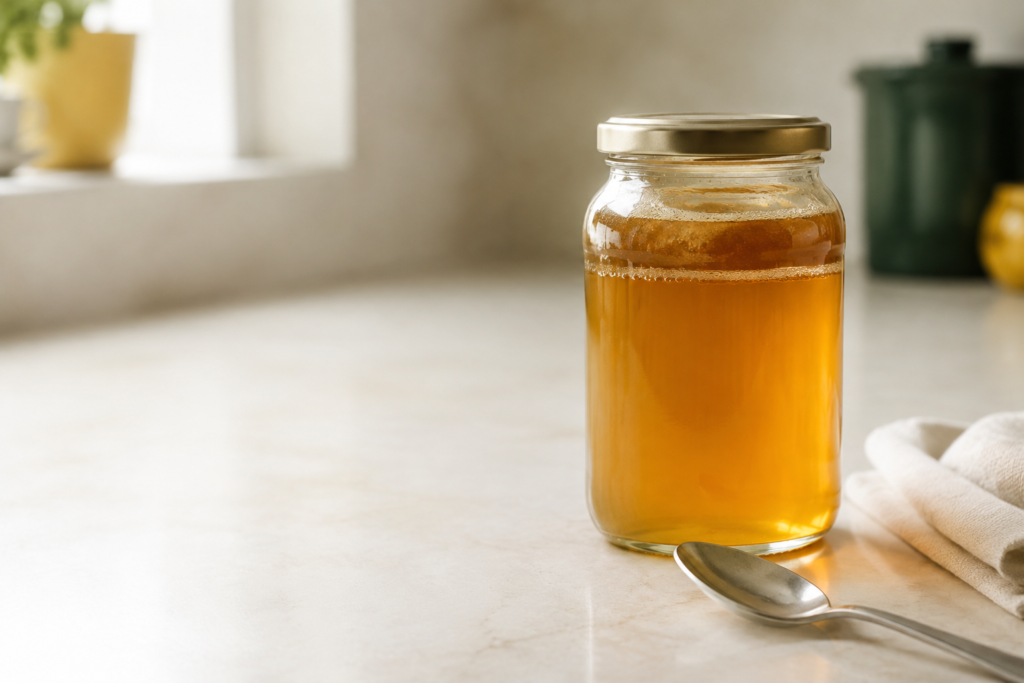
Why Does Honey Ferment? Signs, Causes and Prevention
THE COMPLETE HONEY FERMENTATION GUIDE Why Does Honey Ferment? Signs, Causes and Prevention Unintended honey fermentation usually begins when yeasts can use
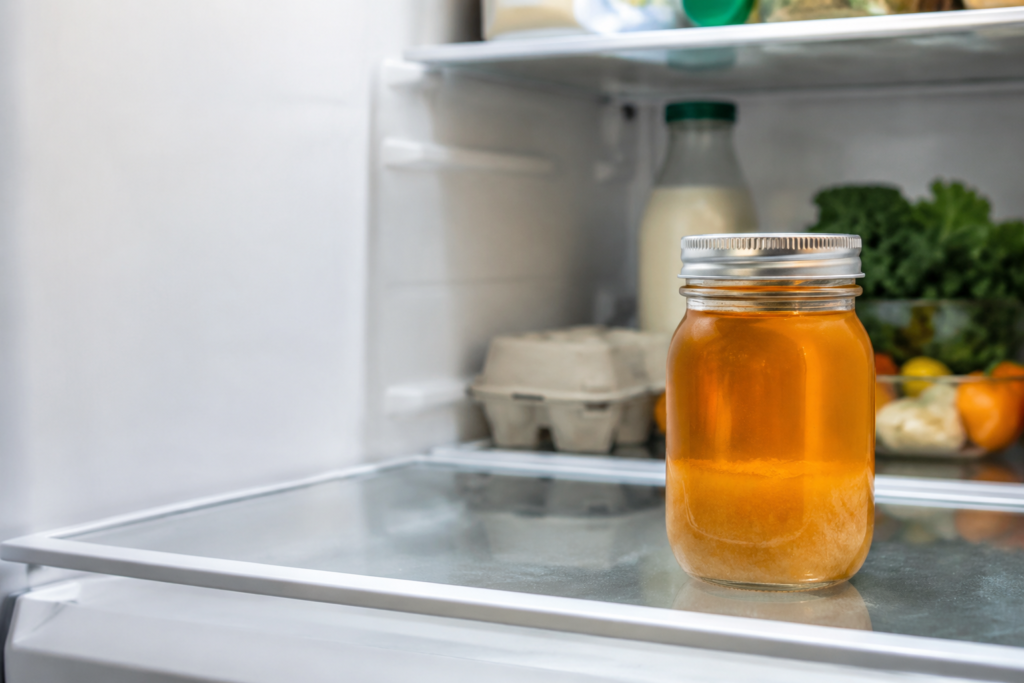
Does Honey Need to Be Refrigerated? What Happens in the Fridge
THE COMPLETE COLD-STORAGE GUIDE Does Honey Need to Be Refrigerated? What Happens in the Fridge Plain honey usually belongs in a dry
Continue through the global honey library
How this Canadian honey guide was researched
This page prioritizes current Canadian government statistics and regulatory sources. Production figures are dated, regional profiles avoid claiming one flavor for an entire province, and Canadian grades are not treated as botanical or nutritional rankings.
- Agriculture and Agri-Food Canada: 2025 honey and bee industry overview
- Statistics Canada Table 32-10-0353-01: Production and value of honey
- CFIA: Canadian Grade Compendium, Volume 6—Honey
- CFIA: Labelling requirements for honey
- Statistics Canada: 2024 production context
- AAFC: Canadian honey industry and pollination overview
- Ontario: Provincial honey requirements
Discover Canada one landscape—and one harvest—at a time
Canadian honey is not a single flavor. Its story stretches from large Prairie nectar flows to coastal, orchard, forest and northern harvests, connected by traceable producers and clear Canadian labeling.