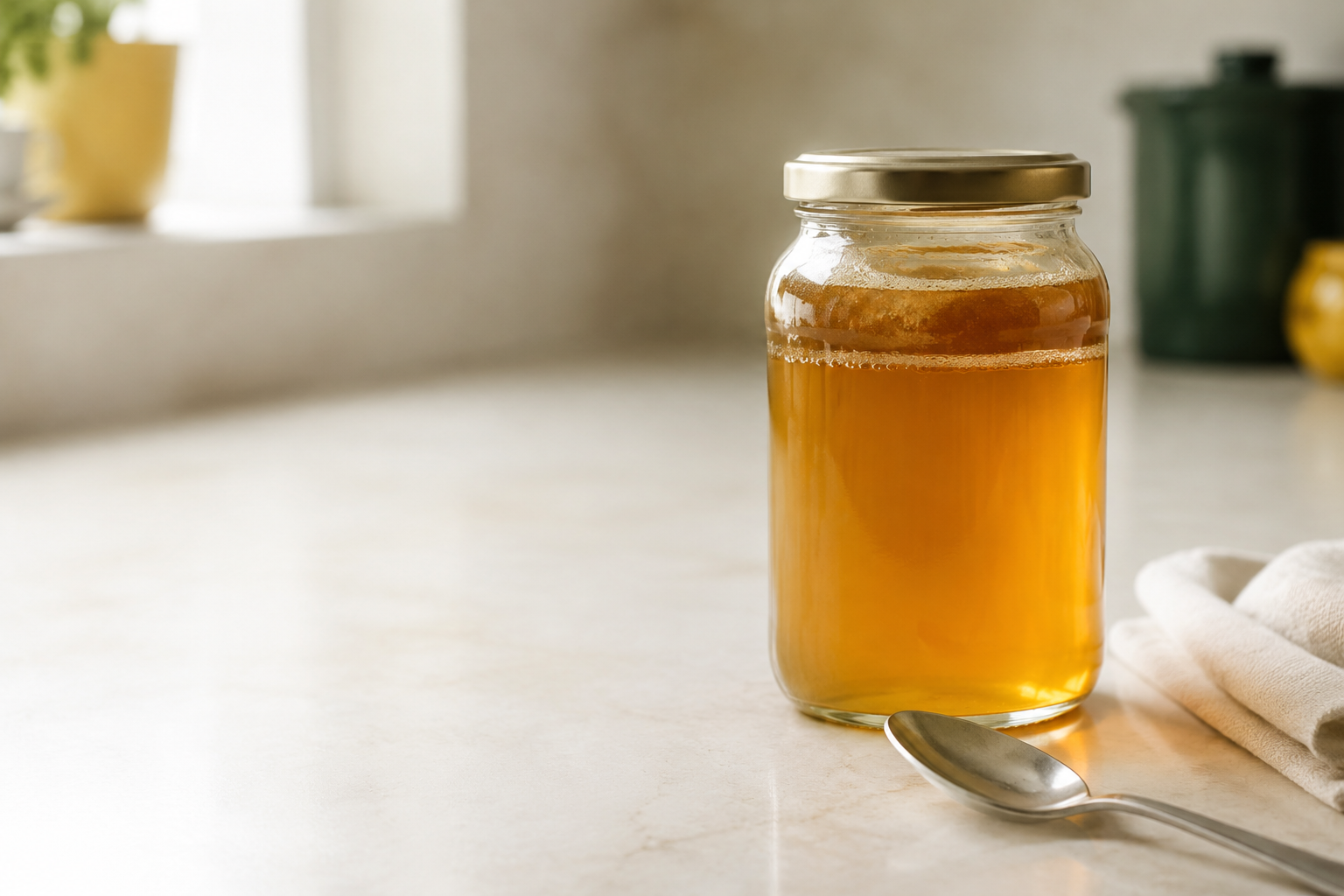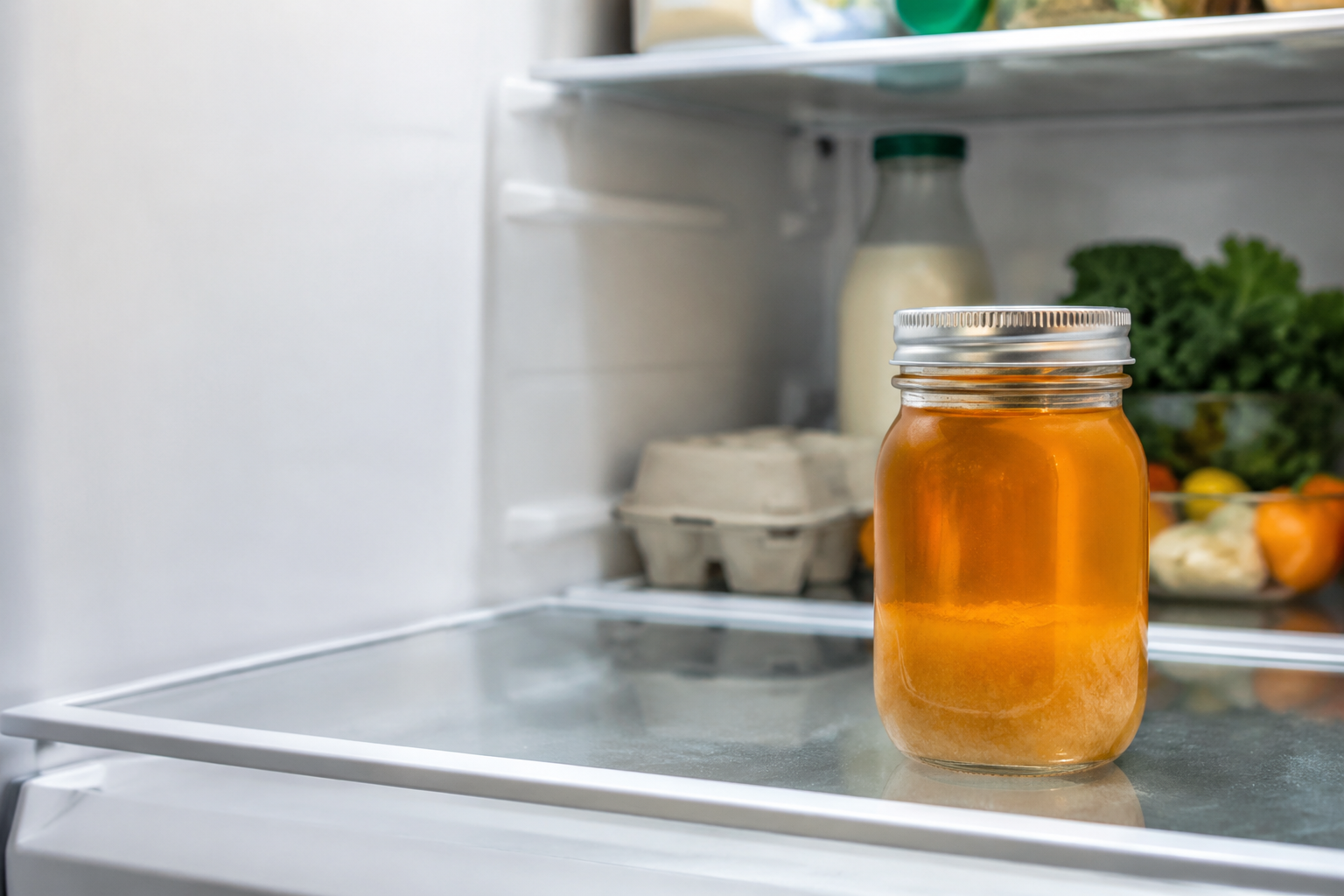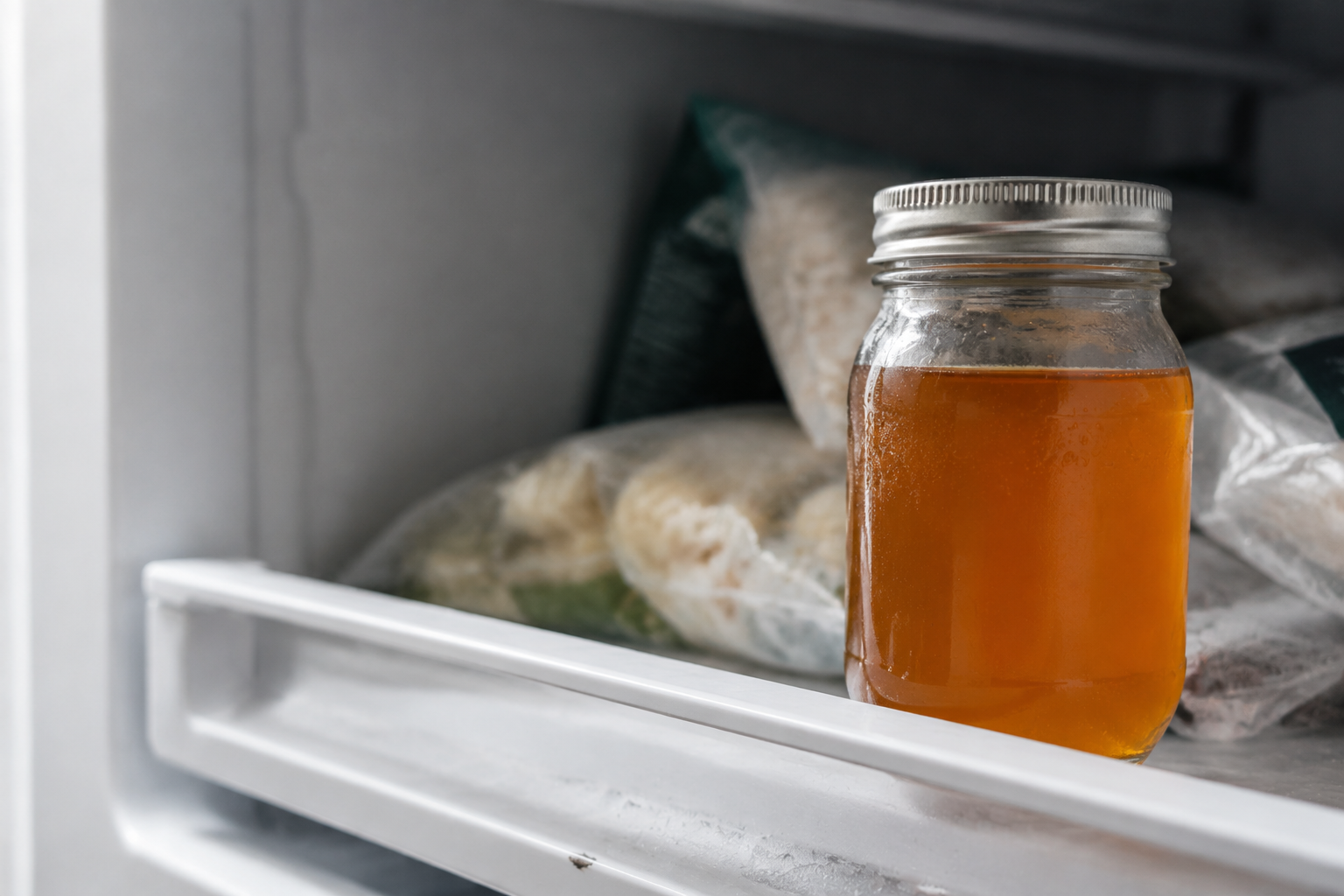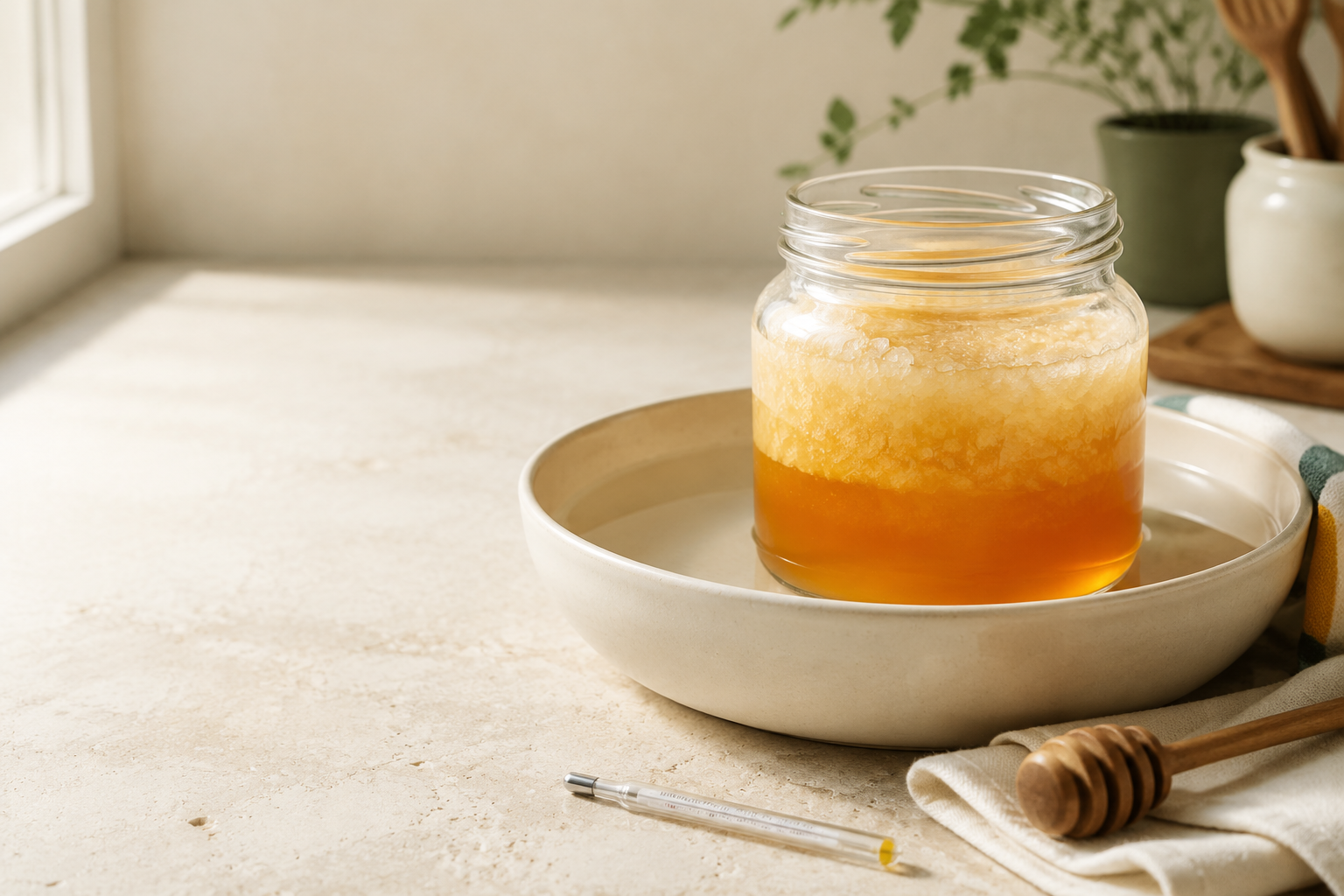
The living world inside every jar.
Follow honey from flower and landscape to hive and table. Explore carefully organized field guides, practical beekeeping knowledge and the science of bees.
Start exploring: Types of Honey · Honey Around the World · Honey Bees
Choose a topic
Types of Honey
Compare floral sources, flavors and forms.
Honey Around the World
Discover how regions, climates and traditions shape honey.
Honey Bees
Learn how colonies live, communicate and support pollination.
Beekeeping
Explore responsible, practical guidance for getting started.
LATEST FROM HIVETOHONEY
Discover our newest guide
Explore the latest addition to HiveToHoney, with clear information, useful comparisons, and a deeper look at the world of honey and bees.

Fir Honey: Flavor, Benefits & Why Greek Fir Honey Is So Unique
Fir honey is one of the most distinctive honey varieties produced in Greece and other mountainous Mediterranean regions. Unlike common floral honeys such as
Also just published

Fir Honey: Flavor, Benefits & Why Greek Fir Honey Is So Unique
Fir honey is one of the most distinctive honey varieties produced in Greece and other

Pine Honey: Benefits, Flavor Profile & Why Greek Pine Honey Is Unique
Pine honey is one of the most distinctive honey varieties in the Mediterranean region. Unlike

Thyme Honey: Benefits, Flavor Profile & Why Greek Thyme Honey Is So Special
Thyme honey is one of the most aromatic and distinctive honey varieties in the world.
03
Beekeeping & Harvesting
Explore practical, responsible guidance for managing bees and harvesting honey.
The flagship guide
Find the right honey for your taste and purpose
The complete Types of Honey guide
Move beyond generic lists. Compare familiar honeys such as clover and wildflower with distinctive varietals including buckwheat, mānuka and tupelo—then follow each entry into a focused guide.
Use it to: choose a flavor profile, understand a label, compare texture and crystallization, or explore honey by region.
Build your honey profile
Four ways to compare
Flavor
Mild, floral, fruity, earthy or bold.
Source
Floral, regional and honeydew origins.
Texture & form
Liquid, creamed, crystallized, or comb.
Form & label
Raw, creamed, comb, filtered and graded.
Choose your path
What do you want to understand?
Flavor & variety
Find mild, bold, floral, fruity and earthy profiles.
Processing & purity
Understand handling terms without marketing confusion.
Grades & labels
Learn what grades measure—and what they do not prove.
Texture, form & storage
Keep honey well and understand normal texture changes.
Popular varietals
Five distinctive honeys worth exploring
Every honey reflects its floral source, growing region, season and production. Explore five distinctive varieties through their flavor, origin, texture and defining characteristics.
Clover Honey
Mild, familiar and remarkably versatile.
Wildflower Honey
A seasonal expression of local flowers and landscapes.
Buckwheat Honey
Dark, malty and distinctly robust.
Mānuka Honey
Understand UMF, MGO, research and value.
Tupelo Honey
A rare southeastern U.S. honey known for slow crystallization.
Regional field guides
Explore honey by region
Canada
Regional flowers, climates and honey traditions.
United States
Distinct landscapes, floral sources and regional varieties.
Worldwide library
Browse every available country and regional guide.
Honey around the world
How place shapes honey
Climate, local flowers, geography and beekeeping traditions influence every harvest. Explore honey by country and region while remembering that flavor and character can vary even within the same area.
Explore bee life
Bees are more than honey makers
Discover how honey bees communicate, divide their work, develop through each life stage and support pollination. Explore colony biology and the essential role bees play in wider ecosystems.
Inside a colony
Colony roles
Meet queens, workers and drones.
Pollination
Discover how bees support plants, ecosystems and food production.
Bee biology
Explore behavior, development and communication.
Practical learning
Beekeeping and harvesting, clearly explained
Responsible beekeeping begins with preparation, local regulations, practical guidance and careful attention to colony health—not simply equipment and honey production.
Beekeeping fundamentals
Understand the responsibilities of keeping bees before getting started.
Equipment & supplies
Learn what is essential, what is optional and what can wait.
Choosing a hive
Compare common hive styles, their advantages and practical trade-offs.
Harvesting priorities
Protect the colony first
Readiness
Confirm adequate stores and mature comb.
Clean handling
Use food-safe equipment and good records.
Responsible yield
Take only what the colony can spare.
From hive to jar
Follow the honey-harvesting process while keeping colony health, adequate food reserves, timing, cleanliness and local requirements at the center of every decision.
- Confirm readiness and sufficient stores.
- Remove bees carefully using appropriate methods.
- Uncap and extract in a clean environment.
- Settle, strain and package according to the intended product.
- Record the harvest for traceability.
Evidence before hype
Honey benefits, nutrition and safety
Honey is a valued food with a long history, but broad claims should not outrun the evidence. Our guides separate established uses, emerging research, traditional practice and marketing language.
- Honey is primarily sugars and water.
- Results from one honey cannot automatically be applied to every jar.
- Never give honey to a child younger than 12 months.
- Food-grade honey is not a substitute for sterile medical honey or professional care.
How we assess claims
Read claims with context
Established
Supported by reliable guidance or strong evidence.
Emerging
Promising, but limited or still developing.
Important distinction
Food-grade honey is not the same as sterile medical-grade honey.
A wider conservation lens
Habitat
Protect nesting areas and connected forage.
Forage diversity
Support varied blooms throughout the seasons.
Responsible action
Match conservation efforts to the needs of wild and managed bees.
Protecting pollinators
Understanding leads to better conservation
Protecting bees requires more than one solution. Habitat, seasonal forage, pesticide exposure, climate, disease and responsible management affect wild bees and managed honey bees in different ways.
FRESH FROM THE JOURNAL
Latest honey and bee guides
Discover newly published guides, practical explainers and recently updated articles from across Hive To Honey.

Fir Honey: Flavor, Benefits & Why Greek Fir Honey Is So Unique
Fir honey is one of the most distinctive honey varieties produced in Greece and other mountainous Mediterranean regions. Unlike common floral honeys such as clover

Pine Honey: Benefits, Flavor Profile & Why Greek Pine Honey Is Unique
Pine honey is one of the most distinctive honey varieties in the Mediterranean region. Unlike nectar-based honeys such as clover or thyme honey, pine honey

Thyme Honey: Benefits, Flavor Profile & Why Greek Thyme Honey Is So Special
Thyme honey is one of the most aromatic and distinctive honey varieties in the world. Produced primarily in Mediterranean regions — especially Greece — this

Kanuka Honey: Benefits, Uses & How It Compares to Manuka
Introduction Kanuka honey is a native New Zealand honey that is often compared to the more famous Manuka honey. While both originate from closely related

Is Canadian Honey Different from Imported Honey? What You Should Know
Honey is sold all over the world, and jars often look similar on the shelf. But where honey comes from can make a meaningful difference

How Climate Affects Honey Production in Canada
Climate plays a major role in how honey is produced, and in a country as large and varied as Canada, climate differences shape everything from
Why trust HiveToHoney?
Clear sources. Honest context. Better understanding.
Hive To Honey makes complex topics about honey, bees and beekeeping easier to understand without oversimplifying the science or exaggerating potential benefits. Important factual claims are supported by reputable scientific, government, academic and industry-primary sources.
Fresh honey and bee knowledge, delivered
New guides, seasonal discoveries and practical resources—sent occasionally and without the inbox clutter.
Occasional emails. Unsubscribe anytime.
Choose where to go next
Explore honey varieties, discover the lives of bees or learn the fundamentals of responsible beekeeping.
Types of Honey
Compare floral sources, flavors, textures and distinctive varieties from around the world.
The World of Bees
Meet honey bees and explore colony roles, behavior, communication, biology and pollination.
Beekeeping Guides
Learn responsible fundamentals, equipment, hive choices, colony care and harvesting practices.