Propolis and Its Benefits: Hive Uses, Types, Evidence and Safety
Propolis is a sticky, resin-rich material that honey bees make from plant substances, wax and their own processing. Colonies use it to seal narrow gaps, smooth surfaces and reinforce the protective envelope around the nest.
This evidence-led guide explains how bees make propolis, why its chemistry changes by region, the differences among raw propolis, extracts and finished products, what laboratory and human research actually shows, and the allergy and product-quality issues consumers should understand.
What is propolis used for?
Inside a colony, propolis is principally a construction and nest-hygiene material. Human products include extracts, sprays, lozenges, creams and balms, but proposed health benefits vary in evidence and cannot be generalized across chemically different products.
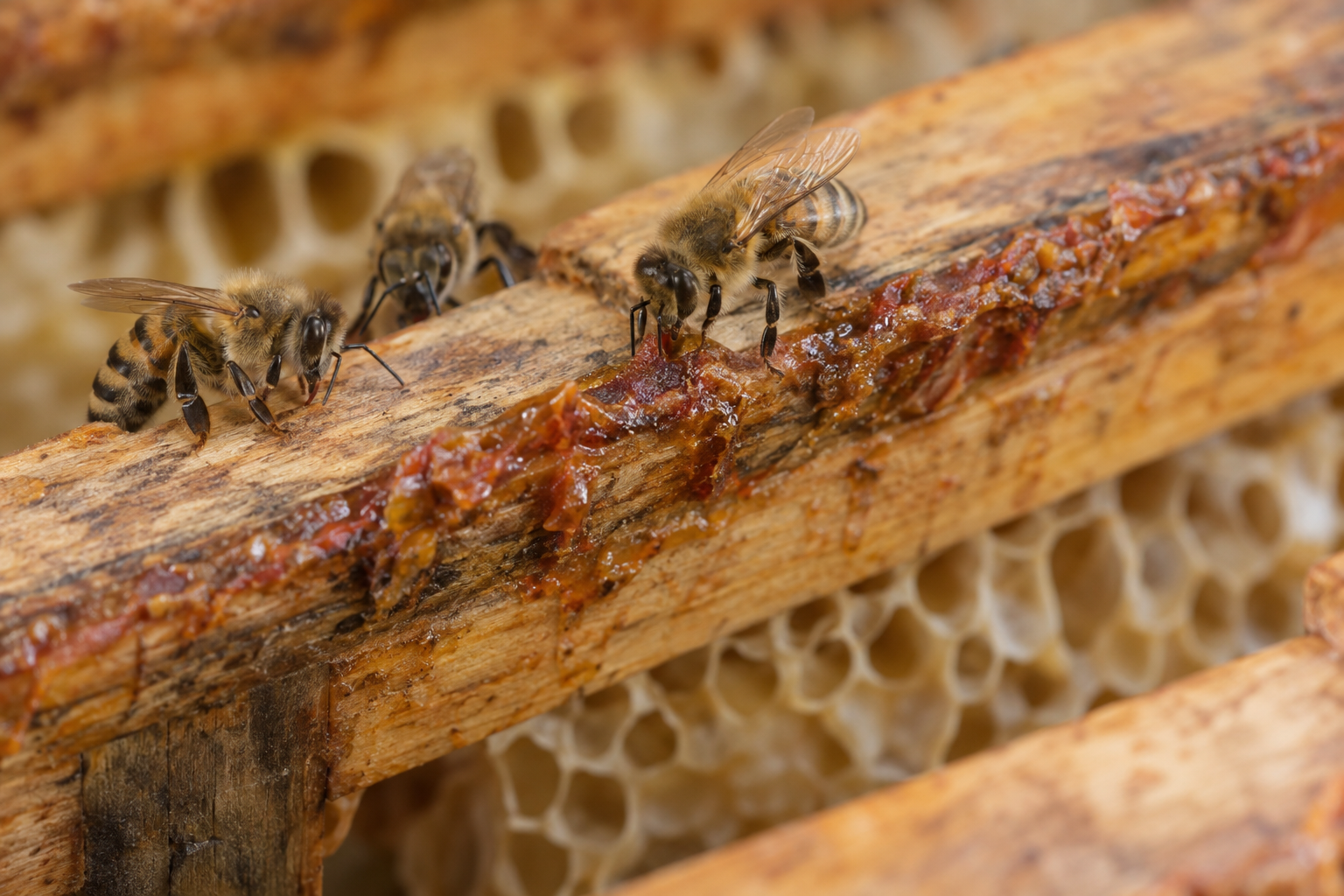
Worker honey bees place sticky plant-derived propolis along narrow seams and rough surfaces inside the hive. Its color and texture change with local vegetation and temperature.
Propolis—from plant resin to the protective hive envelope
Contents
What is propolis?
Foraging workers collect sticky substances from buds, bark, plant wounds and other resinous sources. Bees transport the material to the colony and combine or modify it with wax and secretions. The finished propolis may be soft and tacky when warm or hard and brittle when cool.
Colonies use propolis to fill small openings, stabilize components, reduce unwanted drafts and coat parts of the nest cavity. A thin resinous layer across interior surfaces is sometimes called a propolis envelope.
Plant resins and exudates
Available vegetation strongly influences color, aroma and chemistry.
Collected and modified
Propolis is not simply scraped tree resin; bees transport and work the material.
Sealing and surface protection
Workers use it as part of the colony’s physical and biological nest environment.
Propolis versus beeswax, honey, pollen and royal jelly
All are associated with honey bees, but they differ in origin, composition and colony function.
| Bee product | Main origin | Primary colony role | Common human use |
|---|---|---|---|
| Propolis | Plant resins modified and mixed by bees | Seal gaps, coat surfaces and reinforce the nest environment | Extracts, sprays, lozenges, creams and balms |
| Beeswax | Secreted by worker wax glands | Build brood and food-storage comb | Candles, cosmetics, polishes and food coatings |
| Honey | Floral nectar or honeydew transformed and concentrated by bees | Colony carbohydrate reserve | Food and sweetener |
| Bee pollen | Plant pollen gathered and packed by foragers | Source material for protein-rich colony nutrition | Food or supplement ingredient |
| Royal jelly | Glandular secretion from nurse bees | Larval and queen nutrition | Fresh, freeze-dried or formulated products |
Bottom line: evidence or safety information for one bee product should not automatically be applied to another.
How honey bees make and use propolis
Specialized foragers collect sticky plant material, work it with their mouthparts and load it into the corbiculae on their hind legs. Other workers may help unload the difficult resin inside the colony. The material is then pressed into cracks, joints and rough surfaces.
Propolis use differs among honey bee populations and nest environments. In tree cavities, bees may coat much of the interior wall; smooth manufactured hive boxes can provide fewer triggers for that natural envelope.
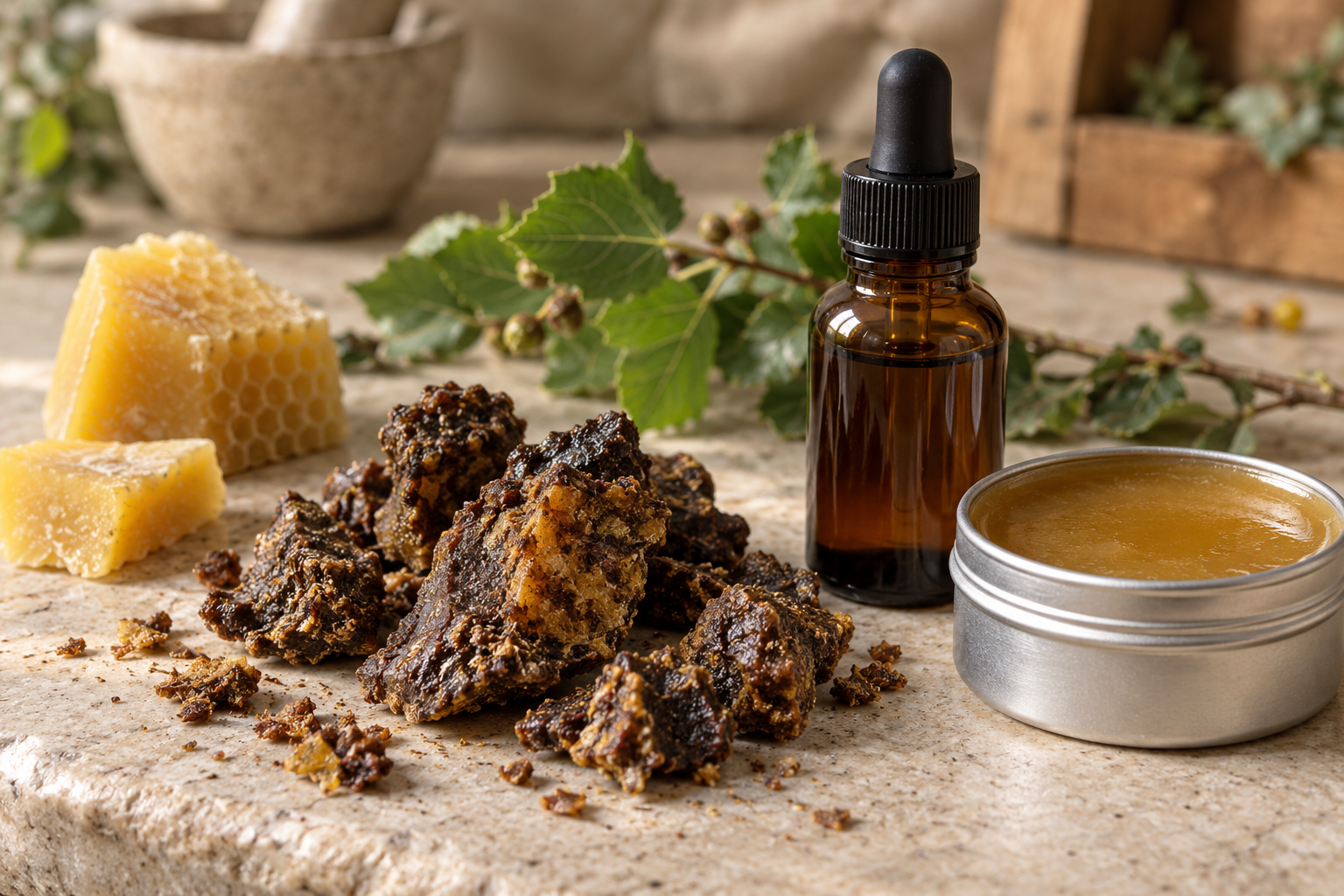
Raw propolis may be processed into extracts, sprays, lozenges, creams or balms. These forms are not interchangeable because solvents, concentration and formulation alter the final product.
Types, colors and botanical variation
Researchers have identified hundreds of compounds across propolis samples, including phenolic acids, flavonoids, aromatic compounds, terpenes and wax-related substances. The actual profile depends on local plants, bee species, season, geography and extraction method.
Temperate-region propolis
Often associated with poplar-derived resins and caffeic-acid-related compounds.
Baccharis-associated material
Frequently studied for compounds including artepillin C, but individual extracts still require analysis.
Distinctive red botanical sources
Its color and profile differ from green and temperate propolis.
Regional resin profiles
Conifers, shrubs and other plants can contribute different terpenes and phenolics.
Yellow-brown to green, red or dark brown
Appearance provides context but cannot authenticate source or potency by itself.
Extract-specific evidence
A clinical result from one characterized extract may not apply to a different regional product.
Raw propolis, tinctures, water extracts and topical products
Raw propolis contains resinous compounds, wax, plant debris and other hive material. Manufacturers use alcohol, water, oils or specialized processes to extract different fractions. Solvent, ratio, temperature, duration and final concentration influence composition.
| Form | What it is | What to verify |
|---|---|---|
| Raw pieces | Cleaned but minimally processed hive material | Origin, cleanliness and intended use |
| Alcohol extract or tincture | Alcohol-soluble compounds in a liquid base | Extract ratio, alcohol content, serving directions and warnings |
| Water-based extract | A different soluble fraction without the same profile as ethanol extracts | Concentration, stability and product-specific evidence |
| Lozenge or spray | Propolis combined with sweeteners, flavorings or other ingredients | Full ingredient list, dose and allergen information |
| Cream, ointment or balm | Topical formulation containing propolis extract or raw material | Concentration, other allergens and instructions for skin use |
A percentage on the front label may describe raw input, extract or finished-product concentration. Transparent manufacturers explain which one it means.
Potential propolis benefits and the strength of evidence
Laboratory studies commonly report antimicrobial, antioxidant and anti-inflammatory activity for particular propolis extracts. Animal research and small human trials have explored oral health, skin and wound applications, respiratory symptoms, metabolic markers and other outcomes.
However, study products, doses and compositions vary; many trials are small or short; and findings from cells or animals cannot establish effectiveness in people. Propolis is not approved simply by tradition or laboratory activity as a cure for infections, cancer, diabetes, allergies or other diseases.
Contact reactions, pollen sensitivity, interactions and responsible buying
Propolis is a recognized contact allergen and can cause dermatitis or other allergic reactions. The National Center for Complementary and Integrative Health notes that people with pollen allergies may also react to bee products including propolis. Stop using a product and seek appropriate care if concerning symptoms develop.
- Read every ingredient: sprays, lozenges and balms can contain alcohol, fragrances, essential oils, sweeteners or additional allergens.
- Look for traceability: botanical or geographic origin, batch identification and a responsible manufacturer improve accountability.
- Prefer characterized extracts: concentration and extraction method matter when evaluating evidence.
- Avoid disease-treatment promises: strong medical claims require appropriate authorization and clinical evidence.
- Ask before use: pregnancy, breastfeeding, childhood, allergies, asthma, medication use, surgery or chronic conditions require individualized professional advice.
- Do not place ordinary products in serious wounds: consumer propolis is not a sterile medical dressing.
Related propolis and bee-product guides
Understand the other substances bees make, collect and use inside the colony.
Beeswax and Its Uses
Learn how workers produce wax and turn it into comb.
Pollen and Its Nutritional Value
Follow pollen from flower to the colony’s protein-rich food system.
Honey Bee Anatomy
See how worker legs, mouthparts and glands support hive construction.
Relevant hive products, bee biology and evidence guides
Continue with current Hive To Honey articles covering beeswax, pollen, honey production, colony health and responsible product claims.
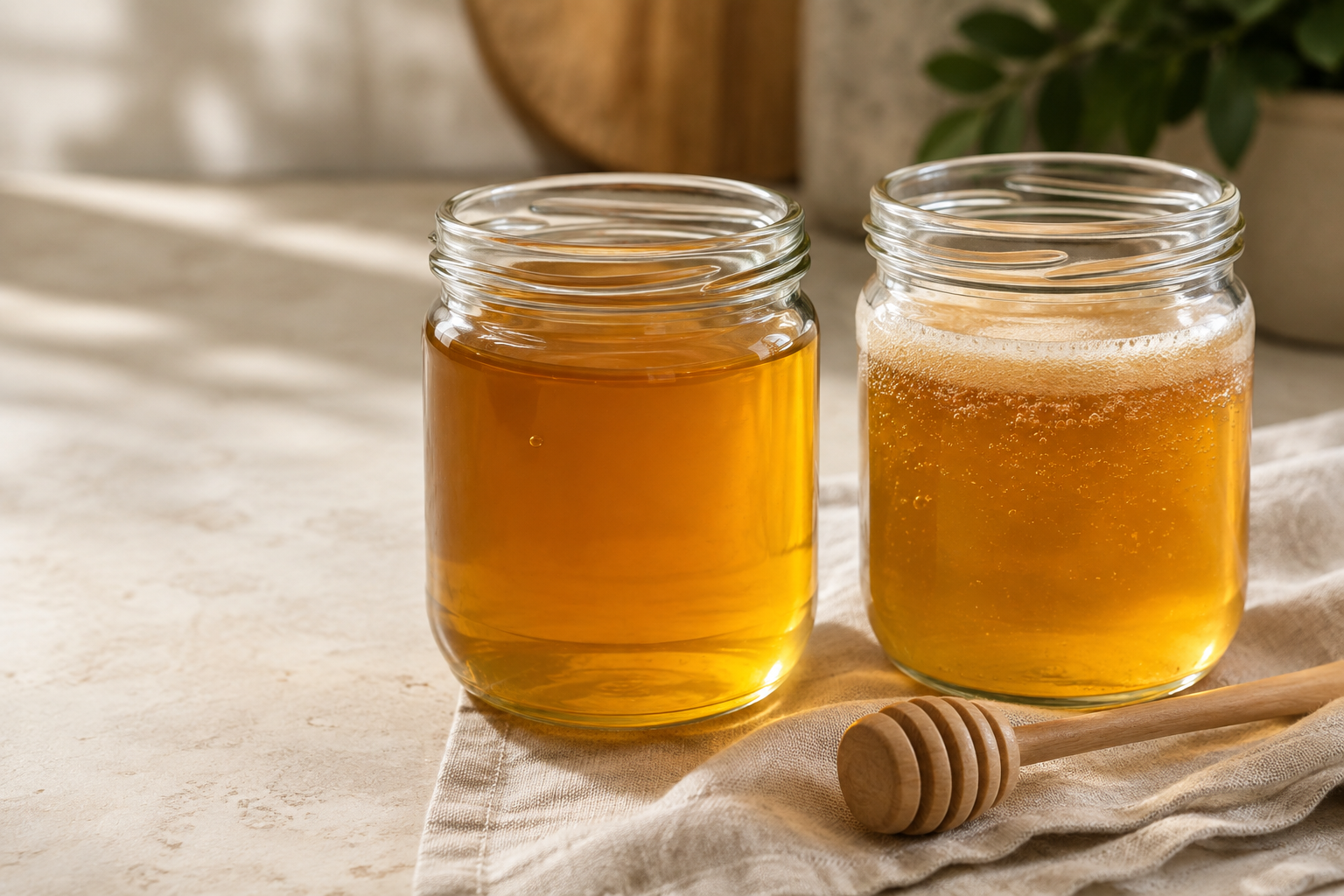
Why Is My Honey Foamy? Bubbles, Wax or Fermentation Explained
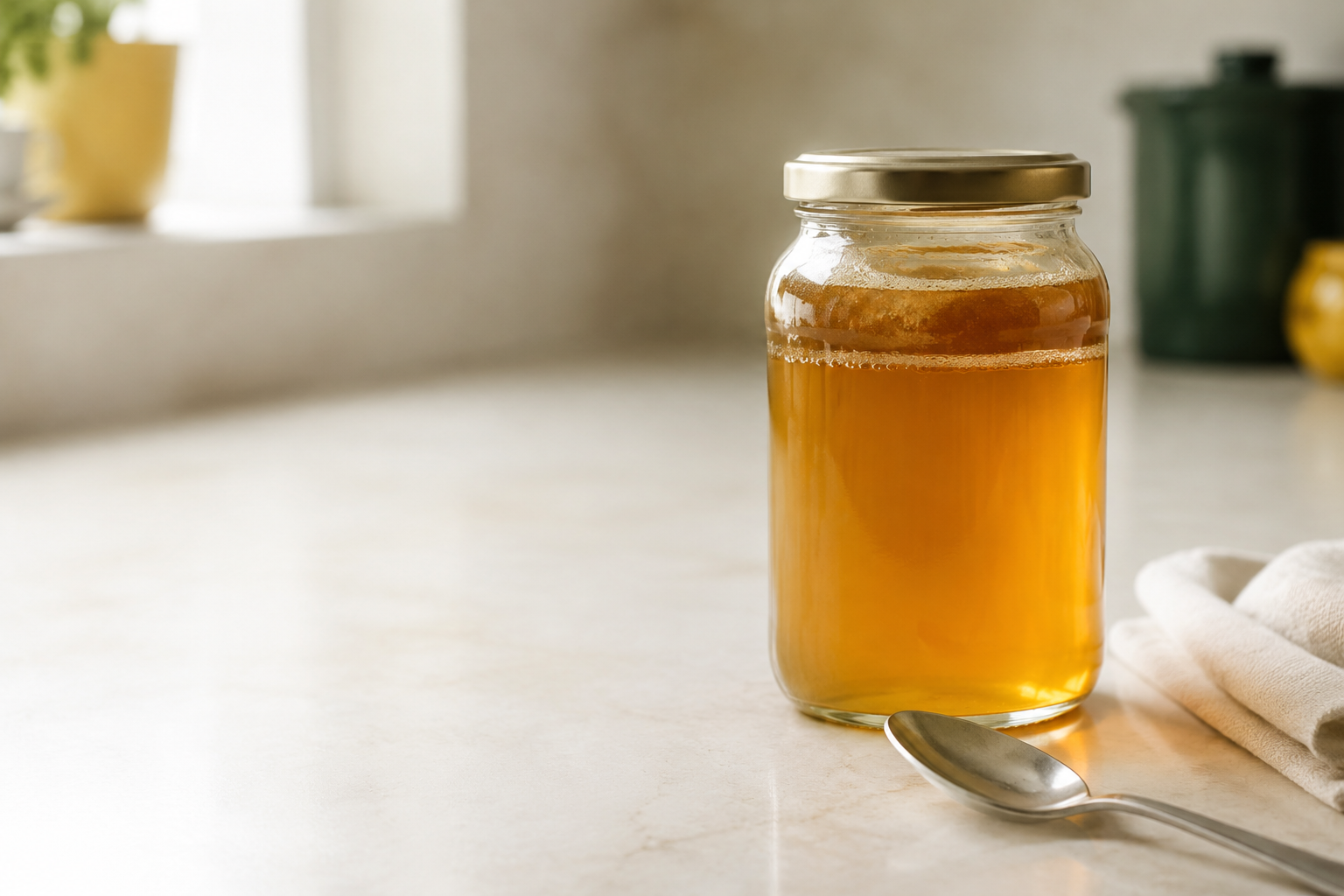
THE COMPLETE HONEY FOAM GUIDE Why Is My Honey Foamy? Bubbles, Wax or Fermentation Explained Foam on honey is not automatically spoilage.
Why Does Honey Ferment? Signs, Causes and Prevention
THE COMPLETE HONEY FERMENTATION GUIDE Why Does Honey Ferment? Signs, Causes and Prevention Unintended honey fermentation usually begins when yeasts can use
Does Honey Need to Be Refrigerated? What Happens in the Fridge
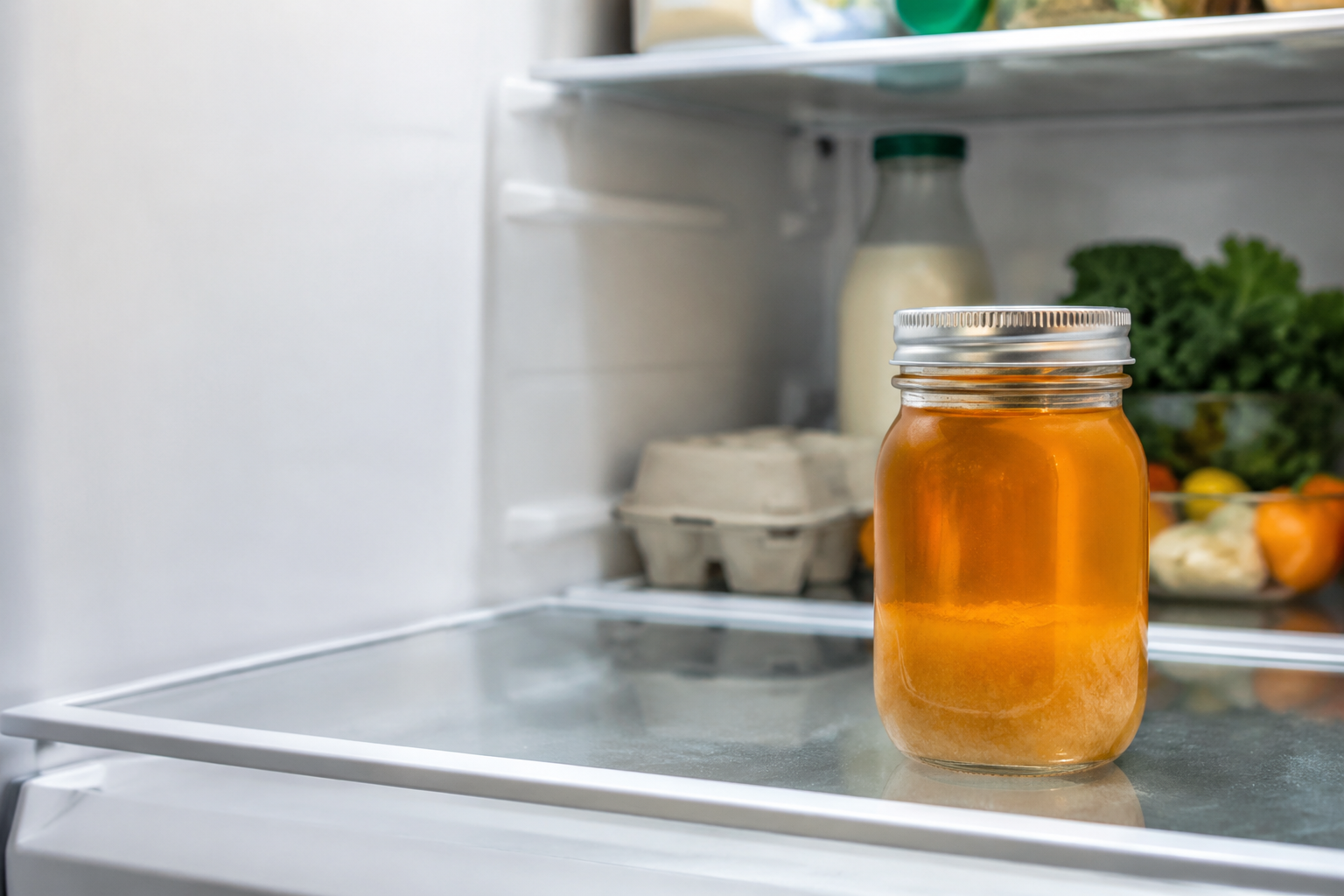
THE COMPLETE COLD-STORAGE GUIDE Does Honey Need to Be Refrigerated? What Happens in the Fridge Plain honey usually belongs in a dry
Propolis and its benefits: frequently asked questions
What is propolis made from?
It is a variable mixture based largely on plant resins and exudates that bees collect, transport and modify with wax and secretions. Composition changes with plants, place and season.
What do bees use propolis for?
Honey bees use it to seal small gaps, smooth and coat internal surfaces and contribute to the protective nest environment.
Is propolis the same as beeswax?
No. Workers secrete beeswax to build comb. Propolis begins mainly with external plant resins and is used largely for sealing and surface treatment.
Does propolis have proven health benefits?
Specific extracts show biological activity in laboratories, and limited human trials have explored several uses. Evidence is not strong or standardized enough to generalize broad treatment claims across all products.
Can propolis cause an allergic reaction?
Yes. Propolis is a recognized contact allergen and may also concern people sensitive to pollen or other bee products.
How should I choose a propolis product?
Look for origin, extraction method, concentration, full ingredients, batch information, storage directions and appropriately restrained claims. Consider professional advice when health conditions, medications or allergies are involved.
Research, regulation and allergy sources
- National Center for Complementary and Integrative Health. Seasonal Allergies at a Glance.
- National Library of Medicine, LiverTox. Bee Products: Beeswax, Bee Pollen and Propolis.
- National Library of Medicine, PubMed Central. Honey, Propolis and Royal Jelly: A Comprehensive Review.
- National Library of Medicine, PubMed Central. Anti-allergic properties of propolis: evidence and limitations.
- European Medicines Agency. Regulatory questions concerning propolis.
- U.S. Food and Drug Administration. Dietary supplement regulation and safety.
Propolis varies by source and extraction method. Product-specific evidence and local regulatory requirements must be assessed separately.
Explore the materials that make a colony work
Continue into beeswax, pollen, honey production and the biological systems behind a resilient honey bee nest.
Explore all bee guides →