Honey By Country: Discover Honey Varieties Around the World
🌎 Discovering Honey Varieties Across the Globe 🍯
Introduction
Honey reflects the landscape where bees forage. Climate, native plants, soil conditions, and seasonal nectar flows all influence flavor, color, texture, and nutritional composition.
Because of this, honey from different countries can taste dramatically different — even when harvested from similar floral sources.
In this guide, we explore honey production around the world, highlighting the unique characteristics that define each region.
Whether you’re curious about Manuka honey from New Zealand, eucalyptus honey from Australia, or thyme honey from Greece, this global overview will help you understand how geography shapes honey.
Why Geography Matters in Honey Production
Honey is deeply connected to terroir — a term often used in wine production to describe how environment influences taste.
Several factors shape honey by country:
Native flowering plants
Climate patterns
Soil composition
Beekeeping traditions
Seasonal bloom cycles
As a result, honey from Mediterranean regions tends to be herbal and aromatic, while honey from colder climates may develop lighter, more delicate notes.
Geography does not just affect flavor. It also influences antioxidant levels, mineral content, and floral complexity.
Honey by Continent
Below, you’ll find honey-producing countries grouped by region.
🇨🇦 Canada
Canada produces a wide range of honey varieties, including clover, wildflower, blueberry, and buckwheat honey. Due to colder climates and vast floral diversity, Canadian honey often features clean sweetness and balanced flavor.
Explore:
Canada Honey Guide
🇺🇸 United States
The United States produces honey across diverse ecosystems, from orange blossom honey in Florida to alfalfa honey in the Midwest. Regional variation plays a major role in American honey diversity.
Explore:
United States Honey Guide
🇳🇿 New Zealand
New Zealand is globally known for Manuka honey, one of the most researched and commercially valuable honey varieties in the world. The country’s isolated ecosystem contributes to its unique floral profile.
Explore:
New Zealand Honey Guide
🇦🇺 Australia
Australia produces eucalyptus honey, leatherwood honey, and other distinctive varieties influenced by native flora. Many Australian honeys offer bold, herbal characteristics.
Explore:
Australia Honey Guide
🇬🇷 Greece
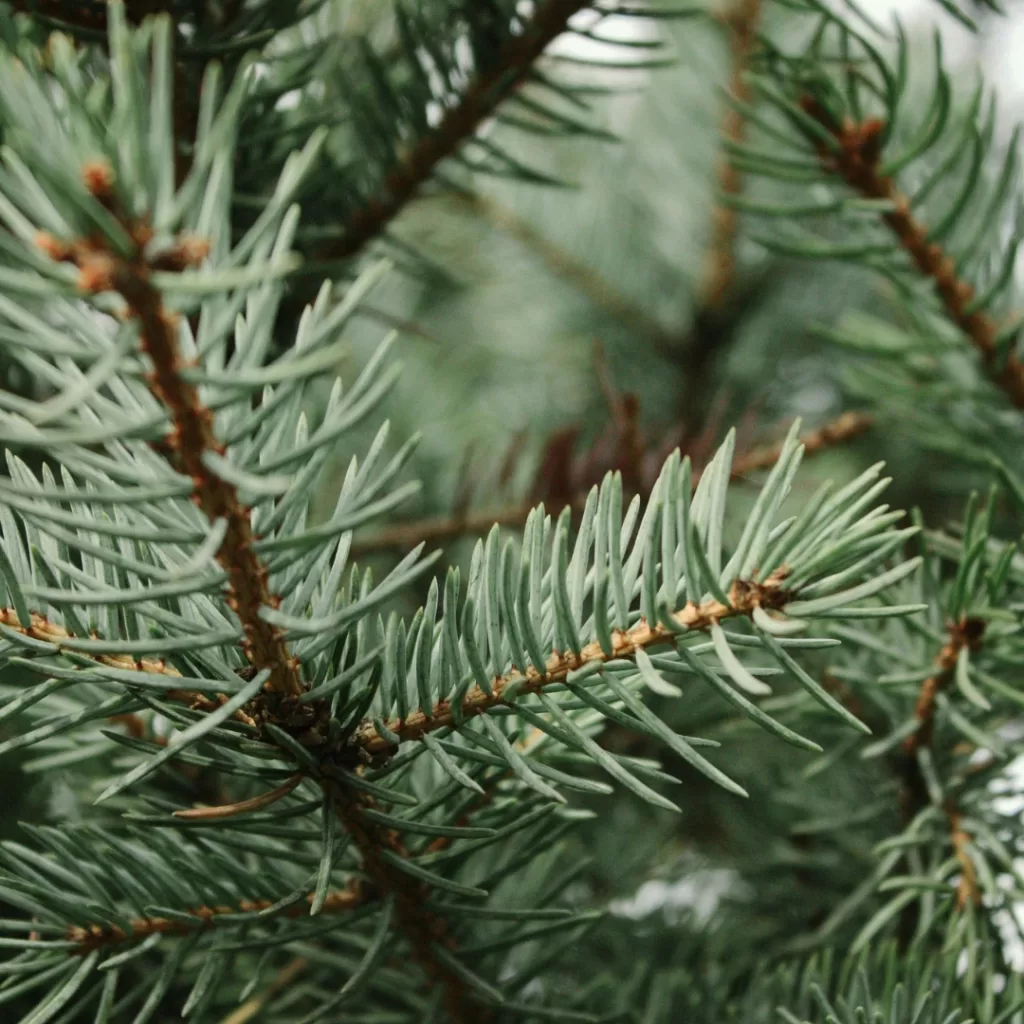
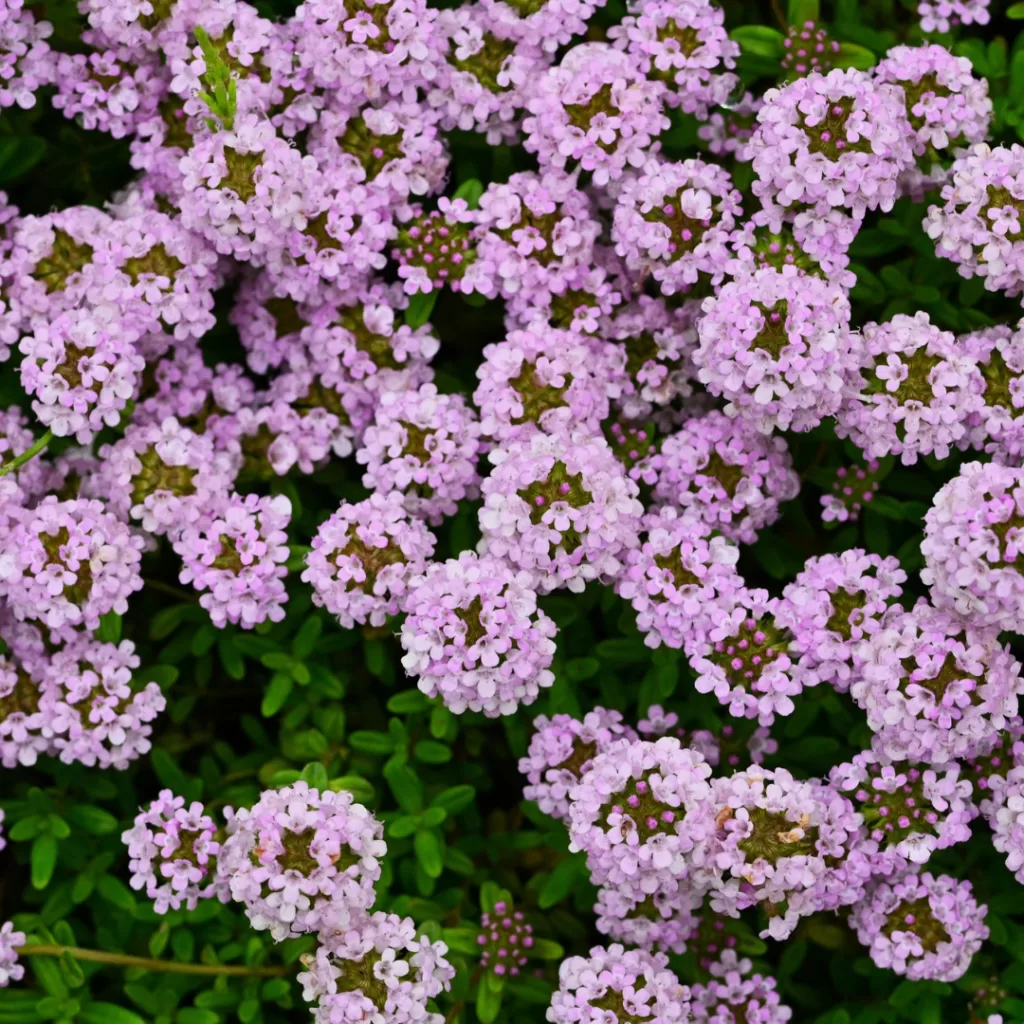
Greek honey frequently features thyme, pine, and wild herb influences. Mediterranean climates produce aromatic, slightly resinous honey profiles.
Explore:
Greece Honey Guide
🇫🇷 France
French honey reflects regional diversity, including lavender honey from Provence and chestnut honey from forested areas. French beekeeping traditions date back centuries.
Explore:
France Honey Guide
🇨🇳 China
China is one of the world’s largest honey producers. The country offers a broad range of honey varieties influenced by large-scale agricultural and wild floral landscapes.
Explore:
China Honey Guide
🇯🇵 Japan
Japanese honey often includes rare floral sources, reflecting unique island ecosystems and seasonal bloom cycles.
Explore:
Japan Honey Guide
🇮🇳 India
India produces multifloral and forest honeys influenced by tropical and subtropical environments. Regional honey varieties vary widely across the country.
Explore:
India Honey Guide
🇿🇦 South Africa
South African honey reflects rich biodiversity and varied climates. Floral diversity creates distinct regional honey profiles.
Explore:
South Africa Honey Guide
🇧🇷 Brazil
Brazilian honey production benefits from tropical biodiversity, producing unique and complex flavor profiles.
Explore:
Brazil Honey Guide
🇦🇷 Argentina
Argentina is a major global honey exporter. Its vast agricultural regions contribute to large-scale honey production.
Explore:
Argentina Honey Guide
🇲🇽 Mexico
Mexican honey often includes tropical floral sources, contributing to distinctive sweetness and aroma.
Explore:
Mexico Honey Guide
🇪🇹 Ethiopia
Ethiopia is known for forest and wild honey varieties, often produced using traditional beekeeping methods.
Explore:
Ethiopia Honey Guide
🇭🇺 Hungary
Hungary produces acacia honey, one of Europe’s most prized light honey varieties.
Explore:
Hungary Honey Guide
🇷🇴 Romania
Romania offers forest and meadow honeys influenced by rich biodiversity.
Explore:
Romania Honey Guide
🇸🇮 Slovenia
Slovenia has a strong beekeeping culture and produces high-quality regional honey varieties.
Explore:
Slovenia Honey Guide
🇹🇷 Turkey
Turkey produces pine honey and diverse regional varieties shaped by Mediterranean and mountainous climates.
Explore:
Turkey Honey Guide
🇺🇦 Ukraine
Ukraine is a major honey exporter, producing sunflower and multifloral honey varieties.
Explore:
Ukraine Honey Guide
How Honey by Country Connects to Honey Varieties
While geography influences flavor, floral source determines honey type. For example:
New Zealand → Manuka honey
Greece → Thyme honey
Canada → Clover & Buckwheat honey
Australia → Eucalyptus honey
If you want to explore honey by floral source instead of region, visit our complete guide to honey varieties.
Frequently Asked Questions
Which country produces the best honey?
There is no single “best” country. Honey quality depends on floral source, climate, and beekeeping practices.
Is honey from different countries nutritionally different?
Yes. Antioxidant levels, mineral content, and flavor compounds vary by region and floral source.
Does country of origin affect authenticity?
Country labeling helps verify floral origin and production standards, especially for premium varieties like Manuka honey.
Final Thoughts
Honey tells the story of the land where it was produced. From Mediterranean thyme fields to Canadian wildflower meadows, each country contributes unique character to the global honey landscape.
Exploring honey by country allows you to appreciate biodiversity, climate influence, and centuries of beekeeping tradition.
As Hive To Honey continues expanding this global guide, new regions and honey-producing nations will be added.

Beekeeping Basics:
Embark on a flavorful journey as we explore honey varieties from diverse corners of the world! 🌼 From the golden hues of Acacia honey in Europe to the robust flavors of Manuka honey from New Zealand, each honey variety tells a story of its unique terroir and floral sources. 🌸 Explore the delicate sweetness of Lavender honey from France, the citrusy notes of Orange Blossom honey from Florida, and the rich depth of Buckwheat honey from the United States. 🌟 Join us as we celebrate the rich tapestry of honey varieties that adorn our tables and tantalize our taste buds! 🐝
EXPLORING THE WORLD OF HONEY:
Nestled in the pristine landscapes of Europe, Acacia honey reigns supreme with its pale golden hue and delicate, floral flavor. Sourced from the blossoms of Acacia trees, this honey is prized for its lightness and clarity, making it a favorite for drizzling over pastries or sweetening tea.
Across the verdant plains of New Zealand, Manuka honey takes center stage with its distinctive taste and potent medicinal properties. Derived from the Manuka tree’s blossoms, this dark, earthy honey boasts antibacterial and antioxidant qualities, making it a sought-after superfood and a staple in natural remedies worldwide.
In the sun-kissed fields of Provence, France, Lavender honey delights with its subtle floral aroma and smooth, buttery texture. Collected from the fragrant blooms of lavender fields, this honey offers a taste of the region’s tranquil countryside, perfect for pairing with artisanal cheeses or drizzling over fresh fruit.
From the sun-drenched groves of Florida to the expansive orchards of California, Orange Blossom honey captures the essence of citrus in every drop. With its vibrant aroma and tangy-sweet flavor, this honey adds a burst of sunshine to baked goods, marinades, and vinaigrettes, embodying the essence of the American landscape.
In the lush orchards of southern China, Lychee honey emerges as a prized delicacy, distinguished by its rich, floral taste and lingering sweetness. Crafted from the nectar of Lychee blossoms, this honey offers a tropical twist to culinary creations, infusing dishes with its exotic fragrance and nuanced flavor profile.
From the serene lavender fields of France to the rugged landscapes of New Zealand, each honey variety reflects the unique terroir and floral diversity of its region, inviting us to savor the essence of nature’s bounty. Whether enjoyed drizzled over yogurt, paired with cheese, or stirred into a soothing cup of tea, honey transcends borders, uniting us in a celebration of sweetness and diversity.
Explore More HONEY VARIETIES:
🐝 Welcome to a sweet adventure! Honey, the golden nectar beloved across cultures and cuisines, holds within its diverse varieties a world of flavors waiting to be savored. Join us as we embark on a journey around the globe to discover the rich tapestry of honey varieties and the regions that produce them. 🍯
More From The Hive:

Fir Honey: Flavor, Benefits & Why Greek Fir Honey Is So Unique
Fir honey is one of the most distinctive honey varieties produced in Greece and other mountainous Mediterranean regions. Unlike common floral honeys such as clover or wildflower, fir honey belongs to the honeydew category — meaning it is produced from tree secretions rather than flower nectar. This difference gives fir

Pine Honey: Benefits, Flavor Profile & Why Greek Pine Honey Is Unique
Pine honey is one of the most distinctive honey varieties in the Mediterranean region. Unlike nectar-based honeys such as clover or thyme honey, pine honey belongs to a special category known as honeydew honey. This difference gives it a darker color, thicker texture, and more complex flavor profile. Greek pine

Thyme Honey: Benefits, Flavor Profile & Why Greek Thyme Honey Is So Special
Thyme honey is one of the most aromatic and distinctive honey varieties in the world. Produced primarily in Mediterranean regions — especially Greece — this honey develops an intense herbal fragrance and complex flavor profile that sets it apart from milder varieties like clover or wildflower honey. Because wild thyme

Kanuka Honey: Benefits, Uses & How It Compares to Manuka
Introduction Kanuka honey is a native New Zealand honey that is often compared to the more famous Manuka honey. While both originate from closely related plants, Kanuka honey has its own unique properties, flavor profile, and uses. Because Manuka honey dominates global attention, Kanuka honey is sometimes overlooked. However, this

Is Canadian Honey Different from Imported Honey? What You Should Know
Honey is sold all over the world, and jars often look similar on the shelf. But where honey comes from can make a meaningful difference in how it tastes, how it behaves, and how much information you have about its origin. Canadian honey is frequently compared to imported honey, especially

How Climate Affects Honey Production in Canada
Climate plays a major role in how honey is produced, and in a country as large and varied as Canada, climate differences shape everything from honey flavor to texture and harvest timing. Canadian honey is deeply influenced by short growing seasons, cooler temperatures, and regional weather patterns. In this article,