Quick answer: what is tupelo honey?
Tupelo honey is honey produced predominantly from the nectar of tupelo blossoms. The premium honey commonly sold as white tupelo is associated with Nyssa ogeche, a wetland tree native to the southeastern United States.
The best-known commercial harvests come from river and swamp systems in the Florida Panhandle and southern Georgia. Because bees can also visit other flowers during the short bloom, producer location, colony management, weather, harvest timing and testing all influence how closely a batch reflects the desired tupelo profile.
The tree behind the honey
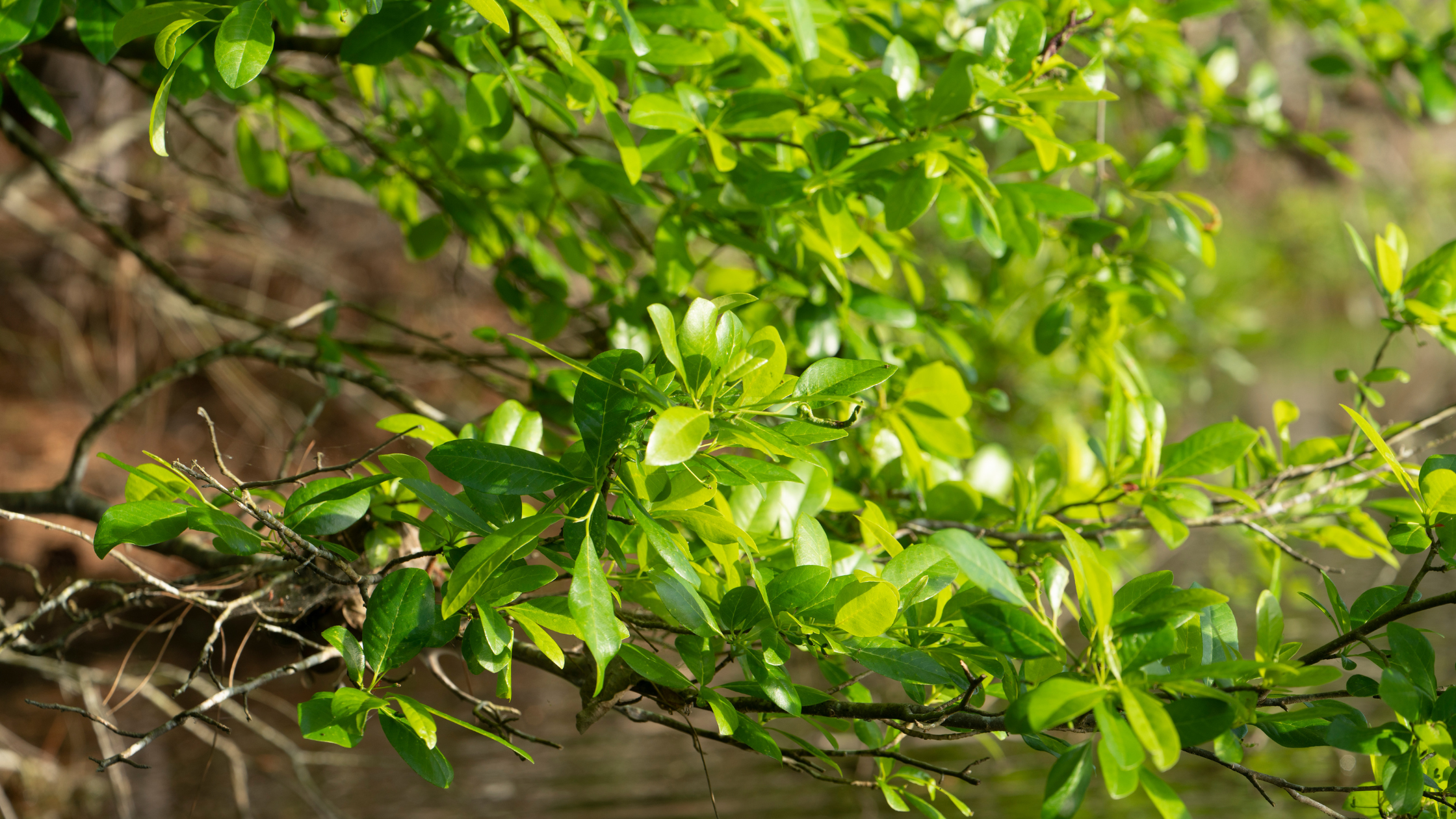
“Tupelo” can refer to several trees in the genus Nyssa. For the celebrated southeastern honey, white tupelo or Ogeechee tupelo (Nyssa ogeche) is the central floral source.
The tree is adapted to seasonally flooded bottomlands. Its connection to water is not a decorative detail: flowering, hive placement, boat access, river levels and spring weather can all affect the harvest.
White tupelo is not every tupelo
Labels and descriptions should distinguish premium white-tupelo honey from honey gathered around other Nyssa species or from mixed spring forage.
A jar’s name alone does not reveal its exact nectar composition. Transparent sourcing is therefore important.
Where authentic tupelo honey comes from
The honey is most strongly associated with the river swamps of the Florida Panhandle and southern Georgia, especially landscapes connected to the Apalachicola, Chipola, Choctawhatchee and Ochlockonee systems. Conditions vary by site and season, so a credible producer should be able to identify the general harvest area and year.
Important correction: tupelo honey is not a signature Brazilian honey. Earlier HiveToHoney content incorrectly connected it with Brazil; this replacement removes that claim.
| Label wording | What it suggests | What to verify |
|---|---|---|
| White tupelo honey | A focus on Nyssa ogeche | Harvest region, producer and batch details |
| Tupelo blend | Tupelo may be one component | What else is blended and whether the label is clear |
| Florida honey | Geographic origin only | It is not automatically tupelo honey |
A short, weather-sensitive harvest
White tupelo generally flowers in spring, but exact timing shifts with latitude and yearly conditions. Beekeepers position colonies near suitable waterways and manage supers around the bloom to reduce carryover from earlier nectar flows and limit mixing with later forage.
Rain, cold, wind, flooding, bloom overlap and colony strength can change both yield and composition. Scarcity is therefore partly ecological and partly logistical.
From bloom to jar
- Prepare colonies before the bloom.
- Place hives near productive wetland stands.
- Monitor bloom and weather during the narrow nectar flow.
- Remove ripe frames at the appropriate time.
- Extract and package with traceable batch information.
“Raw” and “tupelo” describe different attributes. Read the raw vs. processed honey guide.
What does tupelo honey taste like?
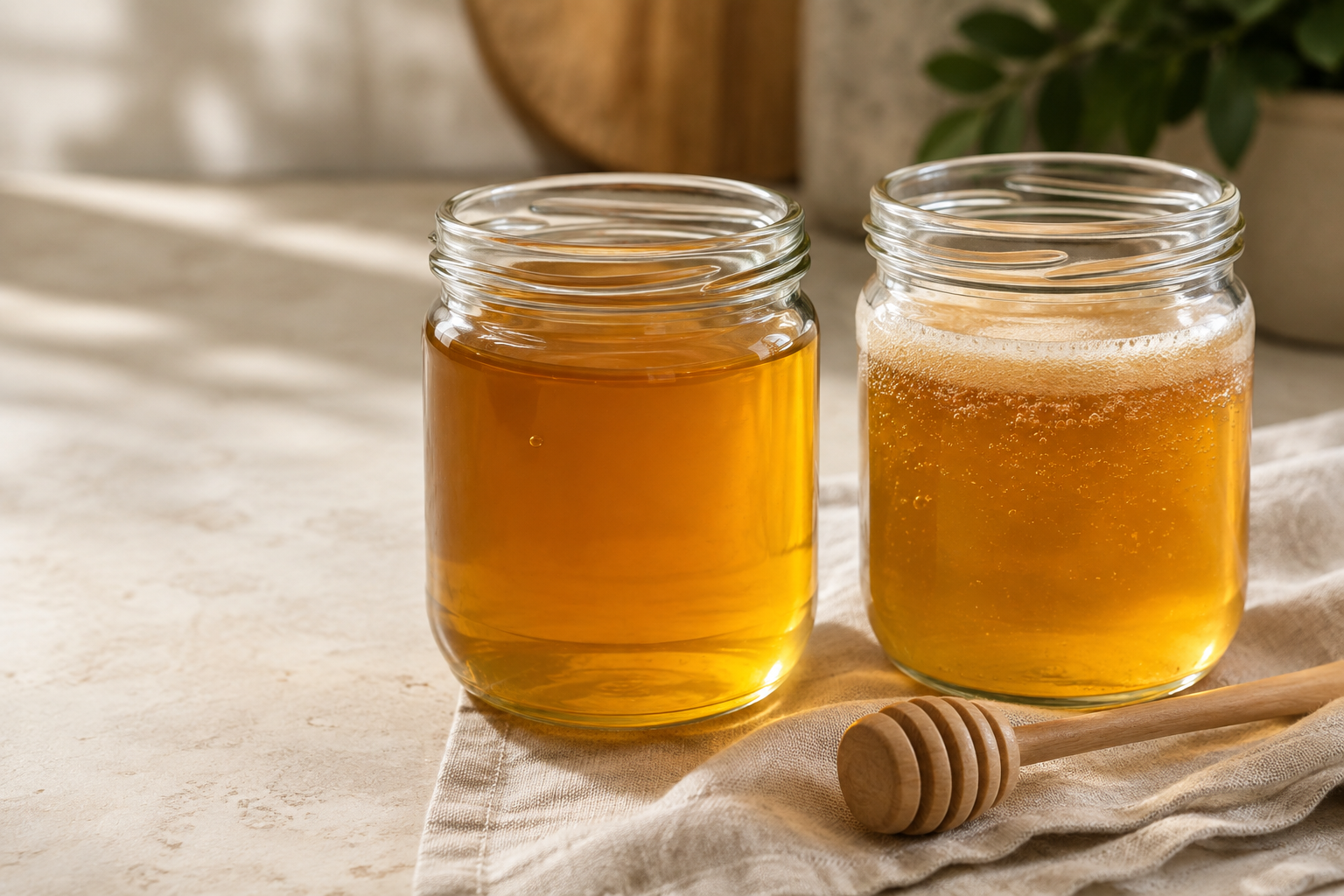
Well-made tupelo honey is often described as clean, smooth and floral, with gentle fruit or pear-like impressions and a soft, buttery finish. It is usually less aggressively sugary in perception than some common light honeys, but every harvest is shaped by place, season, accompanying nectar and handling.
| Attribute | Common description | Why batches vary |
|---|---|---|
| Color | Pale gold to light amber | Forage mix, season and storage |
| Aroma | Light floral and fruity | Volatile compounds and handling |
| Flavor | Smooth, rounded, gently fruity | Nectar balance and individual palate |
| Finish | Clean and lingering | Moisture, age and food pairing |
Why tupelo honey crystallizes slowly
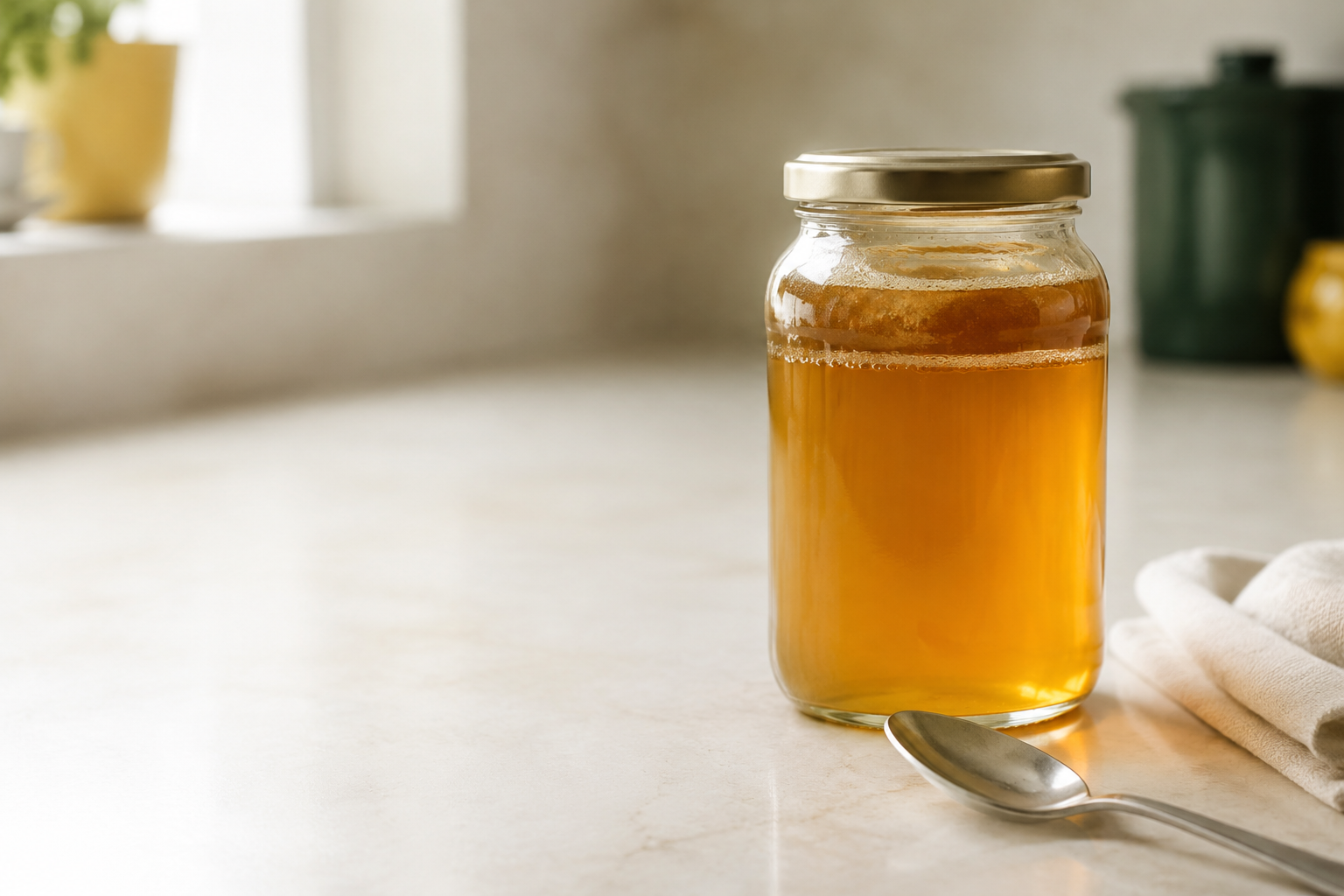
Honey crystallization is influenced by its sugar balance, water content, temperature, particles and storage history. Tupelo honey is known for a comparatively high fructose-to-glucose relationship, which generally makes crystal formation less likely than in glucose-rich honeys.
Slow crystallization is not the same as a guarantee. A genuine jar can still change texture over time, especially if its composition, storage conditions or accompanying nectar differ.
If your jar crystallizes
Crystallization does not automatically mean spoilage, adulteration or poor quality. If you prefer liquid honey, warm the closed jar gently in warm—not boiling—water and avoid overheating it.
For broader guidance, see honey storage and spoilage explained.
How to buy real tupelo honey
No single front-label phrase settles authenticity. Use a group of signals and ask direct questions.
| Look for | Why it helps | Red flag |
|---|---|---|
| Named producer and region | Creates traceability | No origin beyond vague “southeastern” language |
| Harvest or lot information | Connects the jar to a batch | Identical claims with no batch detail |
| Clear floral wording | Distinguishes white tupelo from a blend | “Tupelo flavored” presented like floral-source honey |
| Realistic description | Acknowledges natural variation | Guaranteed medical outcomes or “never crystallizes” |
A premium price may reflect a short bloom, difficult terrain and limited yield, but price alone proves nothing. A grade also does not identify floral source; see Honey Grades Explained.
Nutrition and health claims
Tupelo honey is still an added sugar and should be understood primarily as a distinctive food. Like other honeys, it contains mostly sugars and water, with small quantities of other compounds that vary by sample.
Research on “honey” in general cannot automatically be transferred to a specific commercial tupelo jar. Claims about preventing cancer, treating chronic inflammation, repairing the gut or providing crash-free energy are not justified by the floral name alone.
Safety first
- Never give honey to a child younger than 12 months because of infant botulism risk.
- People managing blood glucose or dietary sugar should count honey as sugar.
- Food-grade honey is not the same as a sterile medical honey product.
- Seek qualified medical advice for symptoms or wound care rather than relying on a jar of honey.
Best culinary uses for tupelo honey
Its value is easiest to appreciate where its aroma is not buried under heavy seasoning.
| Use | How to use it | Why it works |
|---|---|---|
| Tasting | Serve at room temperature on a clean spoon | Shows aroma and finish clearly |
| Biscuits and toast | Drizzle after heating | Preserves delicate flavor |
| Cheese board | Pair with soft, salty or blue cheese | Balances salt and richness |
| Yogurt and fruit | Add just before serving | Gentle flavor stays noticeable |
| Dressings | Whisk with acid, oil and seasoning | Smooth sweetness rounds acidity |
Tupelo honey compared with other light honeys
| Honey | Typical profile | Crystallization tendency | Choose it when… |
|---|---|---|---|
| Tupelo | Floral, gently fruity, smooth | Usually slow | You want a rare American varietal |
| Acacia | Very mild and clean | Usually slow | You want a neutral light honey |
| Clover | Familiar, sweet and floral | Variable | You want an everyday all-purpose honey |
| Orange blossom | Citrusy and fragrant | Variable | You want a more obvious aromatic note |
| Wildflower | Changes with place and season | Variable | You want a regional multi-floral expression |
Storage that protects quality
- Keep the lid tightly closed.
- Store at a stable room temperature in a dry, dark cupboard.
- Use a clean, dry utensil.
- Avoid unnecessary heat, direct sun and moisture.
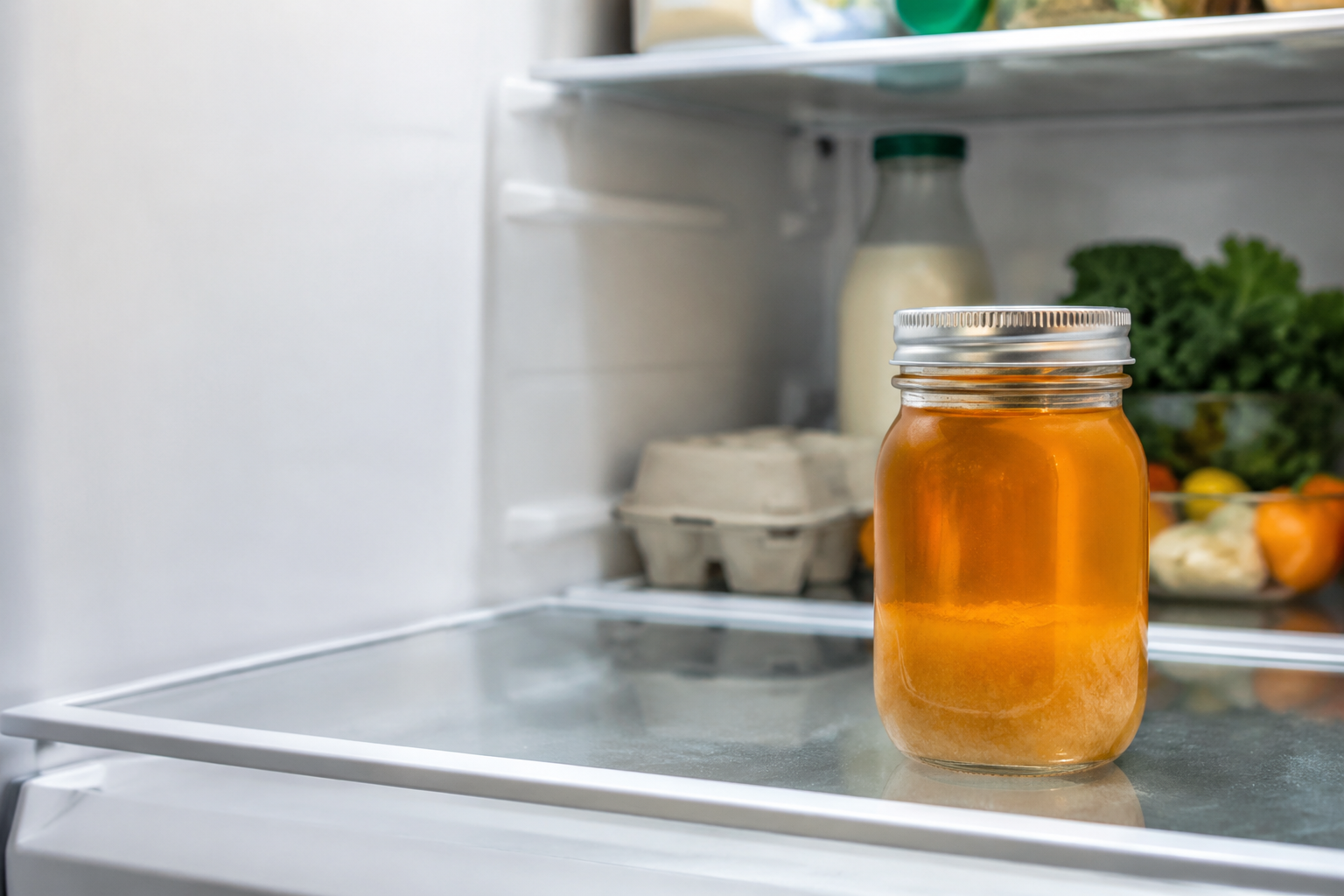
- Do not refrigerate merely to preserve it; cooler temperatures can encourage crystallization in many honeys.
About the “best before” date
Honey can remain stable for a long time when properly stored, but aroma, color and texture can change. Follow the producer’s label and discard honey showing signs of fermentation, contamination or container damage.
Read the complete storage and spoilage guide.
Tupelo honey and wetland conservation
Tupelo production depends on functioning floodplain and swamp ecosystems. Altered water flow, severe weather, land conversion, invasive species and changing bloom conditions can affect trees, access and nectar availability.
Responsible purchasing starts with traceability, not an unsupported “eco-friendly” badge. Look for producers who explain where they work, how they manage colonies and what conservation claims actually mean.
Common tupelo honey myths
“It never crystallizes”
“Light color means Grade A”
“Tupelo proves special health effects”
Frequently asked questions
What is special about tupelo honey?
Its connection to white tupelo wetlands, limited spring harvest, smooth sensory profile and slow crystallization make it distinctive.
Where is tupelo honey produced?
The best-known white-tupelo harvests come from wetland river systems in the Florida Panhandle and southern Georgia.
Does tupelo honey ever crystallize?
It can, but it commonly crystallizes more slowly than glucose-rich honeys because of its sugar balance.
What color is tupelo honey?
It is commonly pale gold to light amber, though natural batches vary. Color alone cannot authenticate it.
Is tupelo honey healthier than regular honey?
There is no sound basis for treating the floral name alone as proof that it is healthier. Tupelo honey is primarily a distinctive sweet food.
Is tupelo honey raw?
It may be sold raw or processed. “Tupelo” describes floral source; “raw” describes handling, and the terms are not interchangeable.
How can I tell whether tupelo honey is authentic?
Look for a named producer, harvest region, batch transparency, clear floral wording and realistic claims. Laboratory analysis may provide stronger evidence than appearance alone.
Why is tupelo honey expensive?
A short weather-sensitive bloom, difficult wetland access, limited productive geography and strong demand can all contribute to price.
Can babies have tupelo honey?
No honey should be given to children younger than 12 months because of infant botulism risk.
What is the best substitute for tupelo honey?
Acacia honey is a useful substitute when slow crystallization and a mild flavor matter; orange blossom or clover may work depending on the recipe.
Explore the complete world of honey
Use the Types of Honey guide to compare floral source, flavor, color, texture, origin and best use across the collection.