THE HONEY FIELD JOURNAL
Honey harvesting: from colony to jar
Start with the colony
The first question is whether there is a genuine surplus to harvest. Season, forage, colony strength and local conditions matter more than a fixed calendar date. Learn with an experienced local beekeeper and follow the food-handling and apiary rules where you work.
Four stages of the harvest
Read the harvesting collection
Sustainable Honey Harvesting: When to Take Surplus Honey
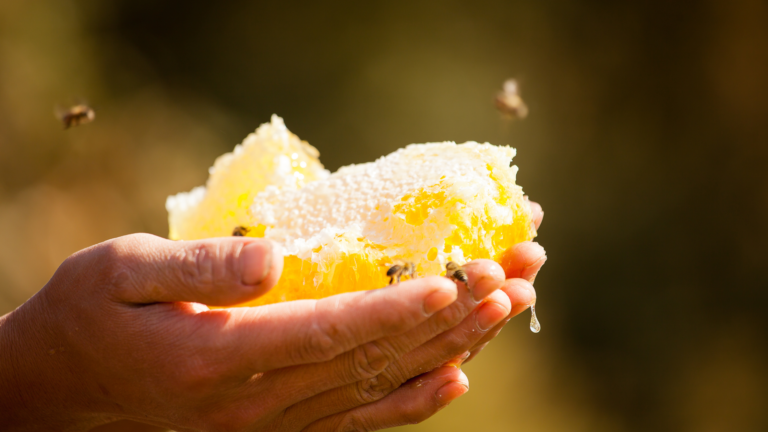
Assess colony stores, ripeness and the season ahead before harvesting honey. Use a practical harvest record to decide what to take and when to reassess.
Read the guide ↗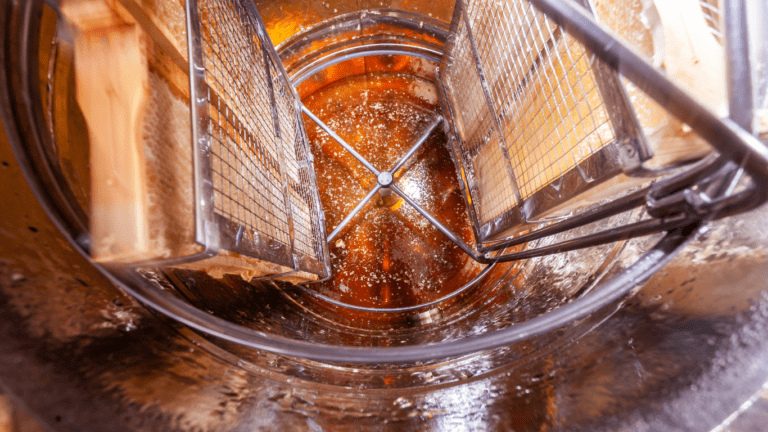
How to Extract Honey and Trace Each Jar
Follow honey from uncapped frames to filled jars, with a worked batch-record example showing how to trace a jar back to its harvest.
Read the guide ↗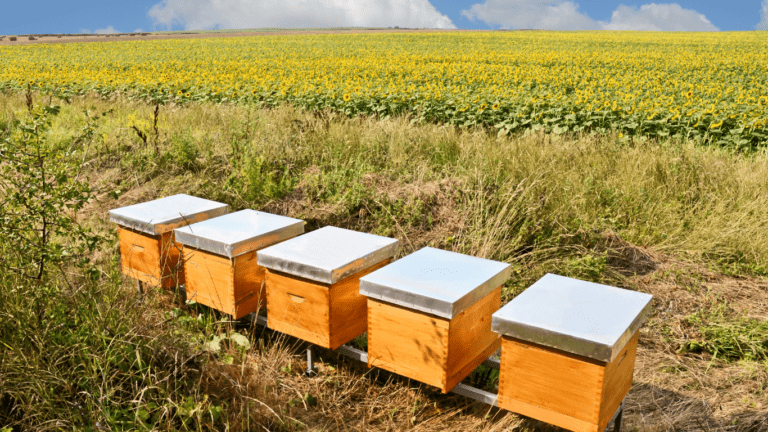
When to Harvest Honey: How to Decide Hive by Hive
Compare two colonies on the same harvest day and see how stores, moisture and local forage change the decision to collect surplus honey.
Read the guide ↗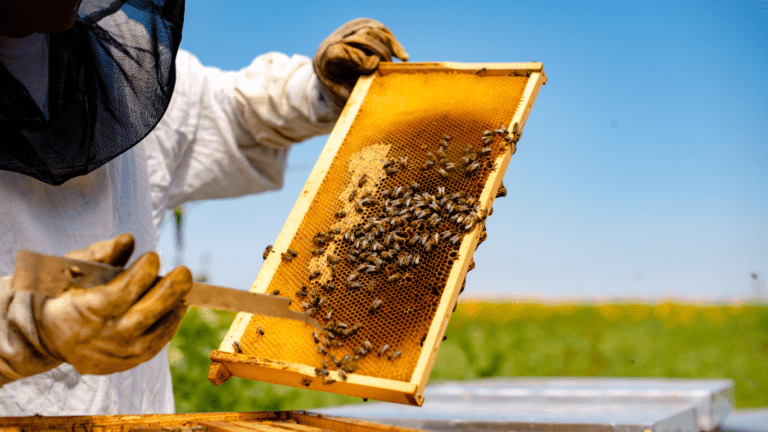
Honey Harvesting Methods: Extract, Crush or Keep the Comb?
Choose a harvest method for the comb you have. Compare borrowing an extractor, crushing a small lot and packing intact cut comb.
Read the guide ↗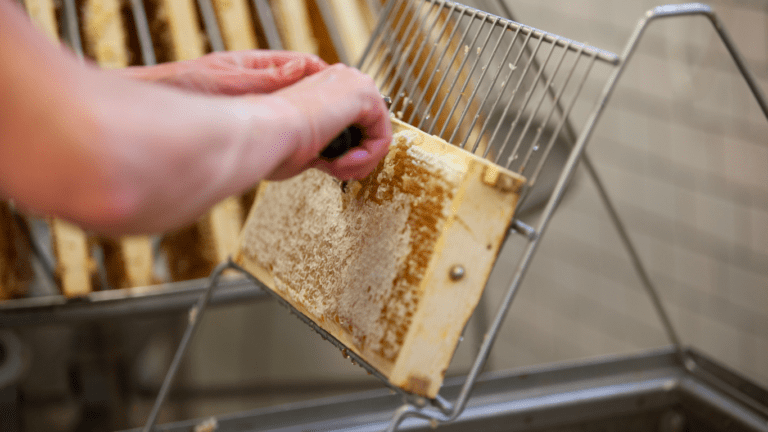
Honey Harvesting Tools for Your First Extraction
Plan a first extraction with a borrowed machine. Check frame fit, bucket clearance and jar filling before bringing honey into the room.
Read the guide ↗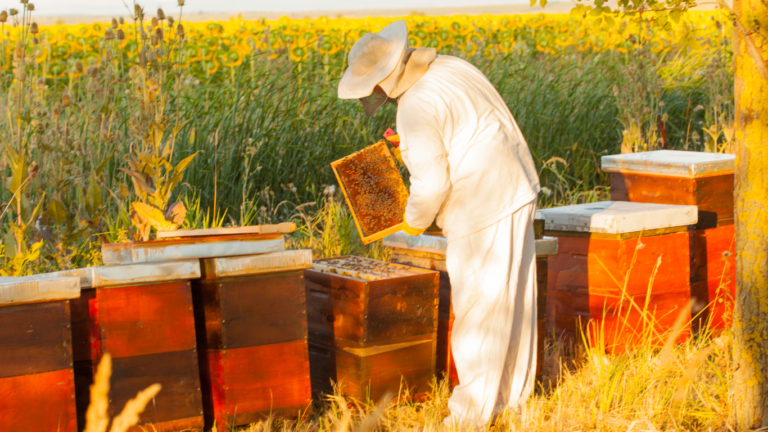
How to Harvest Honey: From Ripe Frames to Sealed Jars
Plan a first honey harvest, check colony stores and moisture, and keep each batch identifiable as you extract, strain and bottle the honey.
Read the guide ↗Quality continues after extraction
Extraction is only one part of the work. Containers, storage and moisture exposure influence what happens next. Crystallization is often a normal change; fermentation is a different issue. These guides explain what to look for without treating every bubble or crystal as spoilage.
After the harvest
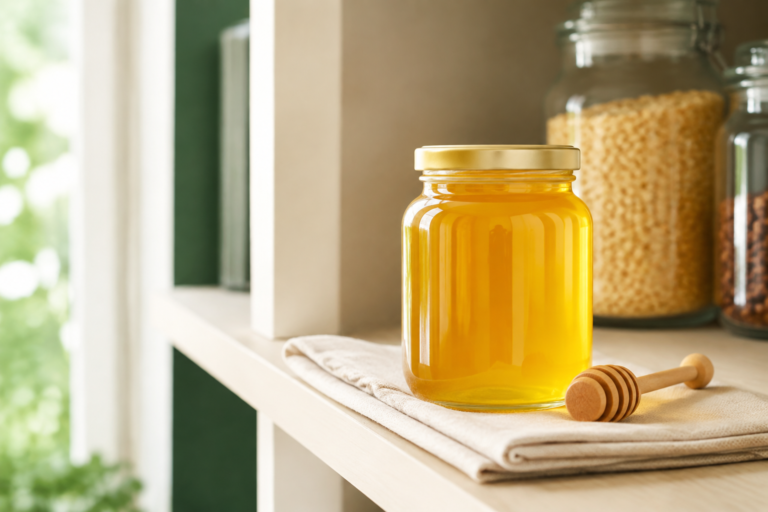
How to Store Honey: Temperature, Containers & Care
Store honey with the right container, a tight lid and dry utensils. Learn how temperature affects texture, how to handle crystals and when labels take priority.
Read the guide ↗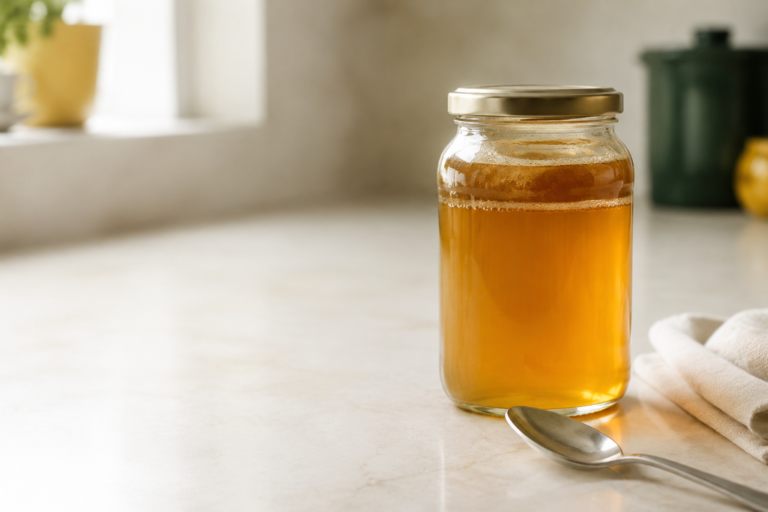
Why Does Honey Ferment? Signs, Causes and Prevention
Learn why honey ferments, how moisture and yeast interact, which warning signs matter and how to prevent unintended fermentation through better storage.
Read the guide ↗Build practical experience
Reading can explain the sequence, but it cannot assess a colony or teach safe handling on its own. A local association, mentor or supervised course can help you interpret the conditions in front of you. Keep harvesting decisions specific to the colony rather than following a universal yield or date.