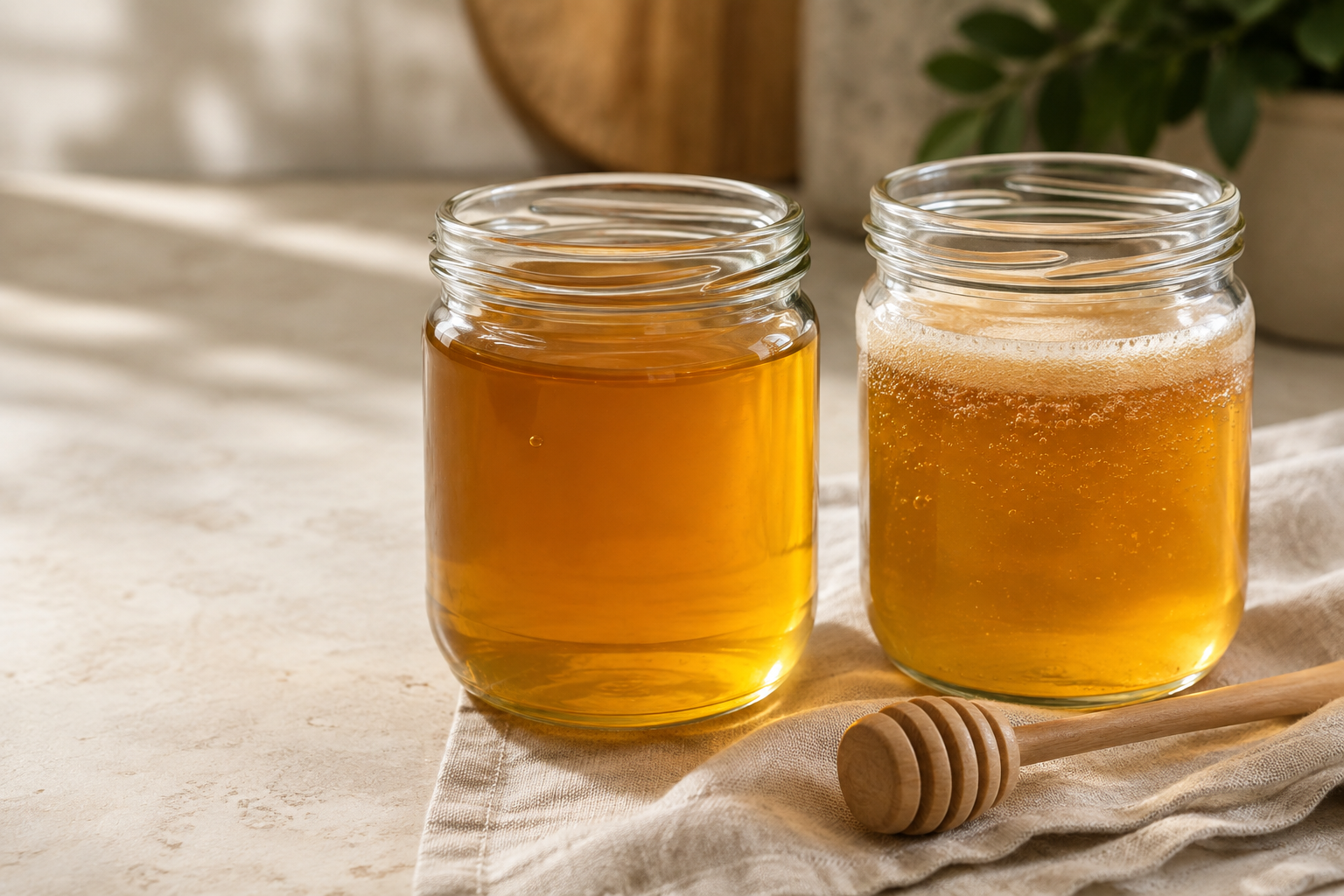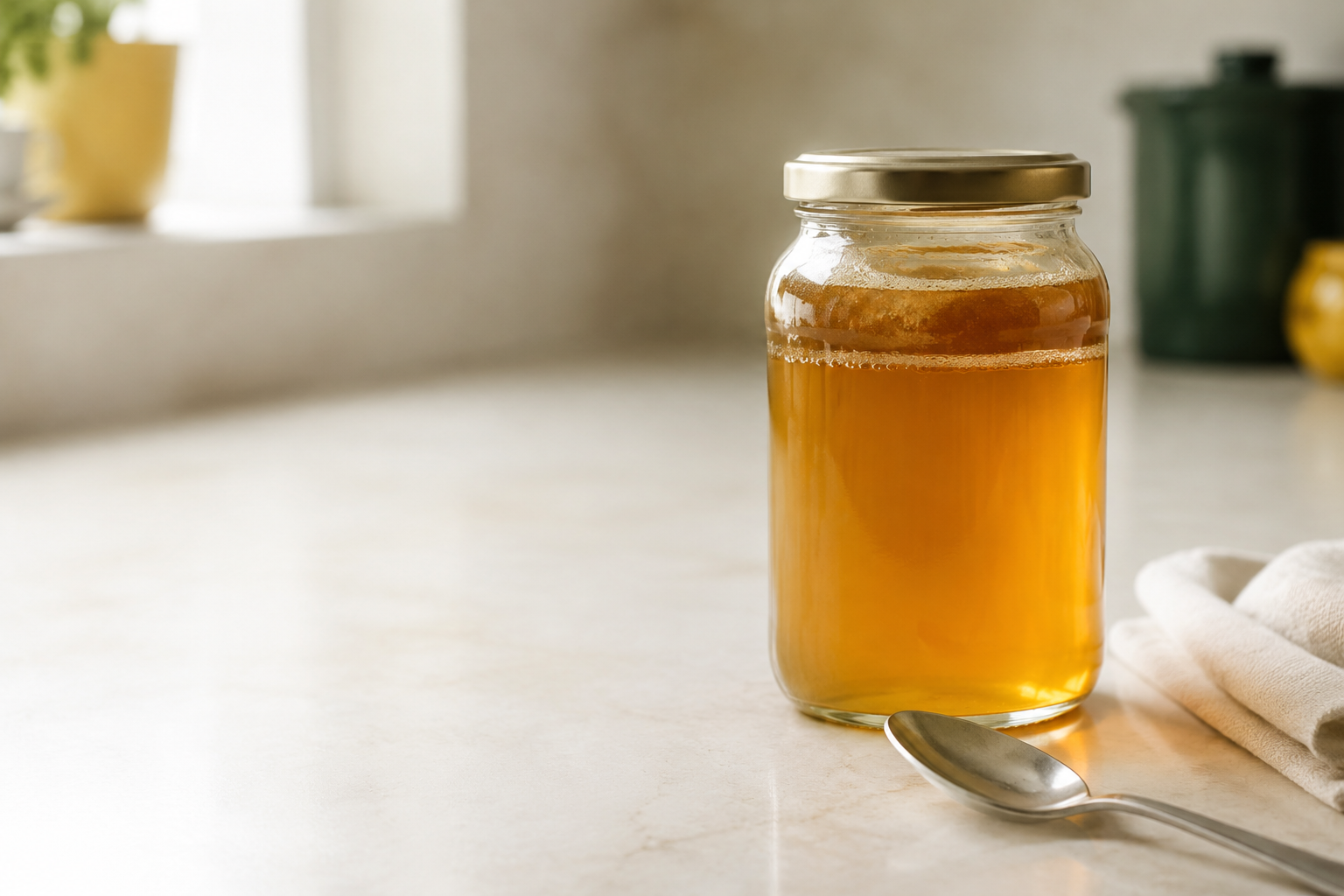
How to Store Honey: Best Temperature, Containers and Common Mistakes
Keep honey tasting and performing its best with a practical guide to pantry location, temperature, containers, moisture control, crystallization, refrigeration and long-term storage.
Store plain honey tightly sealed, dry and away from excessive heat
- Use a clean, food-safe glass or plastic container with a tight lid.
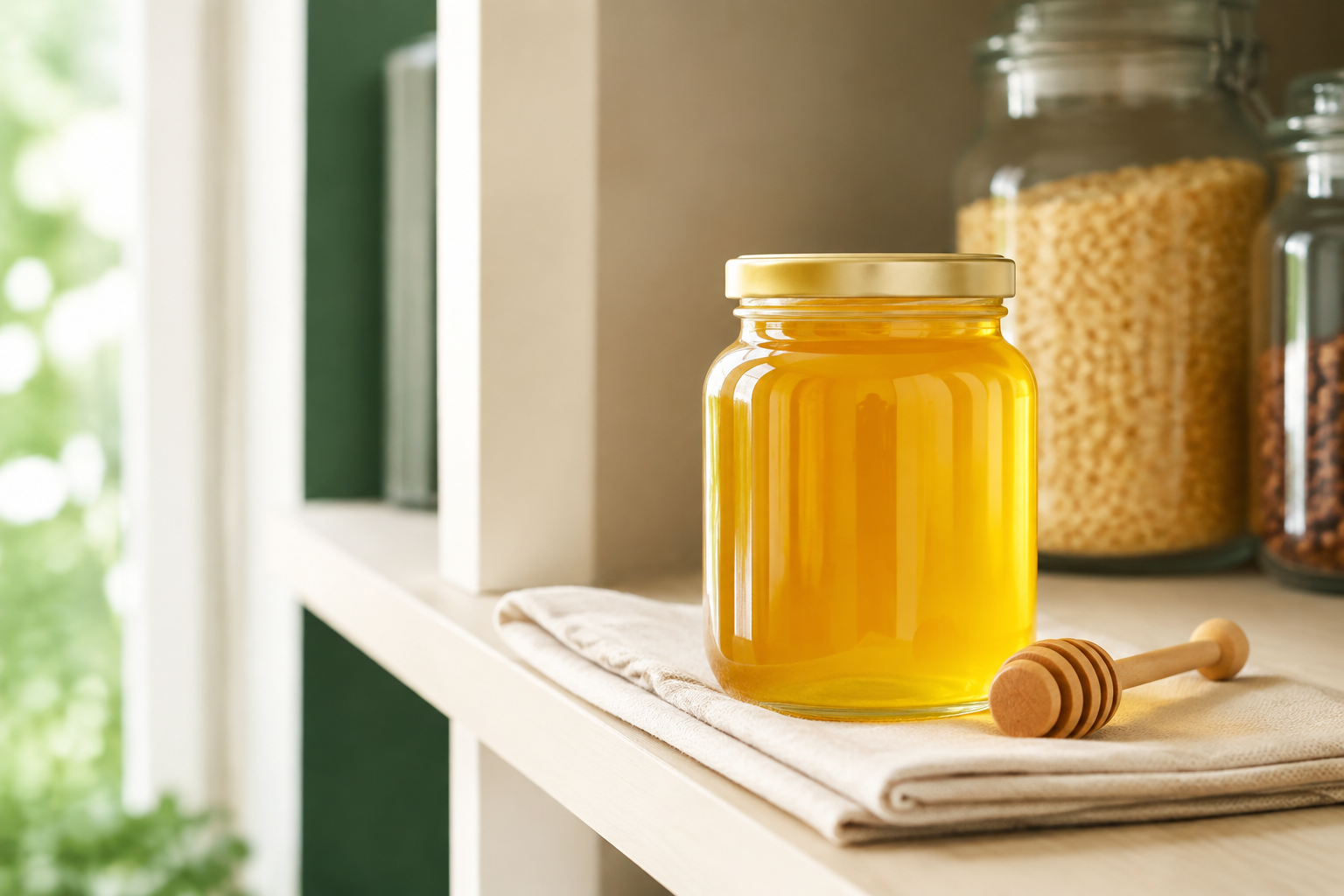
- Choose a dry cupboard away from sunlight, ovens and other heat sources.
- Use only clean, completely dry utensils.
- Plain honey usually does not need refrigeration unless its label says otherwise.
- Crystallization is a normal physical change—not proof of spoilage.
- Follow the manufacturer’s directions for infused or honey-based products.
Store honey with confidence
The everyday honey storage checklist
Seal it well
Close the lid promptly after each use to reduce moisture absorption, contamination and aroma loss.
Keep it dry
Water is the main storage enemy. Never return wet utensils, food crumbs or diluted honey to the original jar.
Avoid excess heat
Choose a stable cupboard away from direct sun, a stovetop, dishwasher exhaust or other warm equipment.
Where is the best place to store honey?
| Location | Recommendation | Why |
|---|---|---|
| Dry pantry or cupboard | Best everyday choice | Protects the jar from light, humidity and temperature swings |
| Open countertop | Acceptable only away from sun and heat | Convenient, but repeated light and warmth can reduce quality |
| Beside the stove or oven | Avoid | Heat cycles can accelerate quality changes |
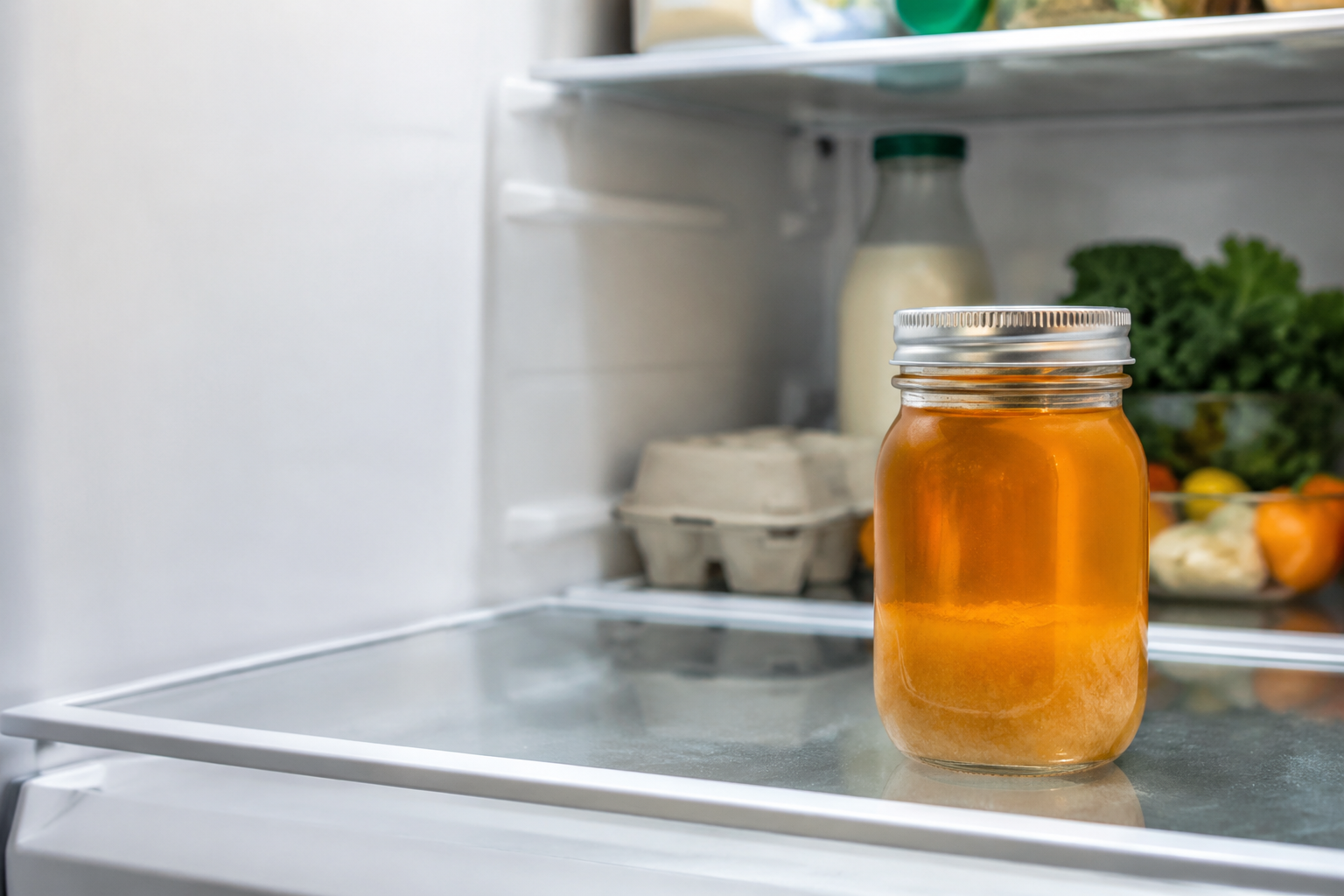
| Refrigerator | Usually unnecessary for plain honey | Cool temperatures commonly encourage or harden crystallization |
| Freezer | Optional for specialized long-term storage | Requires a suitable container and careful thawing to avoid condensation |
| Humid cabinet or sink area | Avoid | Honey readily absorbs moisture when exposed |
Always follow the label: storage instructions for fruit-infused, whipped, blended or otherwise formulated products may differ from those for plain honey.
The best containers for storing honey
A food-safe container should resist honey’s acidity, prevent moisture entry and avoid transferring odors or flavors. Keep honey in its original package when that package remains clean and sound.
Glass jar
Food-grade plastic
Stainless steel
Airtight lid
Clean interior
Useful opening
What is the best temperature for honey?
For household storage, prioritize a moderate, reasonably stable room temperature rather than chasing one universal number. The FAO’s beekeeping reference describes storage rooms near 20°C with relative humidity below 65% for honey products, while household guidance commonly emphasizes a dry place and avoiding refrigeration.
The product label takes priority, particularly for honey mixtures or products containing additional ingredients.
How storage affects honey crystallization
Why it happens
What it means
How to reliquefy
How to manage texture
Do not add water to the jar to dissolve crystals. Added moisture can undermine honey’s natural stability.
Common honey storage mistakes
Avoid these habits
- Leaving the lid loose or the jar open in a humid kitchen
- Using a wet spoon or dipping food directly into the container
- Storing honey beside an oven, sunny window or heating vent
- Repeatedly microwaving the entire container
- Transferring honey into a decorative vessel with a poor seal
- Mixing new honey into an old jar without cleaning and drying it
- Assuming every honey-based product follows the rules for plain honey
A better routine
Open the jar only as long as needed, use a clean dry utensil, wipe the rim if necessary, close the lid firmly and return the container to its normal cupboard.
If you buy in bulk, decant a small working quantity into a clean dry jar and keep the main container sealed.
How to store different forms of honey
Raw honey
Creamed honey
Comb honey
Infused or blended honey
Important distinction: advice for plain honey should not automatically be applied to sauces, spreads, fermented drinks or homemade mixtures that merely contain honey.
Honey storage troubleshooting
When uncertainty remains
Check recalls, the label, ingredient list, package condition and storage history. When the product is visibly compromised or its safety cannot be assessed confidently, discard it.
Important safety reminders
Honey is unusually stable, but it is not sterile and is not appropriate for every person or purpose.
Never for infants
Keep the package traceable
Do not taste-test suspicious products
Food honey is not wound-care honey
Watch added ingredients
Follow local instructions
Frequently asked questions about storing honey
Should honey be refrigerated after opening?
Plain honey generally does not require routine refrigeration unless the label directs otherwise. Refrigeration commonly promotes or hardens crystallization.
Can honey be stored in plastic?
Food-grade plastic can be suitable. The container should be clean, compatible with food, undamaged and tightly sealed.
Is glass better for honey?
Glass is nonreactive, easy to inspect and does not retain odors easily. A reliable lid and clean handling remain essential.
Can honey be frozen?
Honey can be frozen for specialized long-term storage, but it is rarely necessary for an everyday household jar. Leave appropriate expansion space and prevent condensation during thawing.
What should I do when honey crystallizes?
Use it in its crystallized form or warm the closed container gradually in warm water. Avoid adding water and avoid excessive heat.
Can I store honey beside the stove?
A cupboard away from heat is preferable. Repeated warmth can accelerate darkening, aroma loss and other quality changes.
Does raw honey need different storage?
Raw honey still benefits from a tight seal, dry utensils and protection from heat and moisture. Follow its label when provided.
How long can properly stored honey last?
Plain honey can remain usable for a long time, but quality changes and spoilage risks depend on moisture, handling, packaging, ingredients and storage history. Consult the separate shelf-life guide for a condition-based assessment.
Latest honey storage and quality guides
Continue with current guides covering honey quality, texture, processing, buying and responsible storage.
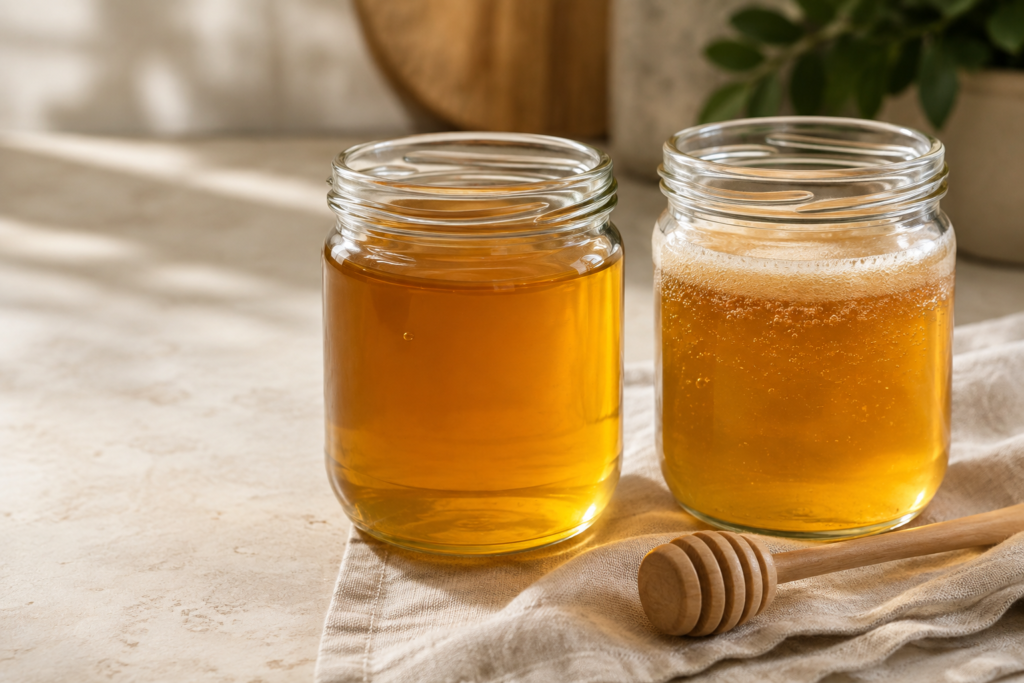
Why Is My Honey Foamy? Bubbles, Wax or Fermentation Explained
THE COMPLETE HONEY FOAM GUIDE Why Is My Honey Foamy? Bubbles, Wax or Fermentation Explained Foam on honey is not automatically spoilage.
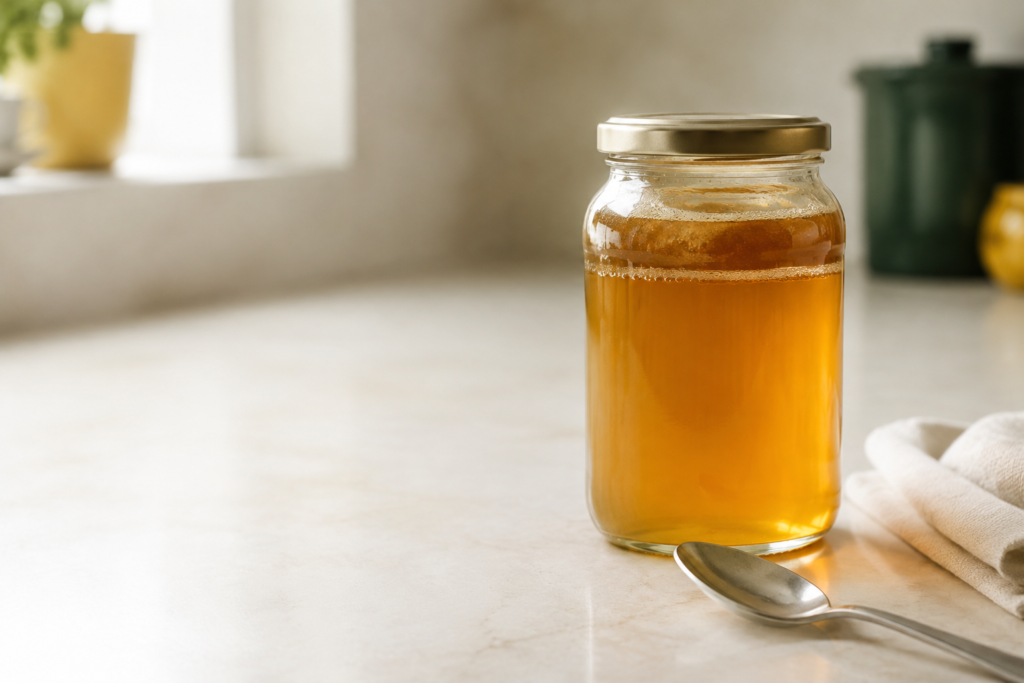
Why Does Honey Ferment? Signs, Causes and Prevention
THE COMPLETE HONEY FERMENTATION GUIDE Why Does Honey Ferment? Signs, Causes and Prevention Unintended honey fermentation usually begins when yeasts can use
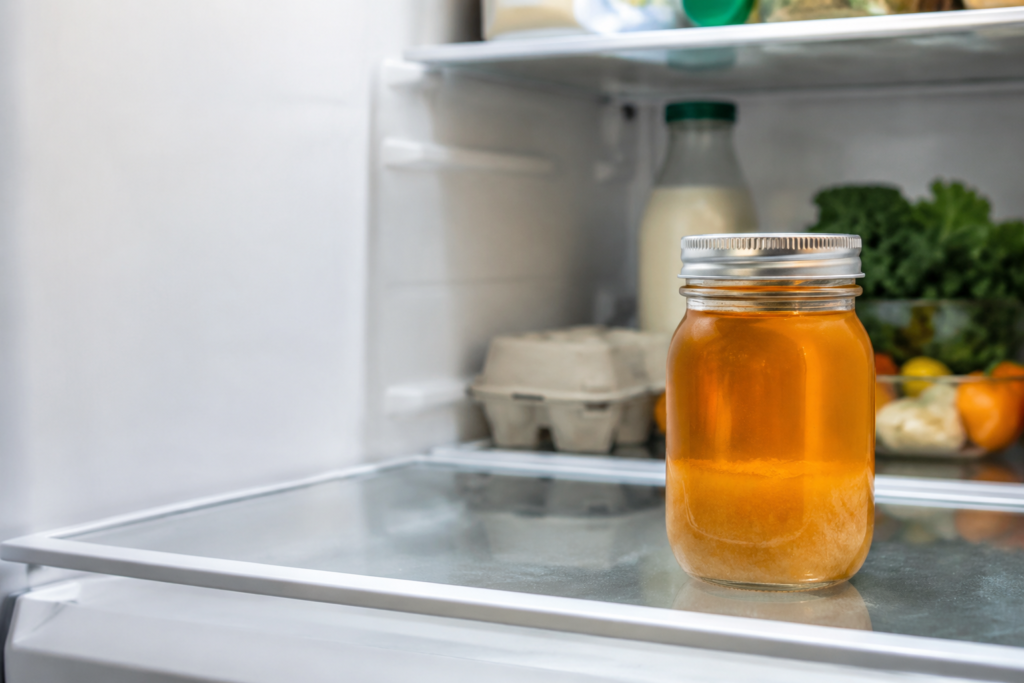
Does Honey Need to Be Refrigerated? What Happens in the Fridge
THE COMPLETE COLD-STORAGE GUIDE Does Honey Need to Be Refrigerated? What Happens in the Fridge Plain honey usually belongs in a dry
How this honey storage guide was researched
This guide prioritizes international standards, government food authorities and university extension guidance. Household conditions vary, and the product label remains the controlling instruction for formulated honey products.
- FAO: honey storage, containers, heat, light and moisture
- FAO: compatible materials and clean containers
- FAO/WHO Codex Standard for Honey
- Codex CXS 12-1981: Standard for Honey
- Penn State Extension: storing staple ingredients
- Food Standards Australia New Zealand: storing food safely
- FSANZ: use-by and best-before dates
- Canadian Food Inspection Agency: honey requirements
Keep honey sealed, dry and protected from unnecessary heat
A clean food-safe container, tight lid, dry utensil and stable cupboard solve most household storage problems. Let the label guide special products, and treat crystallization as a texture change rather than an expiration signal.